On the Road
Thousands of miles. One relentless question.
I’m often asked, “But where do you actually live?” And my answer is always the same, “Right now, I live here.”
In 2022, with both of my sons off to college, my house fell quiet. Not peaceful quiet. A shrinking quiet. The kind that comes for you in routines—walks, emails, movies, Trader Joe’s. The kind that tempts you to surrender to the couch.
And I was afraid. Not of being alone. But getting smaller. Of my world collapsing into a narrow loop of comfort. Yes. I was afraid of the couch.
So, I left.
I let go of familiarity, stability, and the safety net of a zip code. I packed my life into a storage unit and stepped into a question that had haunted me for years as I traveled for work:
What’s it really like to live here, not visit, not pass through, but live?
Since then, I’ve lived in over 40 homes across three continents and 28 U.S. states. No pre-fab itineraries. Just maps I make myself. Research, instinct, immersion. Observation. Curiosity. Consequence.
It’s a Quest. Of sorts.
I’ve always been drawn to quests. The Odyssey. Le Morte d’Arthur. The Lord of the Rings. The Alchemist. The idea that something vital is revealed only through the journey. Even in my academic life, I was chasing that thread. It’s why I wrote my Master’s dissertation on Arthurian legends.
And it’s why I’ve always been fascinated with explorers. It’s why I’m obsessed with cultures, languages, mythologies, and histories. It’s why I lose hours in museums or book stores, and get lost wandering city streets. It’s why I linger. Why I listen.
Three months before I left everything behind, I found myself in Morocco, the land of Ibn Battuta, the legendary 14th-century explorer. Amid the swirl of souks and the stillness of the Sahara, something shifted. A restlessness. A whisper. A recognition that sometimes the life you’re living is too small for the questions you carry.
An invitation to discover the deeper truths of a place and of myself.
“Travel leaves you speechless, then turns you into a storyteller.”
Why Slow Travel?
In an age of bucket lists and travel hacks, slow travel can feel radical. It’s not about quickly crossing places off a list. It’s about presence.
For me, slow travel is a mindset—an intentional way of making a temporary home in a place. It means resisting the urgency to consume, and instead choosing to listen, linger, and live inside the daily rhythms of somewhere new. For me, that often means staying in one place for four to six weeks.
No fast-forwarding. No filters. Just the long, unvarnished version of a place, and what it’s willing to teach you. If you stay long enough for the rhythms of a place to reveal themselves: the morning routines, the local conversations, the silences. It’s about noticing what others miss. Letting a city change you.
Slow travel changes your relationship to time, and to truth. It lets assumptions loosen. It asks more of you, but offers more in return: Not a checklist, but a shift in perspective. Not a vacation, but a kind of reckoning.
You don’t just learn a place. You let it mark you.
-
![]()
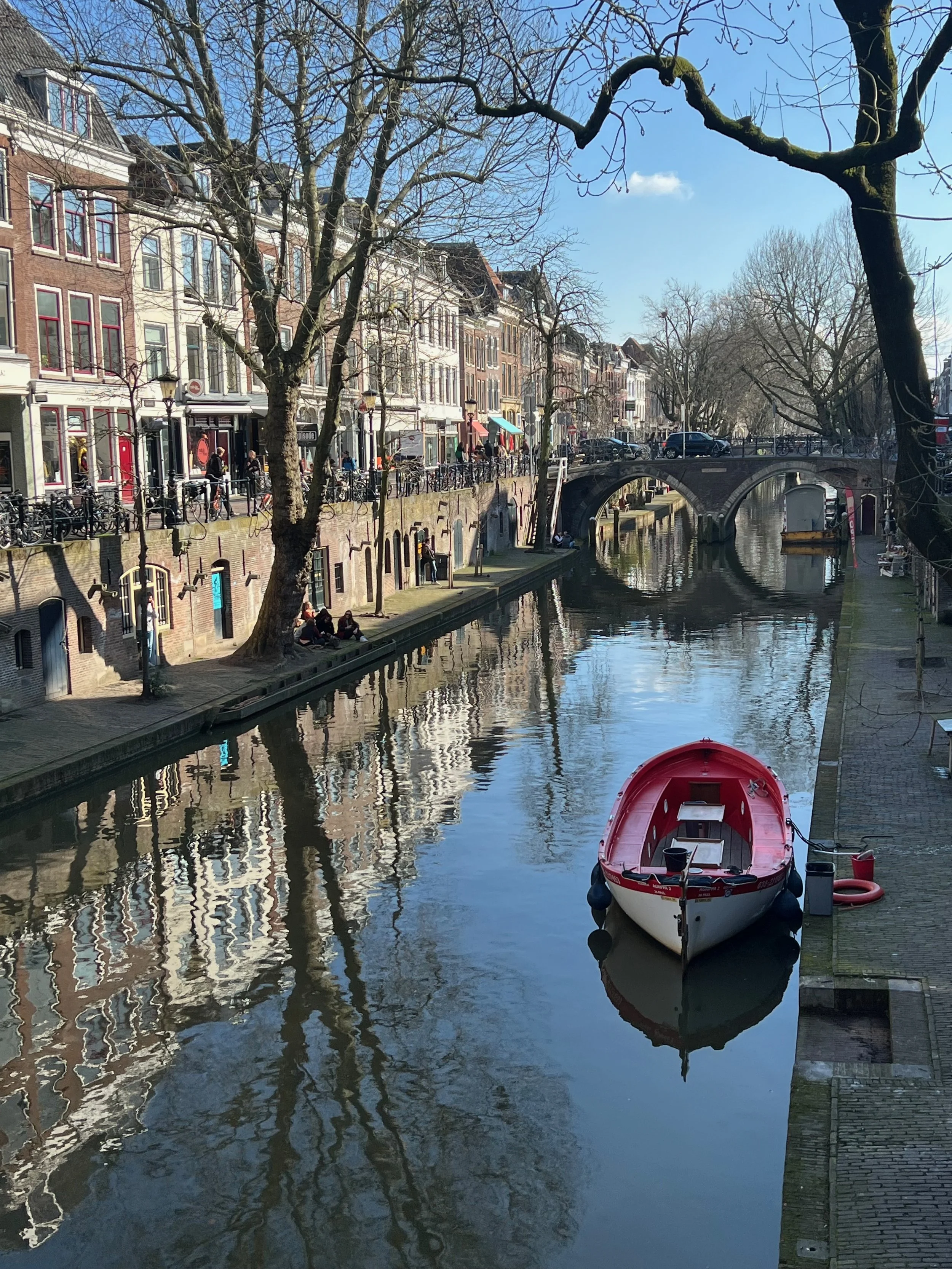
Oudegracht (Old Canal), Utrecht, the Netherlands
-
![]()
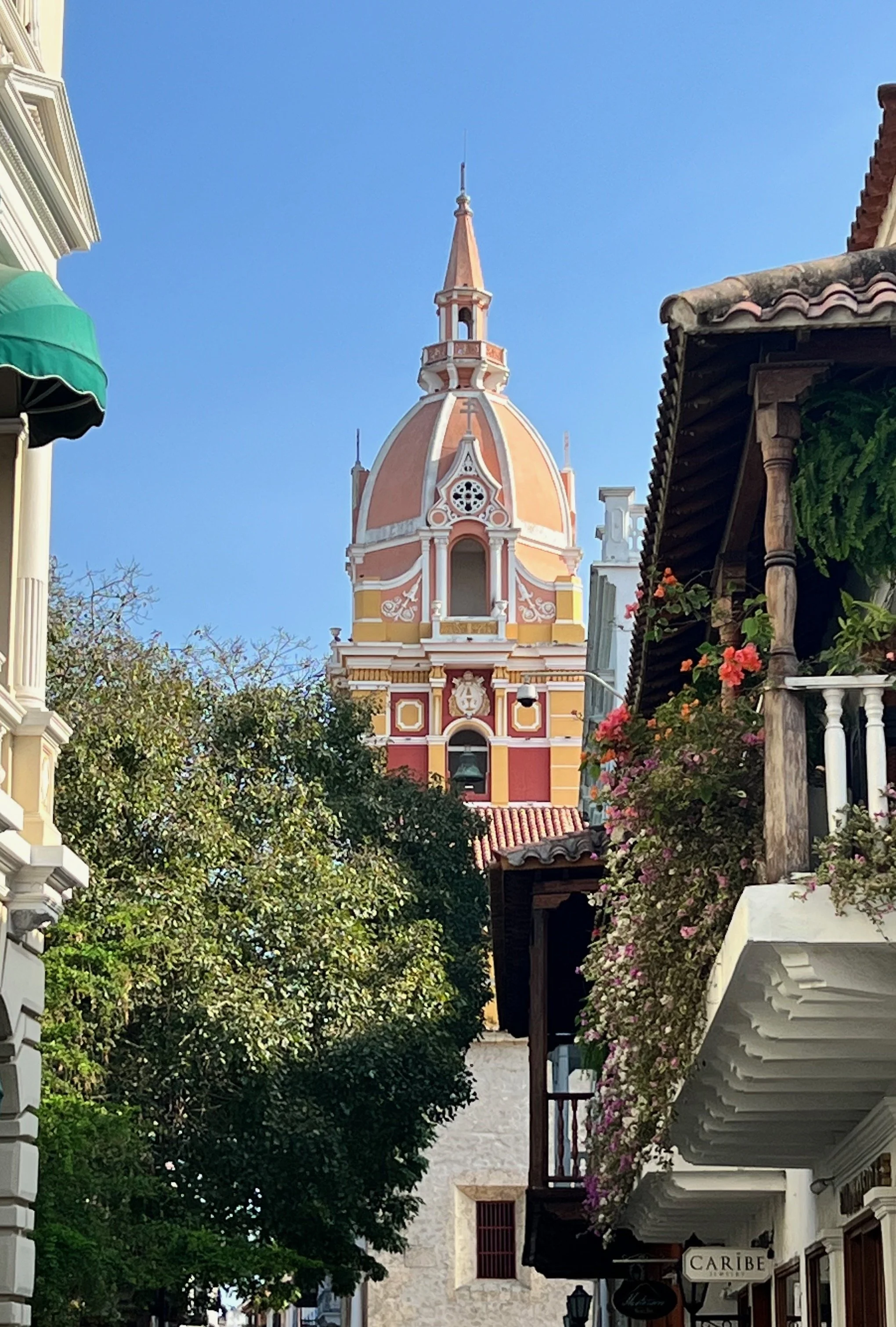
Catedral de Santa Catalina de Alejandría, Cartagena, Colombia
-
![]()
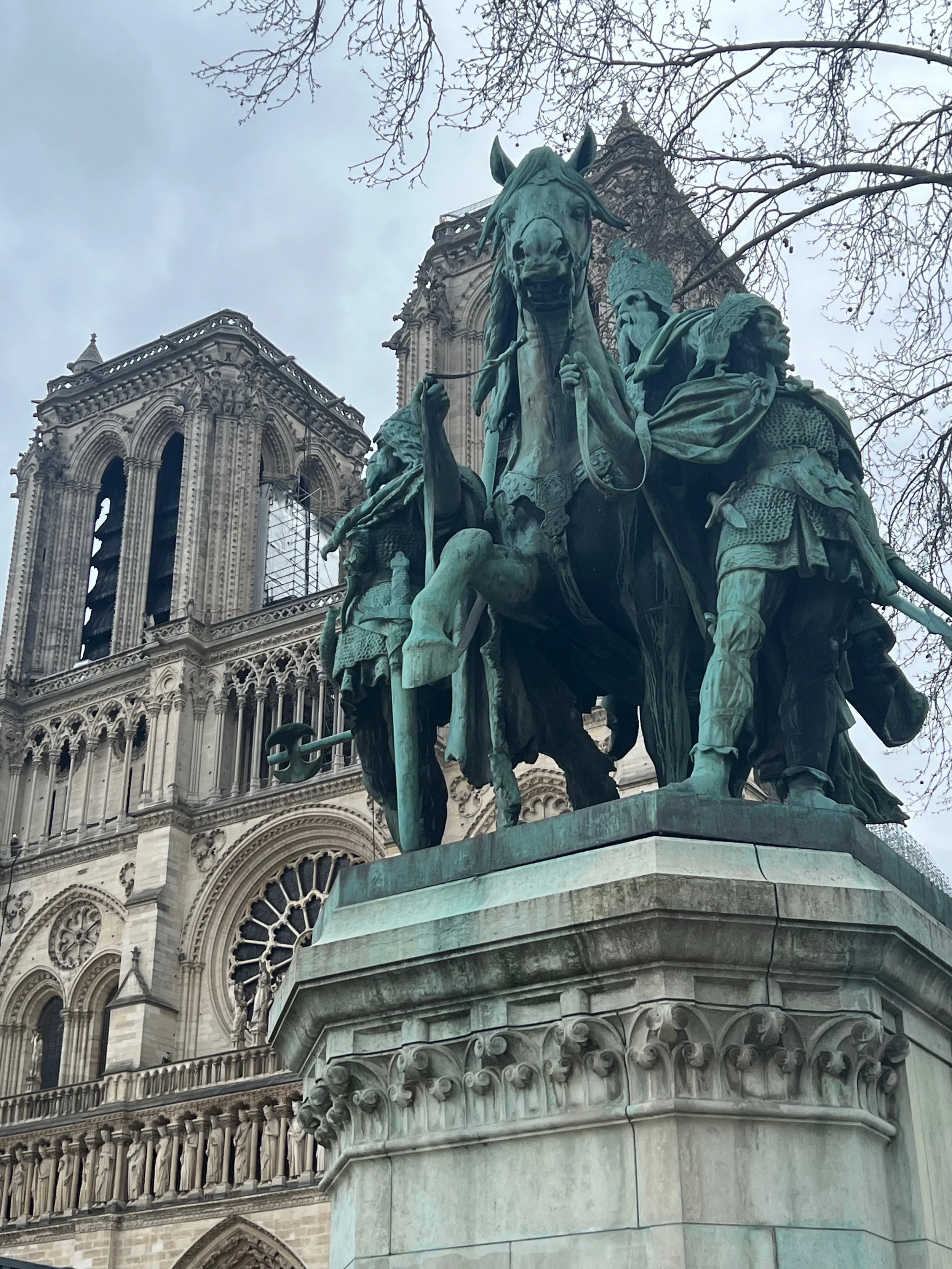
Notre-Dame Cathedral, Paris, France
-
![]()
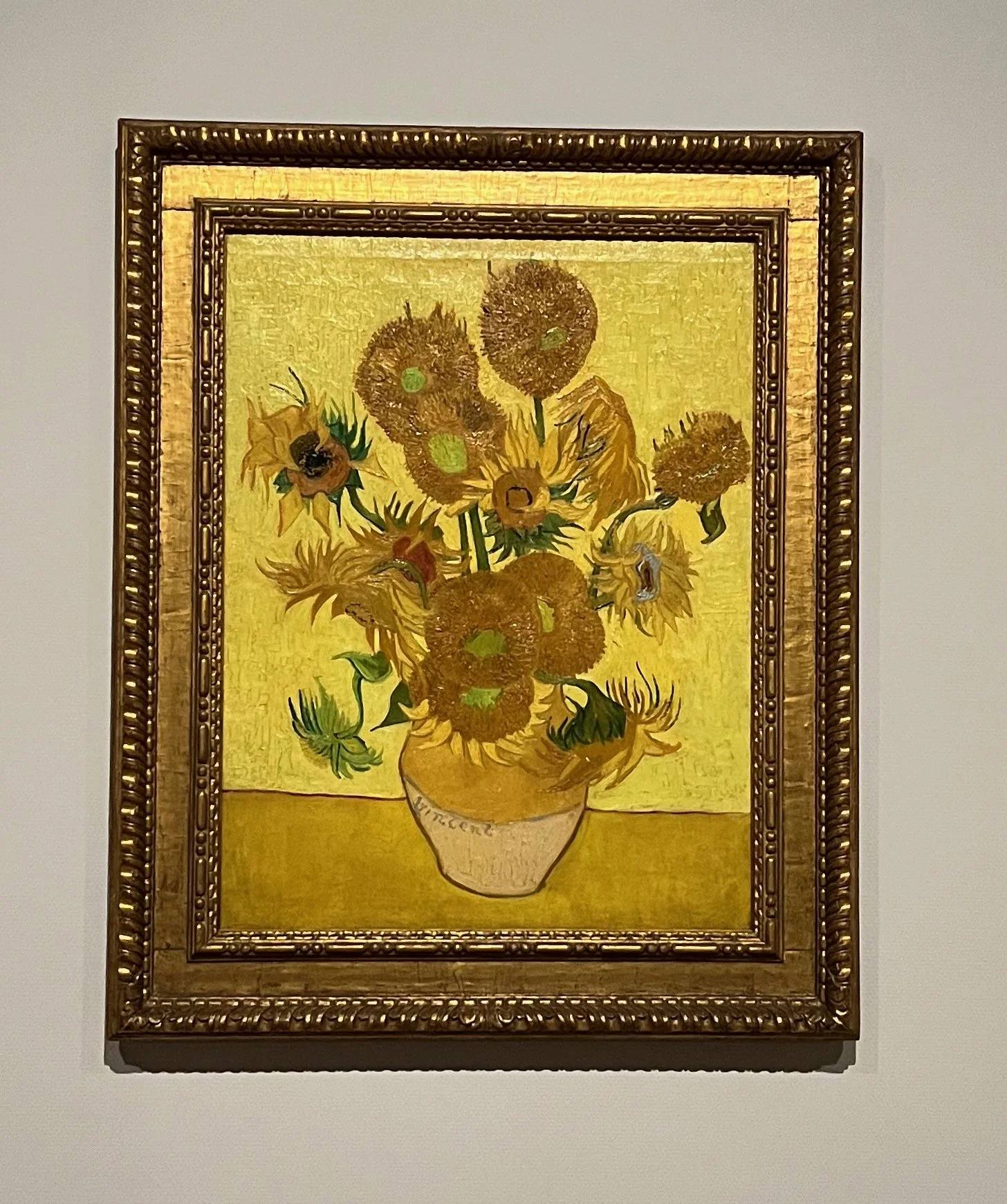
Sunflowers, Van Gogh Museum, Amsterdam, the Netherlands
-
![]()
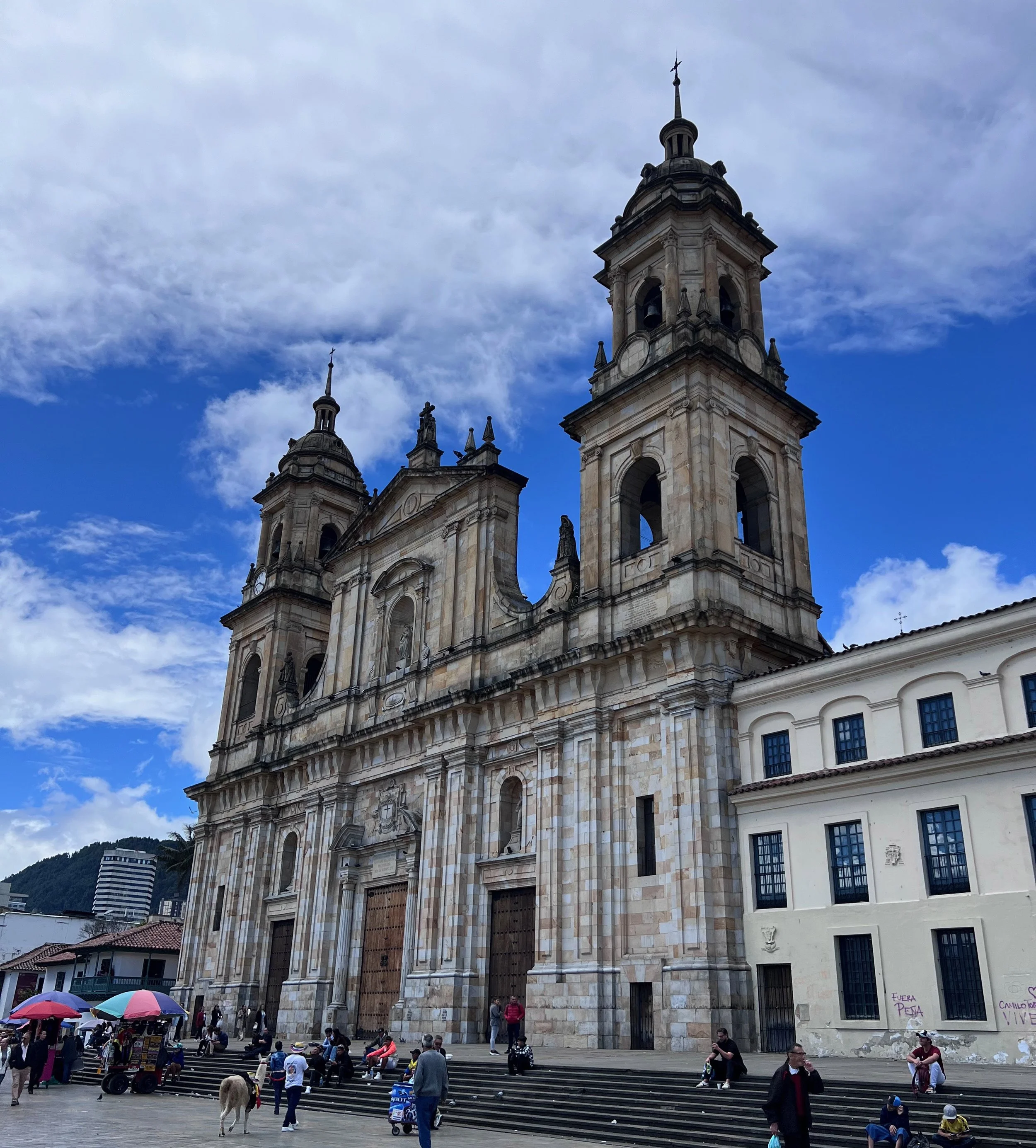
Catedral Primada de Colombia, Plaza de Bolívar, Bogotá, Colombia
-
![]()
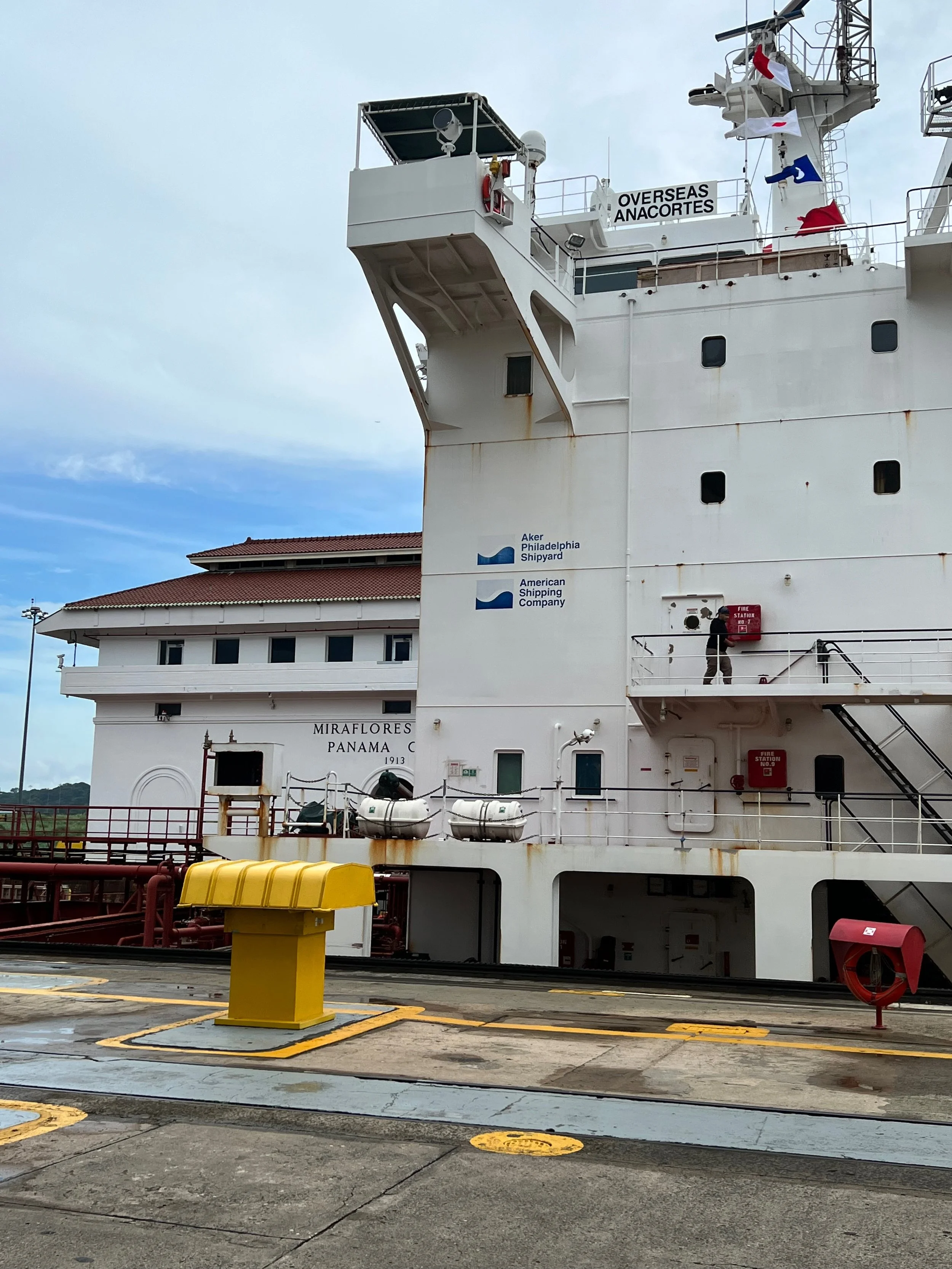
Panama Canal, Panama City, Panama
-
![]()
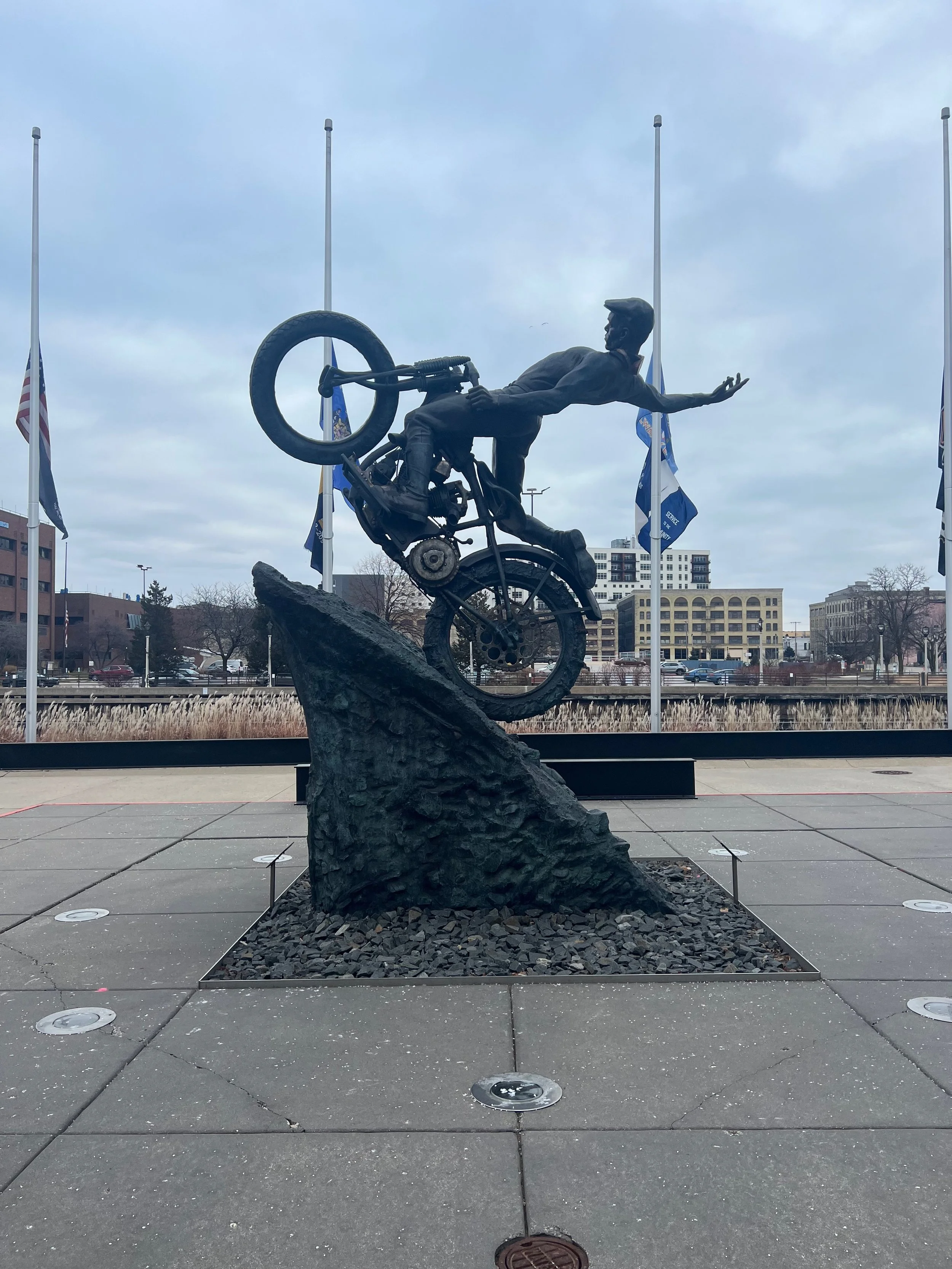
"The Hillclimber," Harley Davidson Museum, Milwaukee, Wisconsin
-
![]()
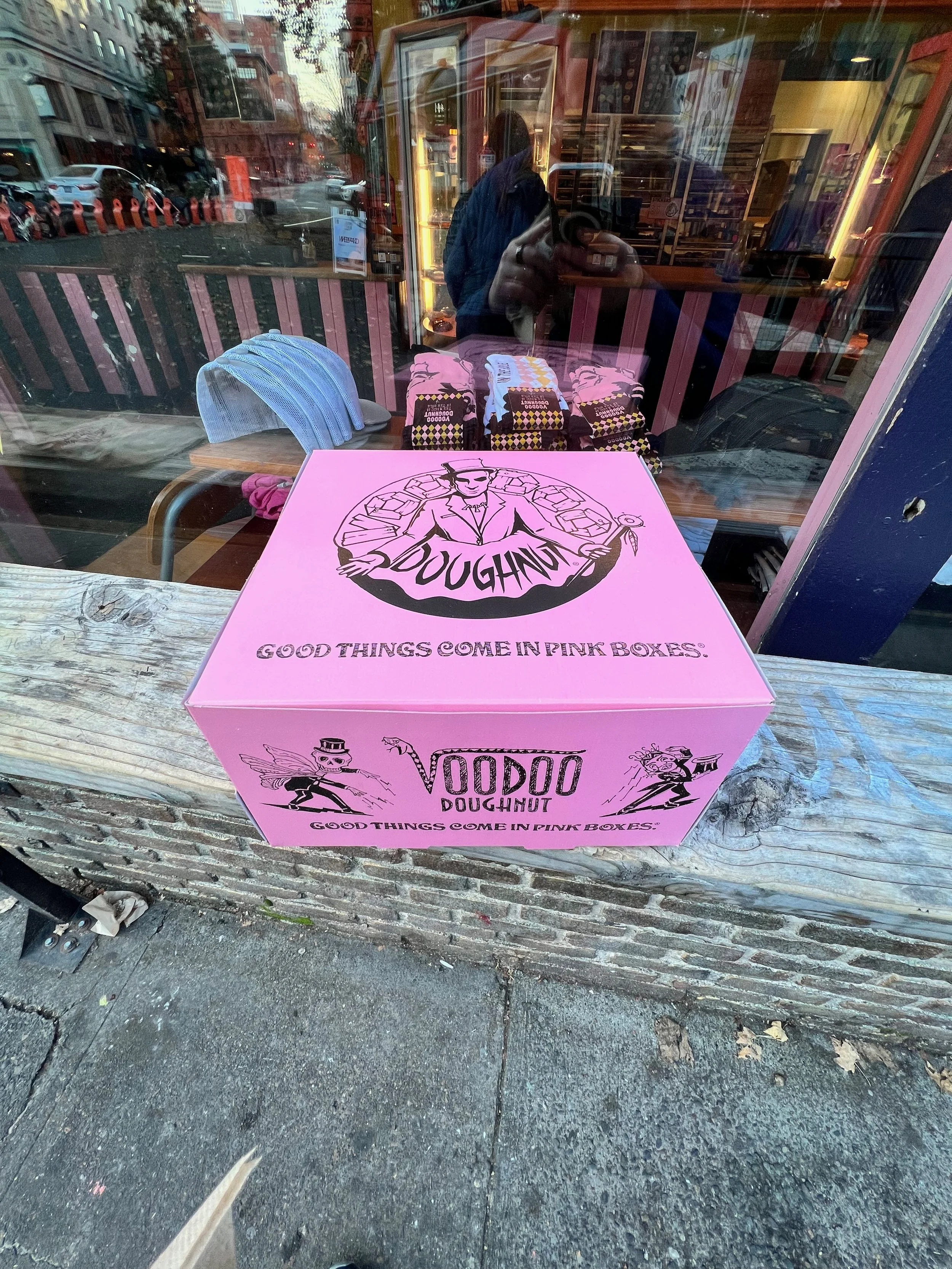
Voodoo Donuts, Portland, Oregon
-
![]()
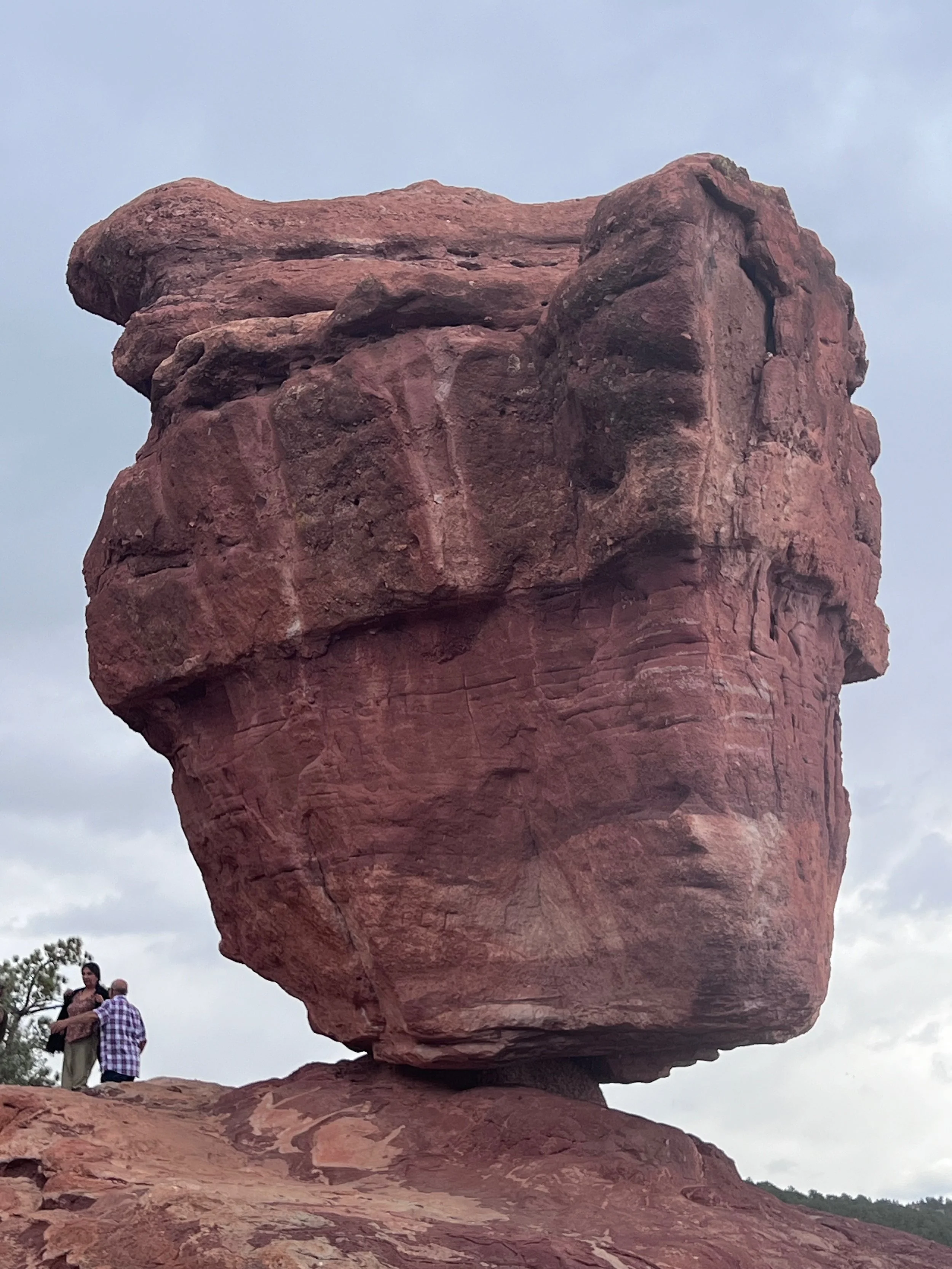
Balanced Rock, Garden of the Gods, Colorado Springs, Colorado
-
![]()
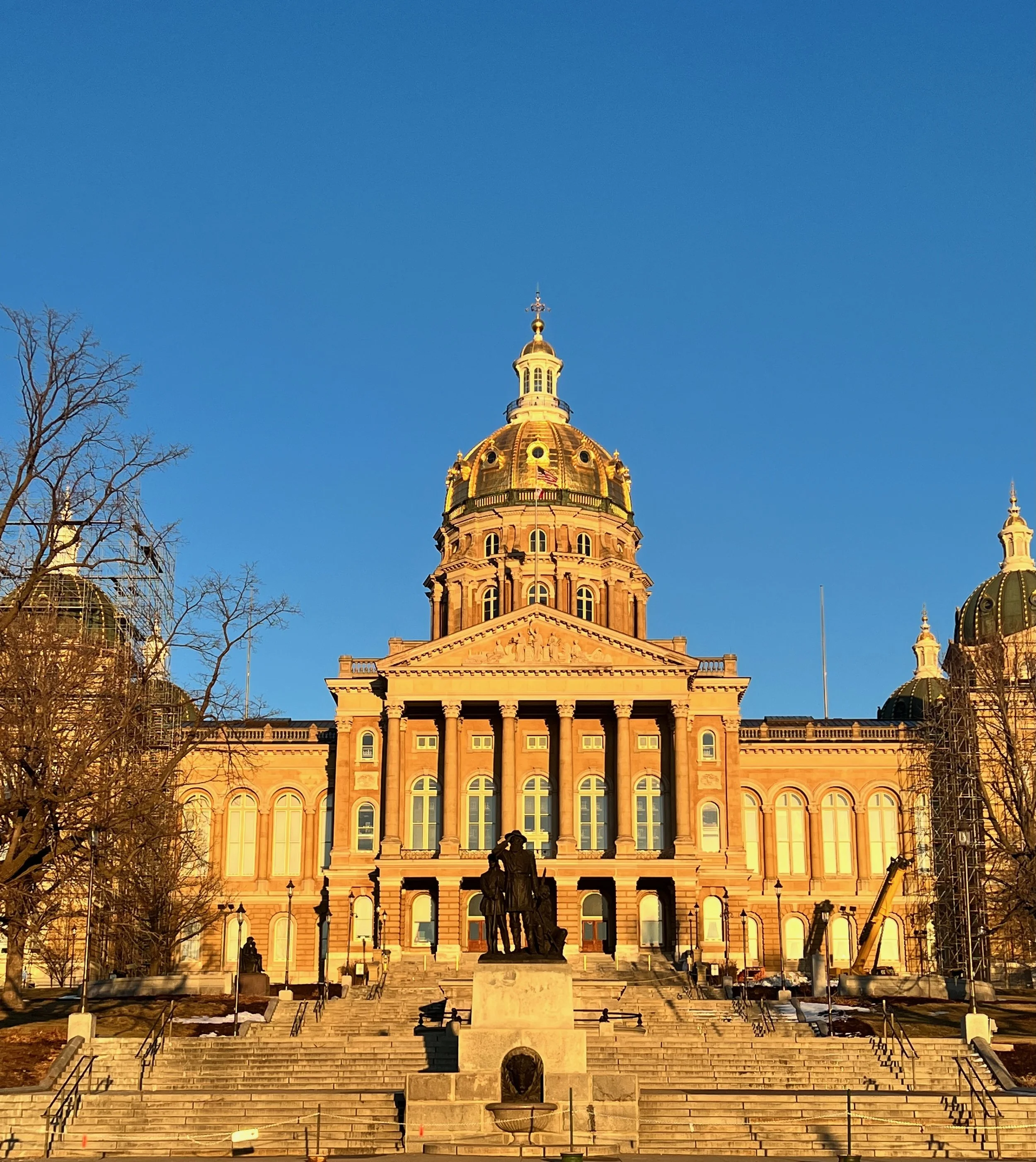
Iowa State Capitol, Des Moines, Iowa
-
![]()
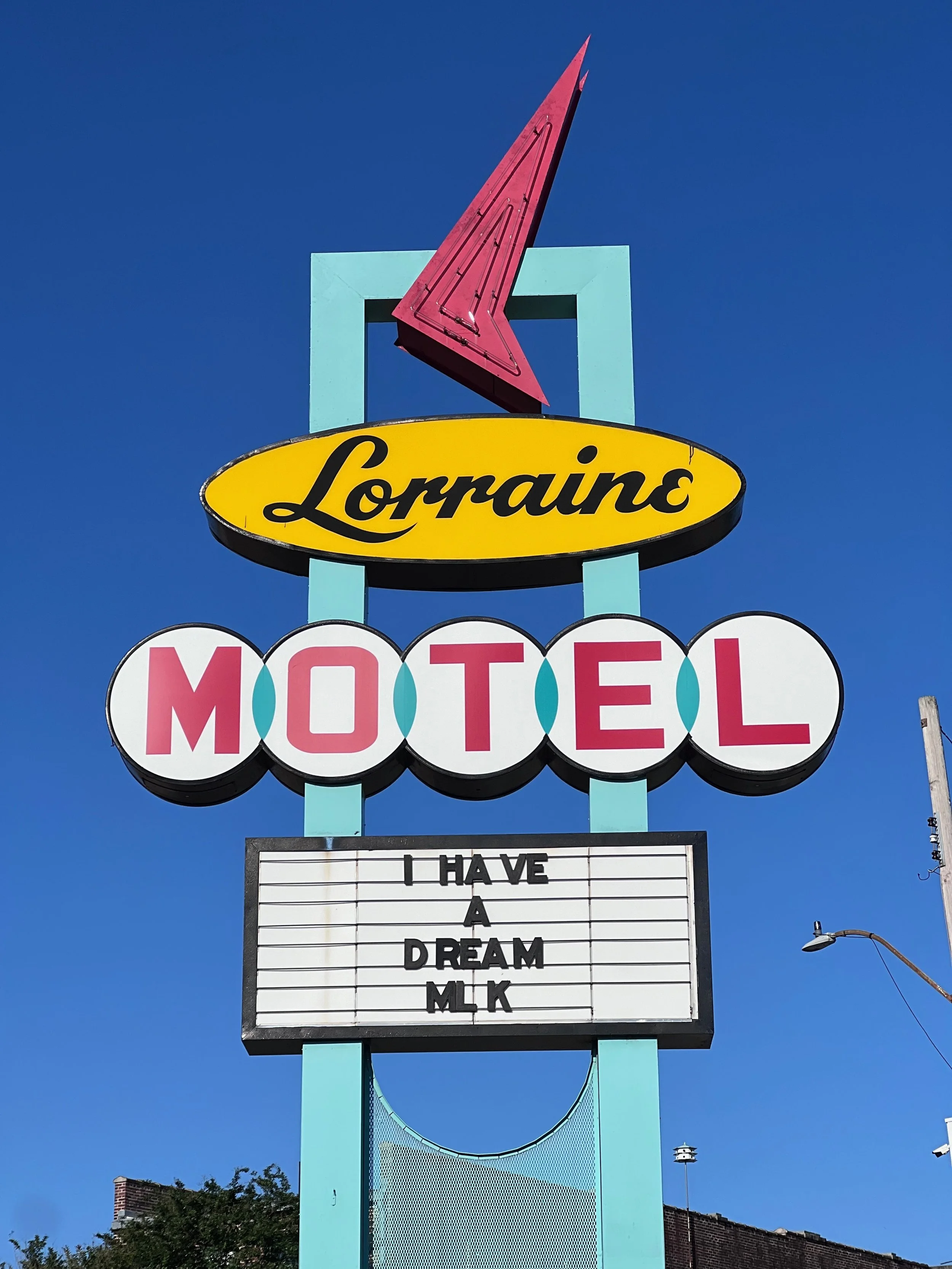
Lorraine Motel, Memphis, Tennessee
Frequently Asked Questions
-
That’s the hardest question—because each place leaves a mark. My mind plays a trick on me: after a few weeks, it feels like I lived there, like I belonged. So each stop becomes a kind of home. Panama City, Chicago, Paris, Austin, El Paso, Dayton, Boise, Memphis, Des Moines, Tulsa, Amsterdam, Bogotá… I could go on. They’re all part of me now. Picking one would mean denying the others.
-
I keep a running list of places I want to experience, cities or regions I’m curious about, places I want to better understand. But when it comes time to book, I follow the deal, not the destination. I compare costs and look for off-season or shoulder-season windows where prices drop and crowds thin. That flexibility lets me go deeper for less.
-
Not usually. Monthly rental rates often drop significantly compared to nightly stays. I follow the deal, not the destination, and cook at home to keep costs low. It’s surprisingly affordable when done intentionally.
-
Yes. I work remotely, so I vet each location for strong Wi-Fi and a proper workspace. I also stay mindful of time zones and my client's needs. Slow travel works because it’s planned around those priorities.
-
Sometimes. But I build routines quickly, including mapping my neighborhood, finding local cafés, and creating a sense of ‘home.’ And by choosing places near friends or family, I’ve actually spent more quality time with the people I love.
-
Absolutely. It’s made me more adaptable, more observant, and more reflective about what “home” means. Living in someone else’s space, in a new place, reveals what really matters.
-
Deeply. Living in places long enough to listen and learn—not just visit—has shifted how I think about everything from inequality to climate to migration to the narratives we tell ourselves. For example, it’s shown me how much of America’s story is still untold or undertold.