Finding Home
Sometimes the life you’re living is too small for the questions you carry.
In 2022, with both of my sons off in college, my house fell into a “shrinking quiet.” The kind that settles in through remote work routines—emails, Zoom calls, walks, a movie, a run to Trader Joe’s. The kind that tempts you to surrender to the couch.
And I was afraid. Not of being alone. But of getting smaller. Of my world collapsing into a narrow loop of comfort. I was afraid of the couch.
So I left.
I traded the familiarity and safety net of a zip code for a storage unit and a relentless question:
What’s it really like to live here?
Not to visit. Not to pass through. But to belong.
Since then, I’ve lived in over 40 homes across three continents and 28 U.S. states. No pre-fab itineraries. Just maps I make myself. Research. Instinct. Immersion. Observation. Curiosity. Consequence. A quest of sorts.
An invitation to discover the deeper truths of a place and of myself that led to the Odyssey Framework™—a practice of radical immersion designed to disrupt my own blind spots and find home in the friction of the unfamiliar.
If you want to see what it looks like to search for home slowly, city by city, start here, and then head to Writing for long-form essays from the road.
Odyssey Framework™
-
This is the practice of intentional pattern disruption—entering a new environment stripped of your usual routines to see what remains. It begins with the tactical act of Orientation, where I use Google My Maps to plot the essentials—the neighborhood grocery, a quiet café, the "safe spaces"—to build a baseline of safety.
But the true work happens when I put the map away. By Getting Lost, I lean into the friction of the unfamiliar, challenging the deep-seated questions I carry about a place and about myself. It is the rigorous first step in dismantling the "visitor" lens, trading surface-level tourism for the "Legitimate Peripheral Participation" required to truly belong.
-
This is the week the "stranger" label begins to peel away—not just from the city, but from my own ego. As I master local rhythms like the markets in Cincinnati or Bogotá or the morning rush in Chicago or San José, the deeper shift is one of adaptability. I am forced to navigate the trial and error of a world that doesn't care about my old routines, which serves to disrupt the blind spots and rigid assumptions I brought with me.
It is a deliberate move from visiting to belonging. Whether I am in a new country or my own neighborhood, this phase teaches me to stop trying to "conquer" my surroundings and instead let them shape me. By participating in shared rituals—like the 5:30 AM pulse of a city or a quiet afternoon in a park—curiosity transforms from a hobby into a way of living. I am no longer an observer; I am discovering that there is majesty in the ordinary rituals we often overlook
-
This is the week of that disorienting moment where my mind plays a trick, convincing me I’ve lived here for years and am a true part of the community. As I grow attached to this temporary home, the physical act of listening becomes visceral. I continue to seek out the "off-script" conversations that challenge the headlines I brought with me, forcing me to confront the dissonance between my expectations and the lived realities on the ground.
It is the Double-Loop Learning phase: a period of radical self-inquiry where I must wrestle with my own blind spots. Whether I am reckoning with the historical fractures of in places like Tulsa and Memphis or the exhilarating heights of a celebration in Bogotá or Austin, the question is no longer "What is life like here?" but "What if I was wrong?". Even as I begin to plan the next destination, I am pinned to the present, and forced to admit how this place has fundamentally dismantled the narrative I once called home.
-
This is the week where I must reconcile the deep emotional and psychological attachment I’ve built with the necessity of letting go. It is a period of high-frequency "feels” or navigating the tension of releasing a community that now feels like home while simultaneously fueling the excitement for the next home. This is where lived experience translates into actionable insight and personal wisdom.
As I pack, I evaluate not just what I’ve learned about this place, but what I’ve successfully unlearned about myself. I leave each place fundamentally changed, realizing that home is not a physical address I leave behind, but a state of being I carry with me. I move forward knowing that "here" was enough, and that the next destination is simply another invitation to see the whole story clearly.
Photo Essays on Place, Memory, and Identity
The Places Between
-
![]()
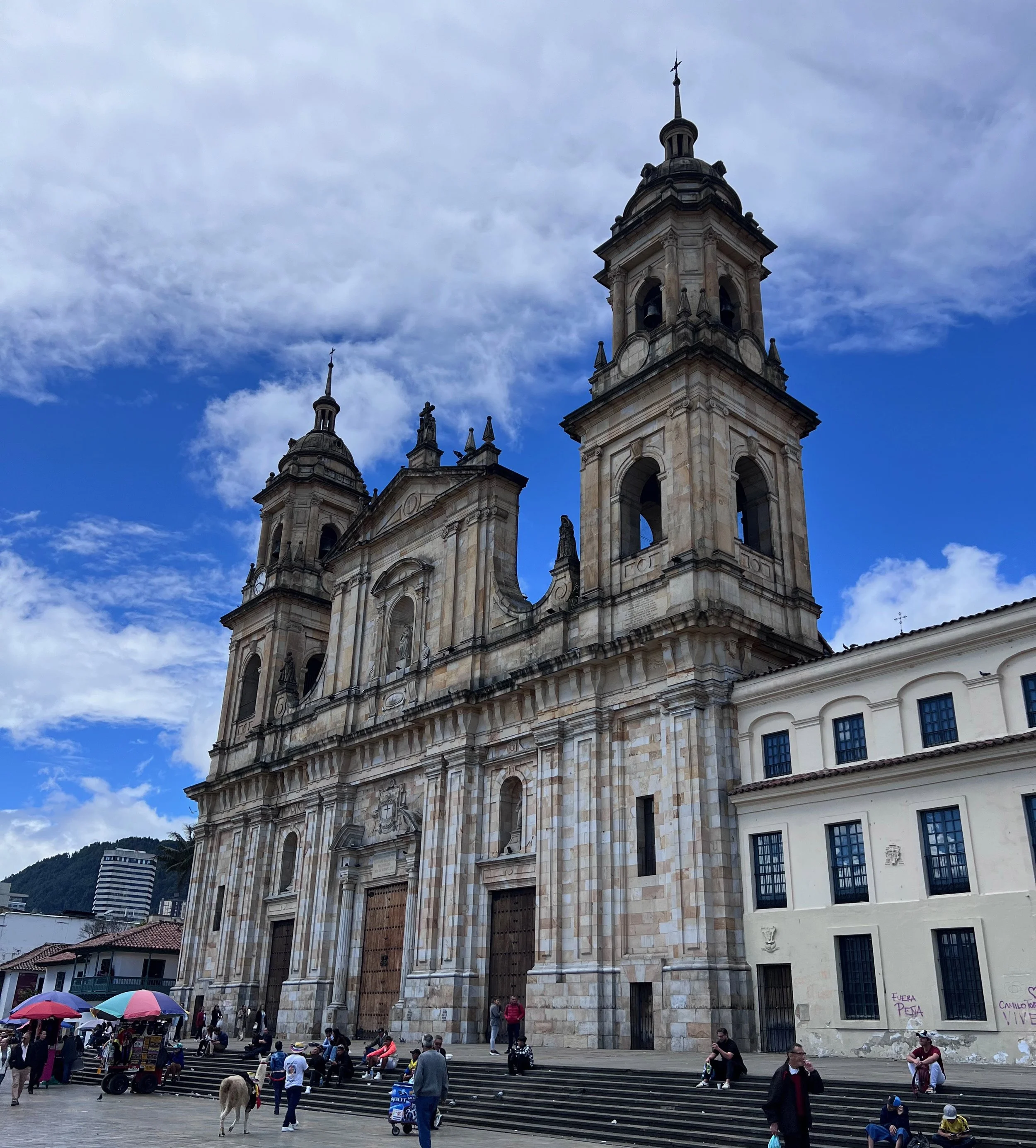
Catedral Primada de Colombia, Plaza de Bolívar, Bogotá, Colombia
-
![]()
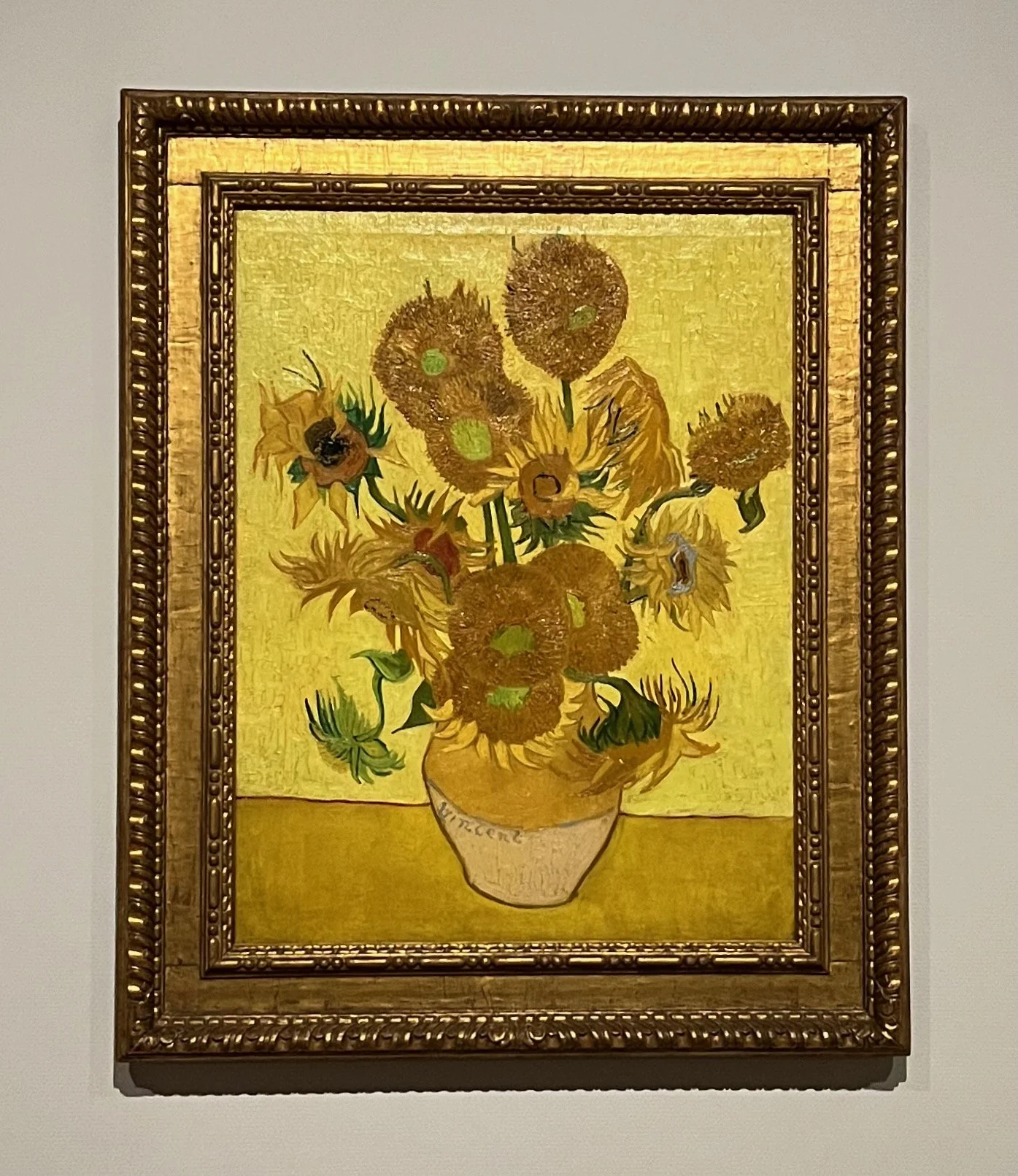
Sunflowers, Van Gogh Museum, the Netherlands
-
![]()
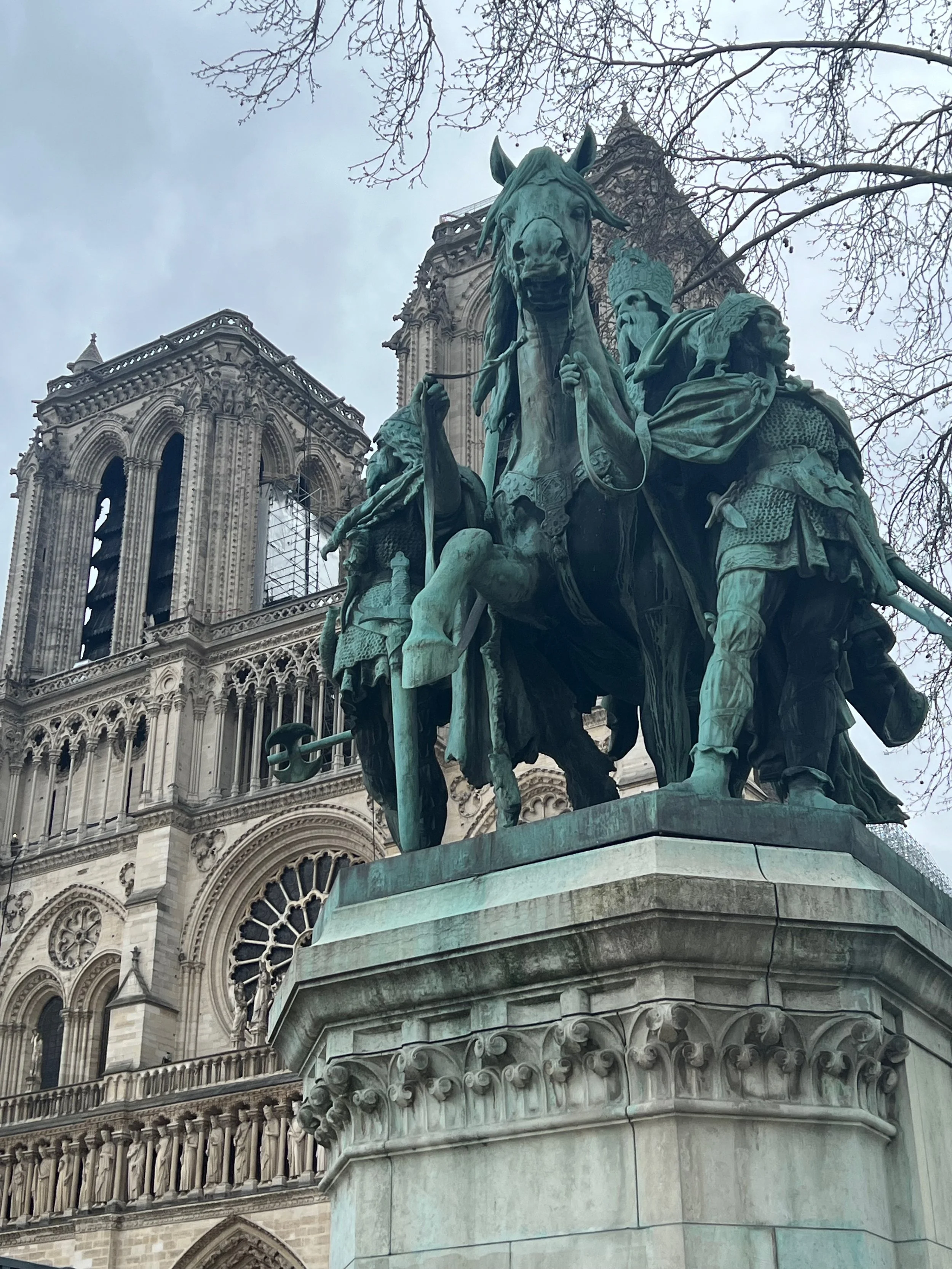
Notre-Dame Cathedral, Paris, France
-
![]()
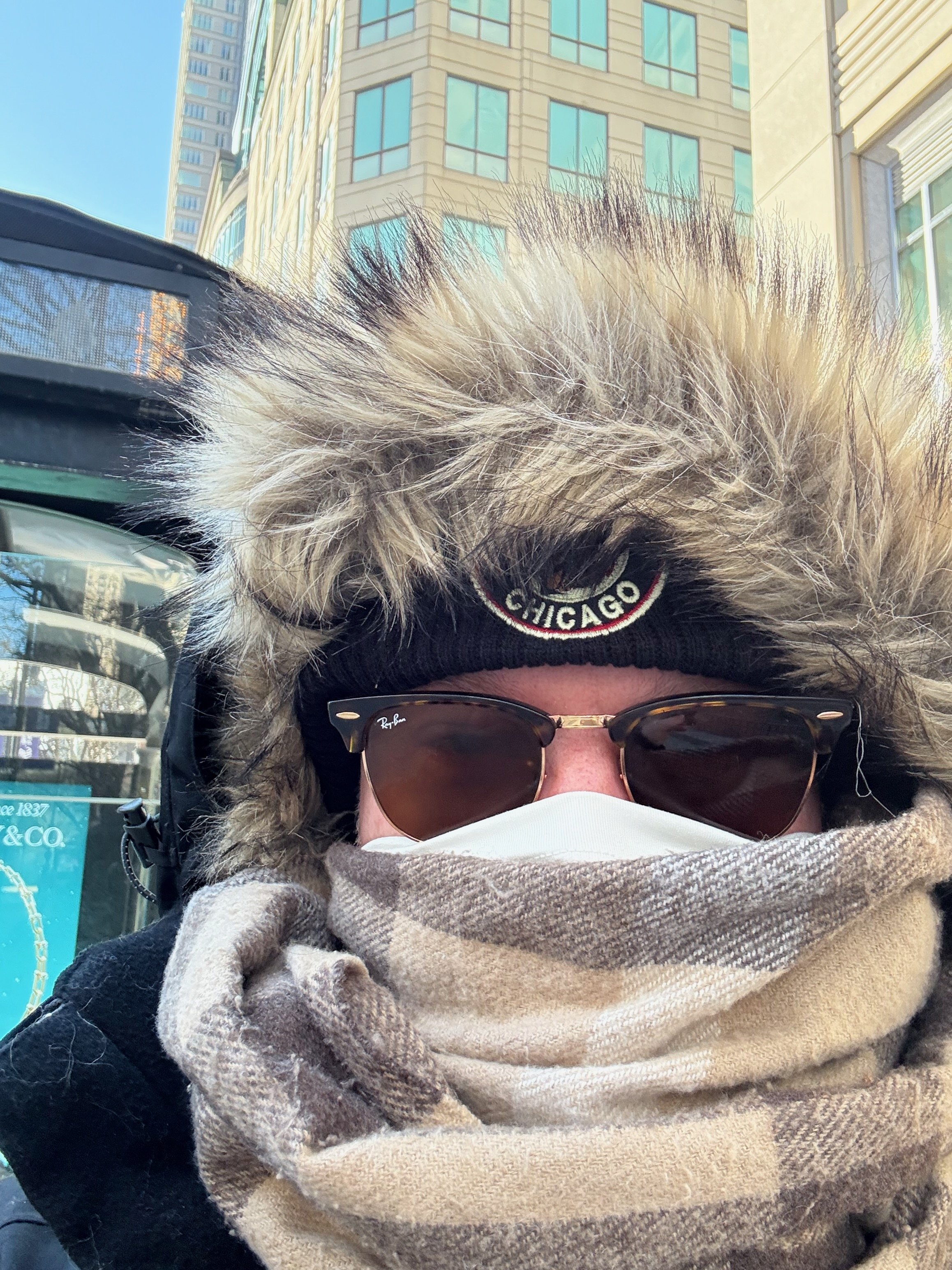
Winter on Michigan Avenue, Chicago, Illinois
-
![]()
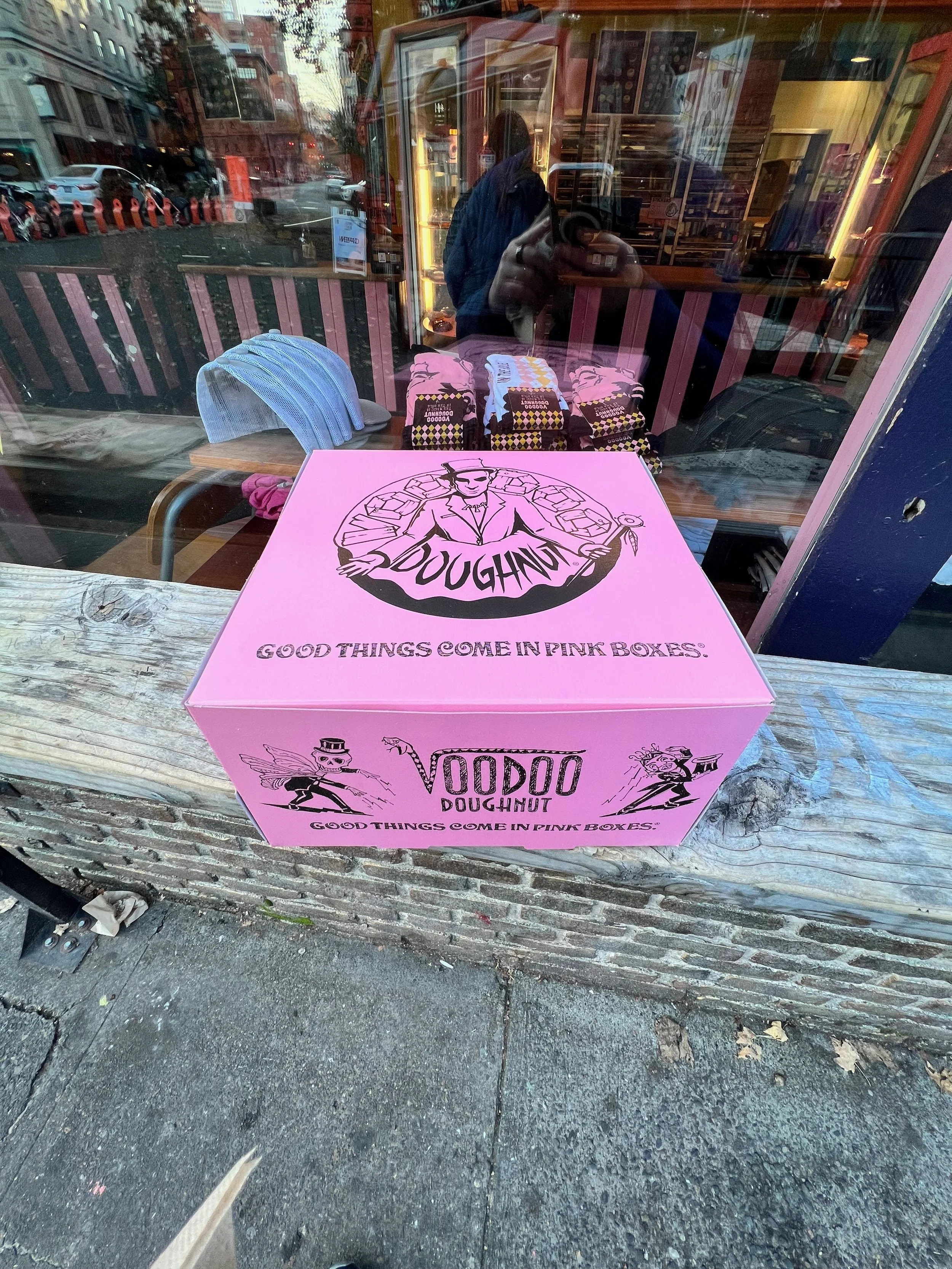
Voodoo Donuts, Portland, Oregon
-
![]()
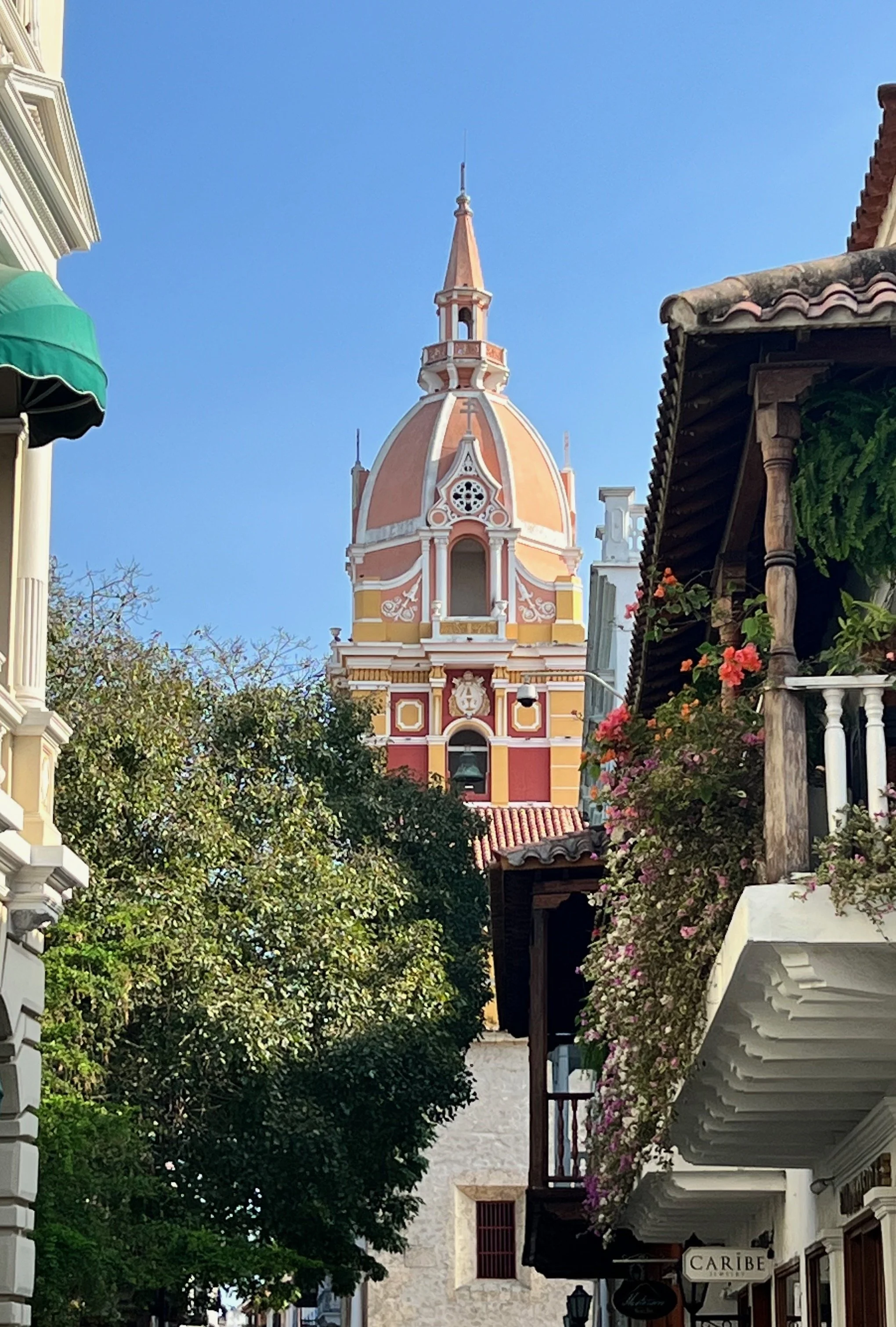
Catedral de Santa Catalina de Alejandría, Cartagena, Colombia
-
![]()
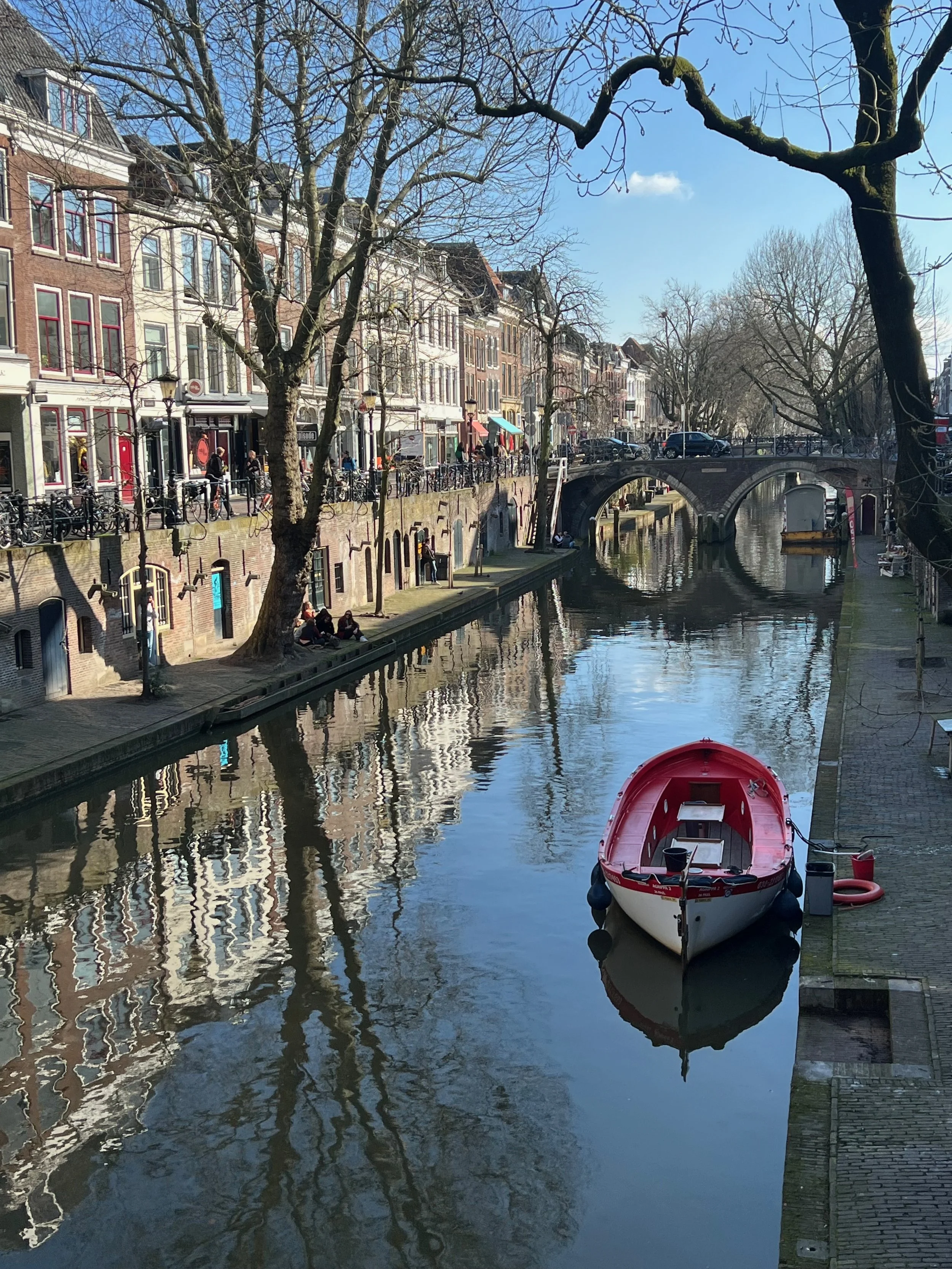
Oudegracht (Old Canal), Utrecht, the Netherlands
-
![]()
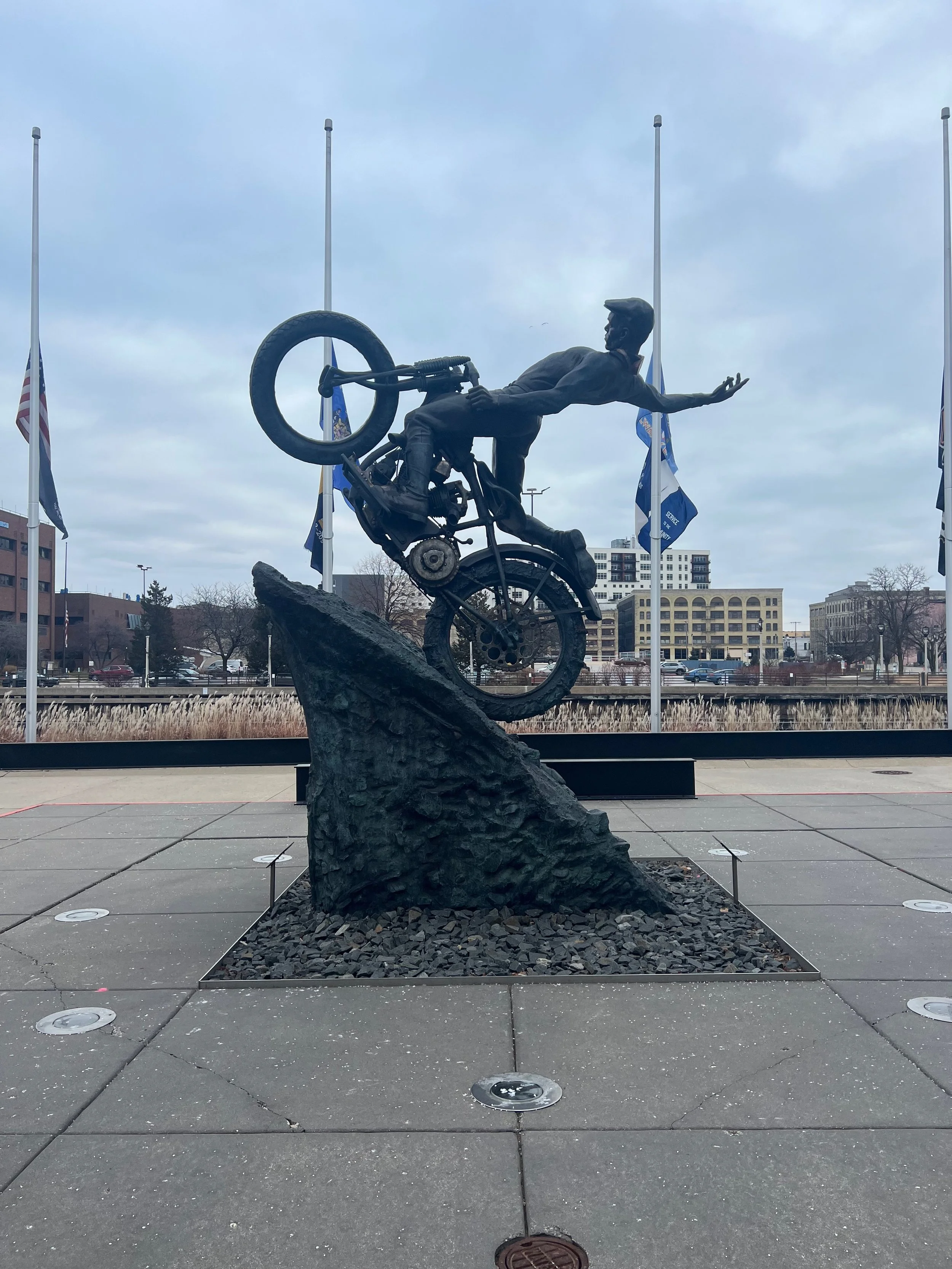
"The Hillclimber," Harley Davidson Museum, Milwaukee, Wisconsin
-
![]()
Panama Canal, Panamá