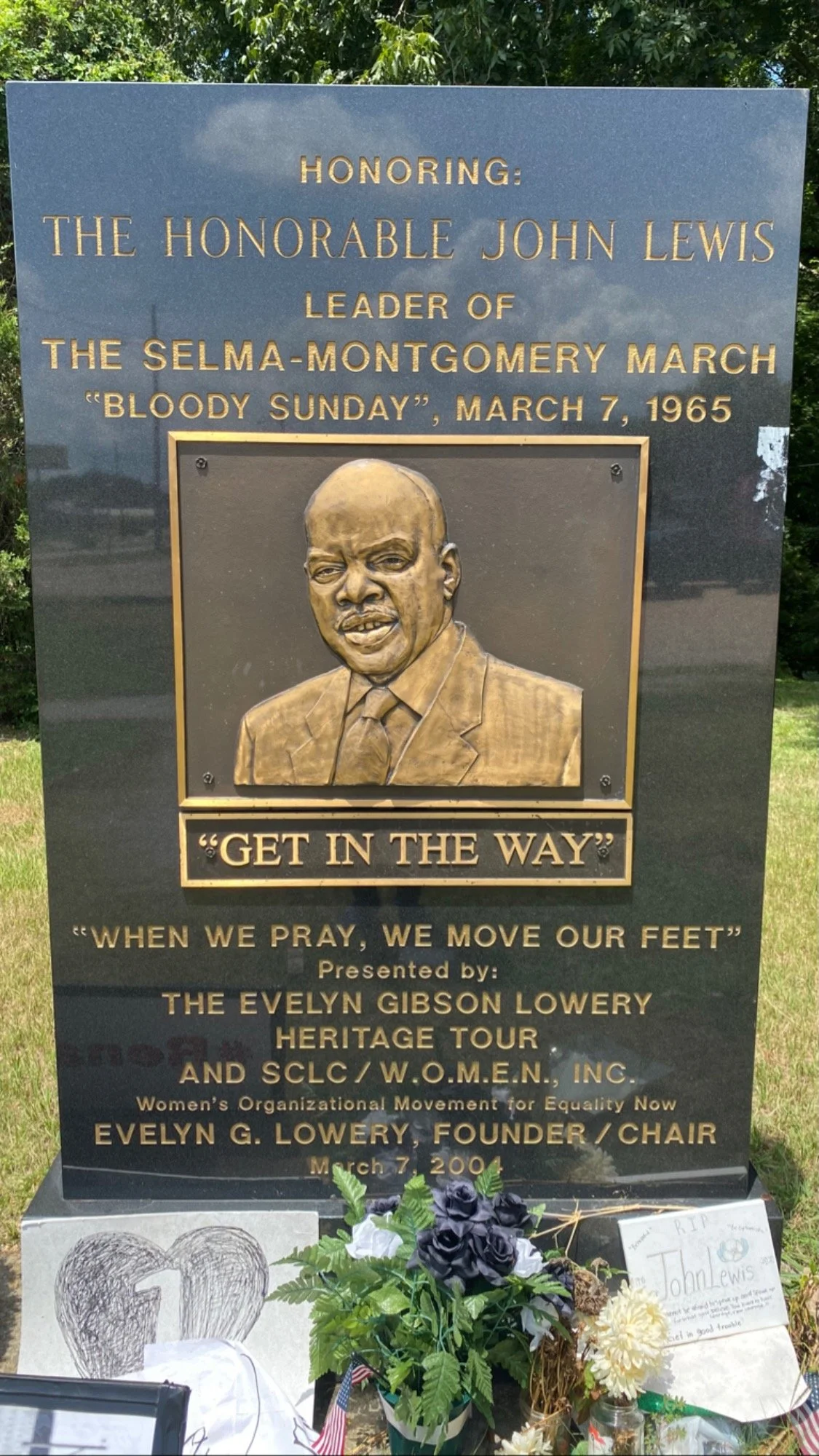
The Evidence of Belonging
When you live without a fixed address, you begin to look for anchors in unexpected places.
Street signs. Historical plaques. Protest markers. The names of schools and cemeteries and forgotten corners of towns. I didn’t set out to document them. But over time, a pattern emerged. These weren’t just signs. They were signals. They reminded me that identity, place, and memory are always connected.
Over the last three and a half years, I moved slowly through cities and backroads across three continents. I wasn’t always searching for landmarks. I was searching for coherence. And in the absence of home, I found myself drawn to the names and markers that helped me remember who I had been. They surfaced memories I didn’t know I needed. They helped me process. In some cases, they helped me begin to heal.
By tracing my own patterns, I began to see how others do the same. The ways people connect to place—through memory, through pain, through pride—are never just symbolic. They are inherited. They are cultural. They are collective. They are personal. They are real.
These images are not just souvenirs. They are evidence. Markers of where I paused, what I noticed, and what I needed to remember. Each one holds a deeper question. What memories of place shape our identity? What memories shape our sense of home? What does it mean to belong to a place that has never stood still? What names do we protect? What stories do we silence? What patterns keep repeating, and what happens when we finally see them?
This is the beginning of an internal map. A way I began to trace the shape of belonging. Not through permanence. Through attention.
Names That Echo
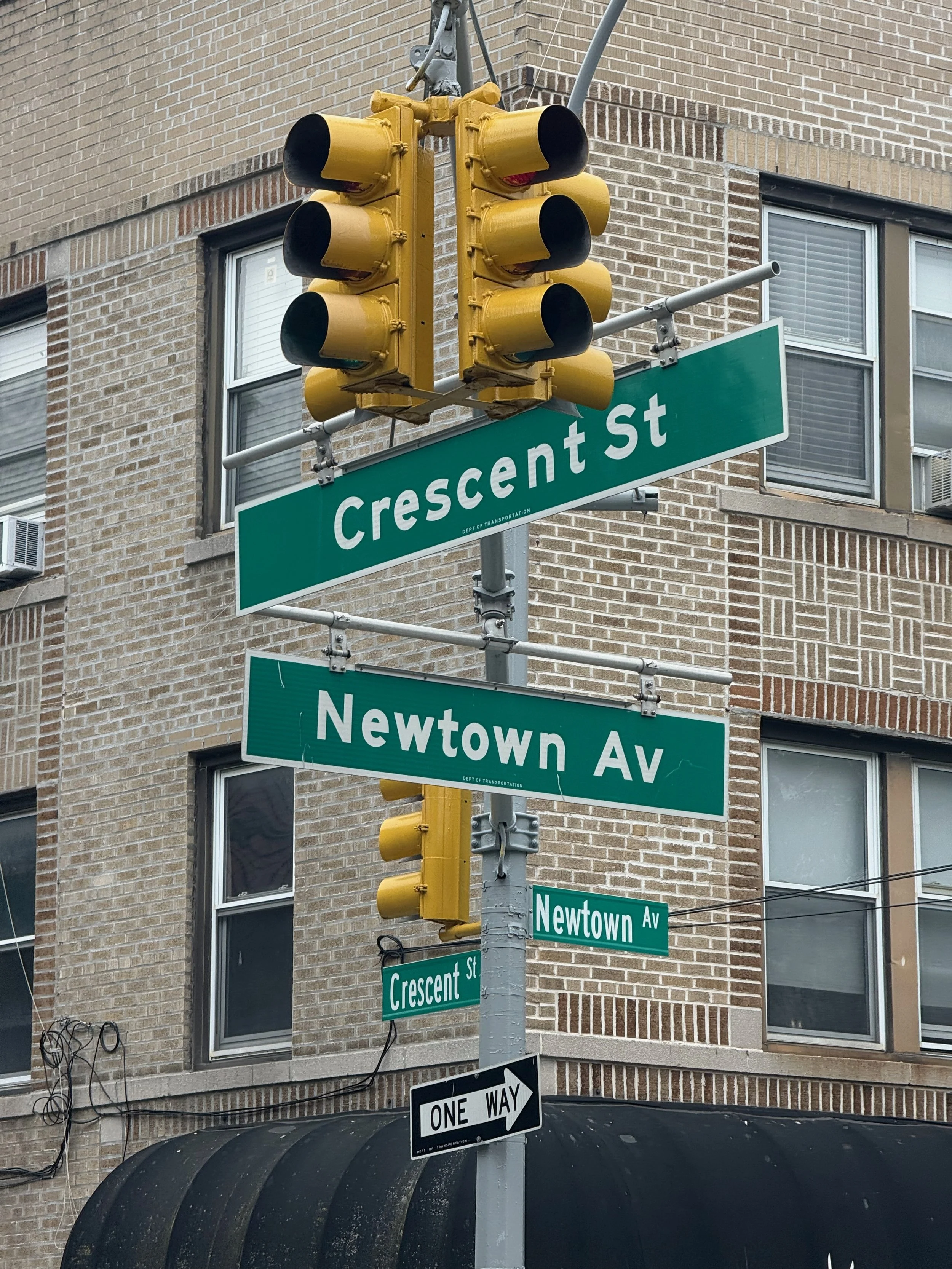
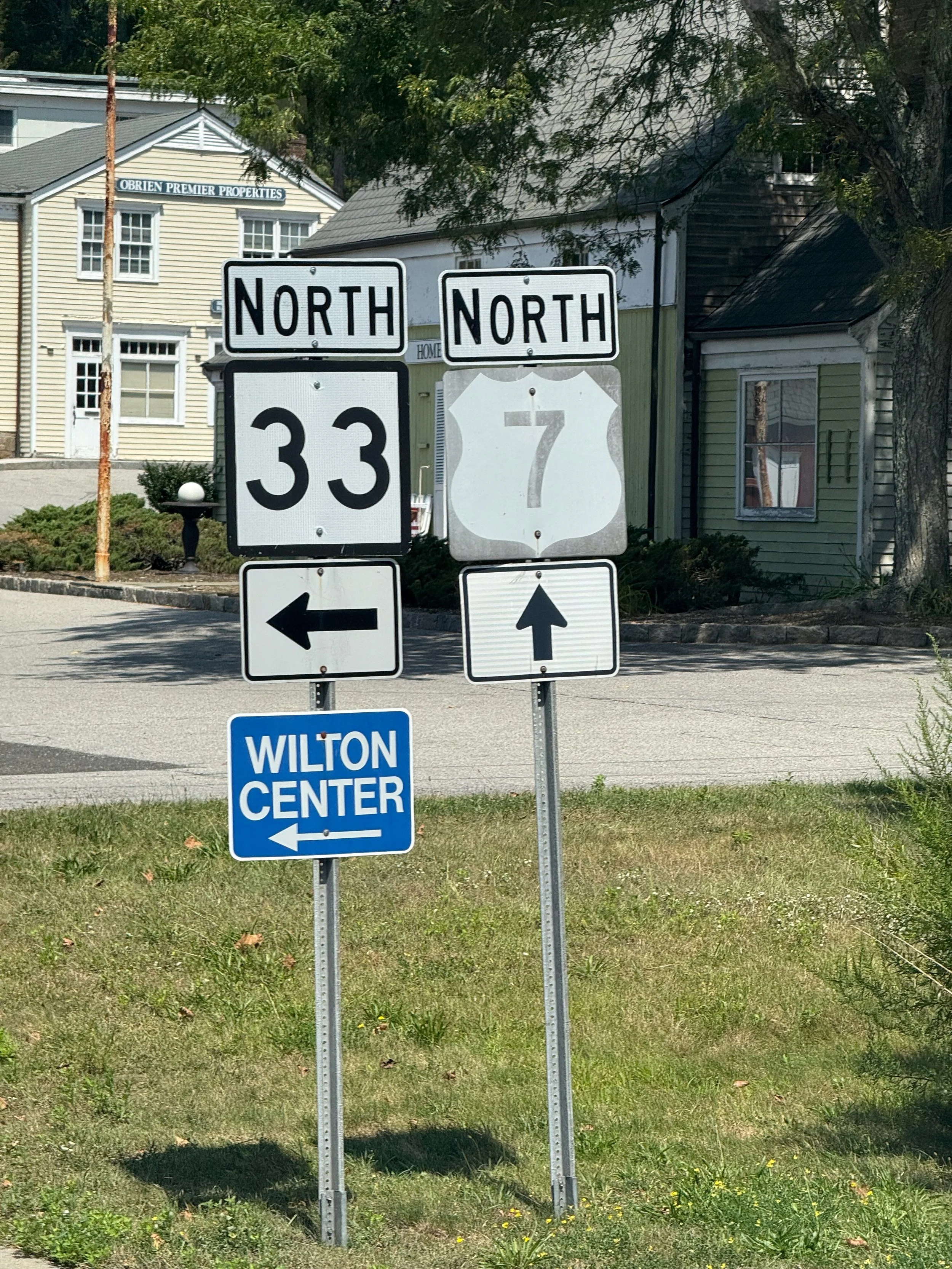
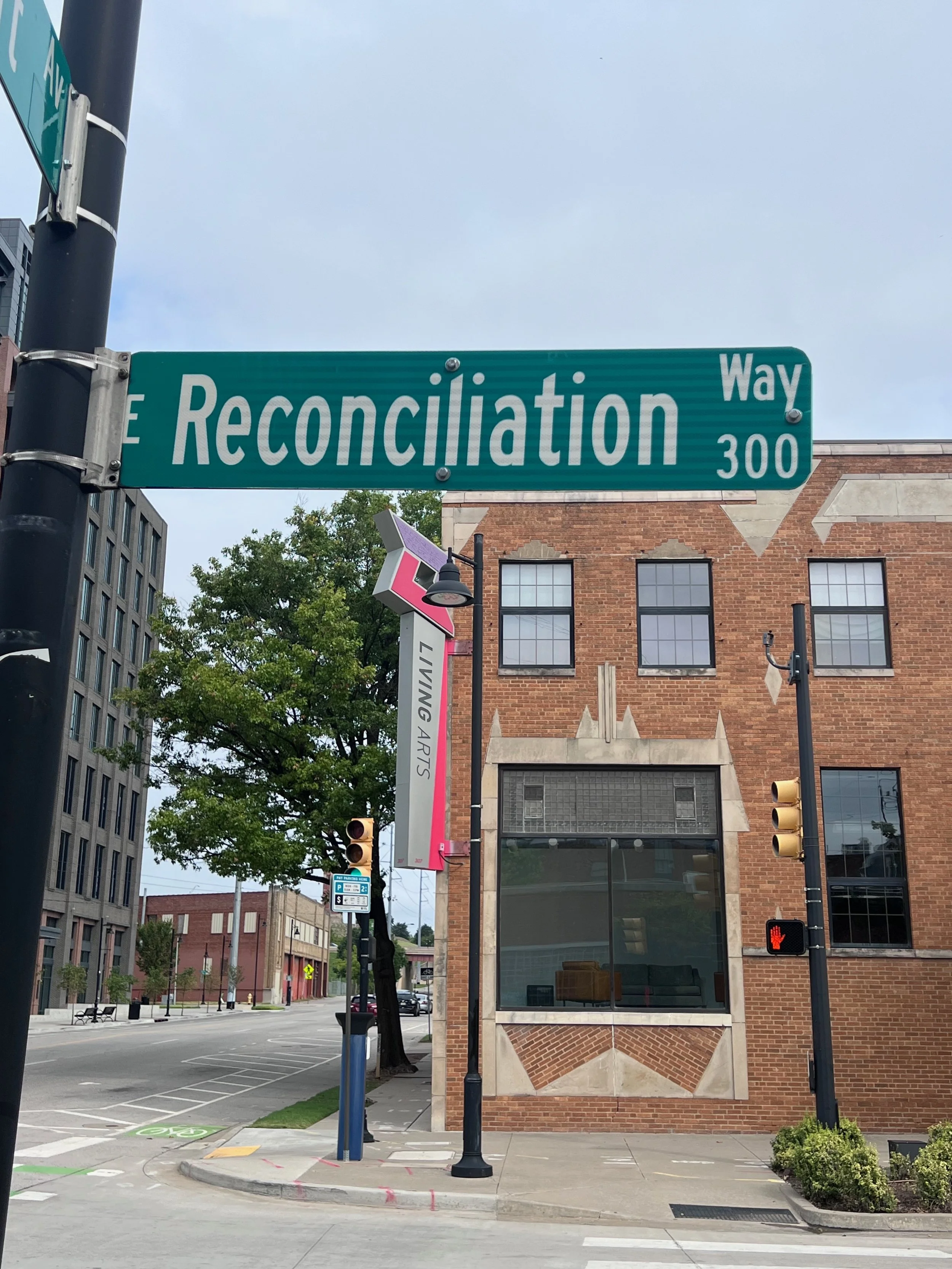
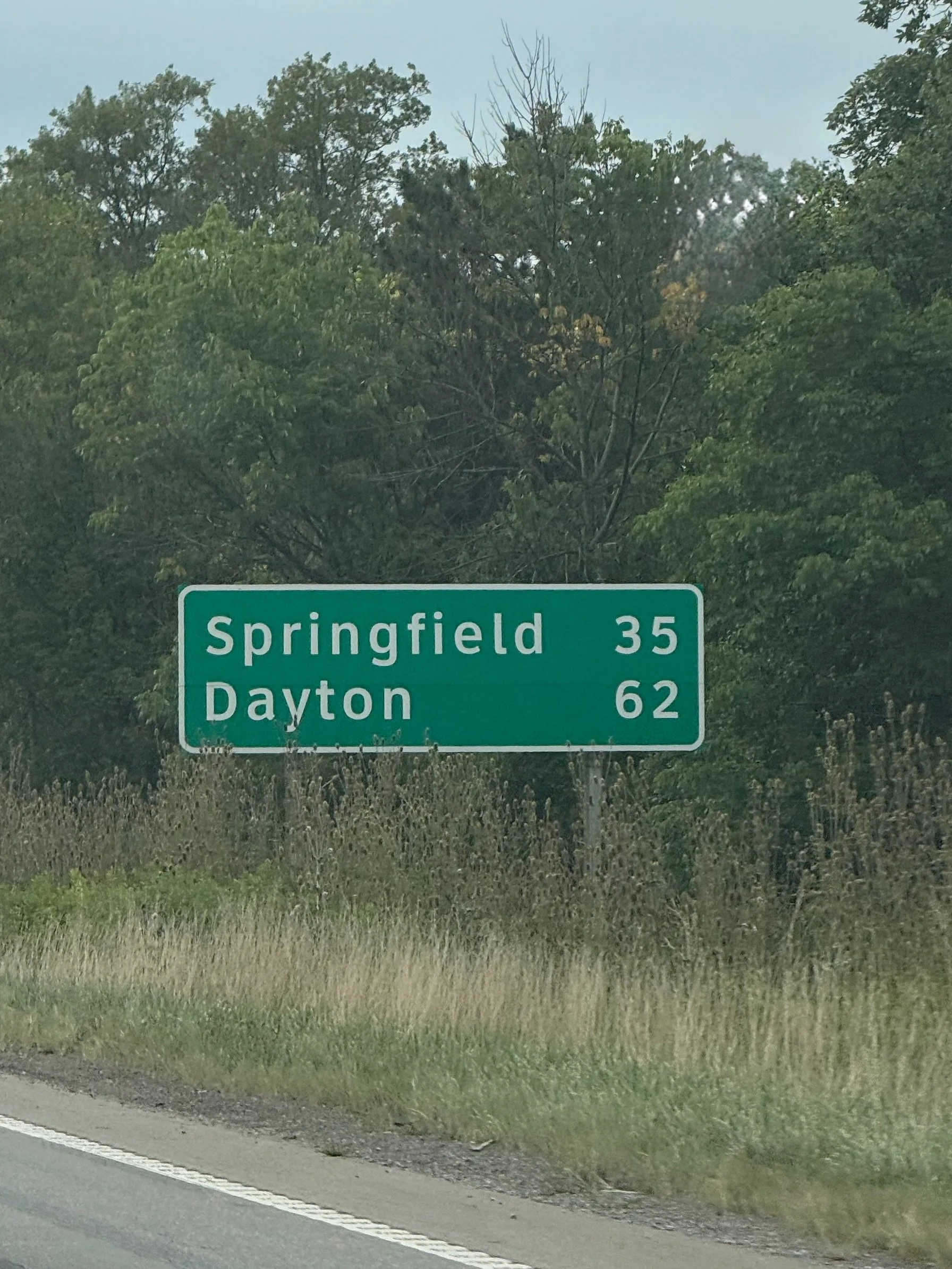
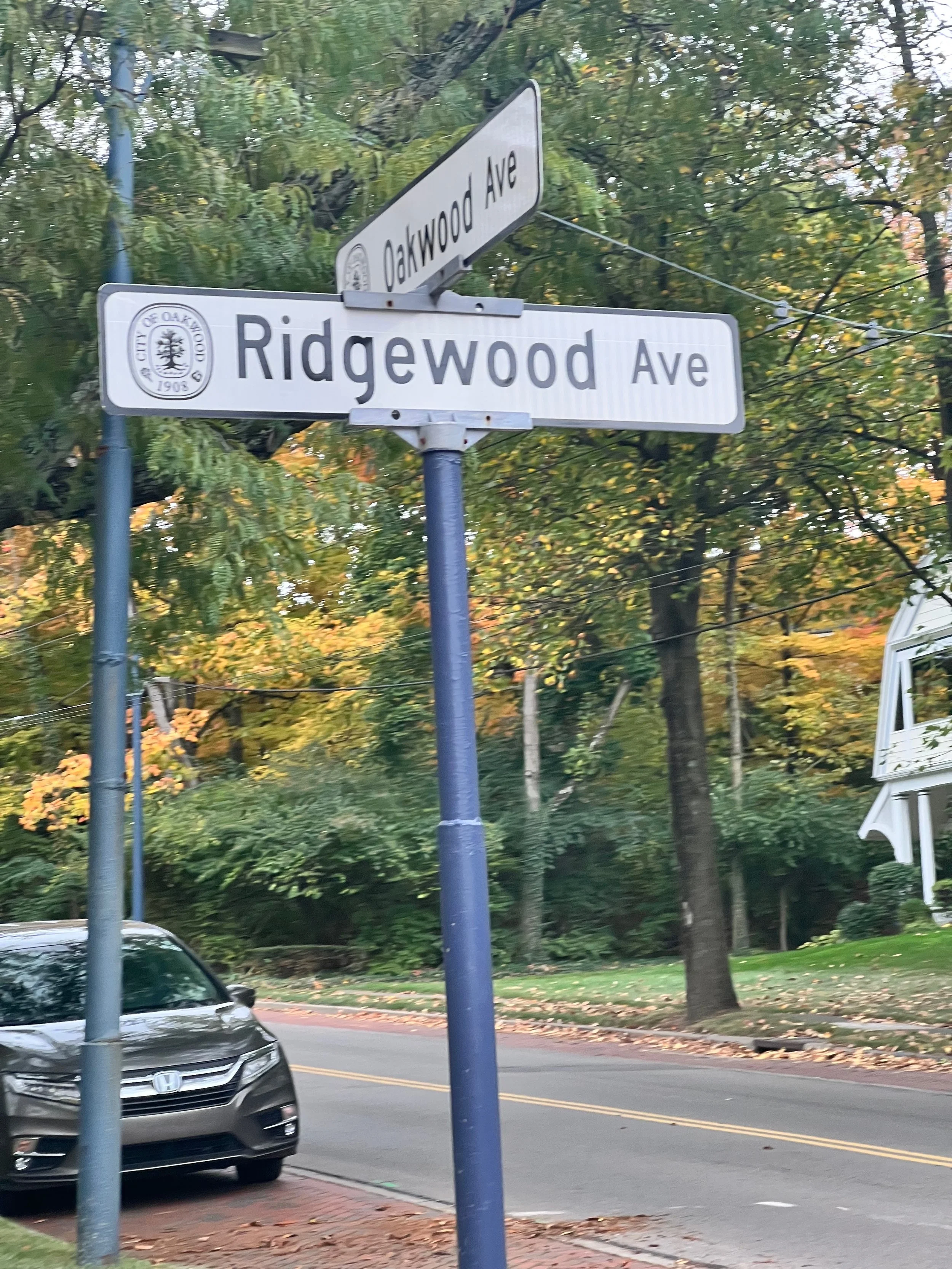
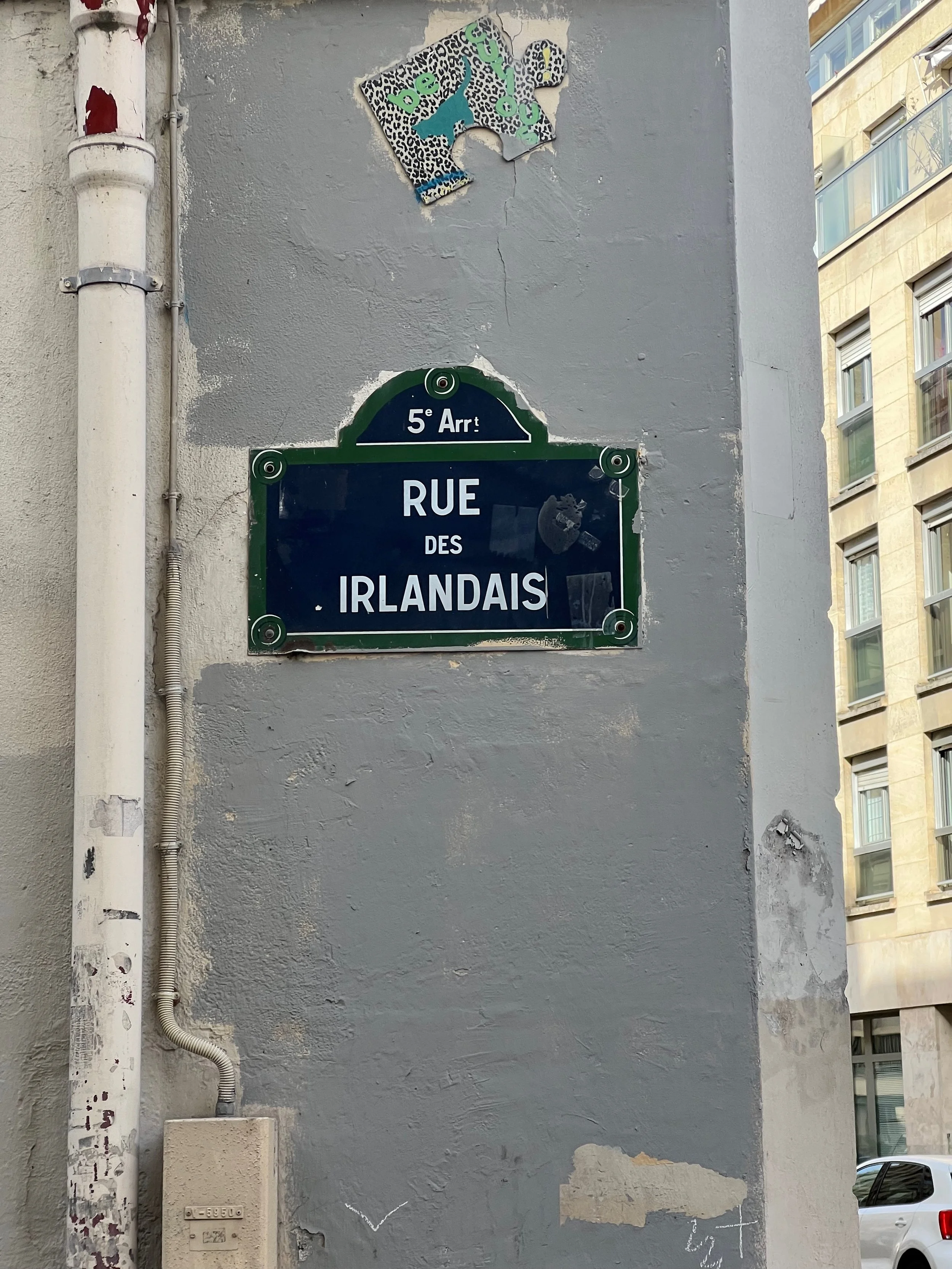
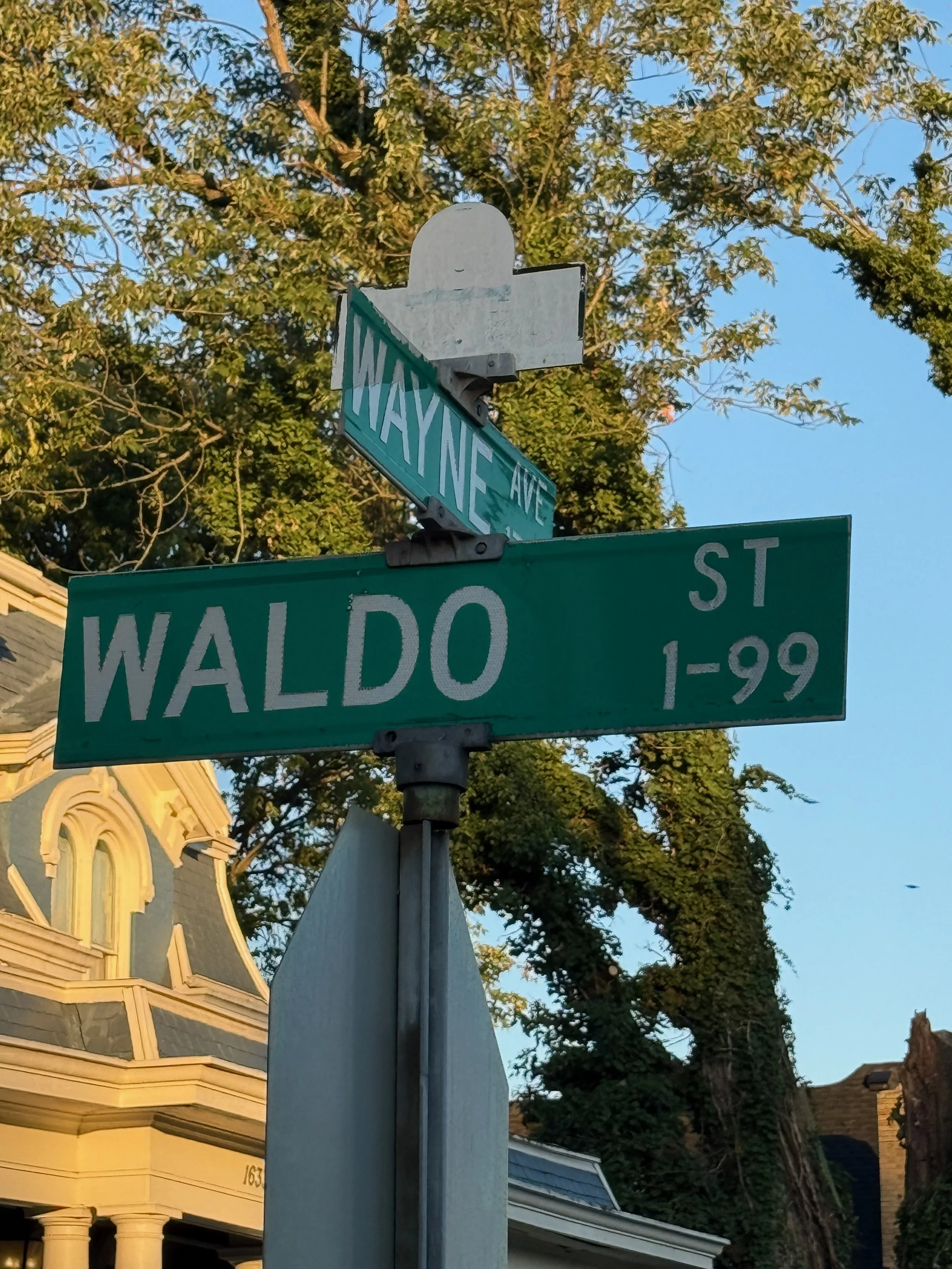
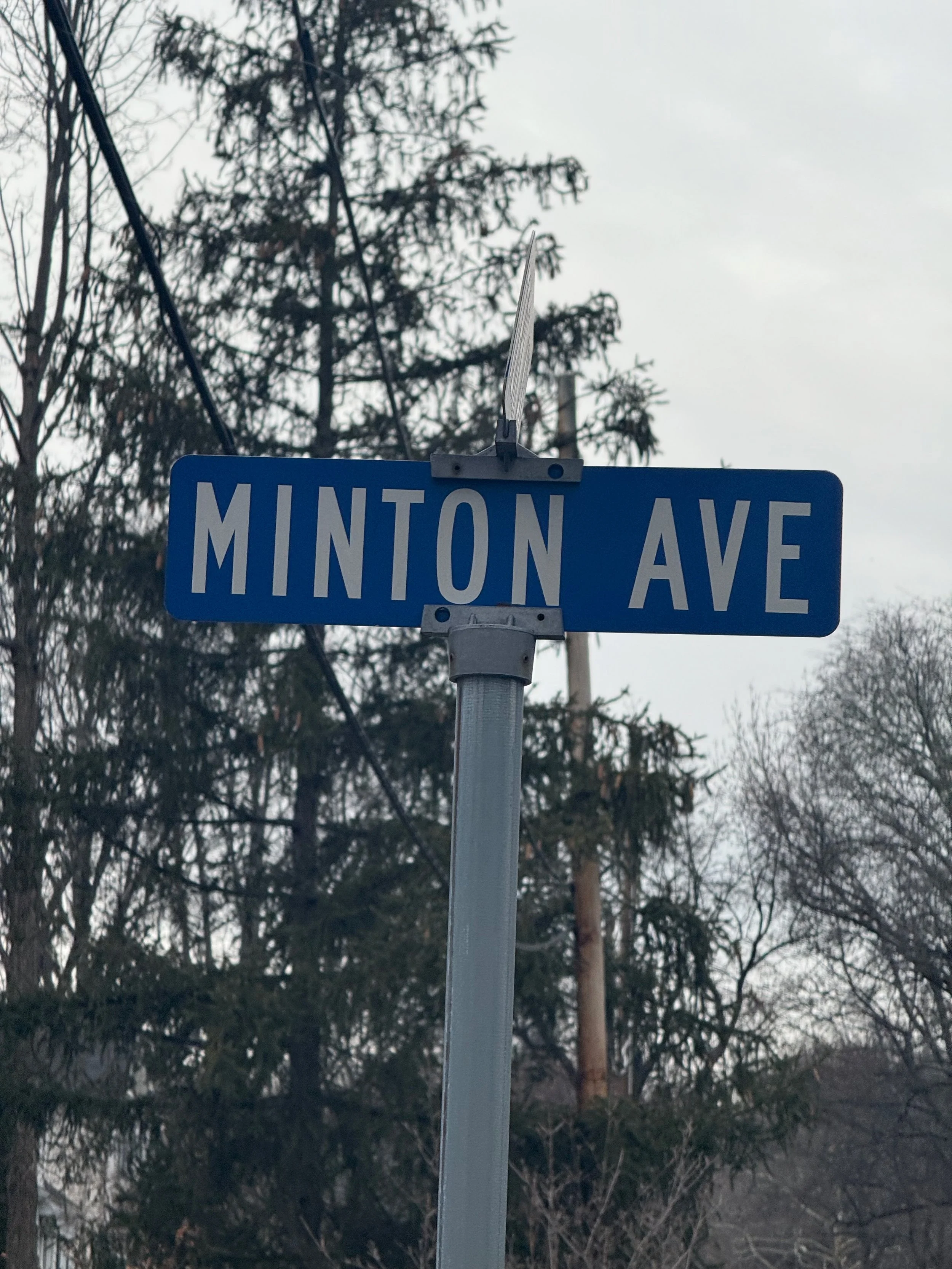
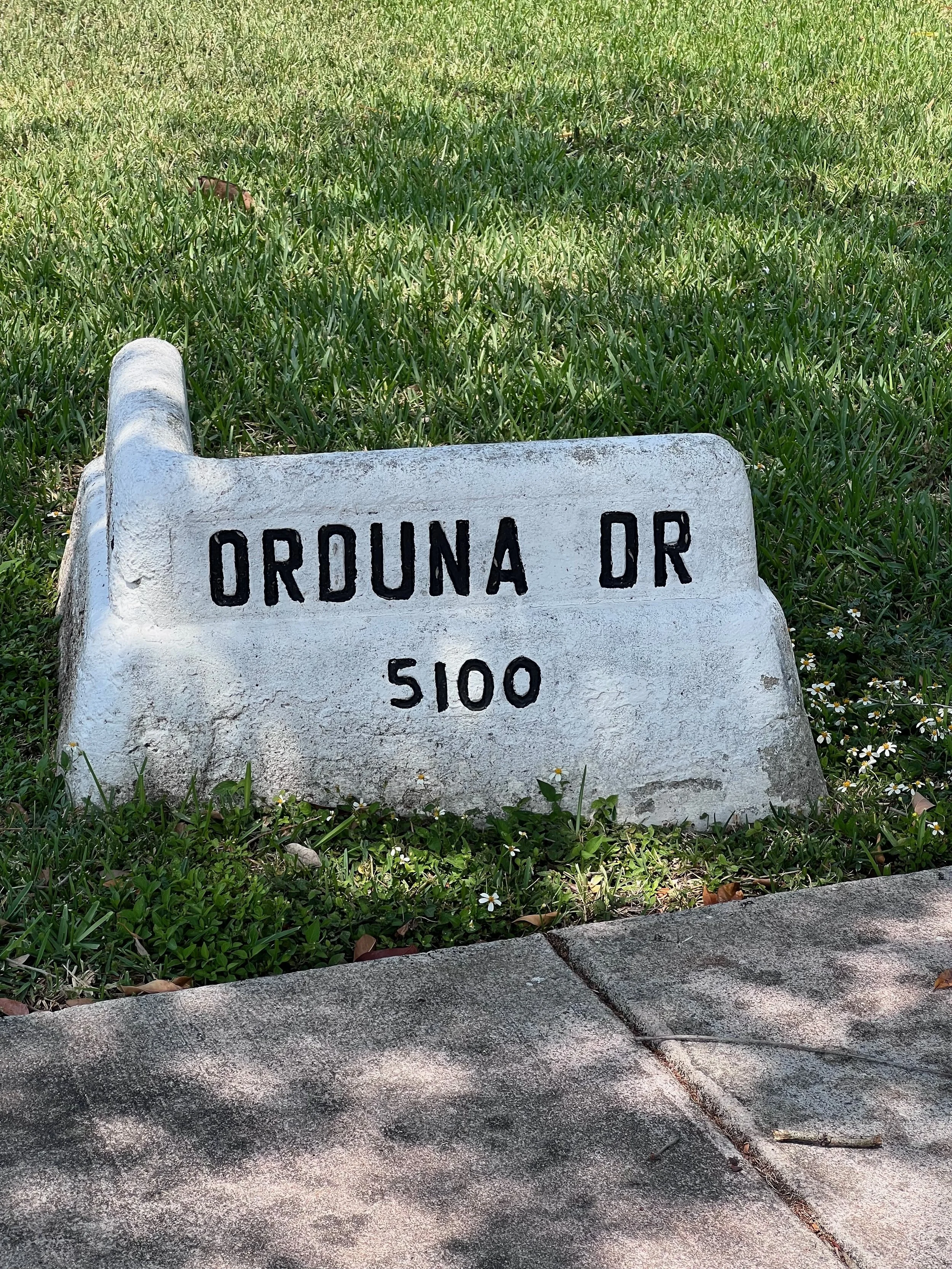
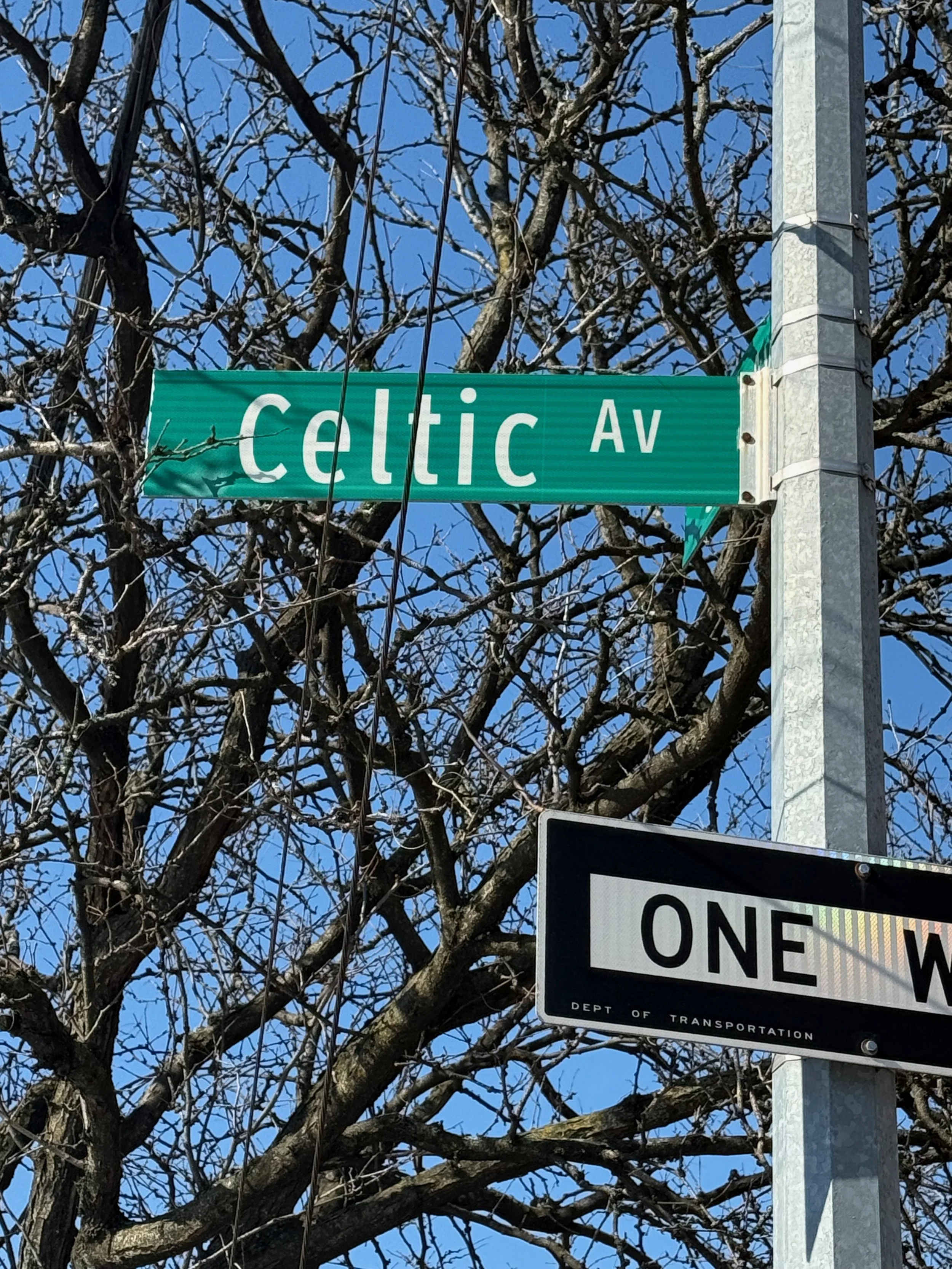
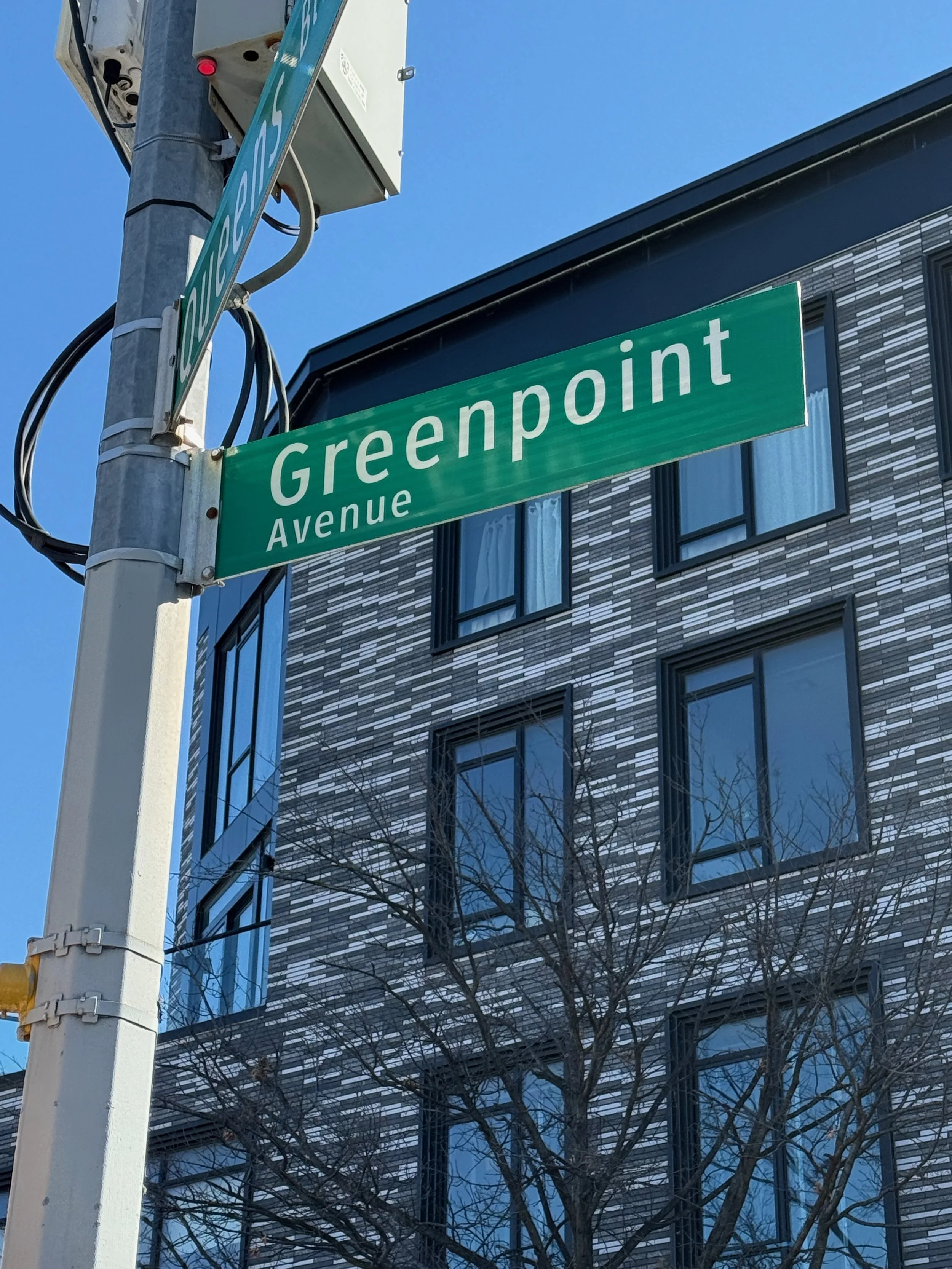
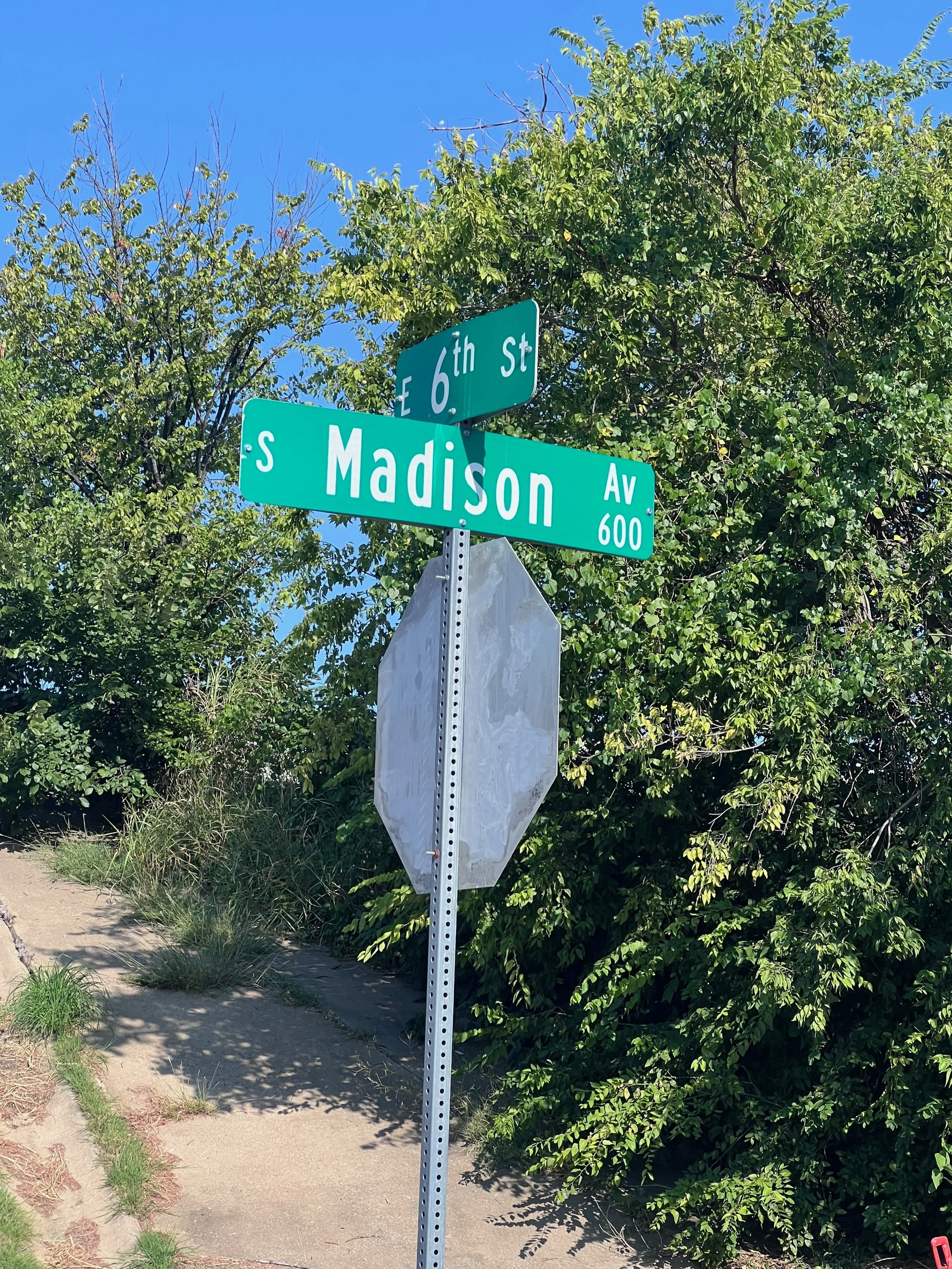
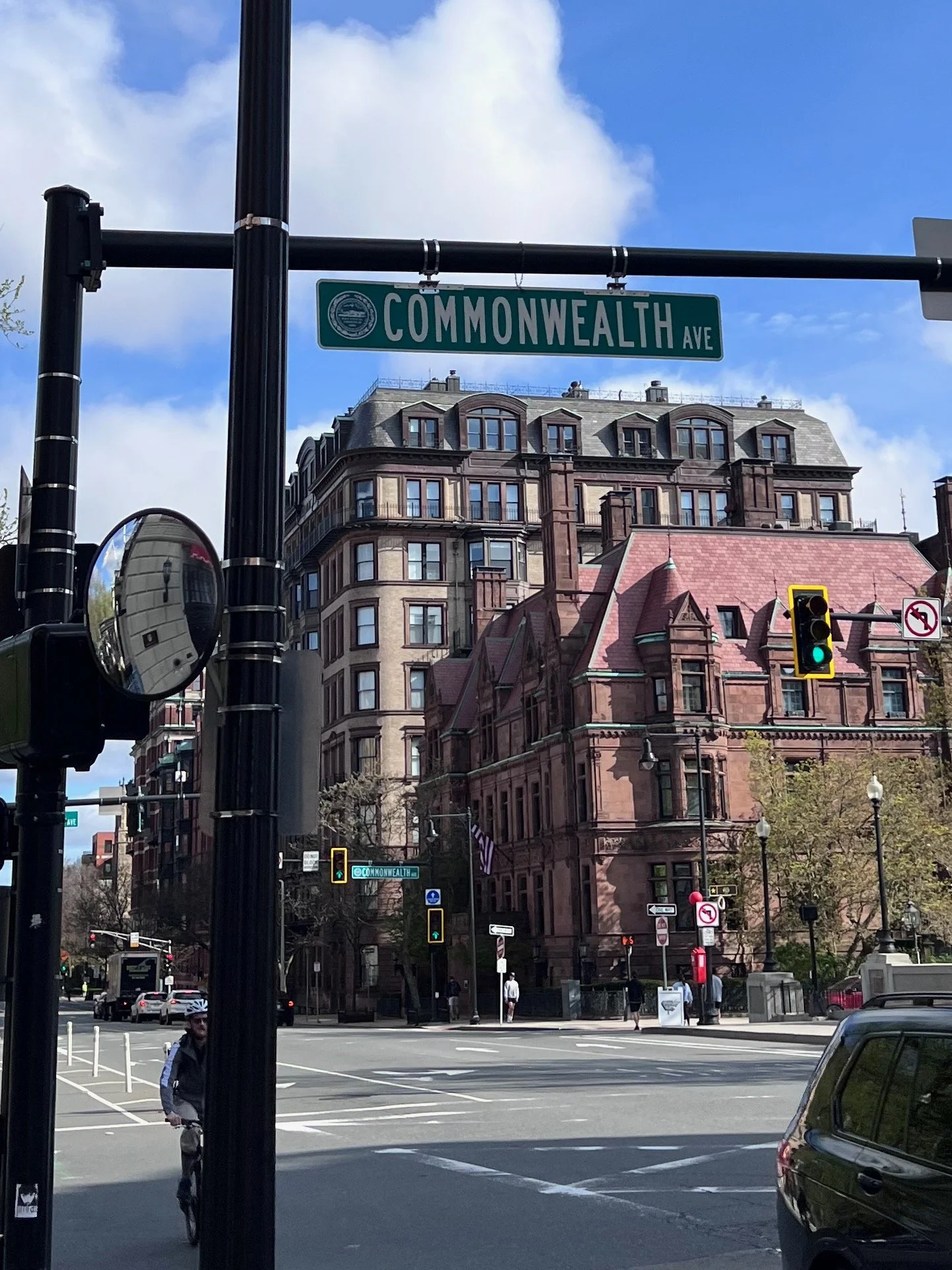
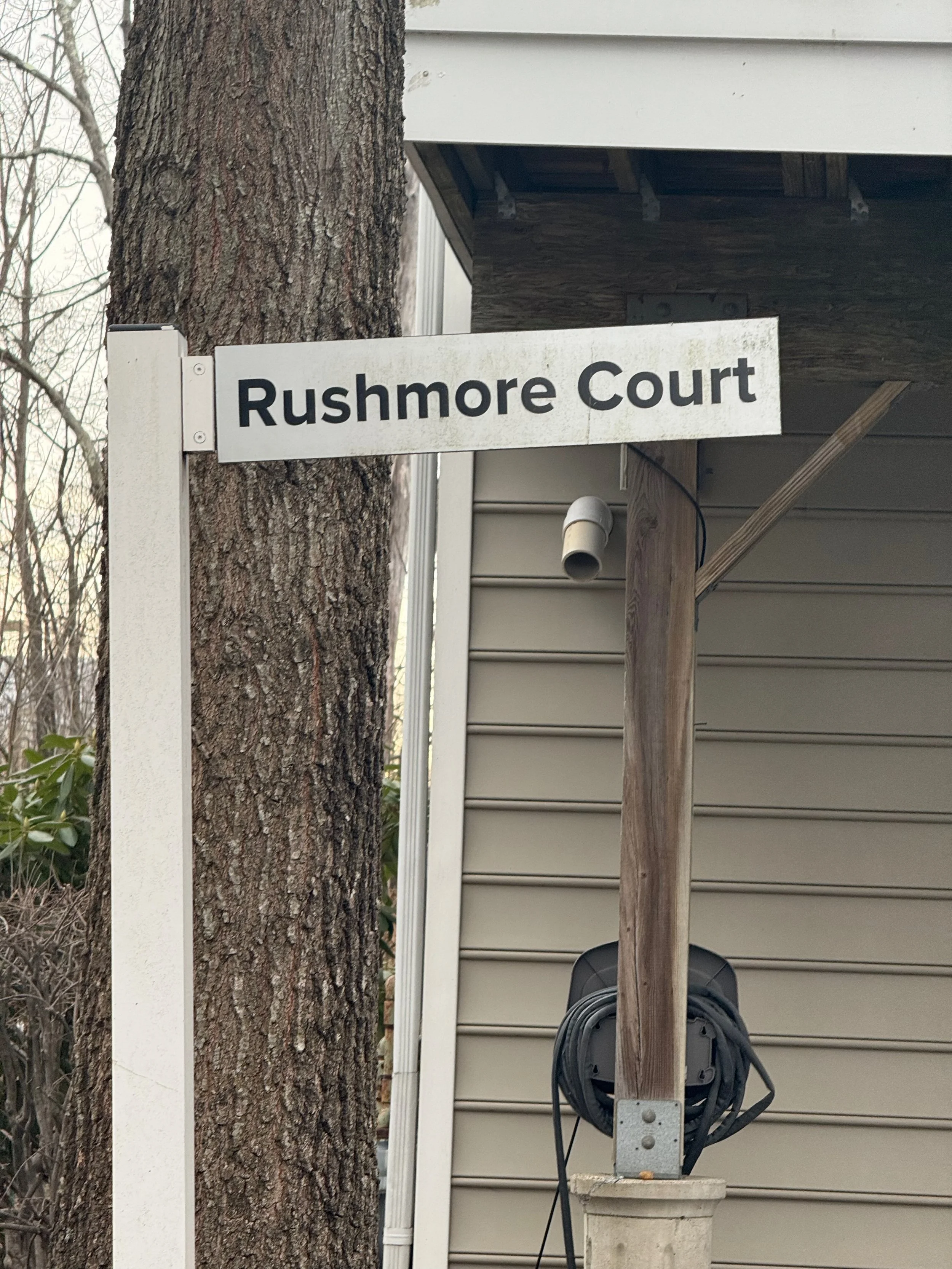
Some of these streets knew my name before I arrived. Others were quiet surprises in unfamiliar places that stirred familiar memories. I began photographing them instinctively: Mills Court, where my grandparents once lived. Hungerford Street, a flash of a sixth-grade classroom. Rue des Irlandais, a nod to my Irish citizenship and diaspora lineage. These weren’t landmarks. They were echoes—of identity, of memory, of home.
But this isn’t just about me. Every name on every sign is also a proclamation by someone: I live here. I belong here. The street signs we pass each day quietly carry someone’s history, someone’s pride, someone’s grief. They are inherited and claimed, named and renamed, personal and collective all at once.
This is deeply personal and universally human. They are coordinates not just on a map, but on the emotional terrain of belonging. To see these signs is to ask: What places remember us? And how do we, in turn, remember them?
-
![]()
Astoria, New York
-
![]()
Wilton, Connecticut
-
![]()
Tulsa, Oklahoma
-
![]()
Route 70, Columbus, Ohio
-
![]()
Dayton, Ohio
-
![]()
Paris, France
-
![]()
Dayton, Ohio
-
![]()
Chatham, New Jersey
-
![]()
Coral Gables, Florida
-
![]()
Woodside, New York
-
![]()
Sunnyside, New York
-
![]()
Tulsa, Oklahoma
-
![]()
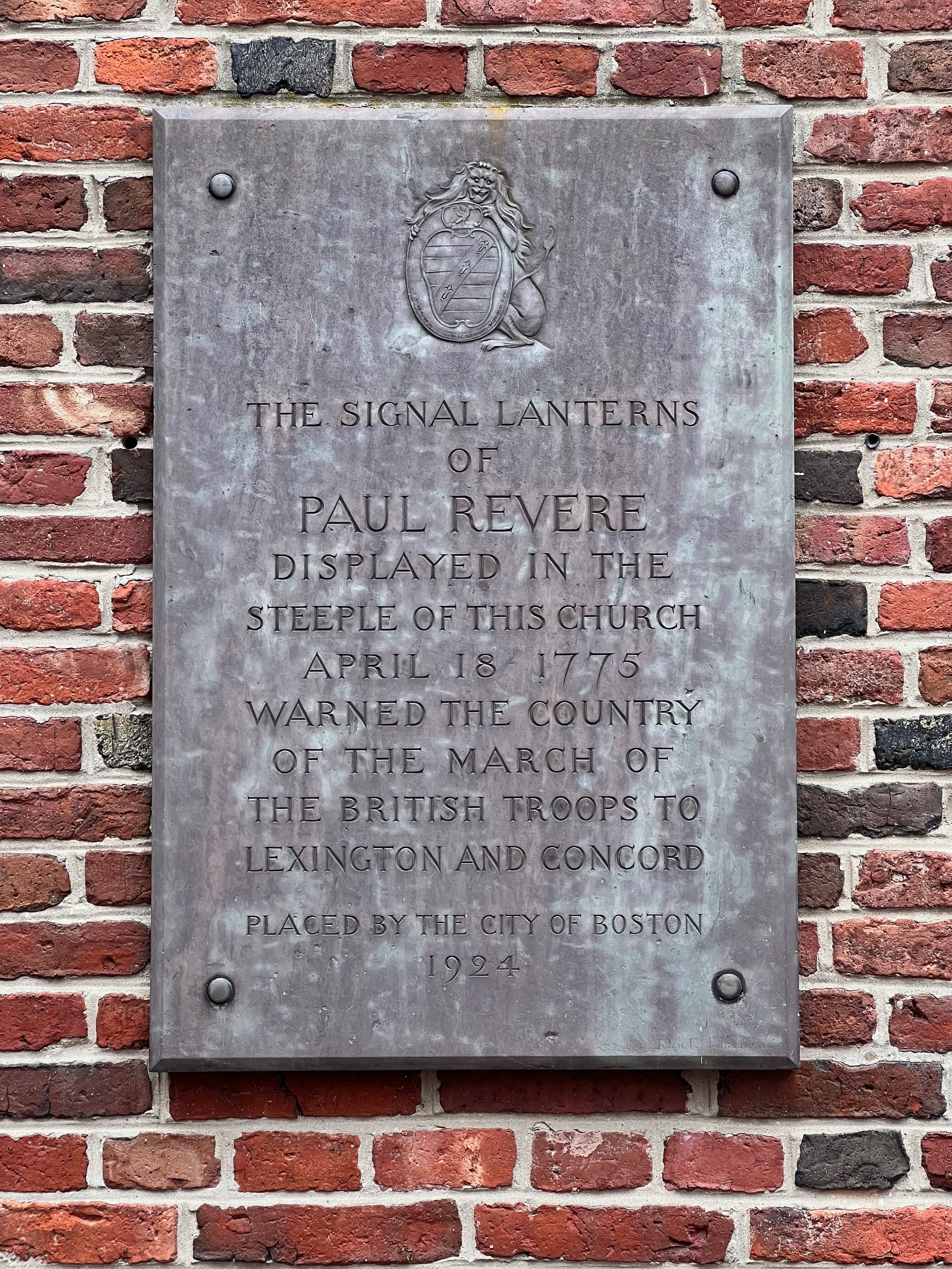
Boston, Massachusetts
-
![]()
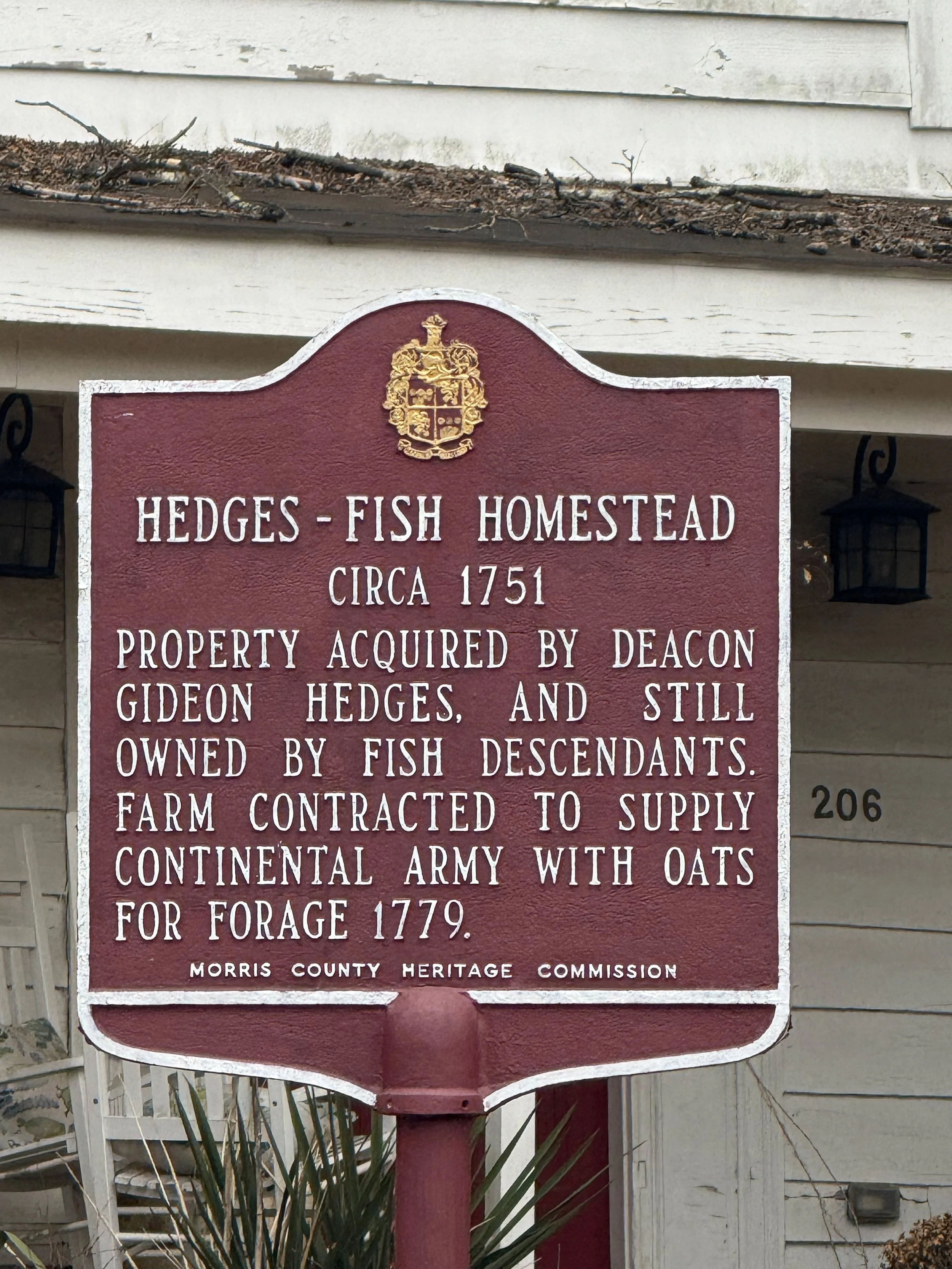
Florham Park, New Jersey
Sites of Reckoning
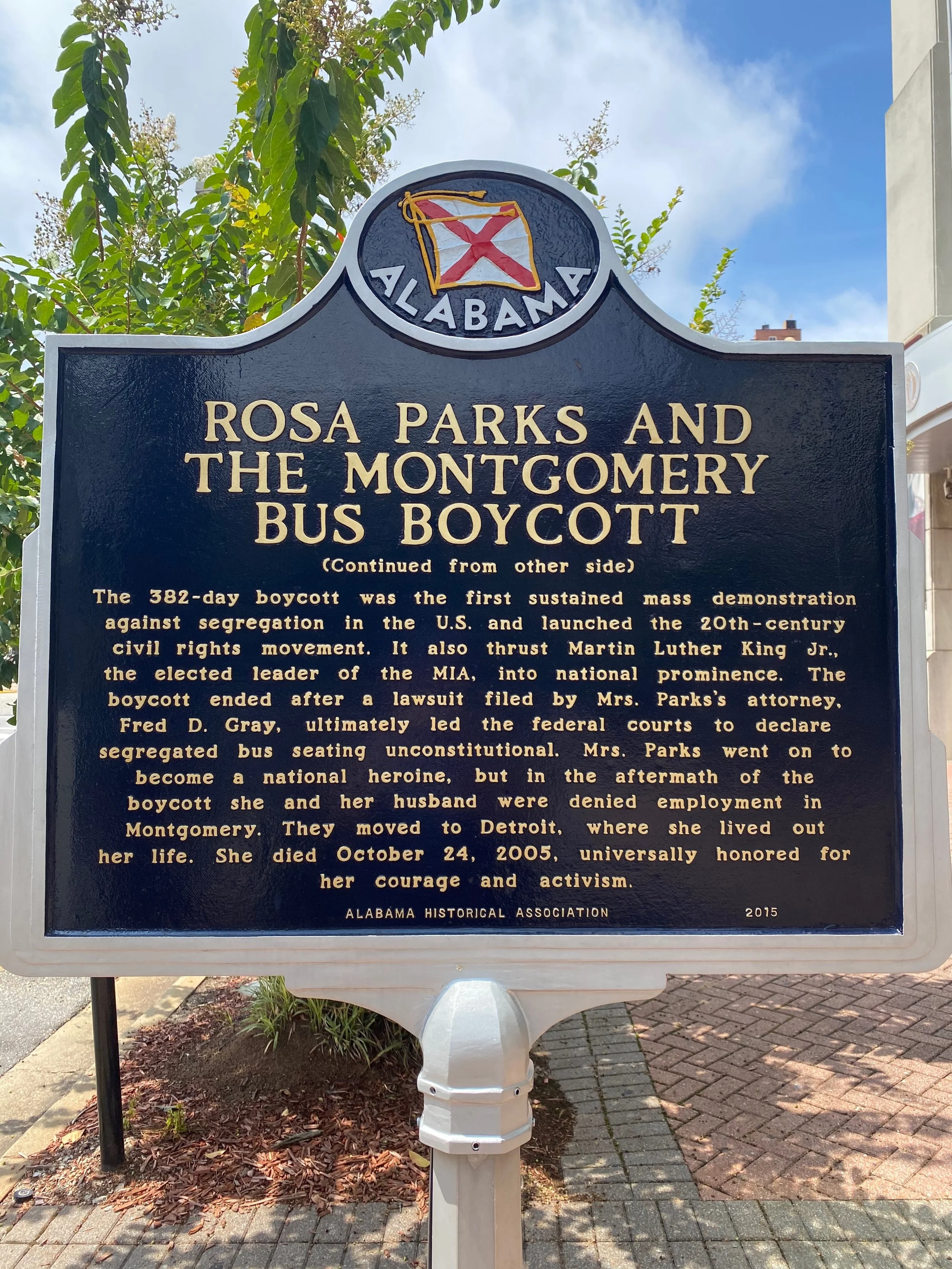
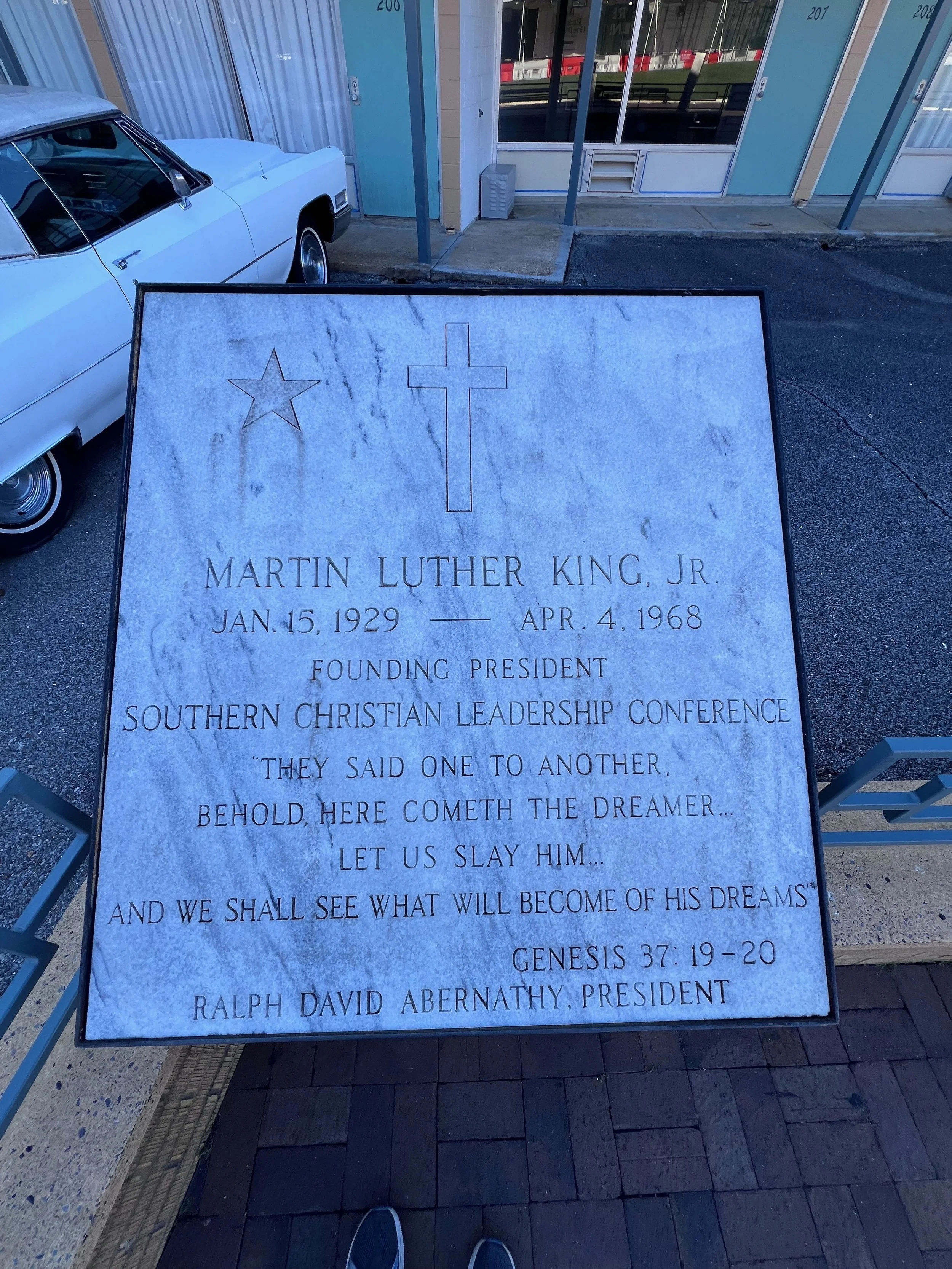
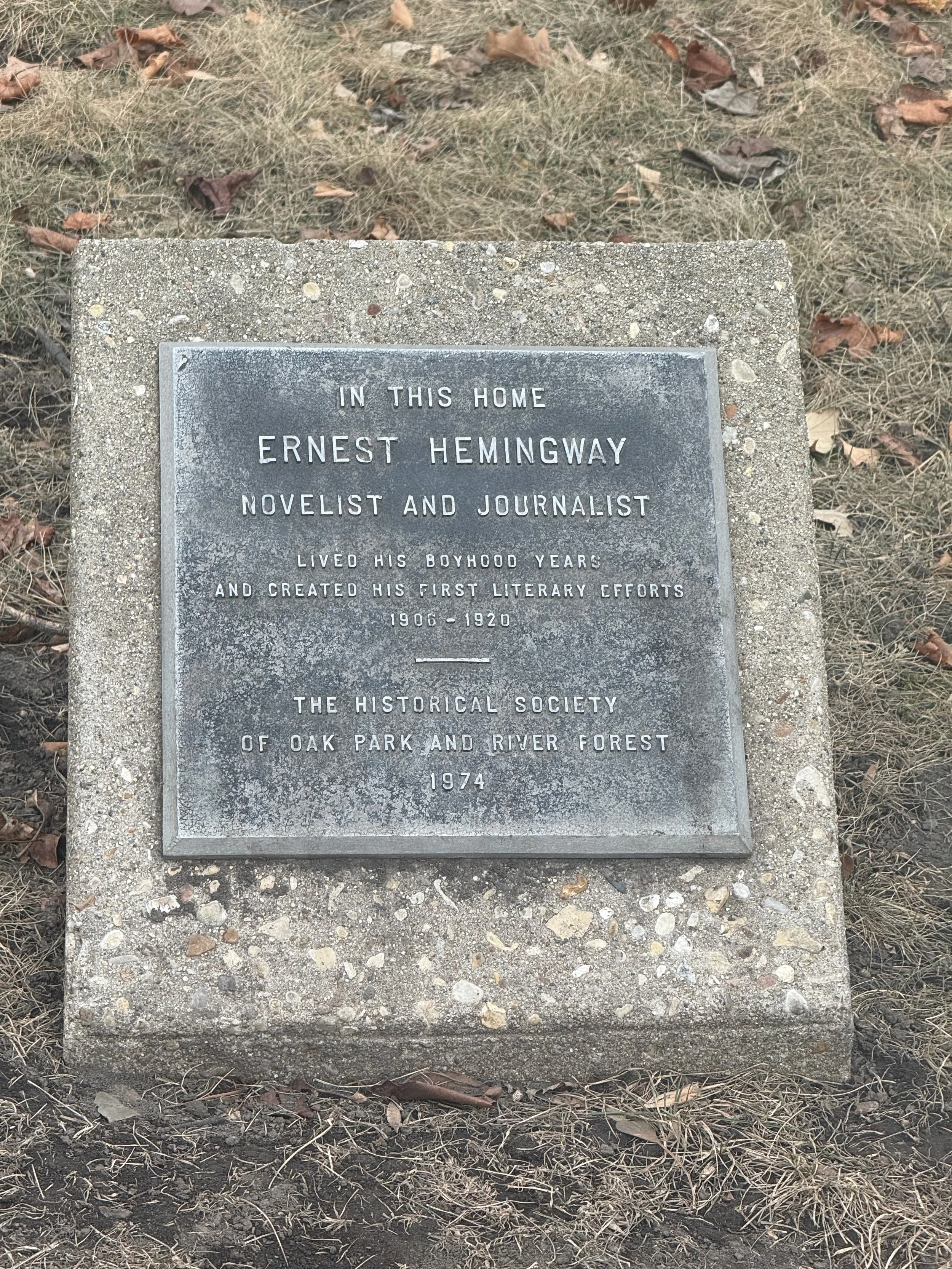
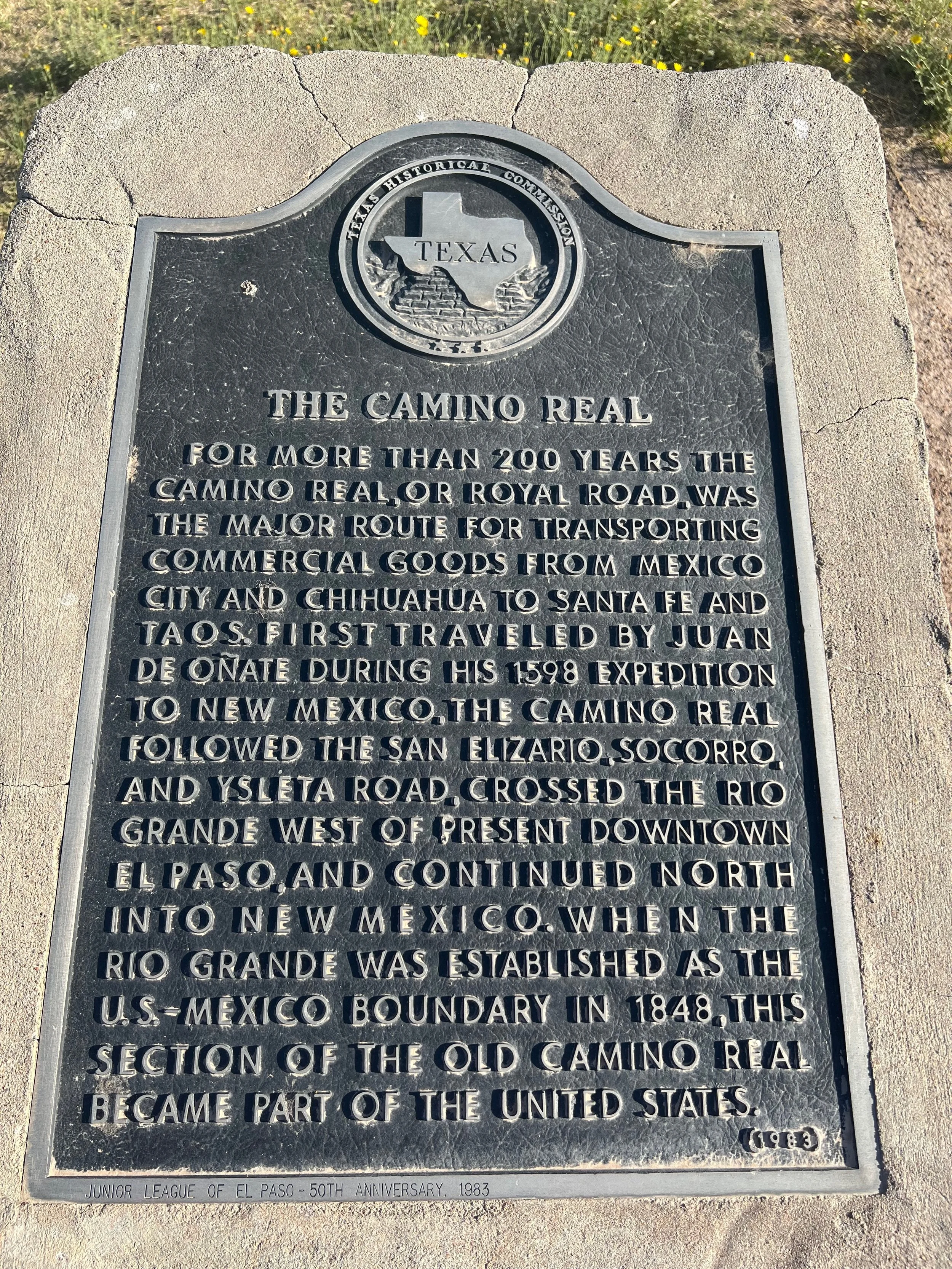
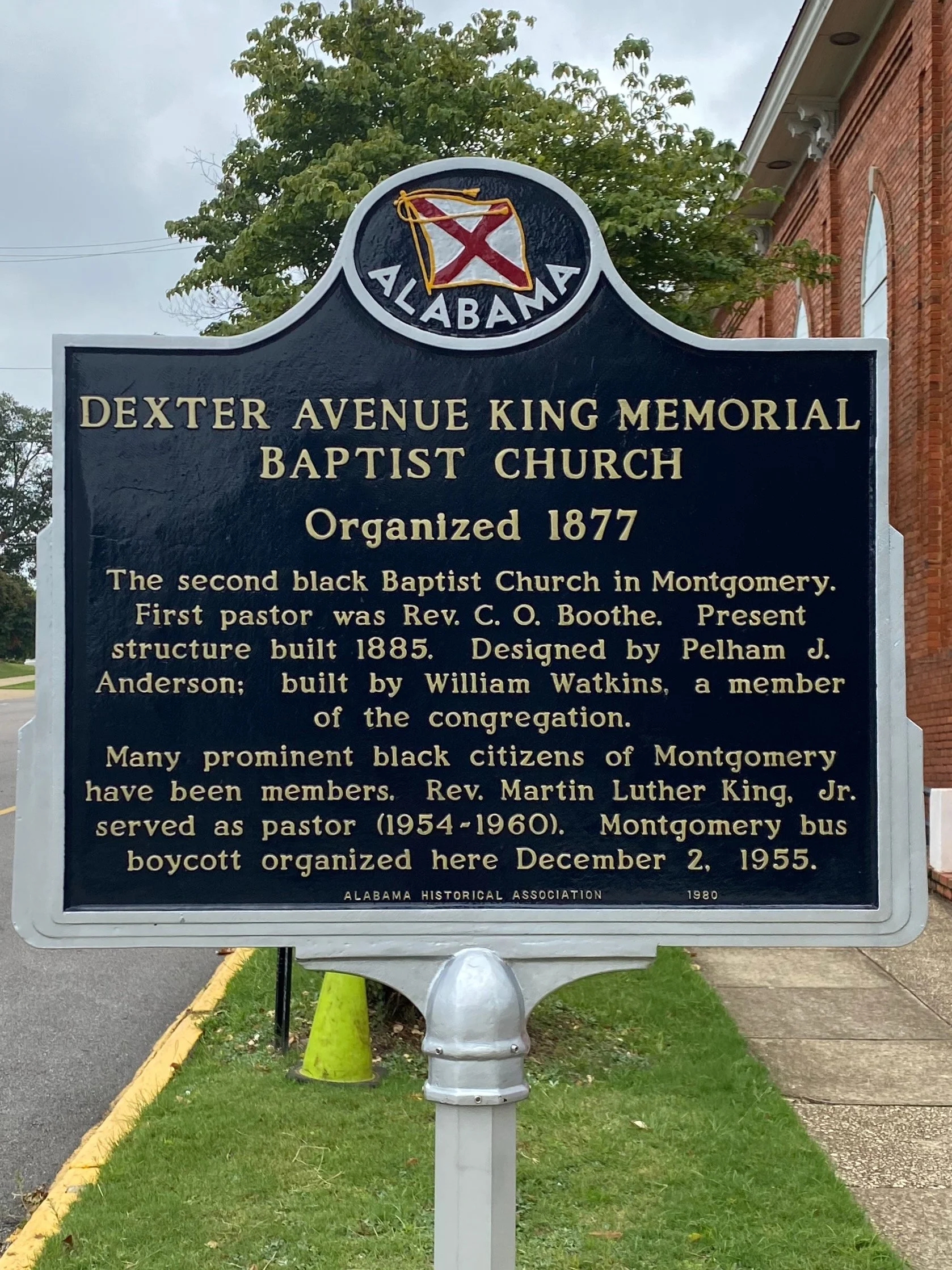
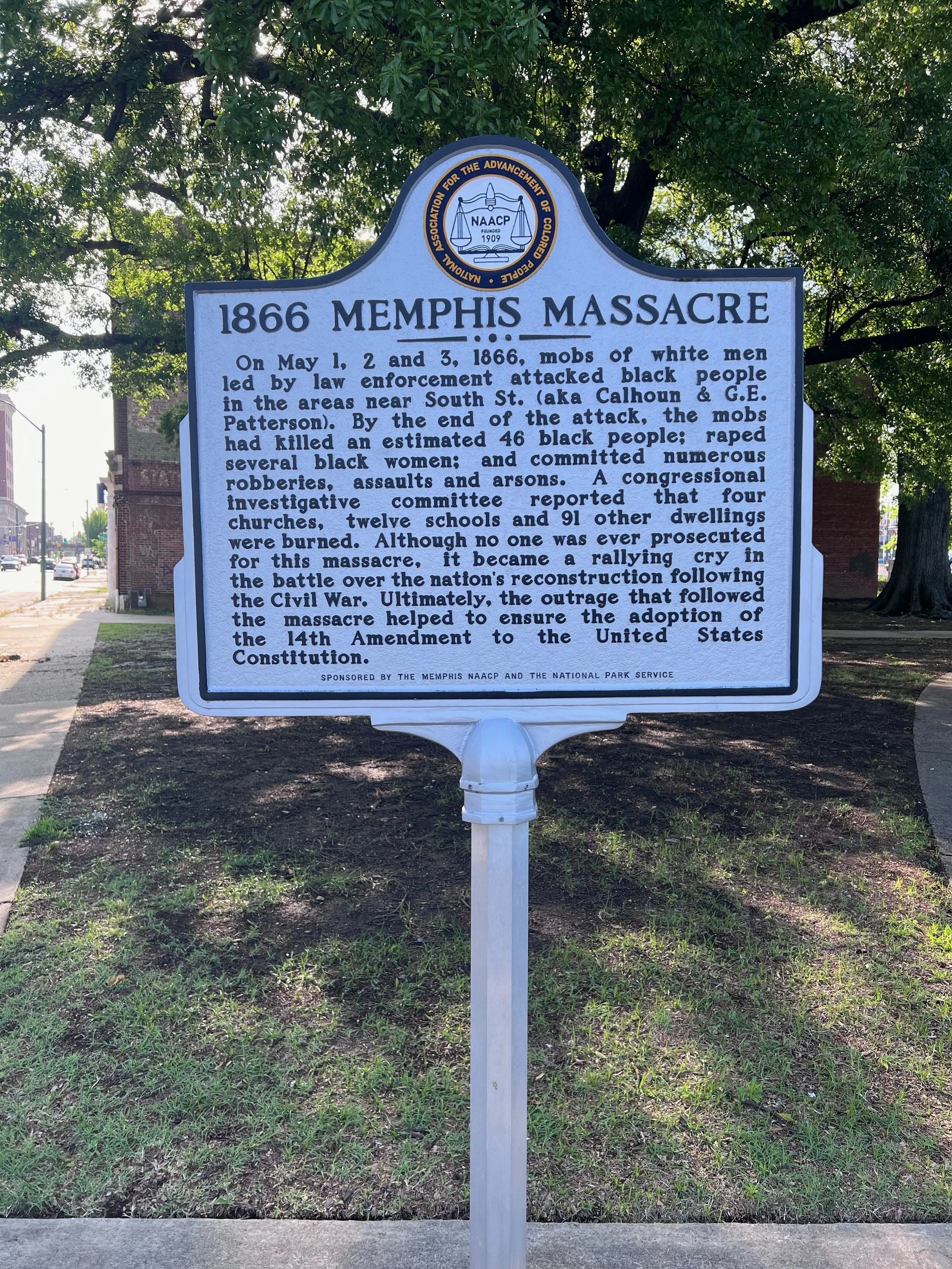
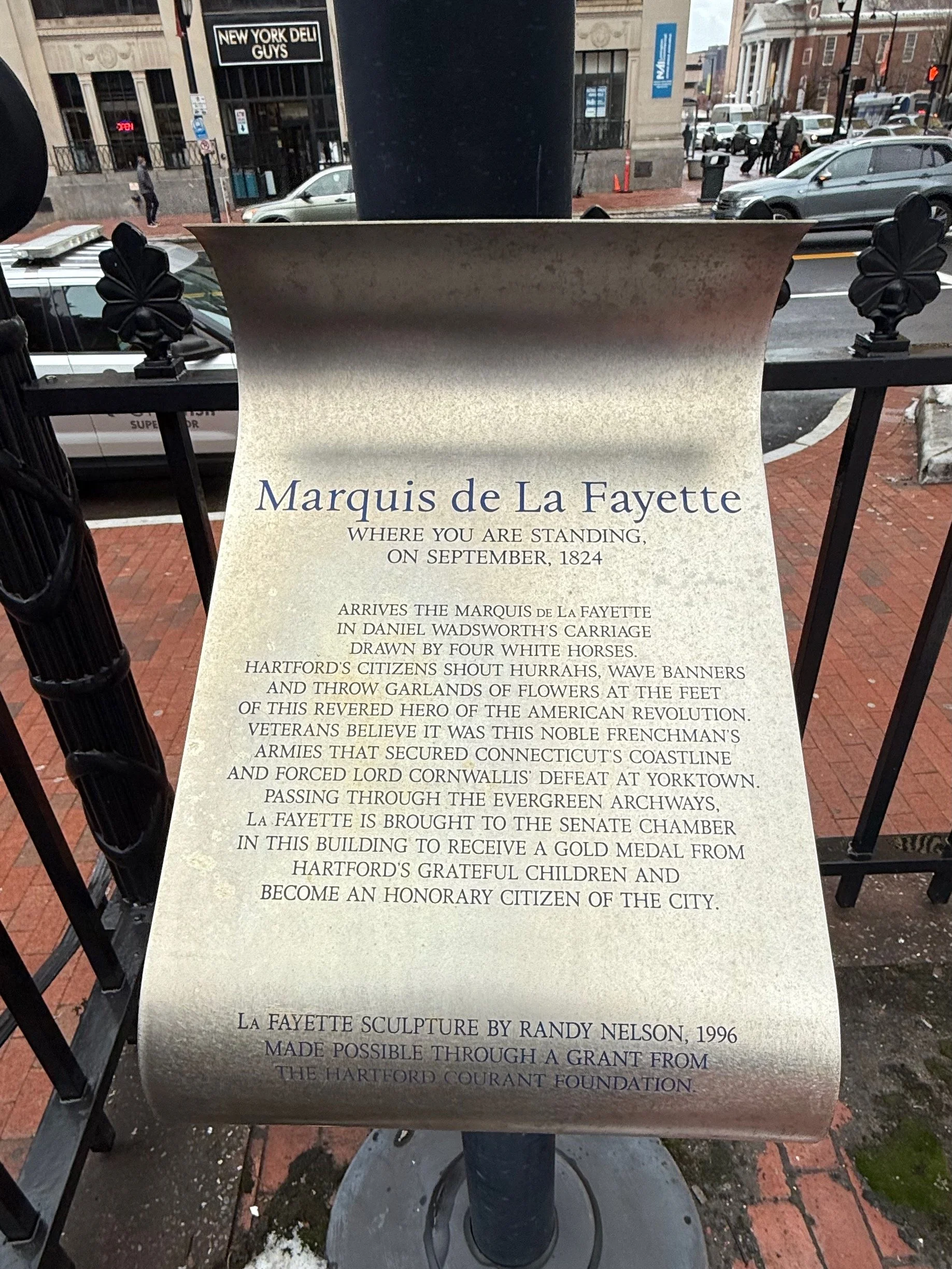
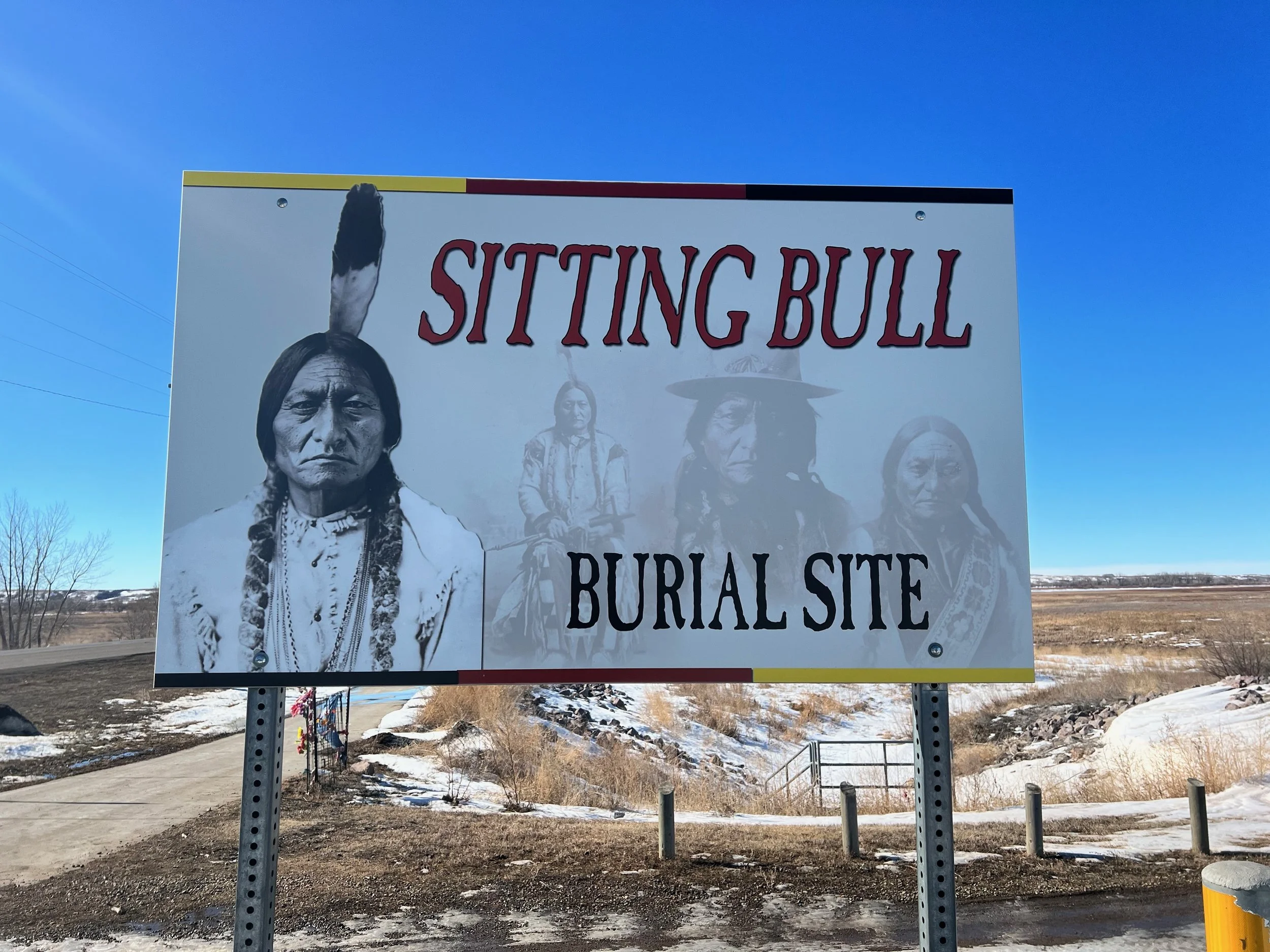
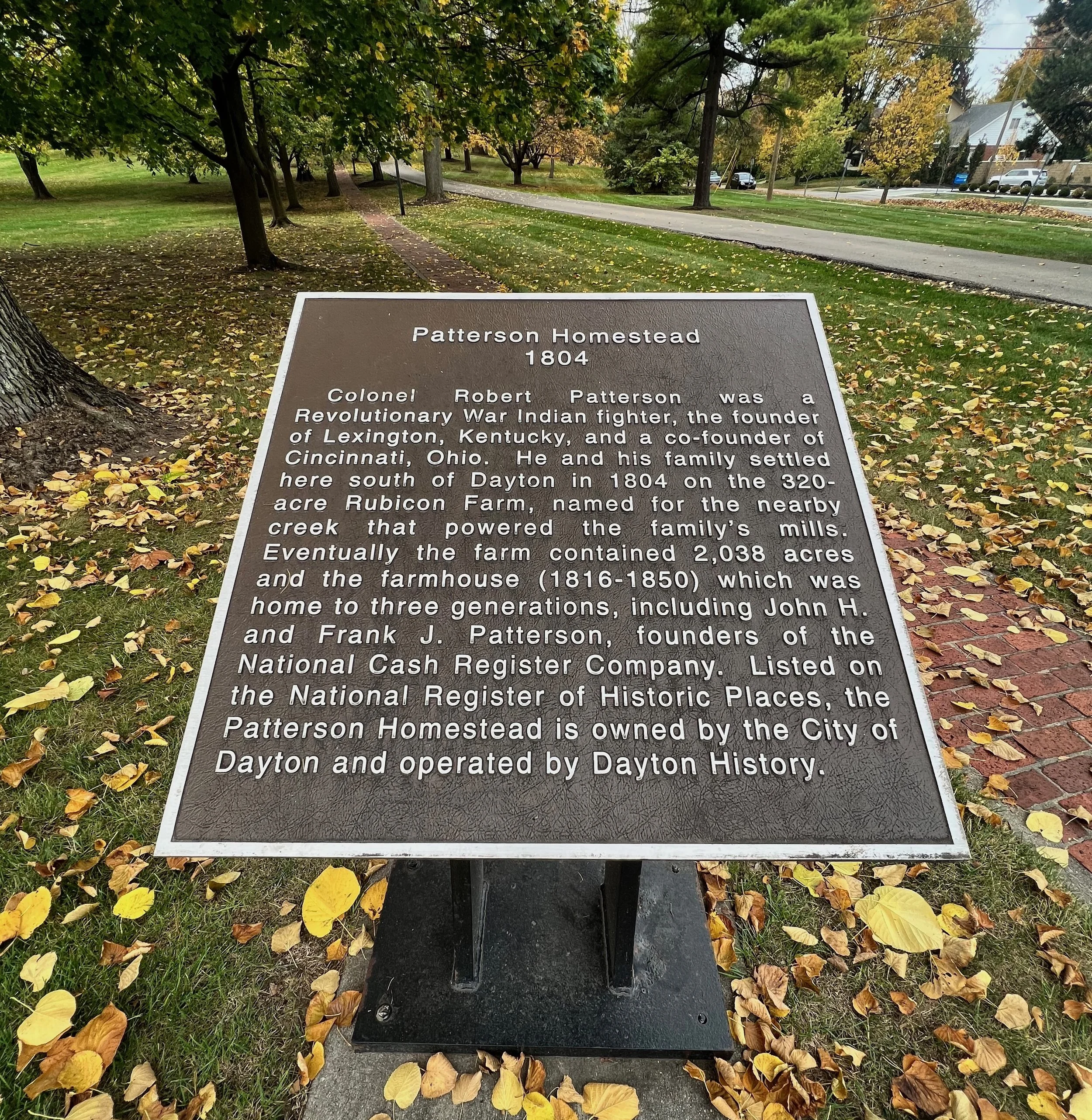
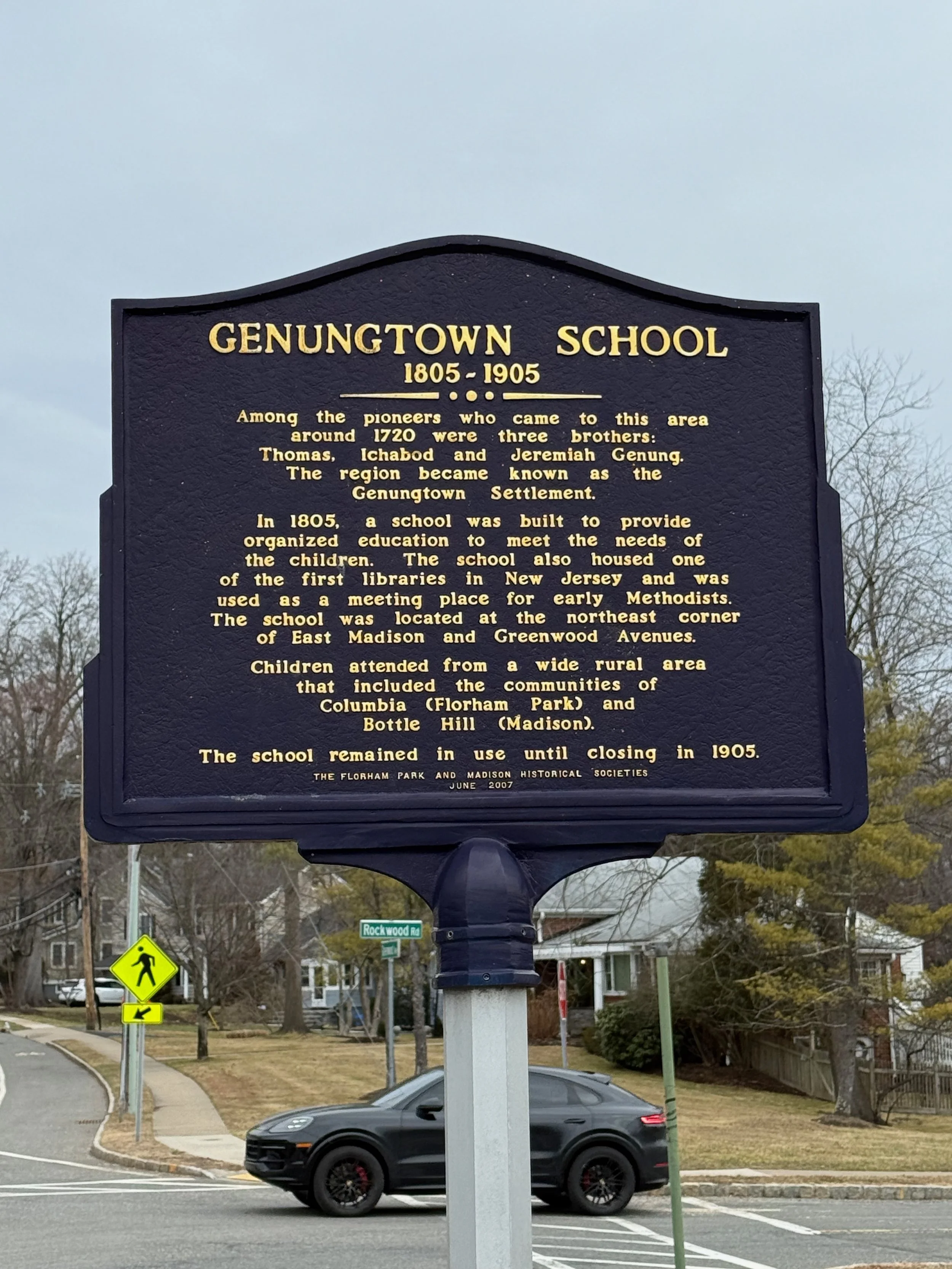
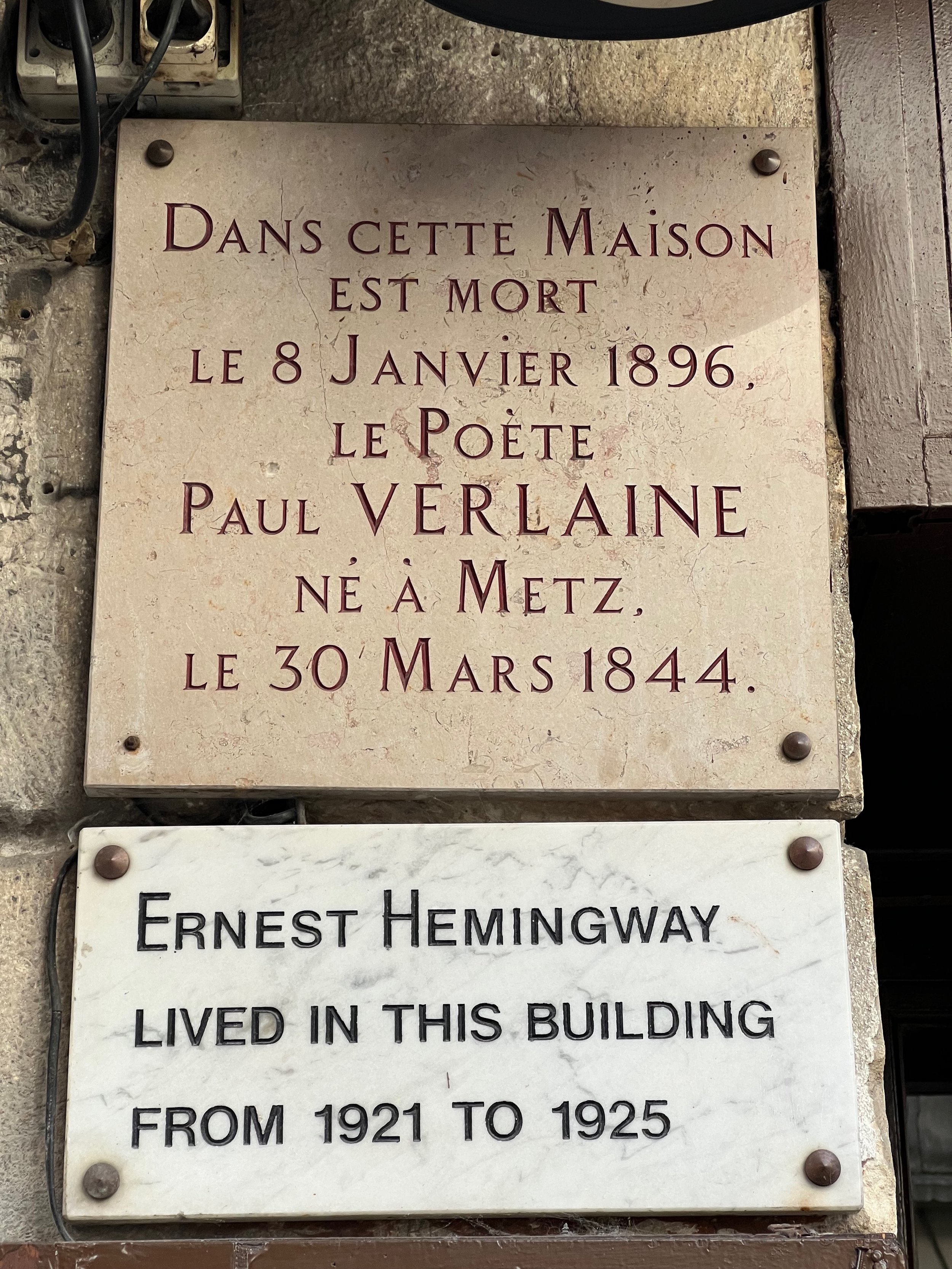
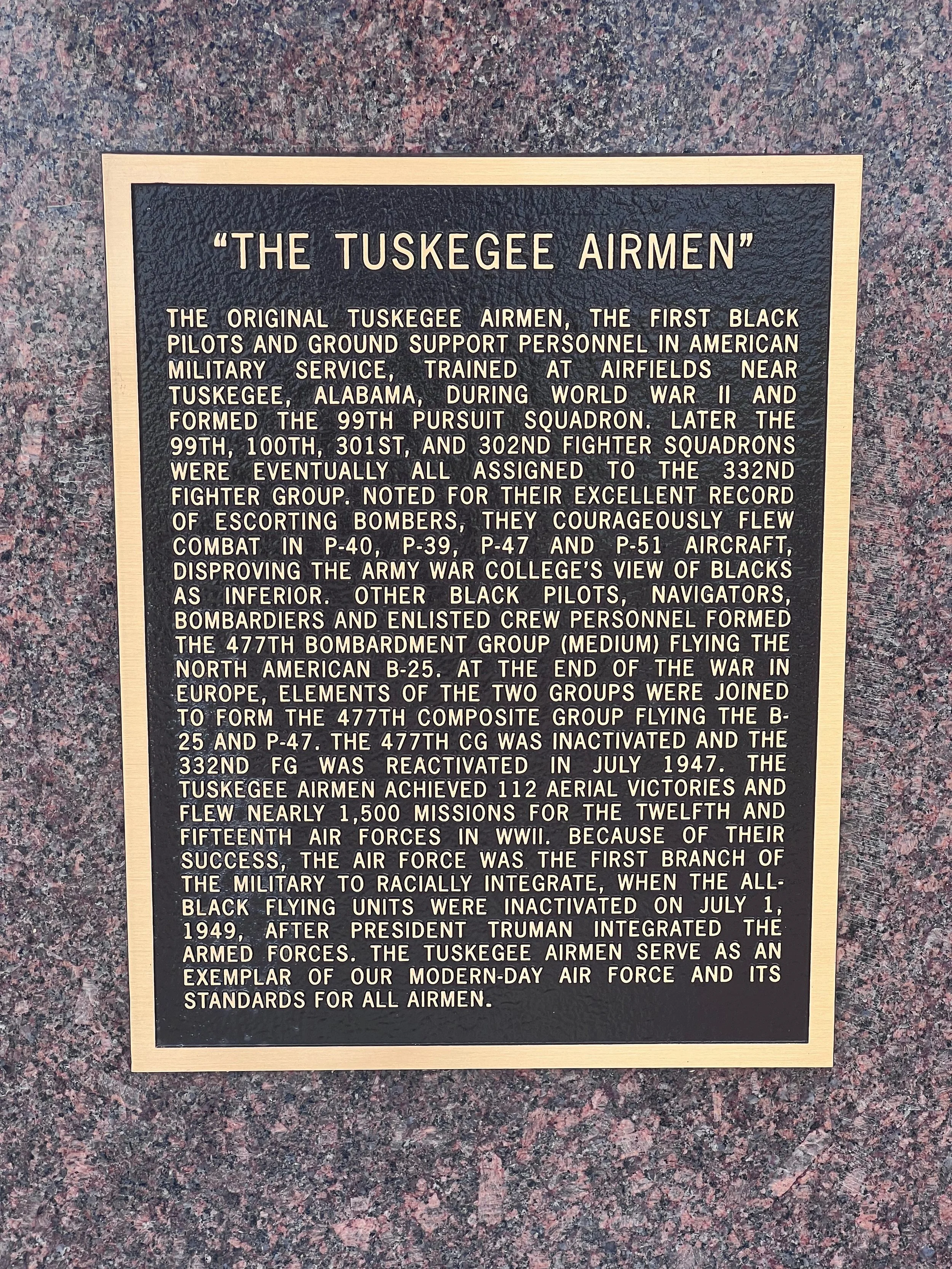
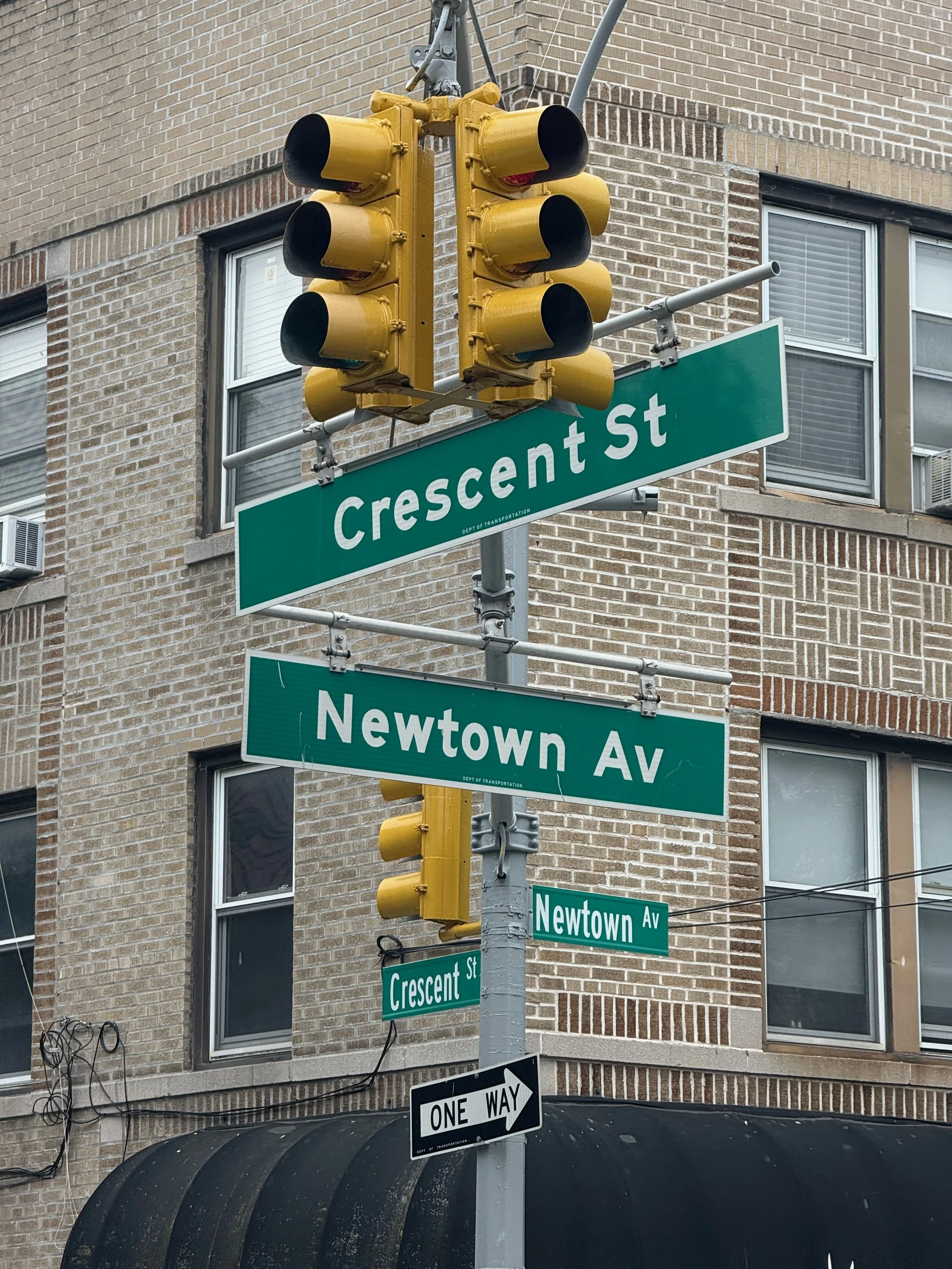
Everywhere we go, there are markers. We often simply pass them by. But some ask us to celebrate. Others ask us to stop. To look. To remember. To grieve. Places where memory carries weight. A plaque. A name. A stretch of ground asked to hold what happened there. Sites of injustice, protest, survival, and silence. Places of moral clarity.
I don’t walk past these places easily. I stop. I read. I linger. Because someone’s story unfolded here. Someone’s identity was shaped here. This wasn’t just an address; it was home. These markers aren’t just historical. They’re intimate. They say: This mattered. This matters still.
To photograph them is not to summarize the pain or to explain the past. It is to acknowledge the imprint. To say: I see it. I see you.
-
![]()
Montgomery, Alabama
-
![]()
Lorraine Motel, Memphis, Tennessee
-
![]()
Oak Park, Illinois
-
![]()
El Paso, Texas
-
![]()
Montgomery, Alabama
-
![]()
Memphis, Tennessee
-
![]()
Hartford, Connecticut
-
![]()
Fort Yates, North Dakota
-
![]()
Dayton, Ohio
-
![]()
Madison, New Jersey
-
![]()
Paris, France
-
![]()
Colorado Springs, Colorado
-
![]()
Boston, Massachusetts
-
![]()
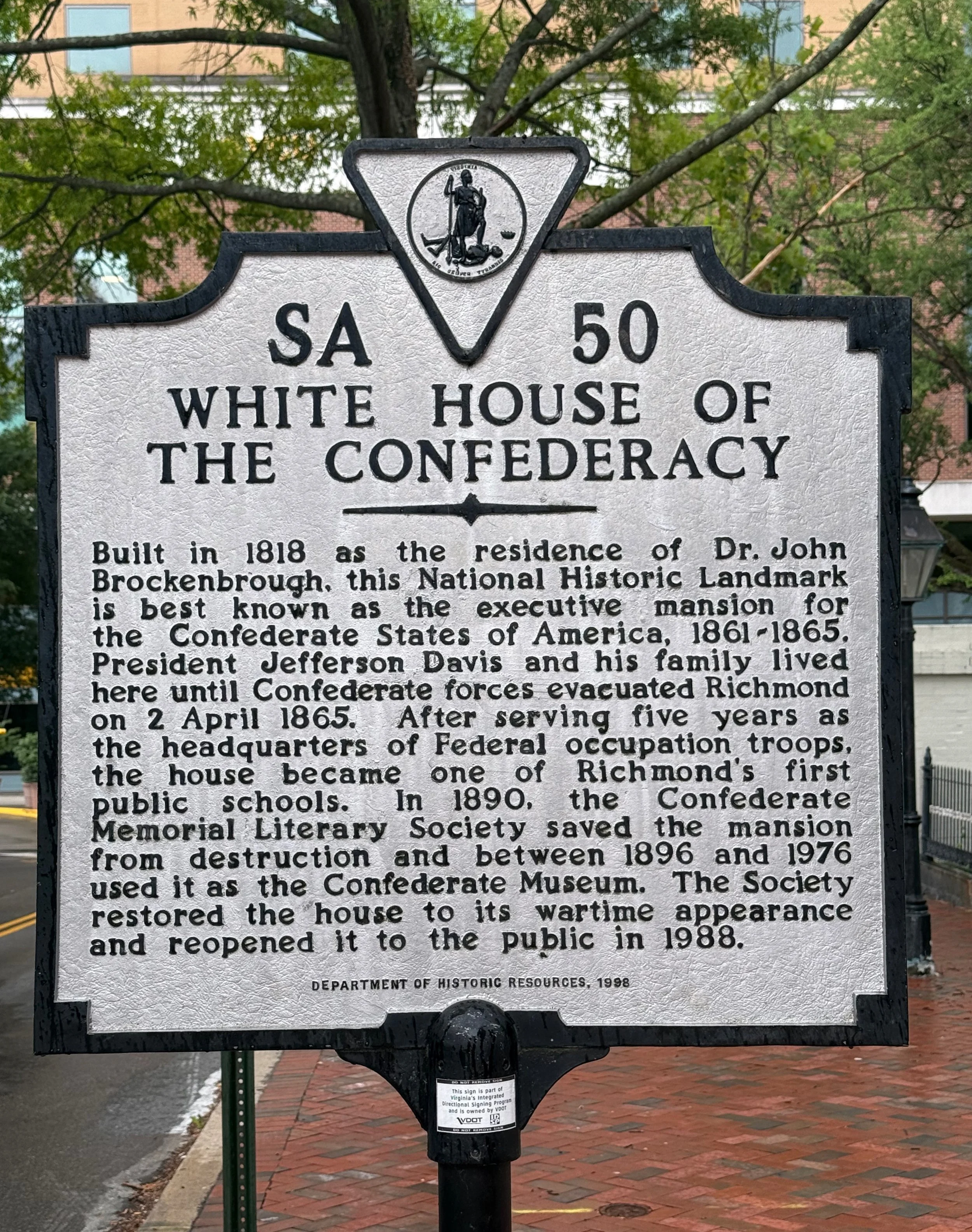
Richmond, Virgina
-
![]()
Florham Park, New Jersey
-
![]()
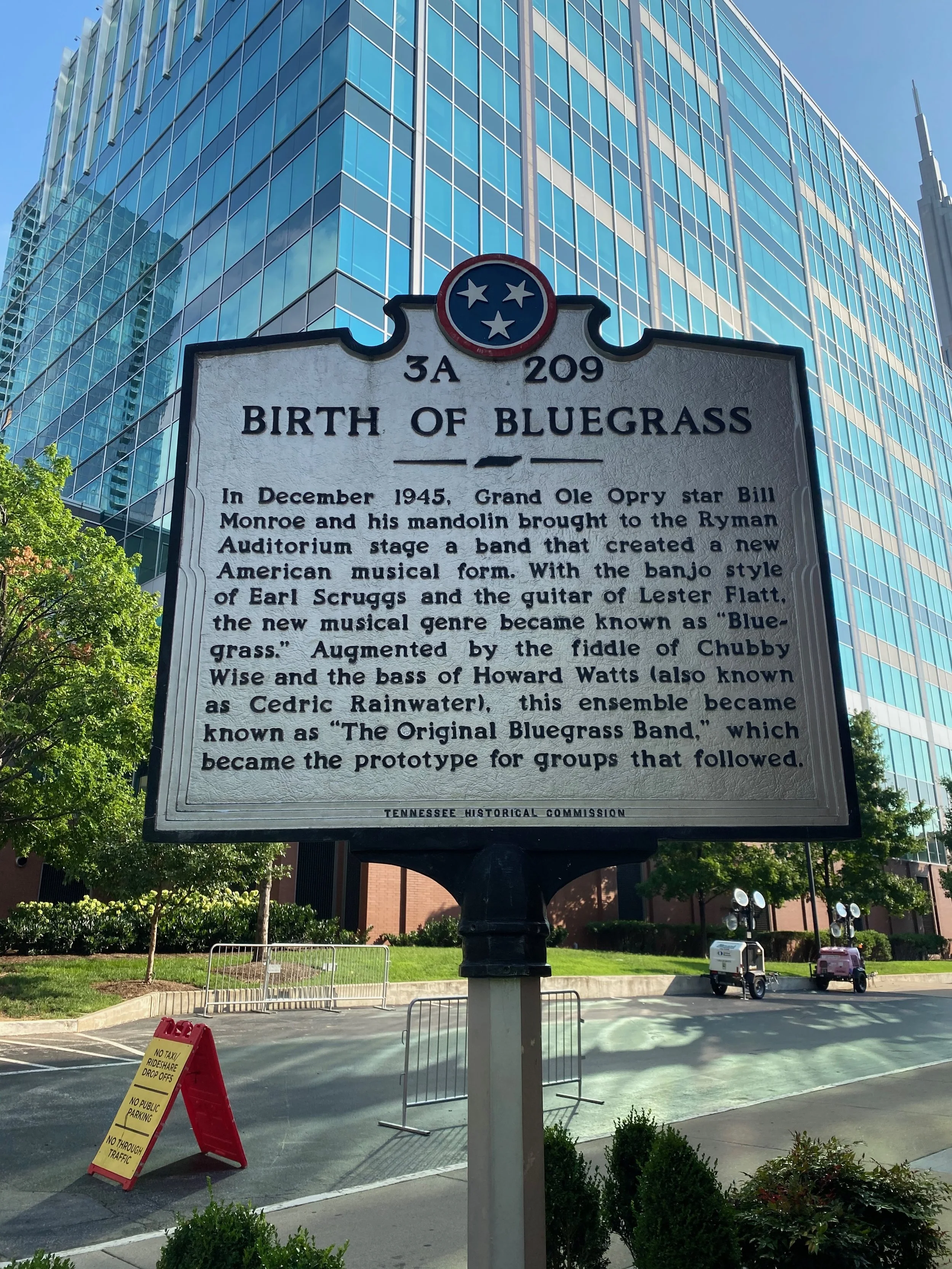
Nashville, Tennessee
-
![]()
Selma, Alabama