The Weight of the In-Between
Most people live in one place. A familiar street. A kitchen with morning light. The corner store, the neighbor’s dog, the sound of footsteps above. Their days follow a rhythm, grounded by habit, anchored by home.
That’s not my life.
I live in the in-between. In constant motion. In the shift. In the uncertainty. The space after goodbye but before arrival. The hours between departure and destination. The stretch of time where things are no longer what they were, but not yet what they will become.
This is where we wait. This is where we wander. This is where memory works, where longing shows up. Where curiosity takes over. Where we carry what just happened and try to understand what it means. The in-between reveals versions of ourselves we didn’t expect. It surfaces what we hold on to, and what we’re finally ready to leave behind. It can be disorienting. It can be luminous. It can be liberating.
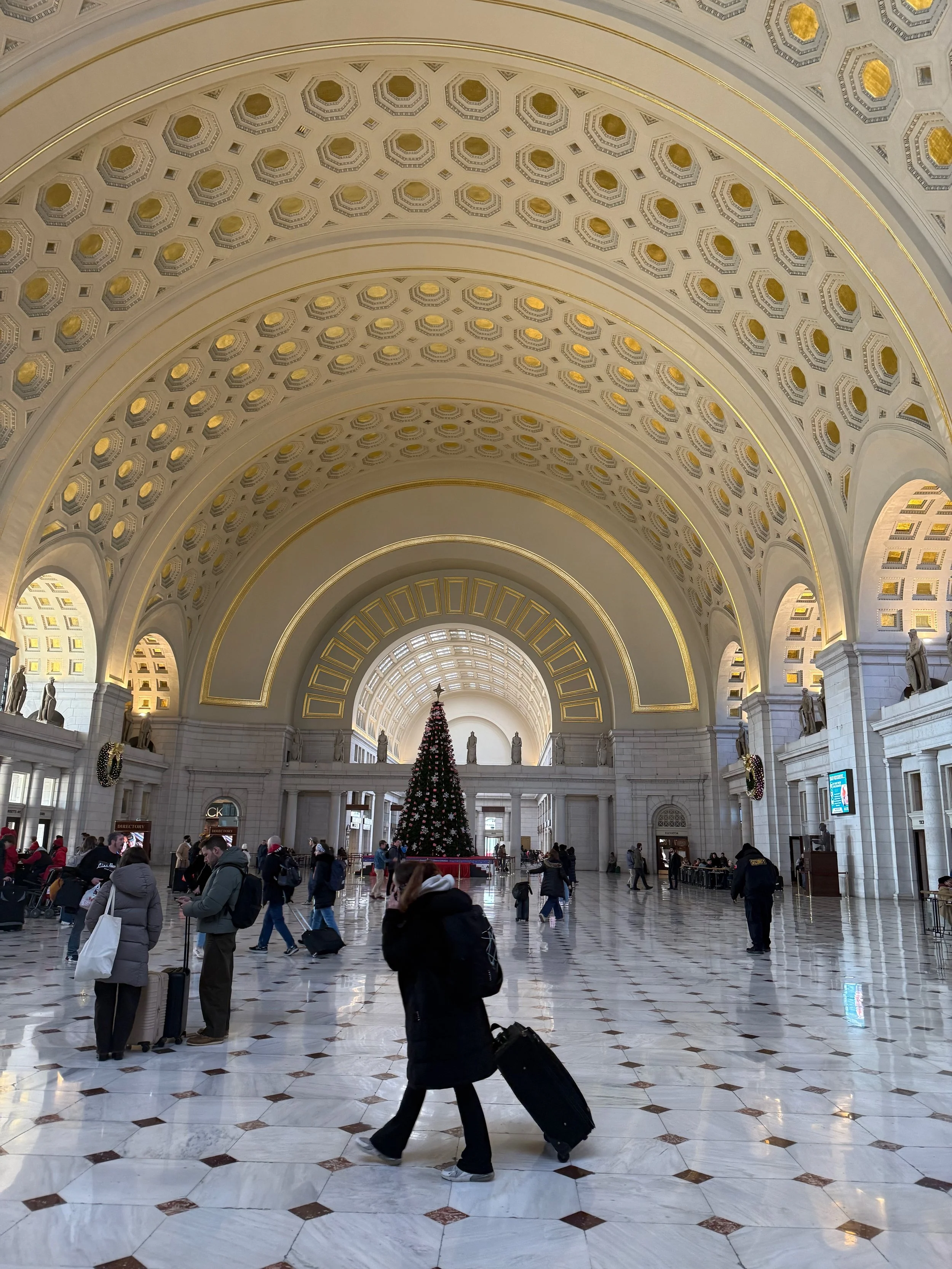
Some places hold this weight. Empty lobbies. Airports. Train stations. Airbnbs. Hotels. Hostels. Roads that lead through nowhere. These are not permanent addresses, but they are places where I have built something that felt like home. However briefly. However provisionally. They shape me all the same.
The weight of the in-between is real. And sometimes, it is the clearest way to understand who we are, where we’ve been, and what still matters.
The Geography of Transit
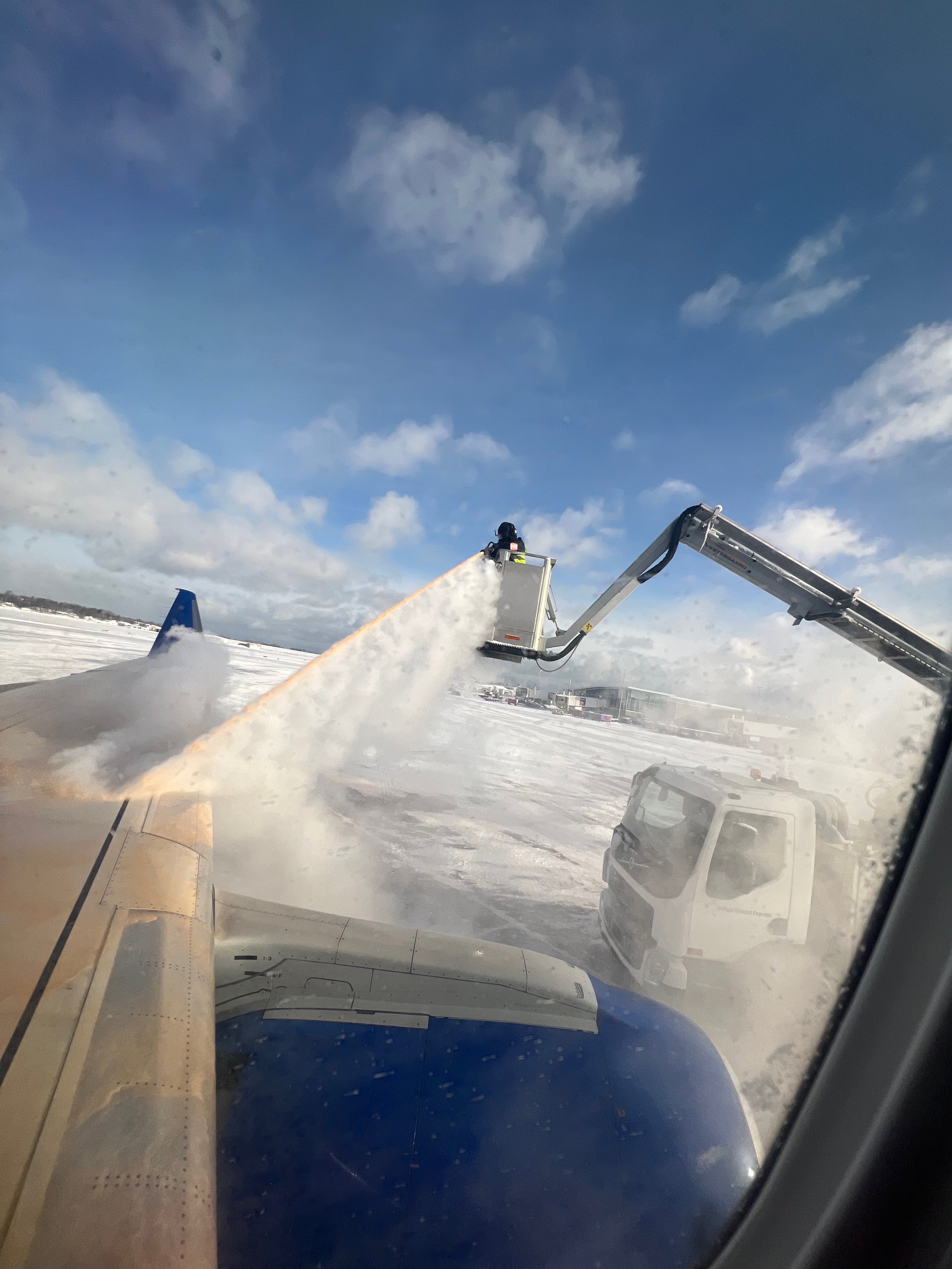
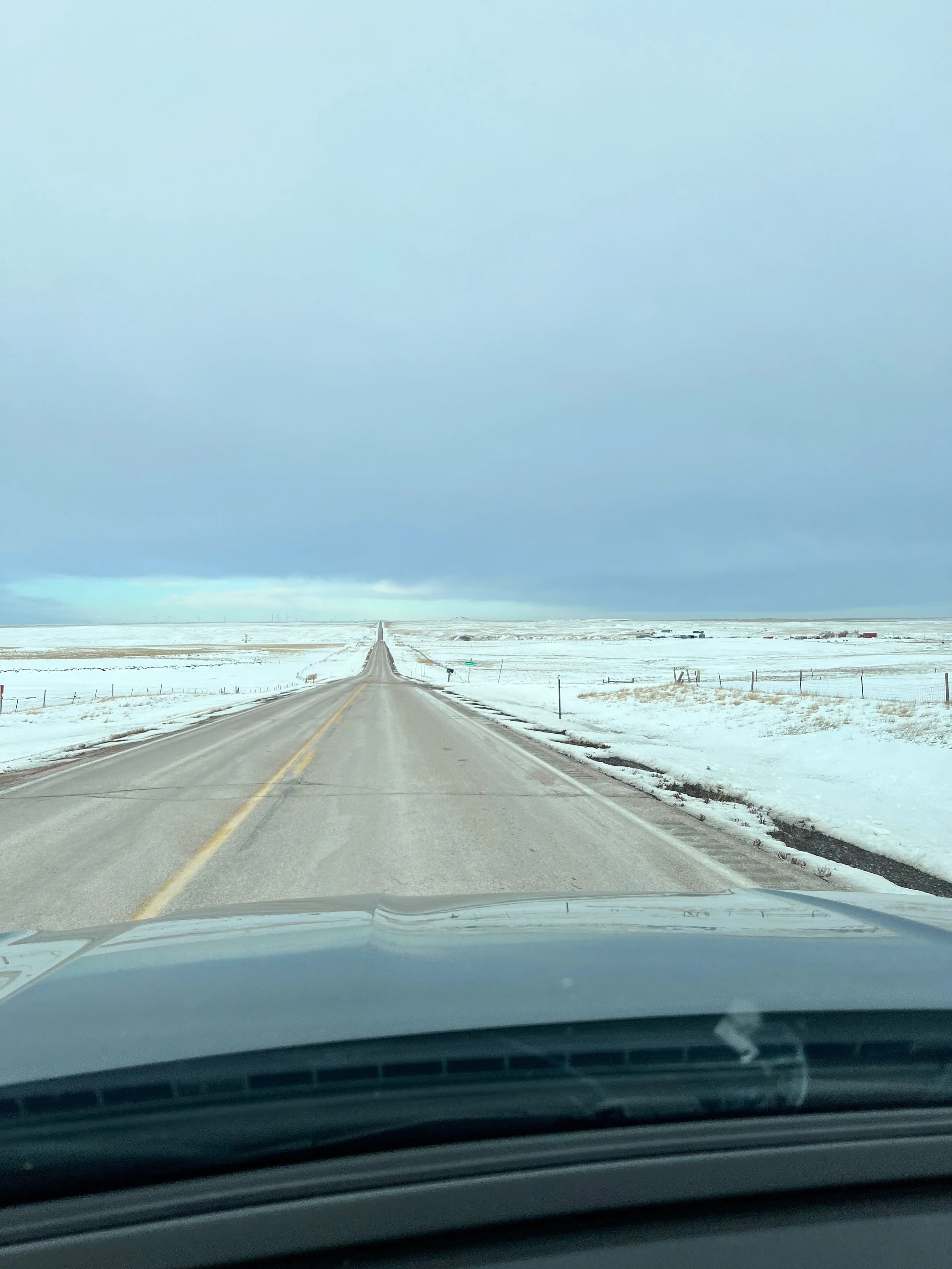
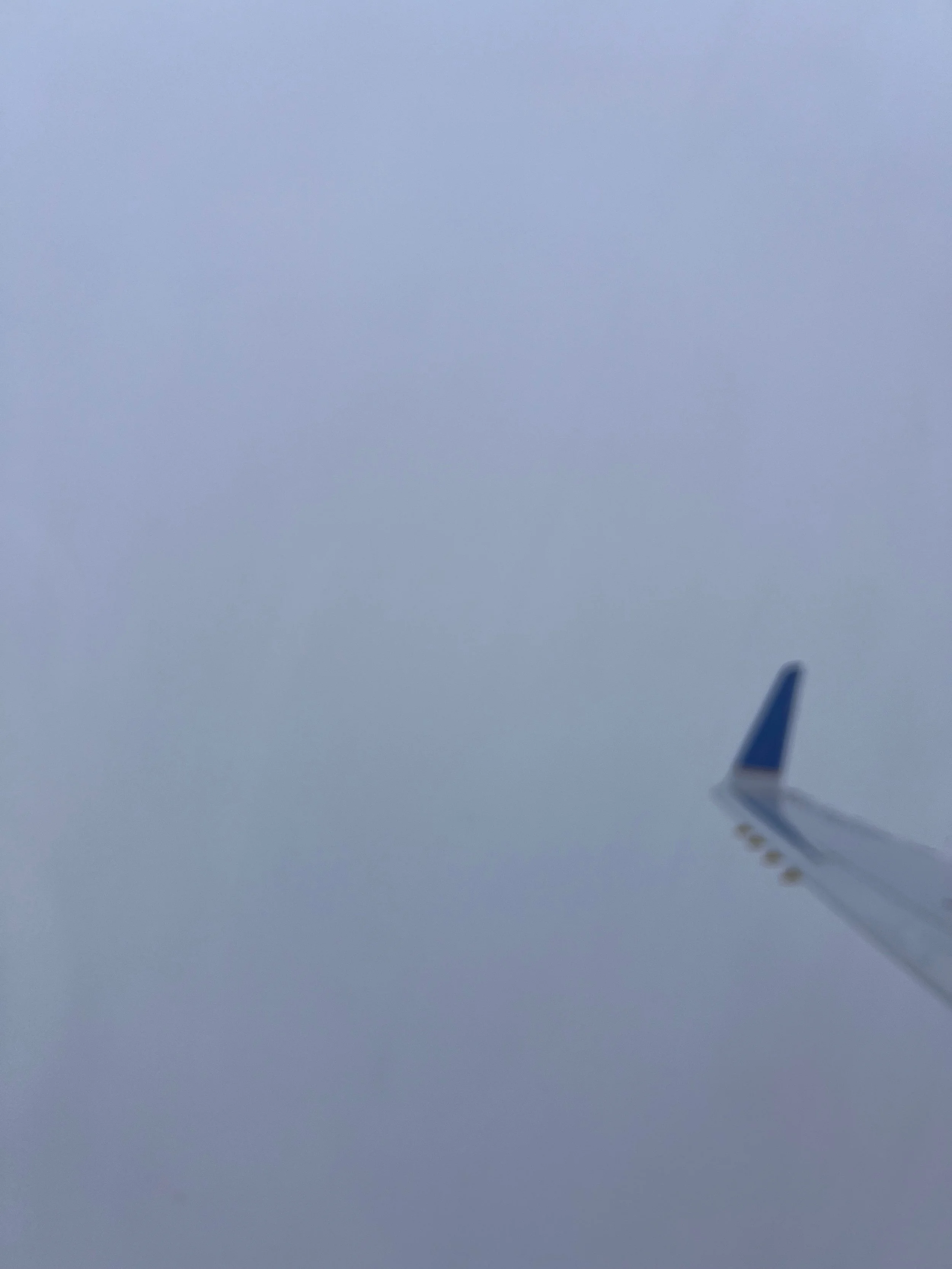
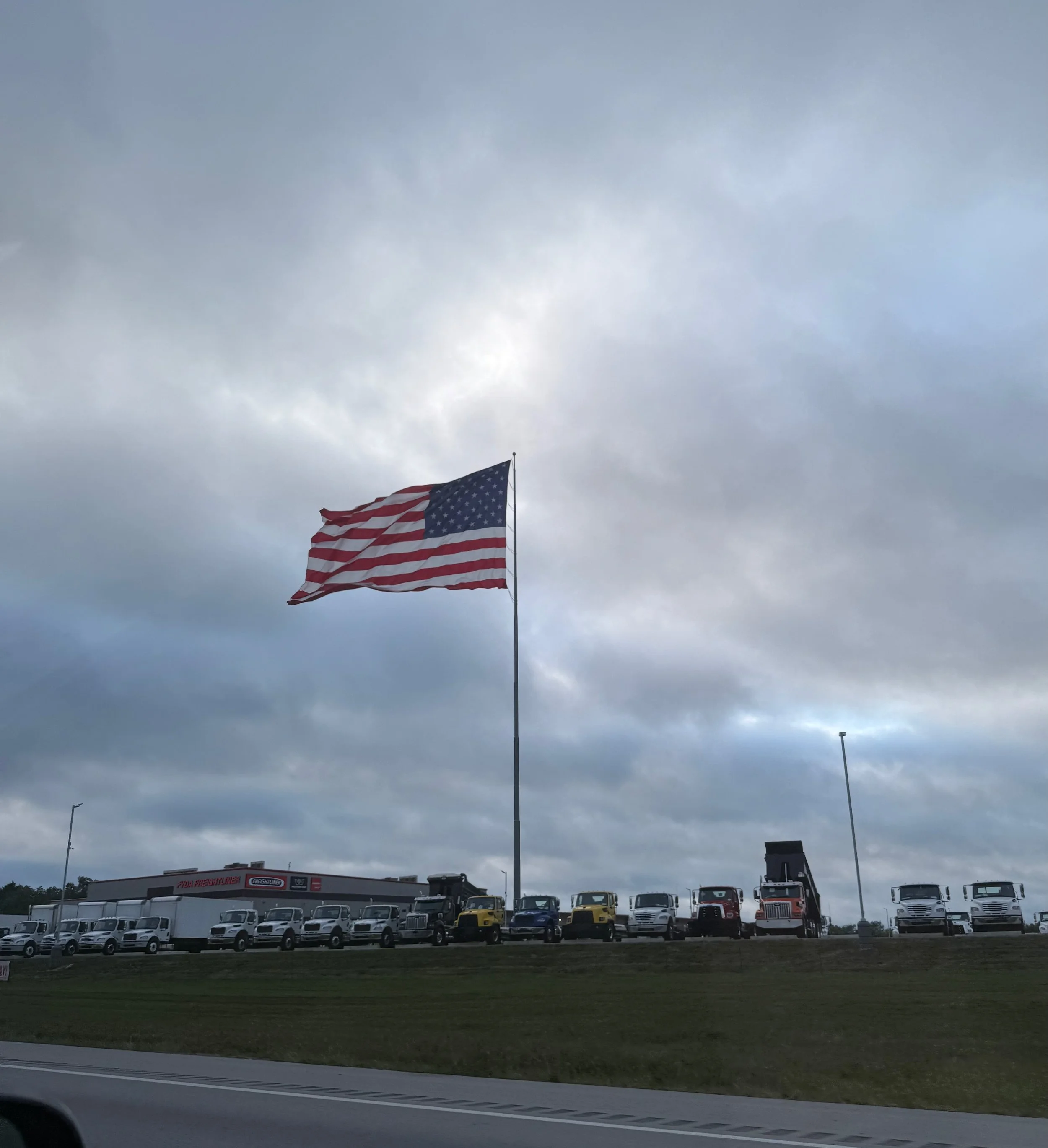
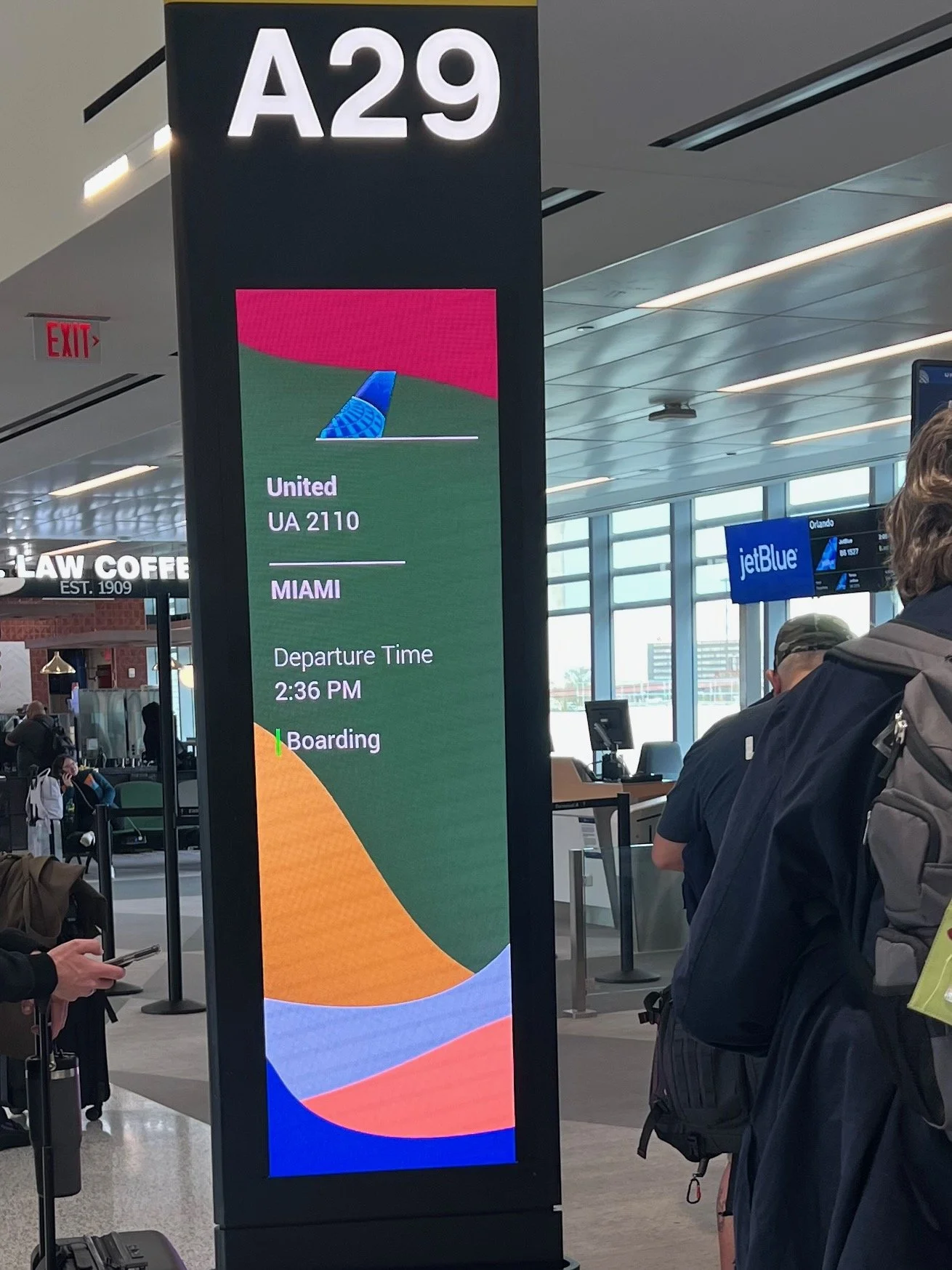
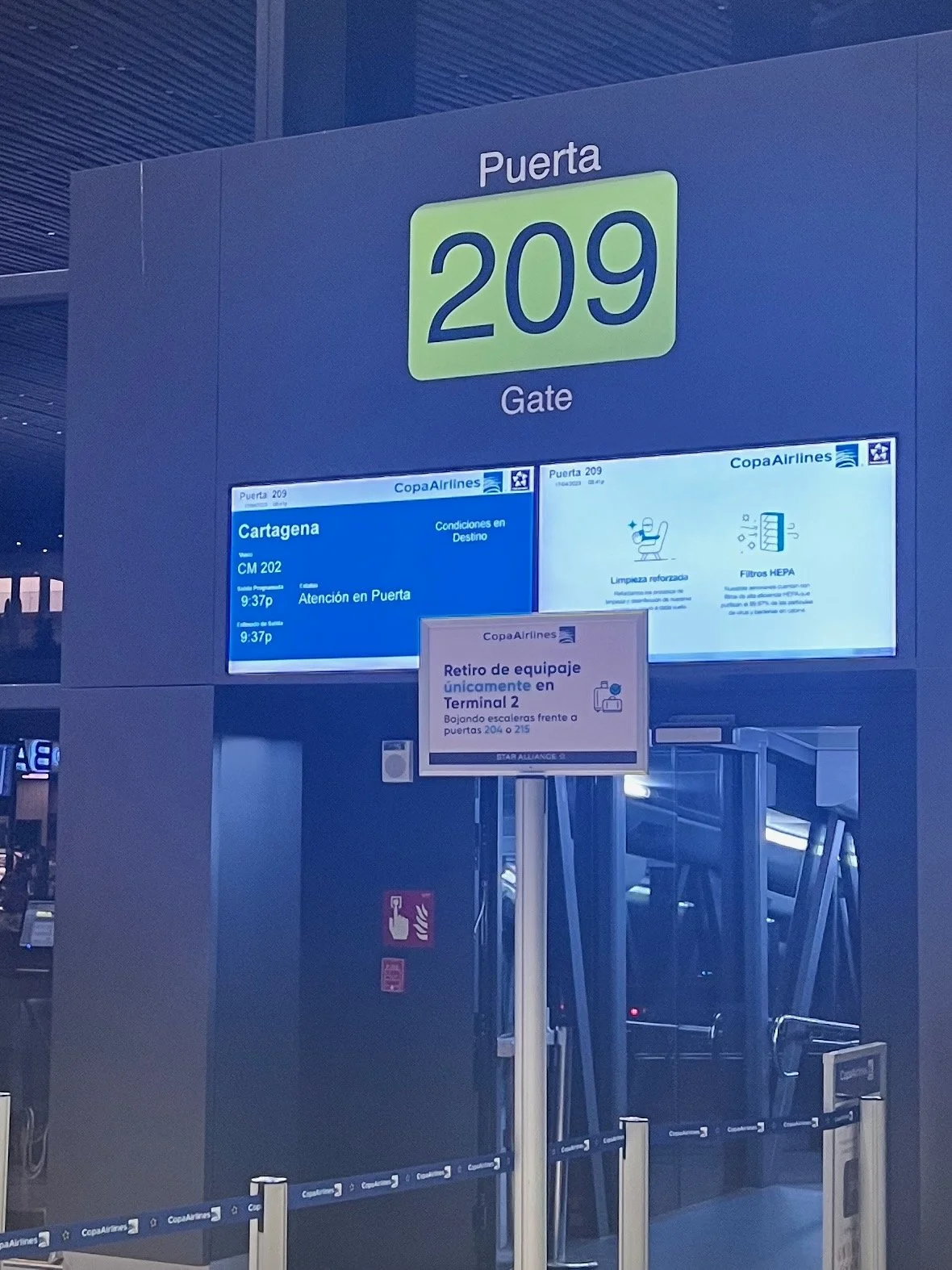
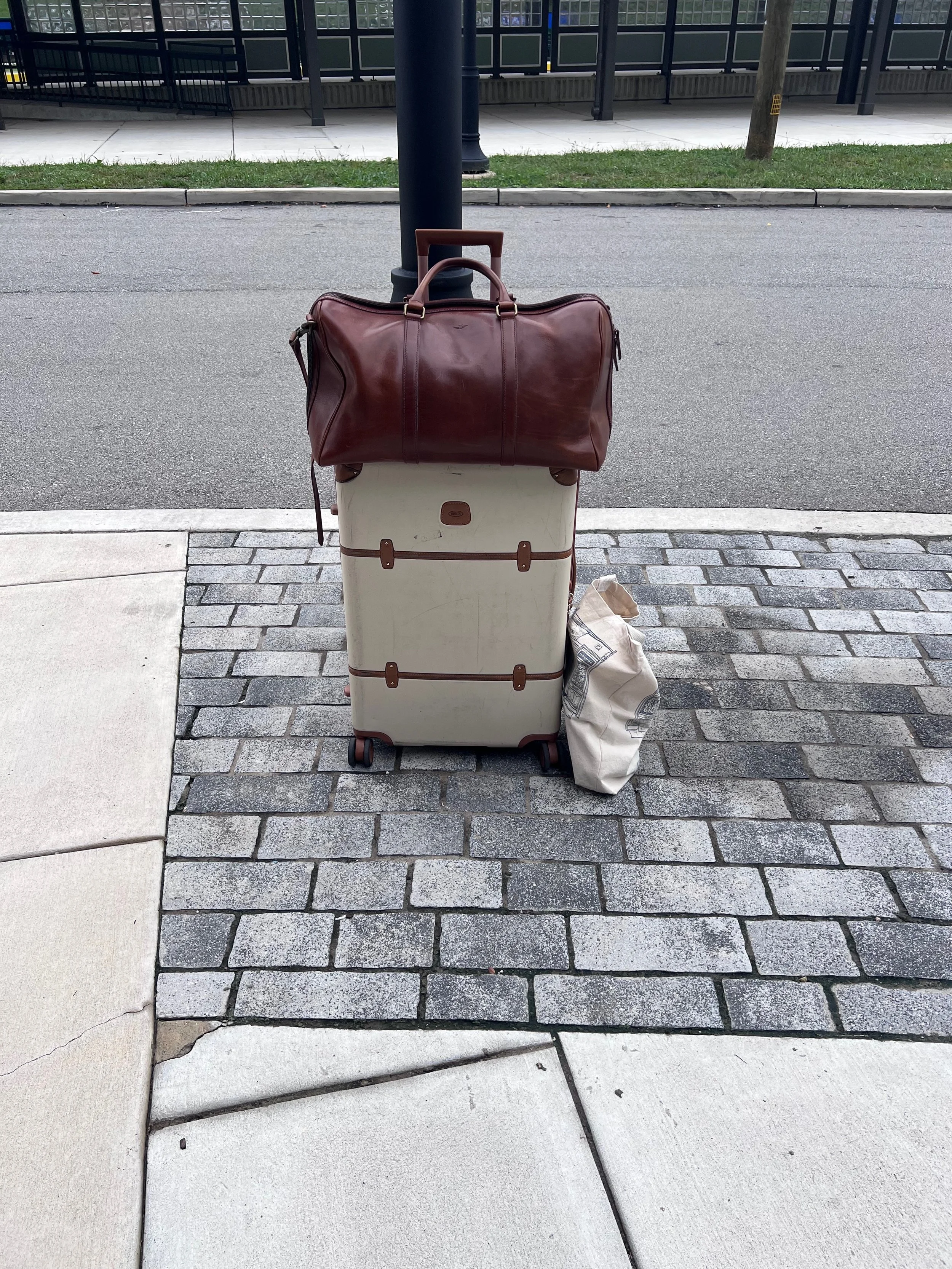
There are places we pass through that never show up in the stories. Places meant to be temporary, yet filled with meaning. A terminal at sunrise. A snow-covered wing. A stretch of highway under a quiet sky.
This is the geography of transit. Not destinations, but the connective tissue between them. Airports and train stations. Buses, trams, and open roads. They carry the feeling of movement, but also the pause, the delay, the stillness within motion.
These are the spaces you don’t quite belong to, and you haven’t yet arrived where you’re going. But you’re here. Awake. Watching. Waiting. Moving.
What we notice in transit is often fleeting. But that doesn’t make it less important. Sometimes these passing places tell us the most about how we move through the world, and what we carry with us along the way
-
![]()
Milwaukee Mitchell International Airport, Milwaukee, Wisconsin
-
![]()
Route 212, Newell, South Dakota
-
![]()
Union Station, Washington, D.C.
-
![]()
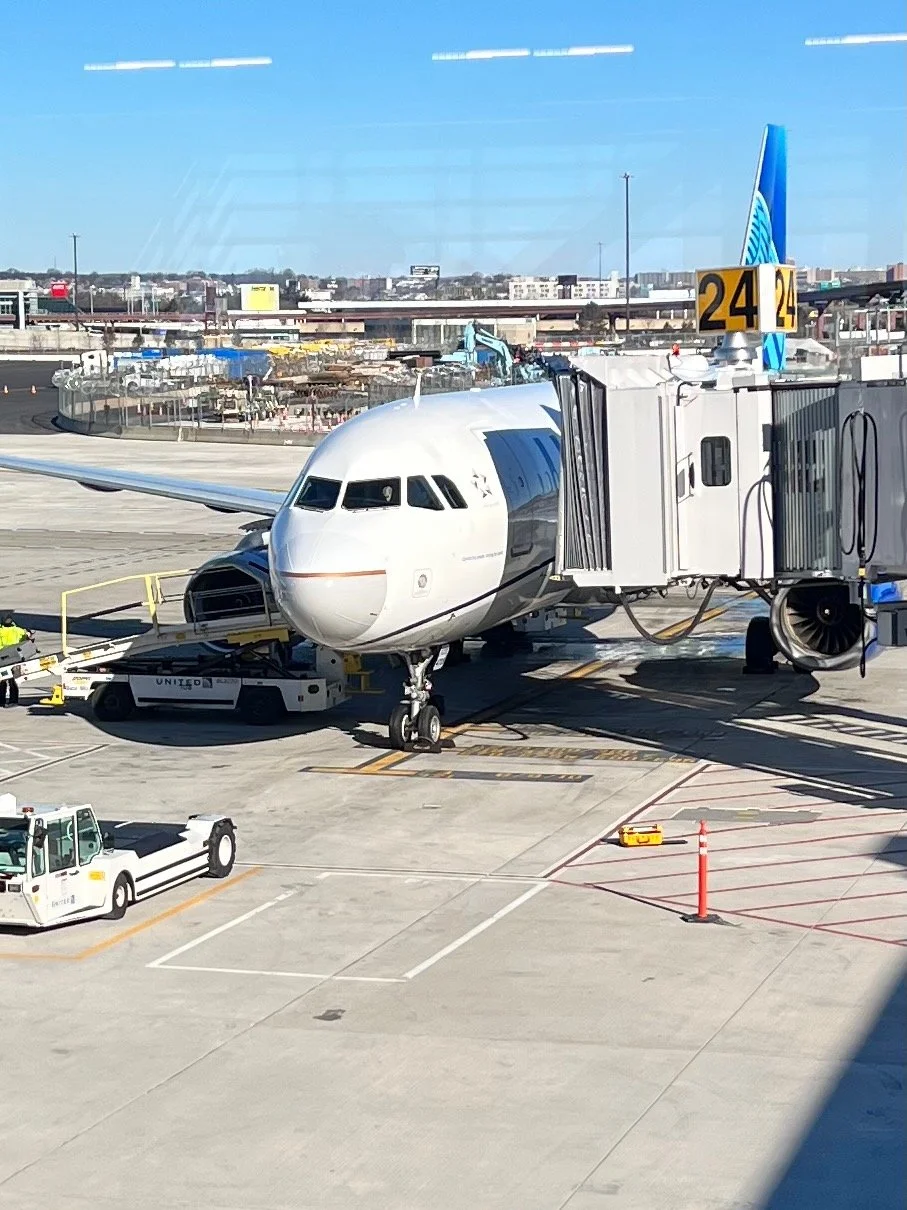
Newark Airport, Newark, New Jersey
-
![]()
Window Seat, United Airlines, Poolesville, Virginia
-
![]()
Route 70, West Jefferson, Ohio
-
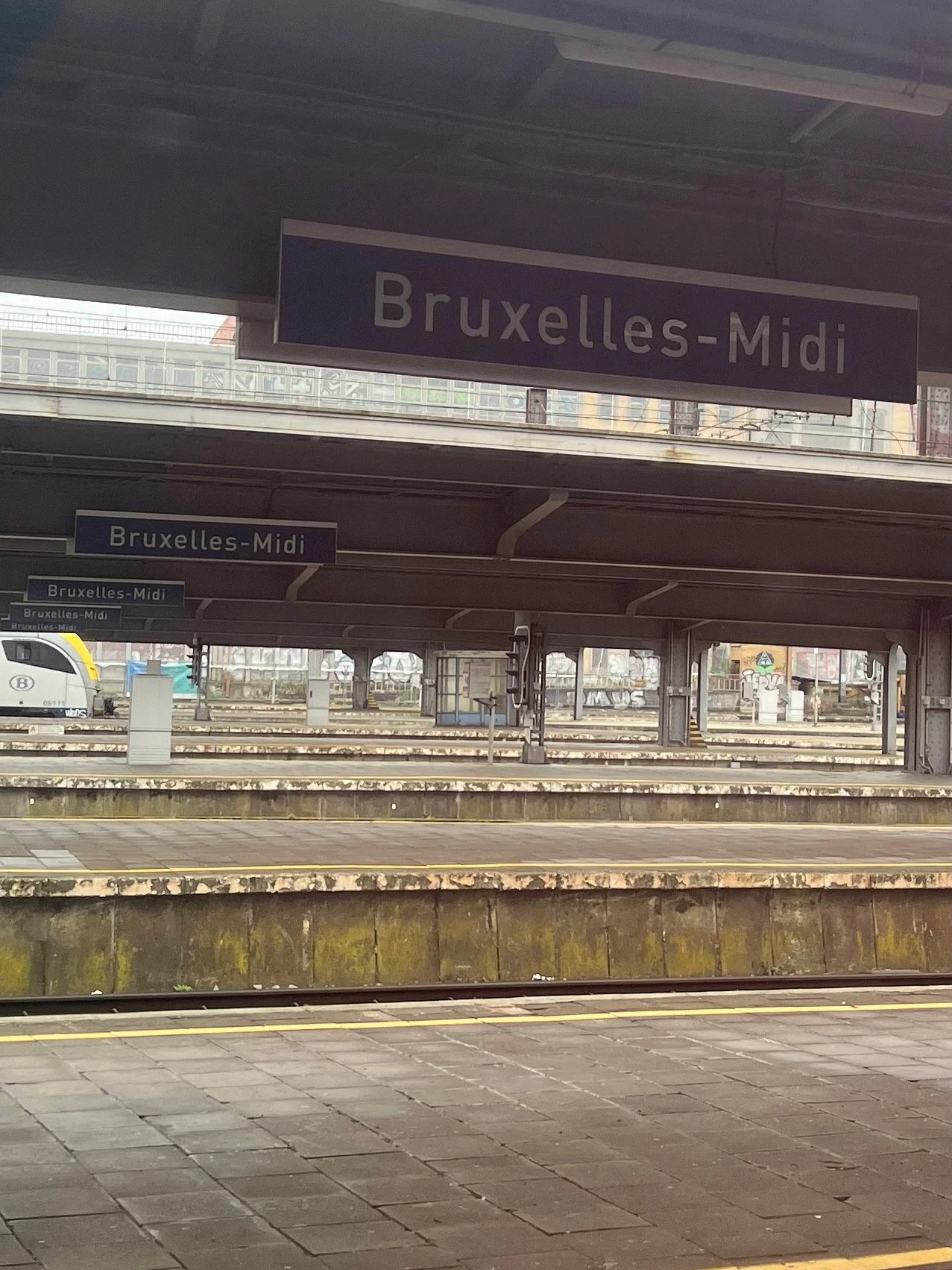
![]()
Brussels-South Railway Station, Brussels, Belgium
-
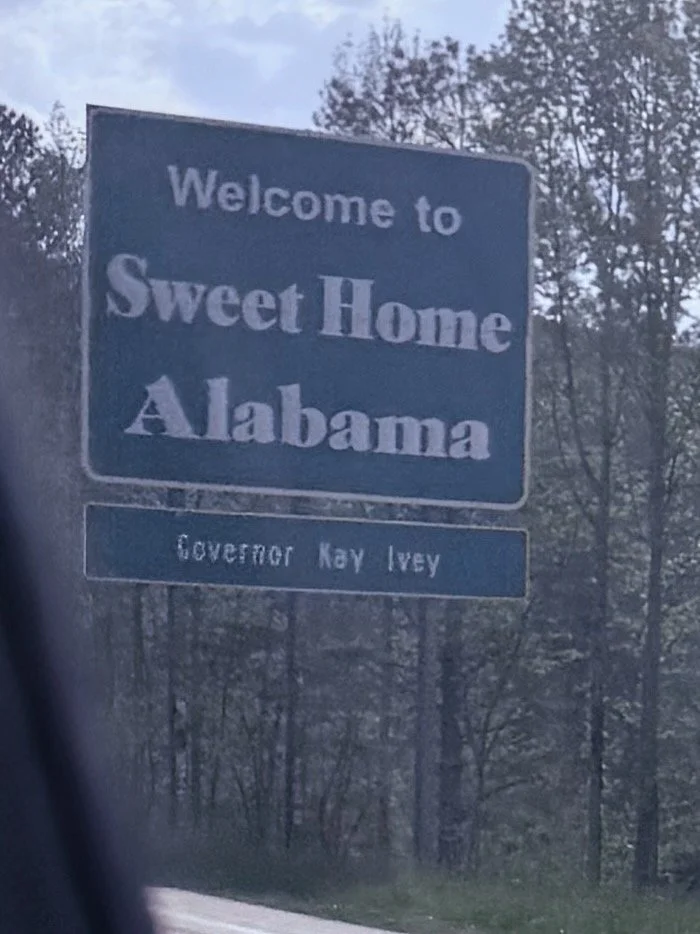
![]()
Route 20, Muscadine, Alabama
-
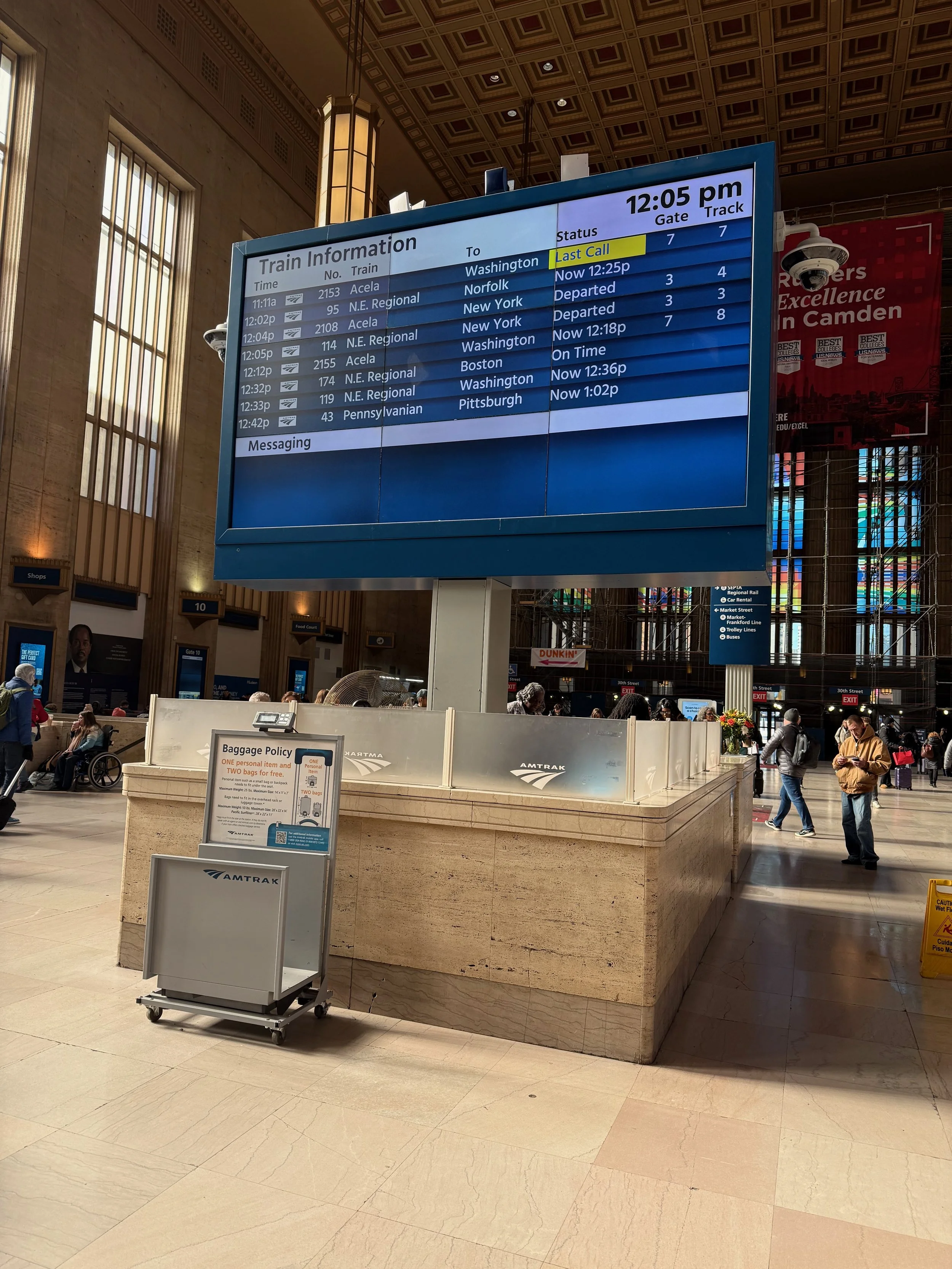
![]()
30th Street Station, Philadelphia, Pennsylvania
-
![]()
Newark Airport, Newark, New Jersey
-
![]()
Tocumen International Airport, Panama City, Panamá
-
![]()
Conshohocken Train Station, Conshohocken, Pennsylvania
-
![]()
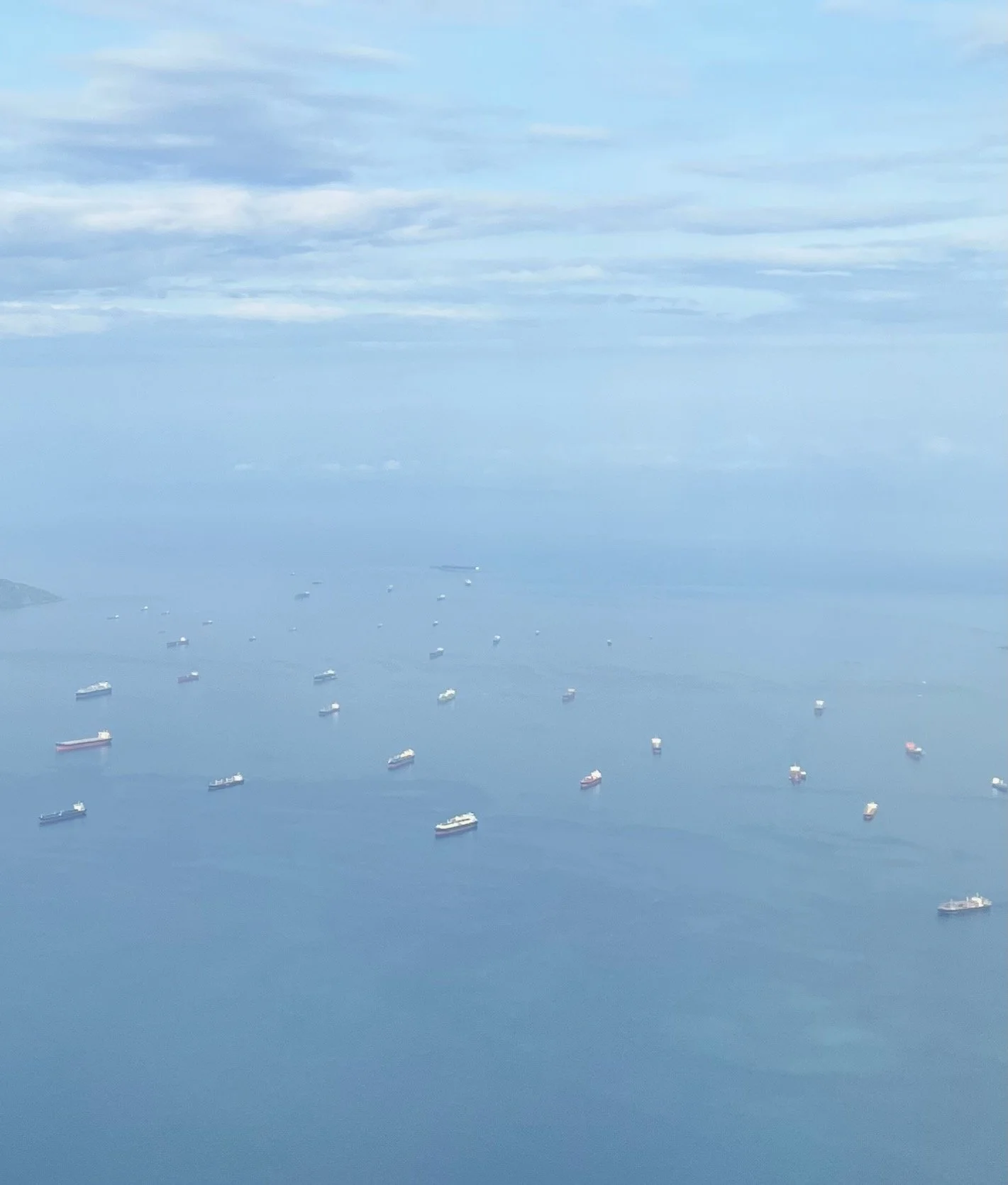
Bahía de Panamá, Panama City, Panamá
-
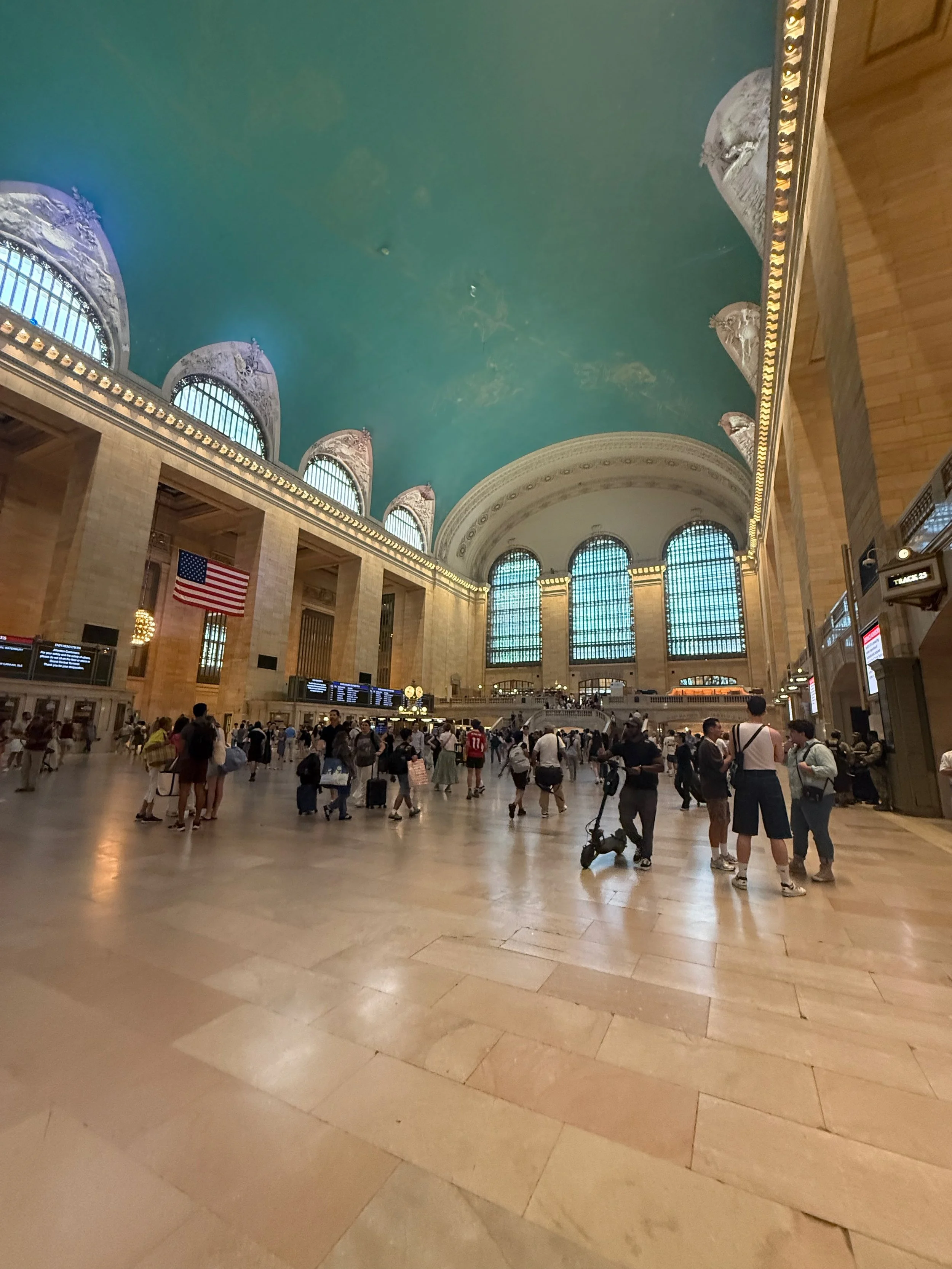
![]()
Grand Central Station, New York, New York
-
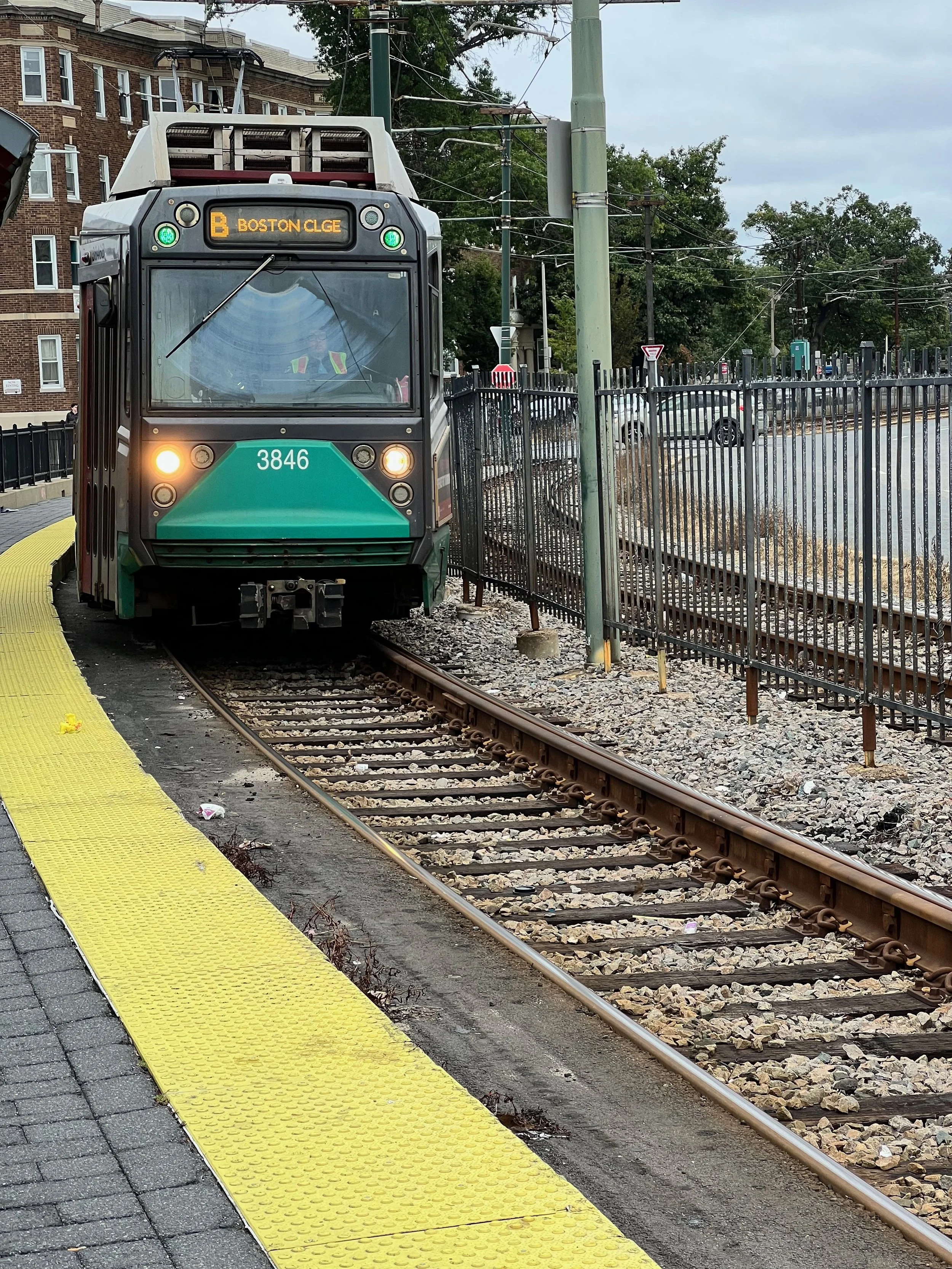
![]()
Commonwealth Avenue, Boston, Massachusetts
-
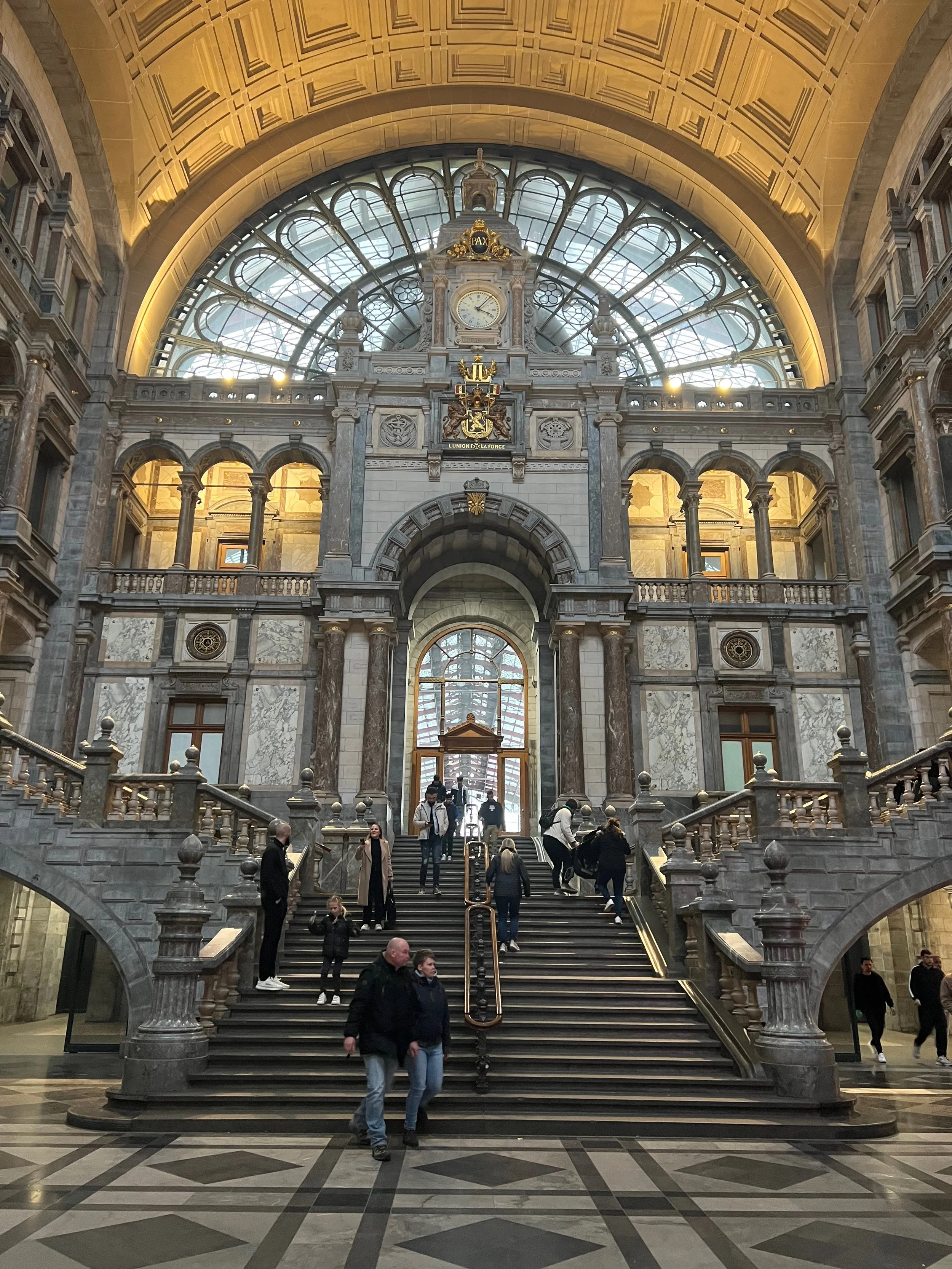
![]()
Antwerpen-Centraal Railway Station, Antwerp, Belguim
Shelters of the Shift
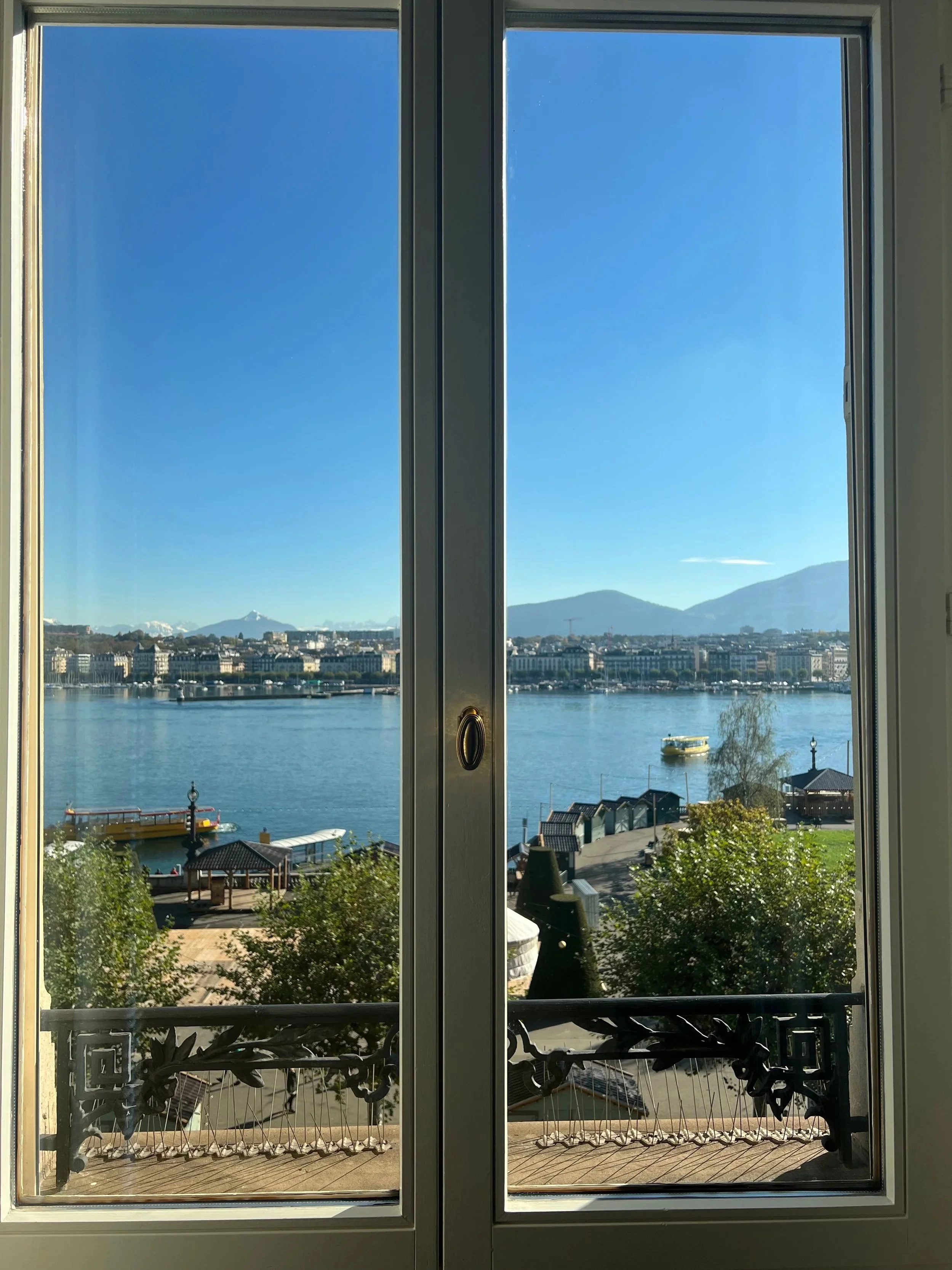
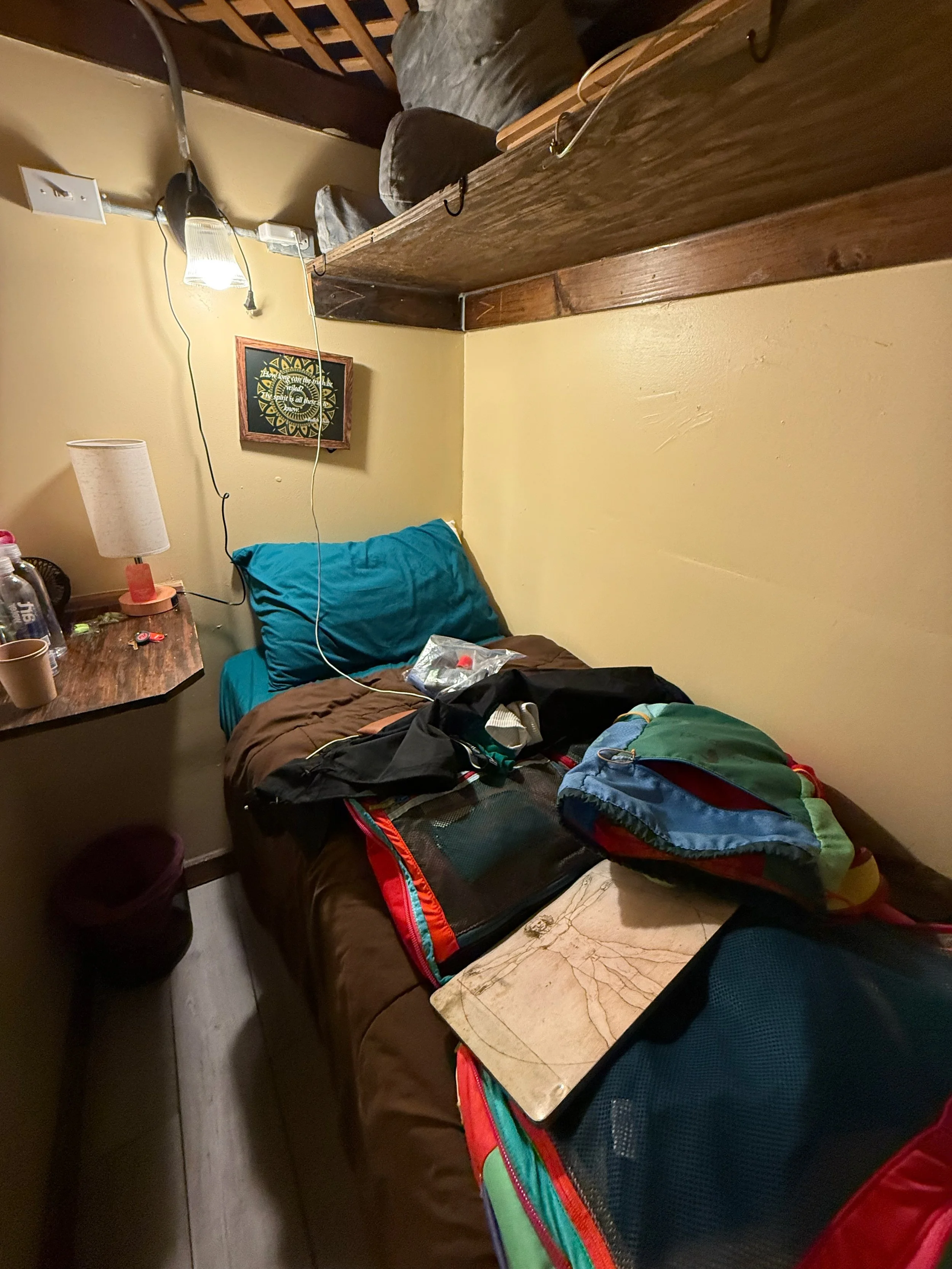
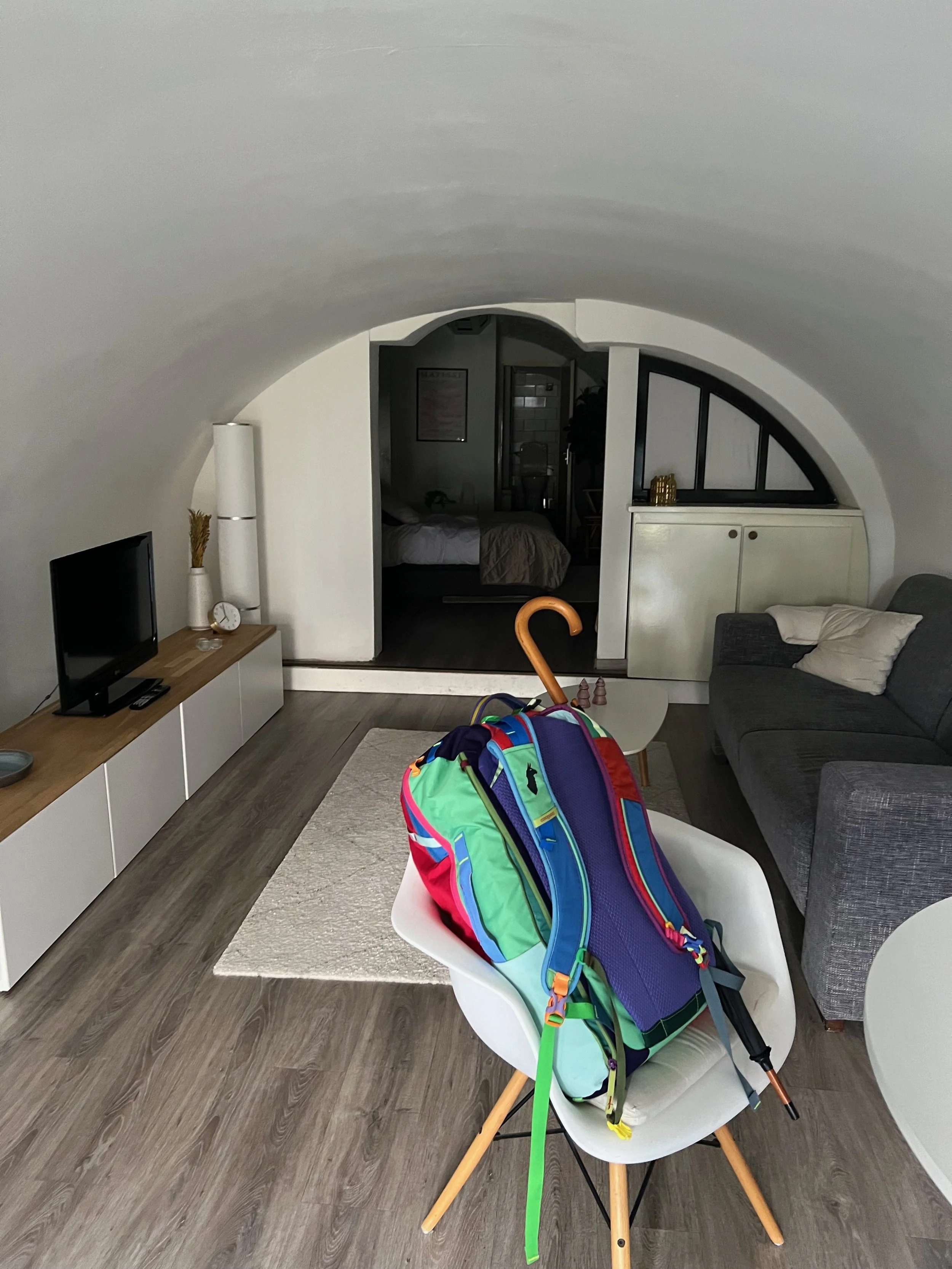
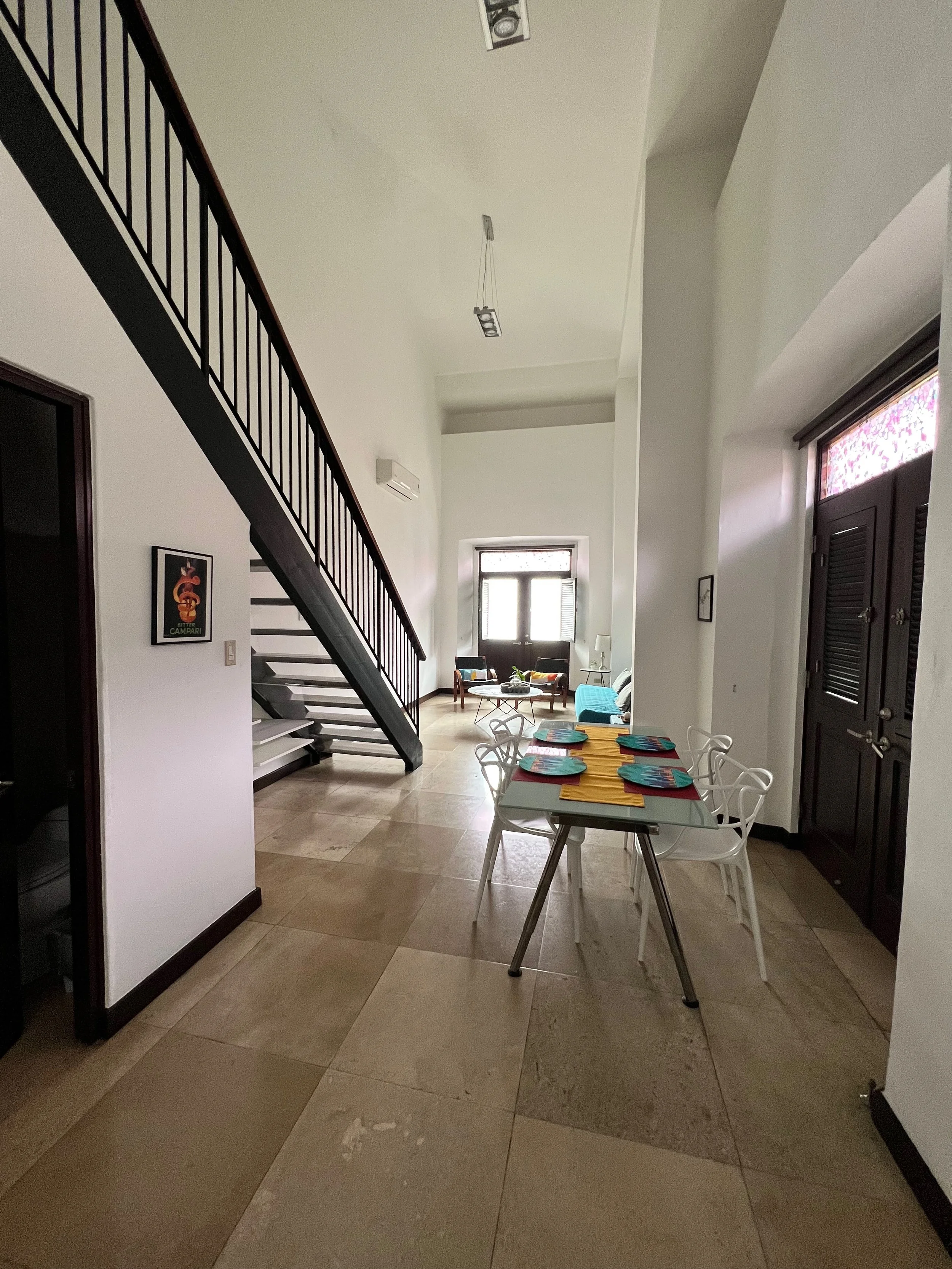
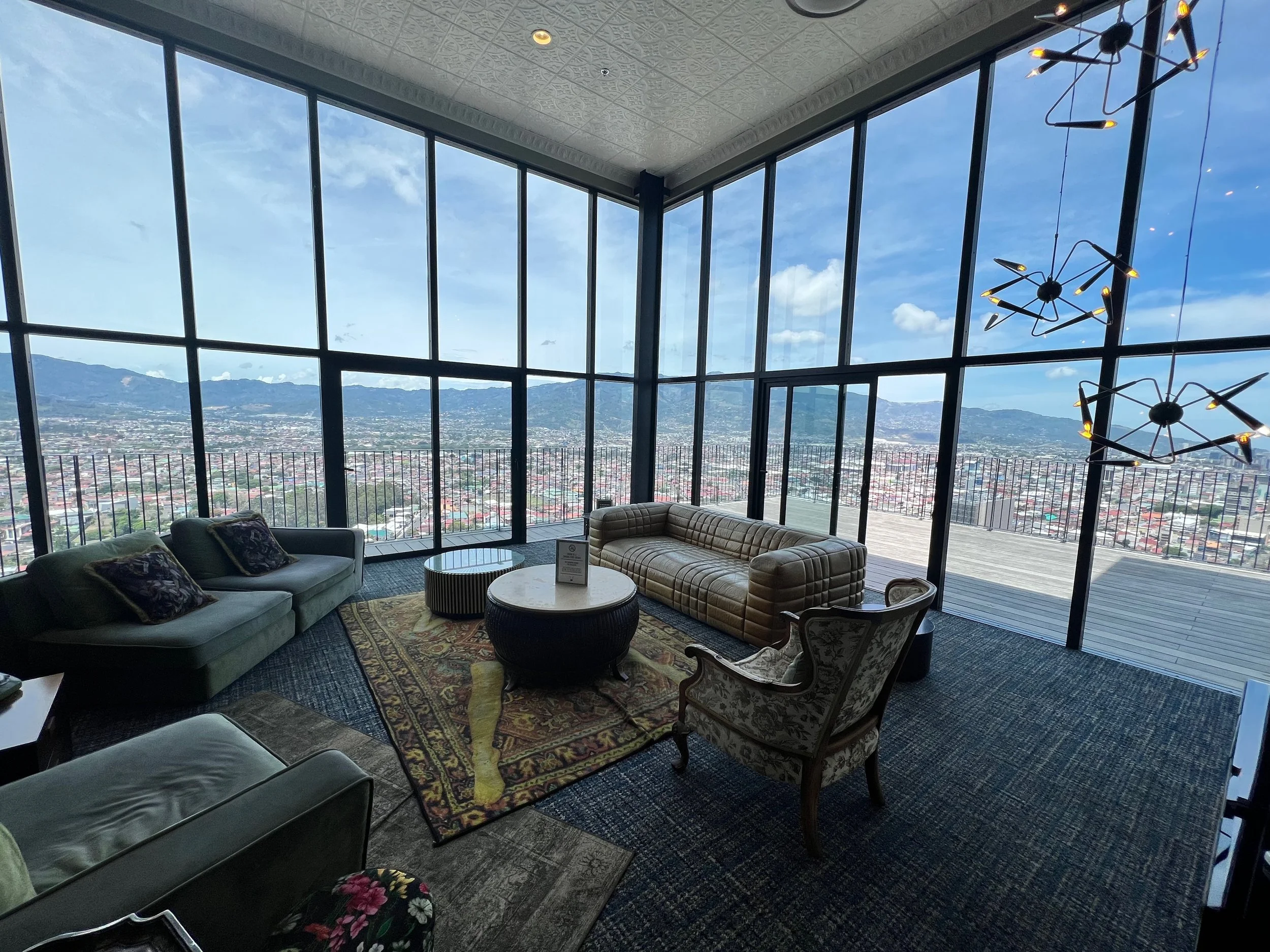
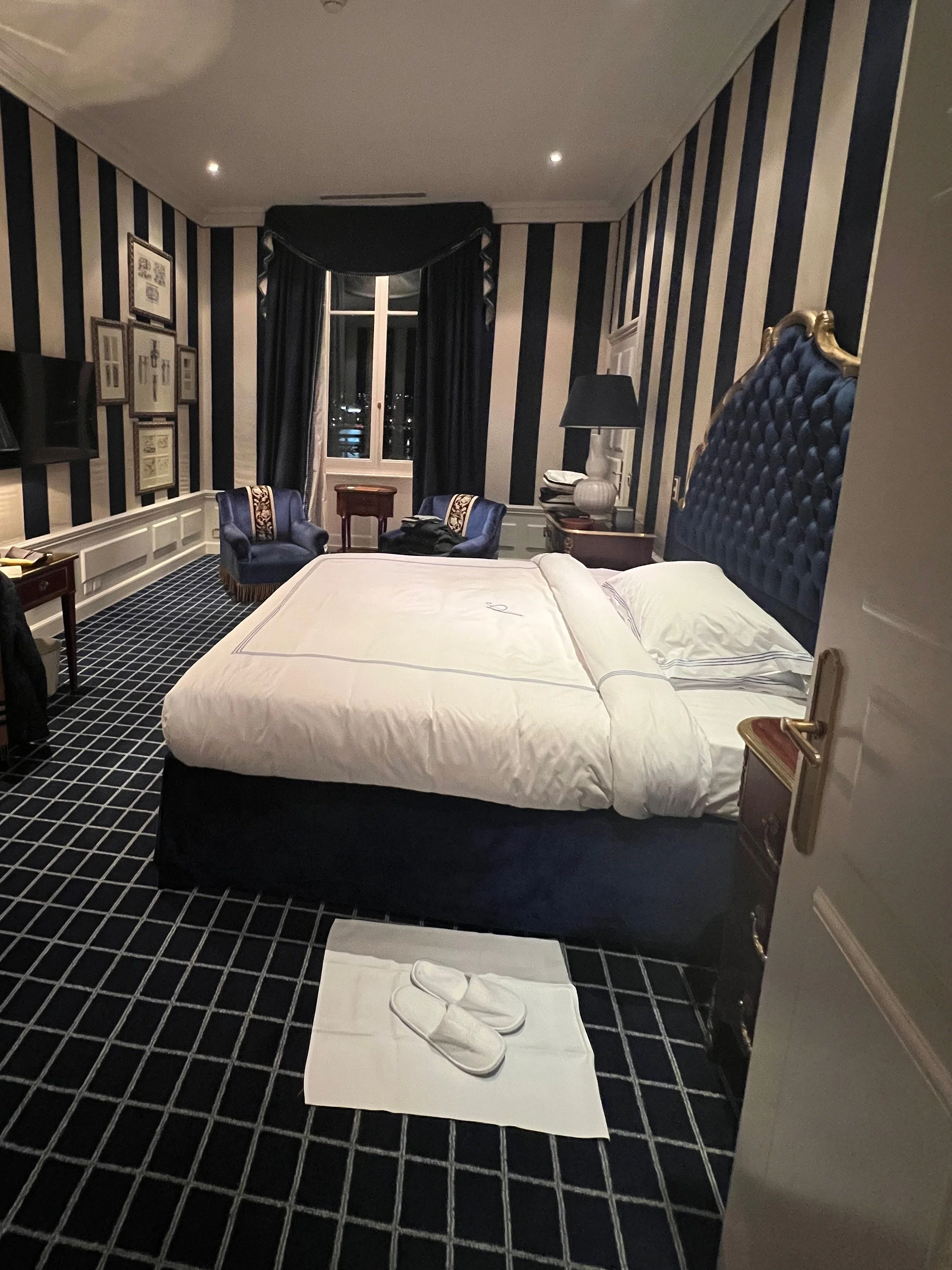
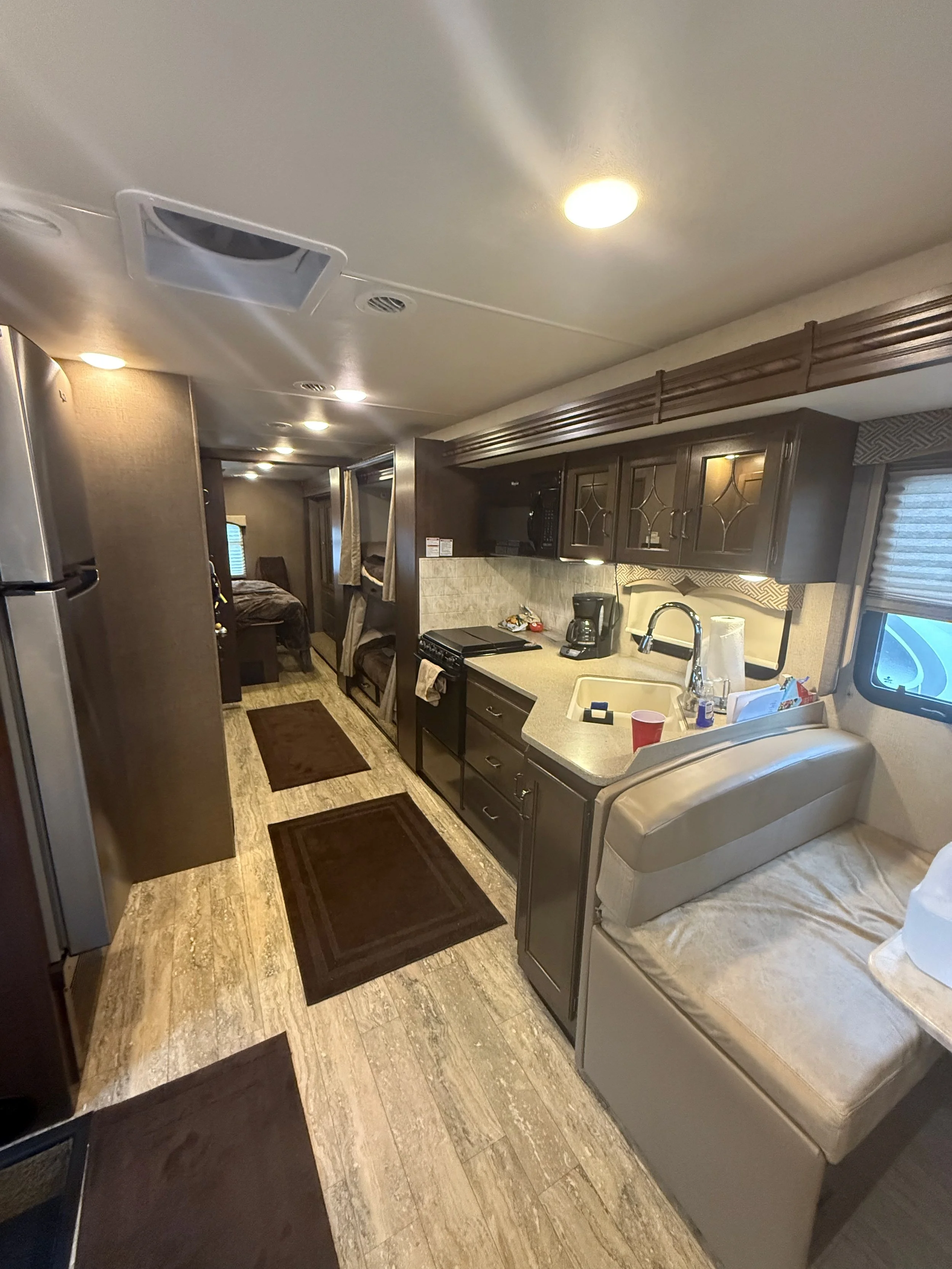
We picture home as one place. One roof. One bed. But when you live the way I have, home is plural. I’ve stayed in canal houses and hostels, in spare rooms and on couches. From RVs to fancy hotels, figuring it out as I went.
Each space held a chapter. Some offered calm. Others felt cramped, chaotic, just barely enough. But all of them carried weight. A place to rest. To recover. To mark the end of one day and the start of another. I’ve learned how quickly a place becomes yours. A chair by the window. A kettle on the stove. A view that surprises. These places don’t always last, but they hold you just the same. For a night, a week, a season.
This is a look at where I’ve stayed. Fragments of shelter, glimpses of how home is made in motion.
-
![]()
New York City, New York
-
![]()
Utrecht, the Netherlands
-
![]()
Panama City, Panamá
-
![]()
San Jose, Costa Rica
-
![]()
Geneva, Switzerland
-
![]()
Talladega Superspeedway, Talladega County, Alabama
Workspaces in Motion
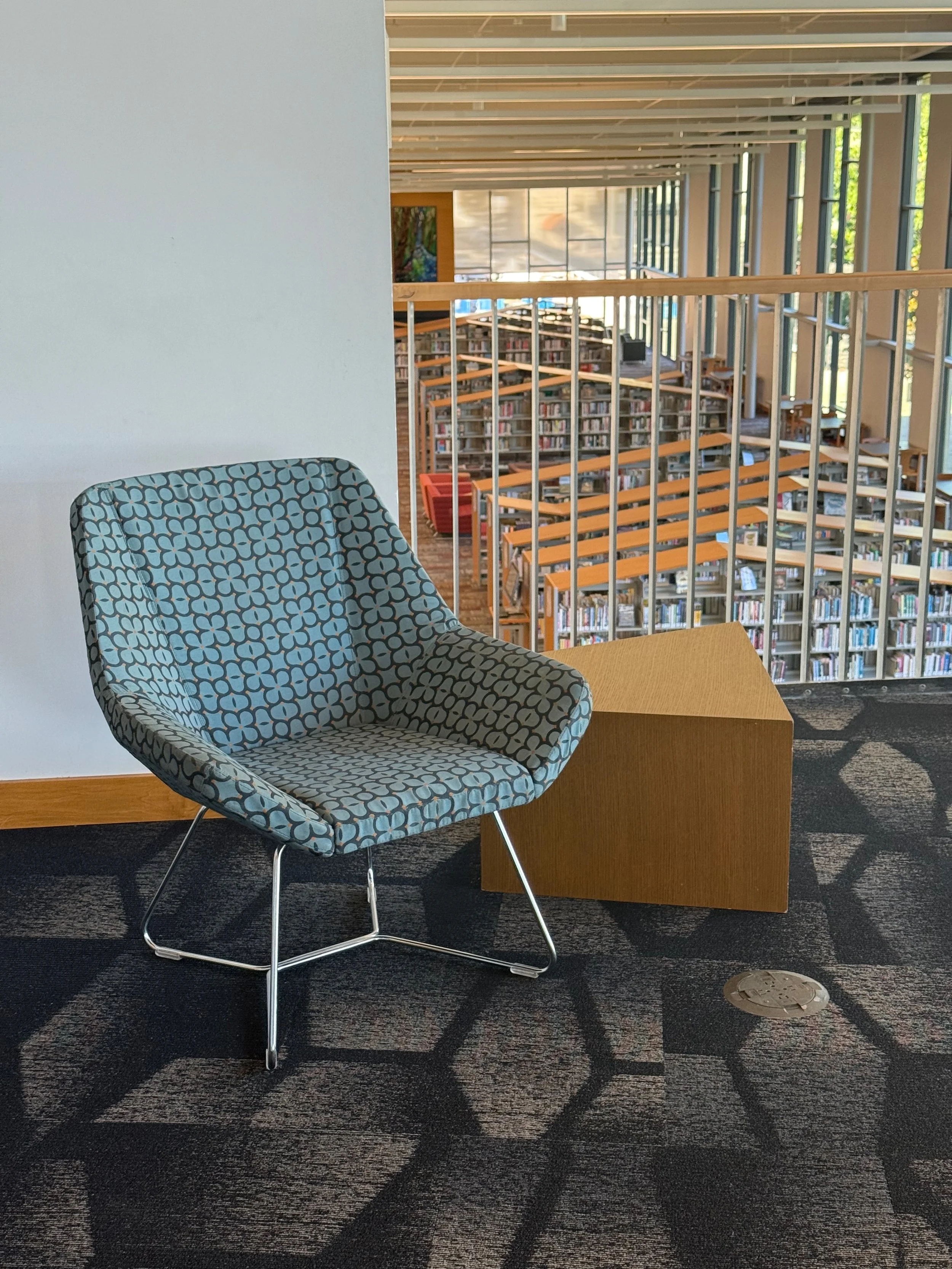
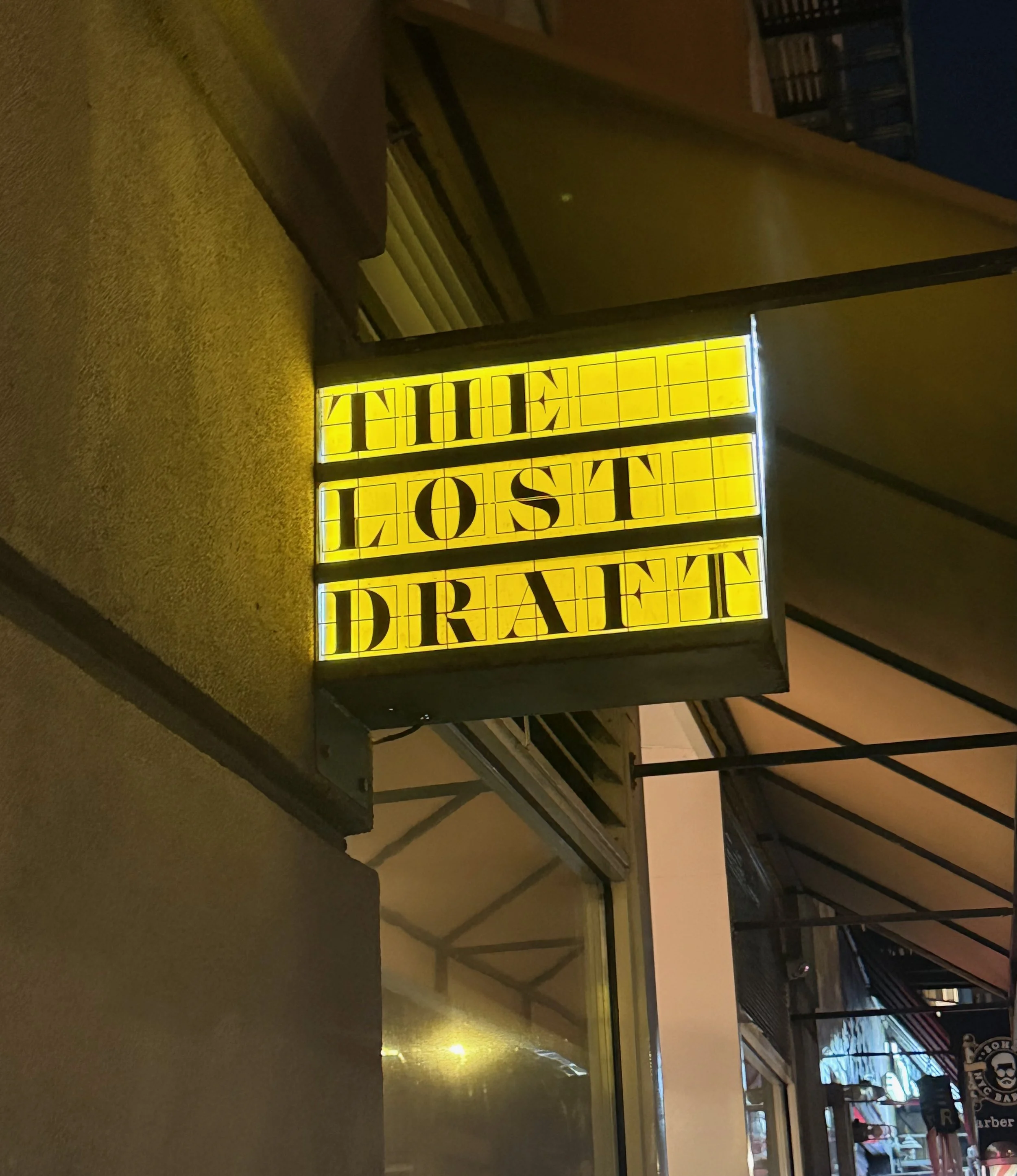
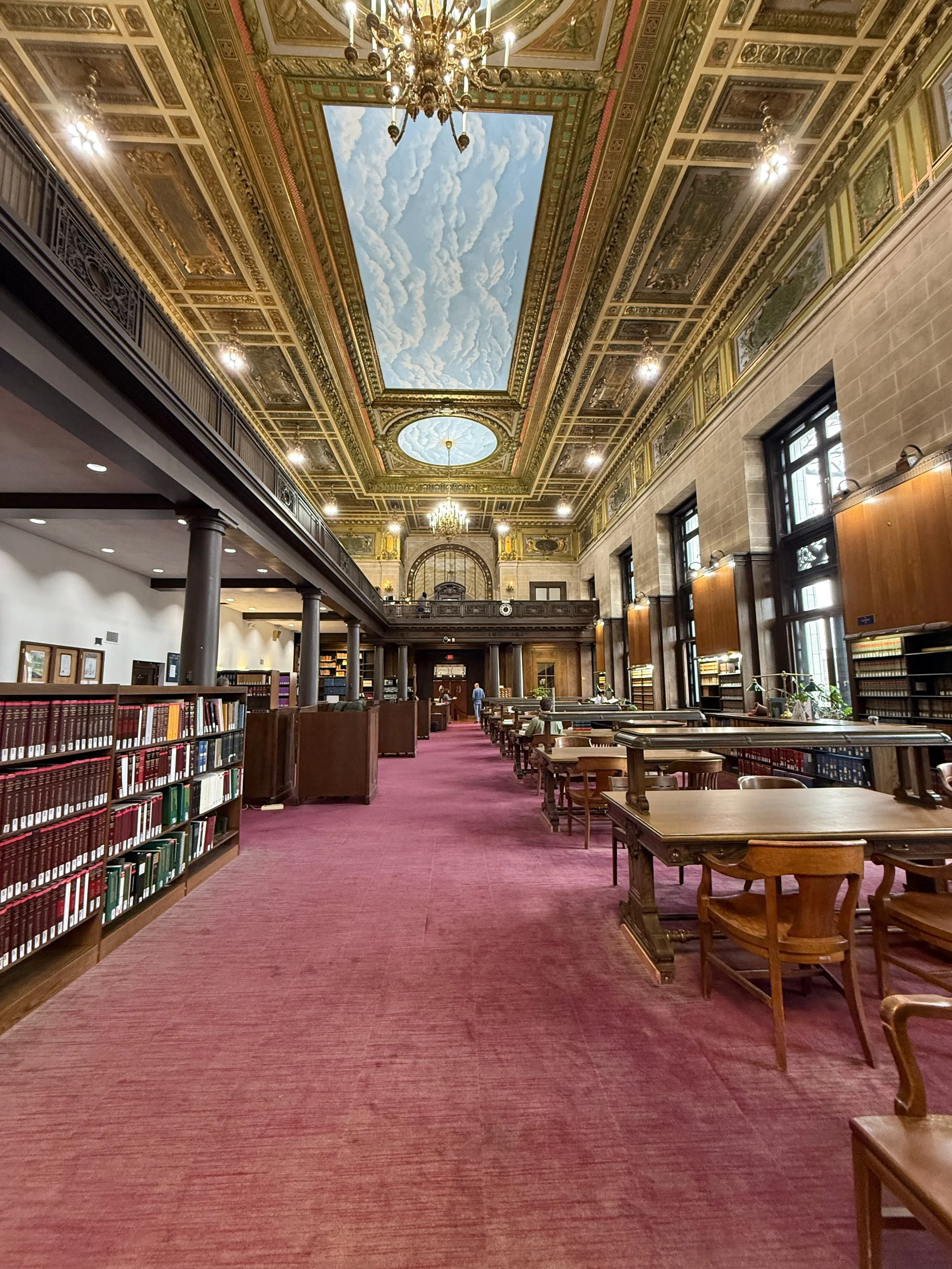
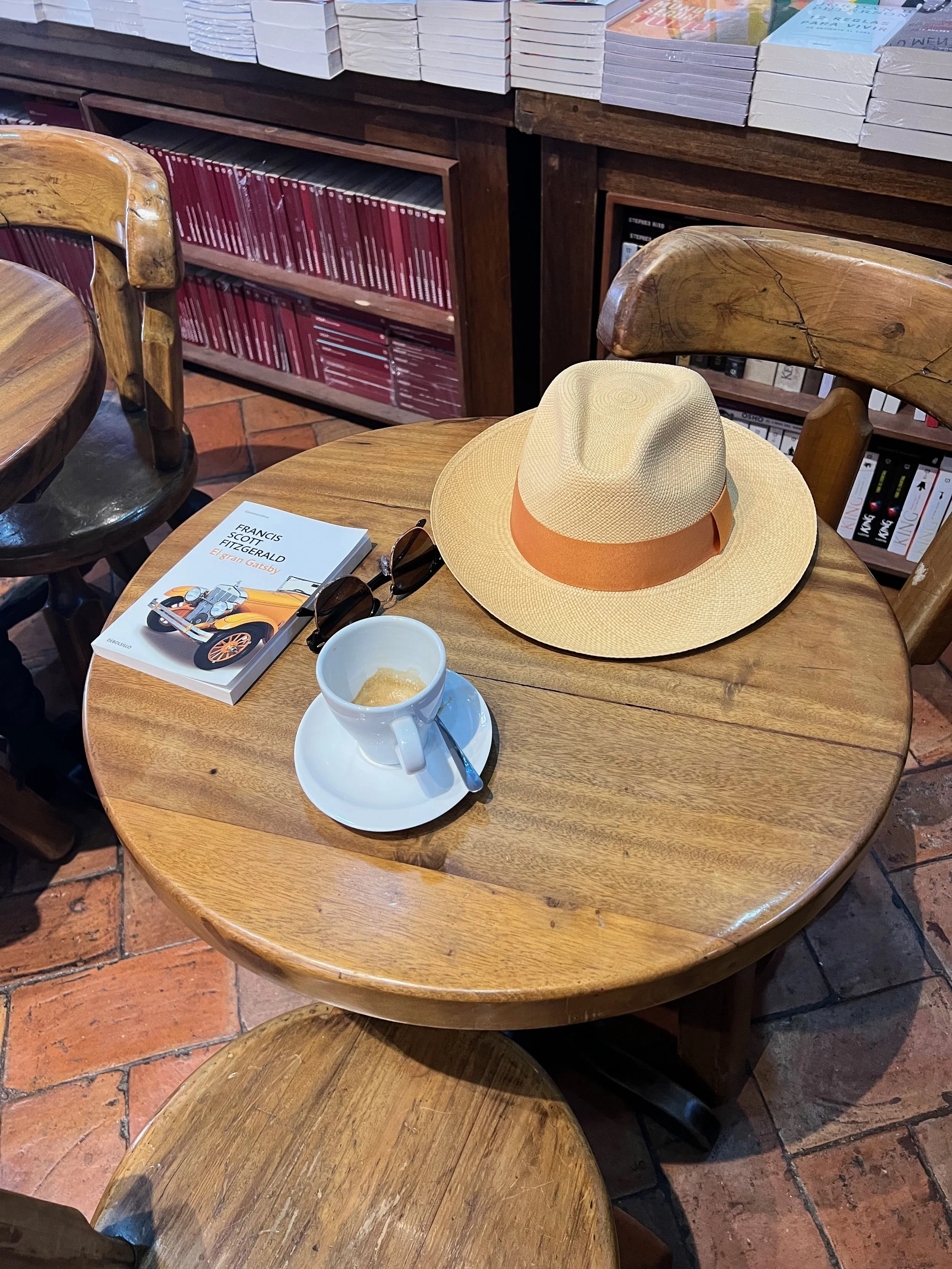
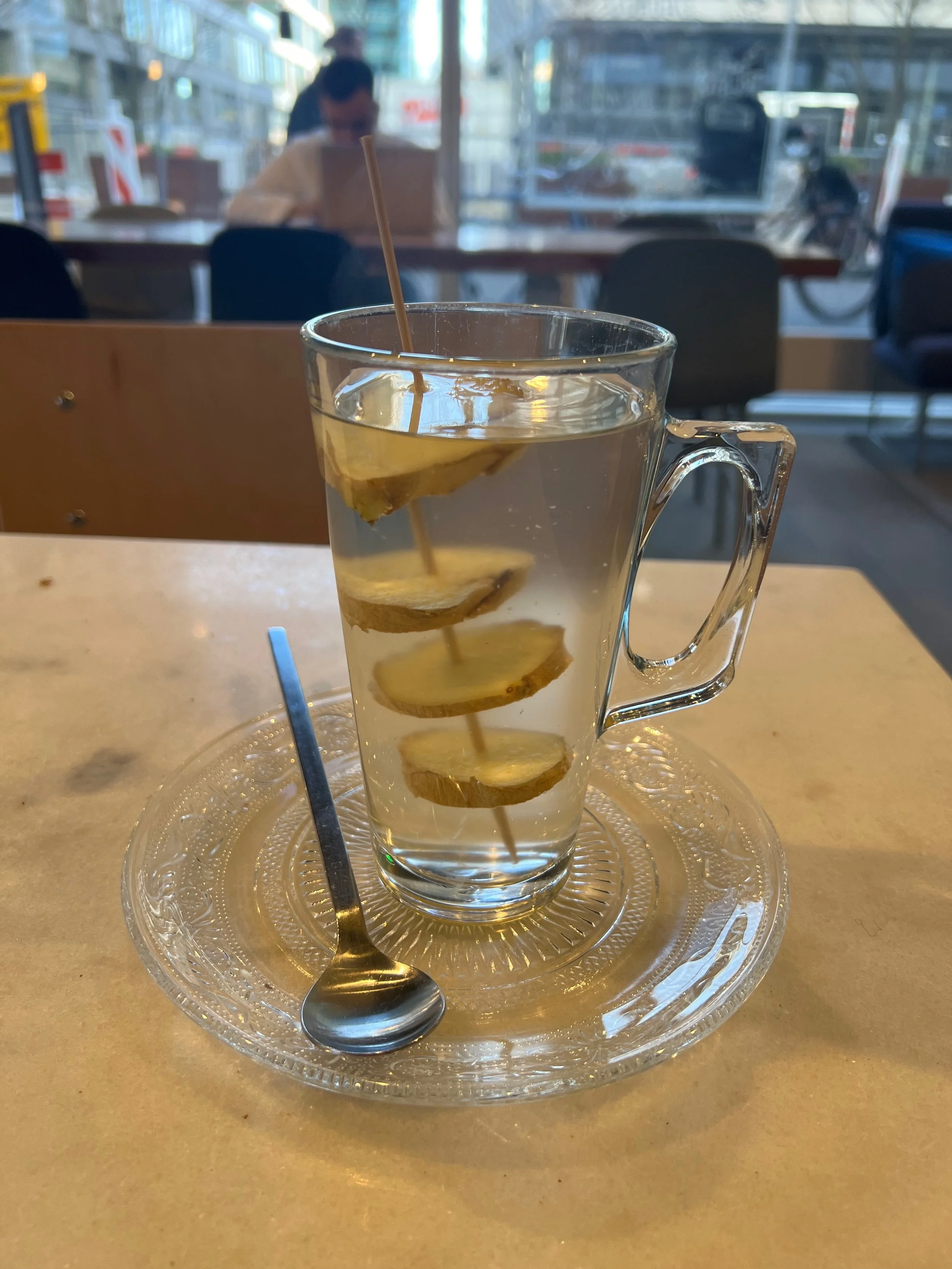
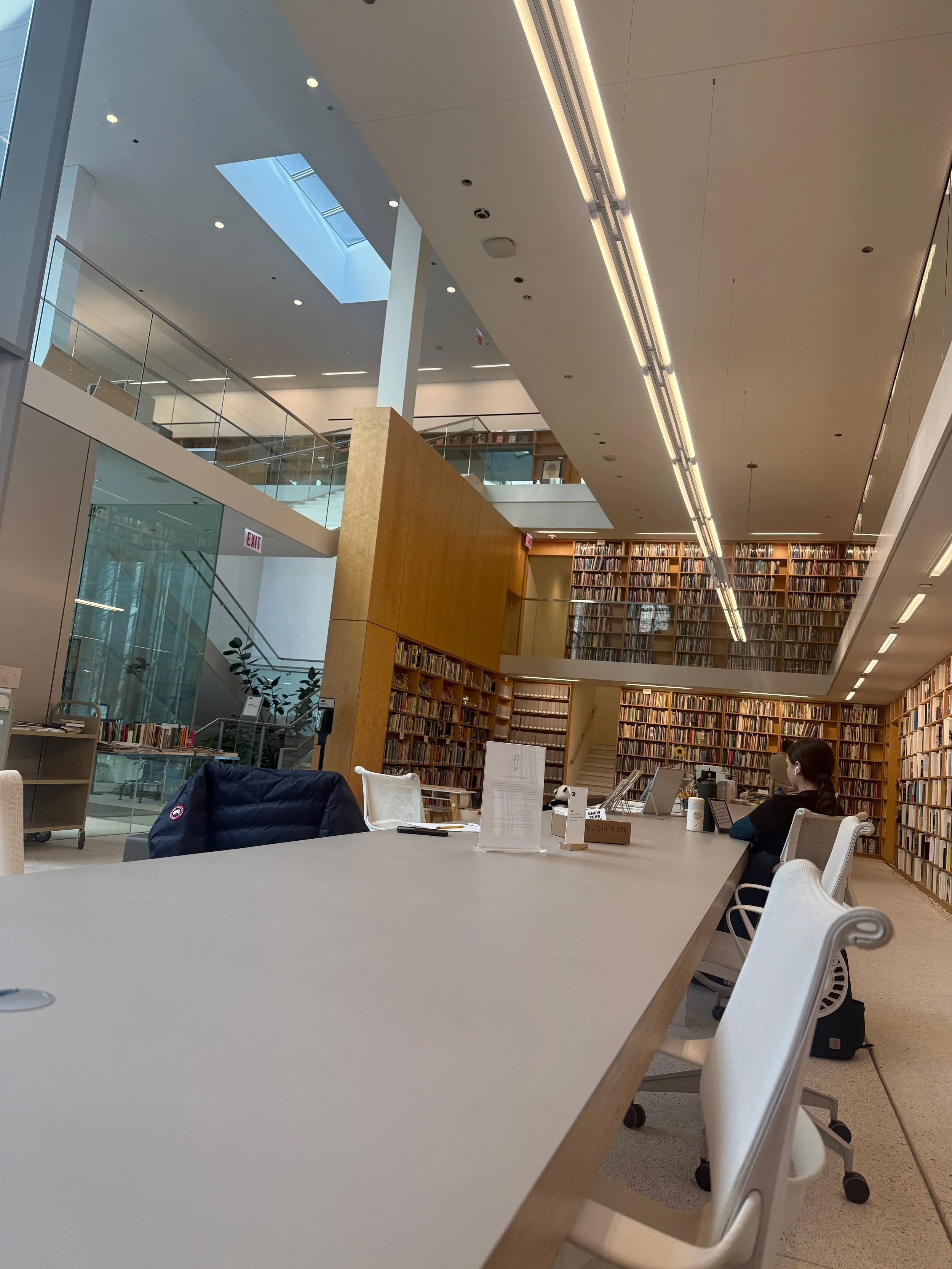
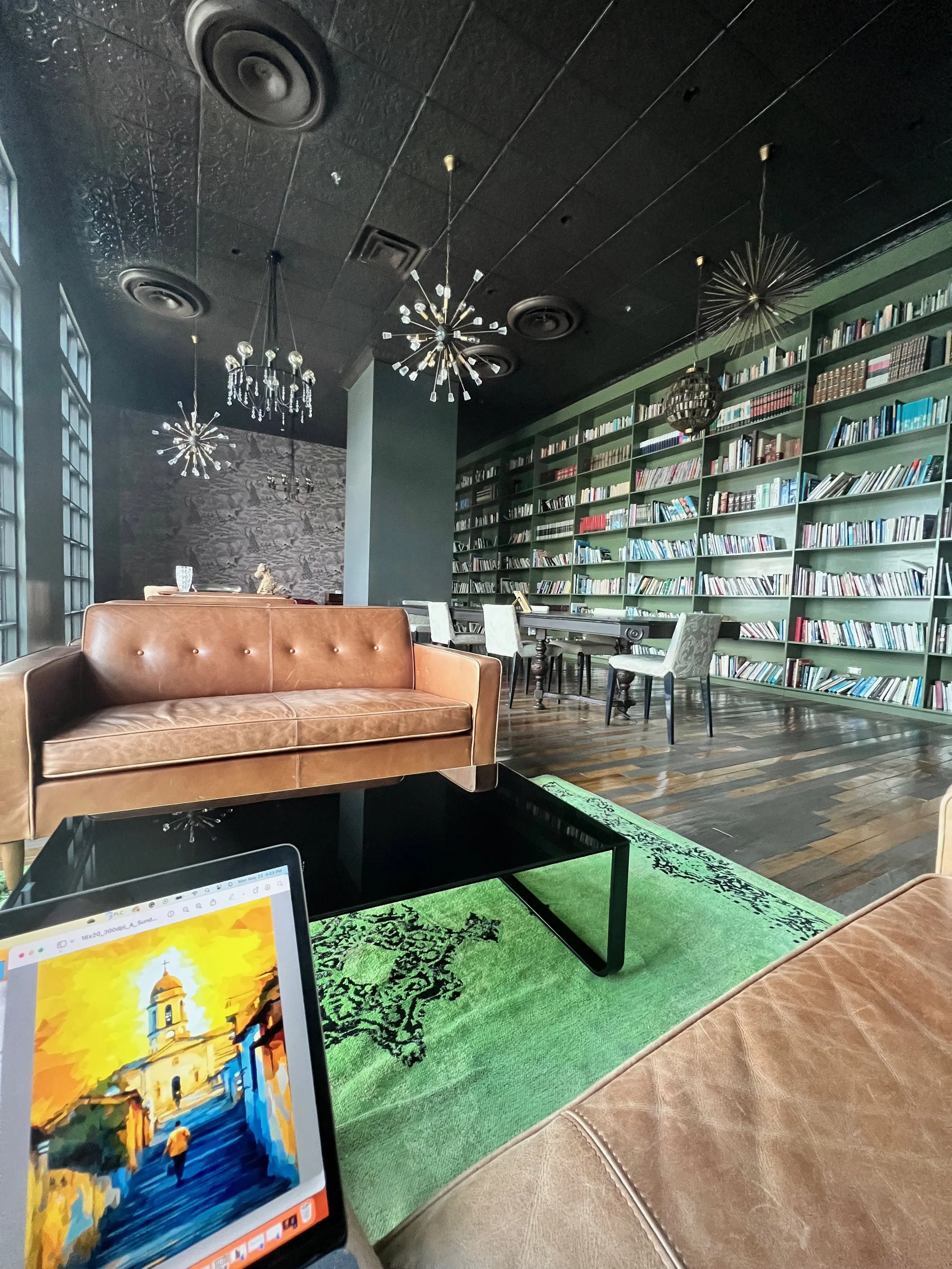
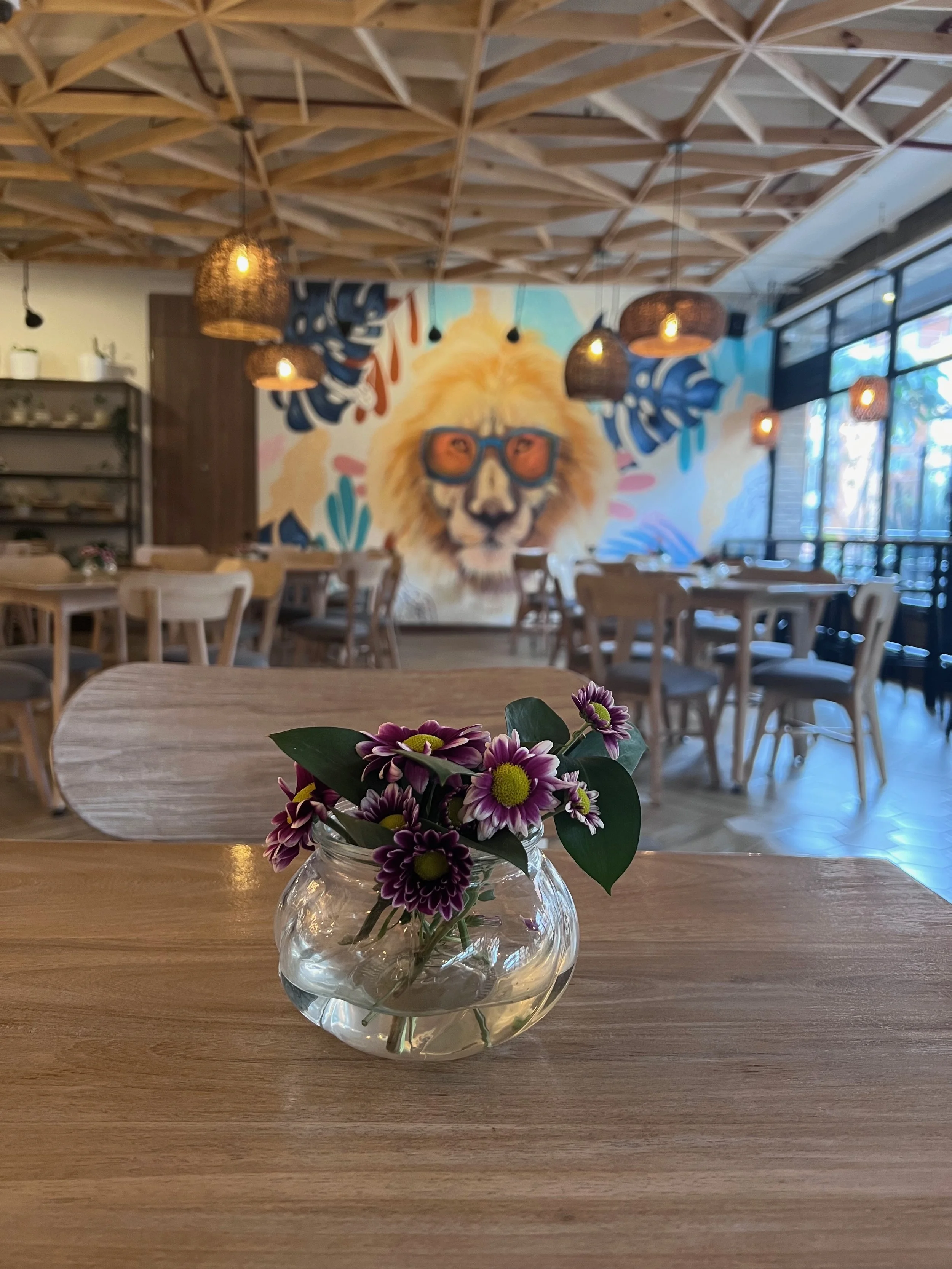
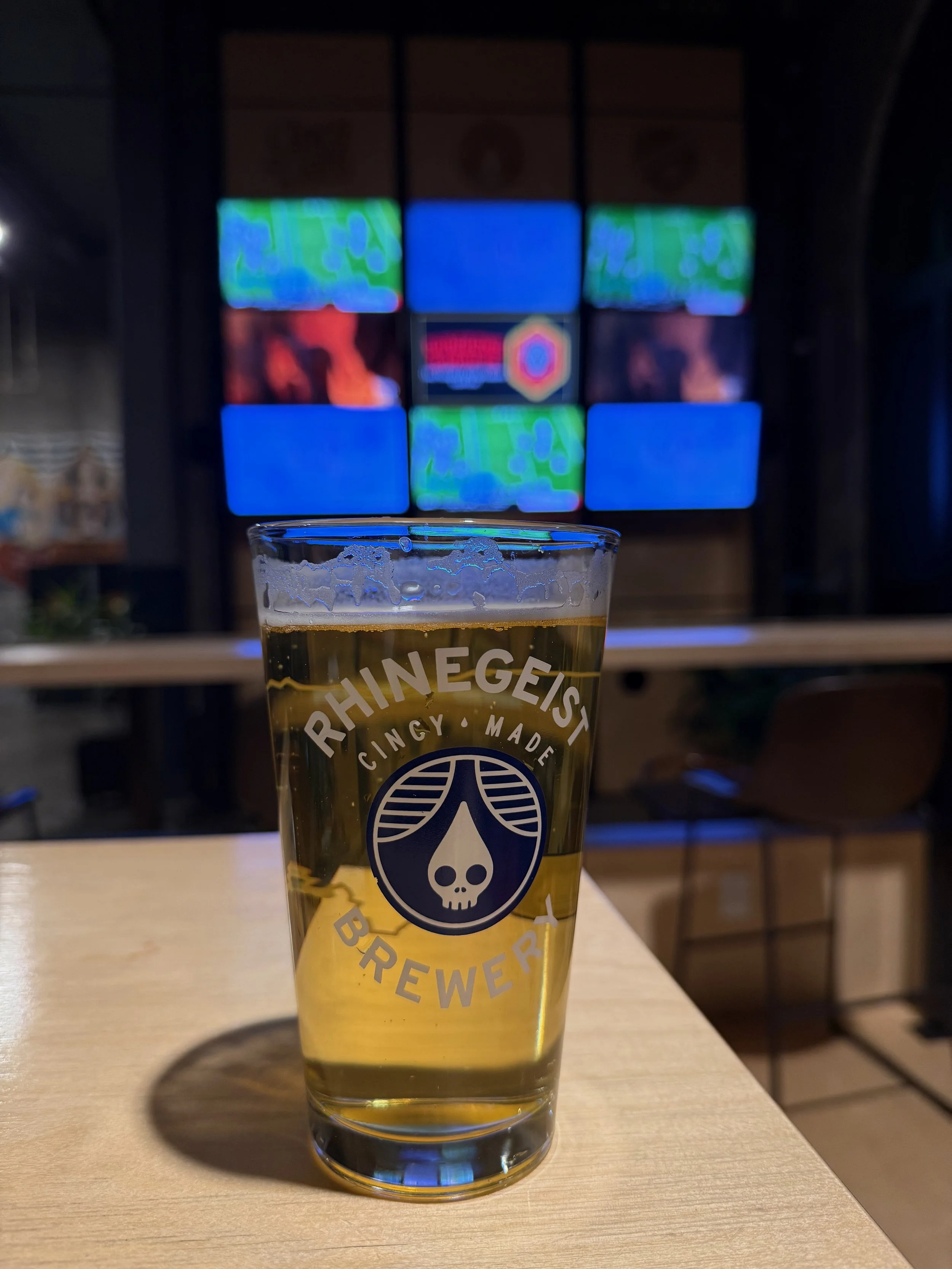
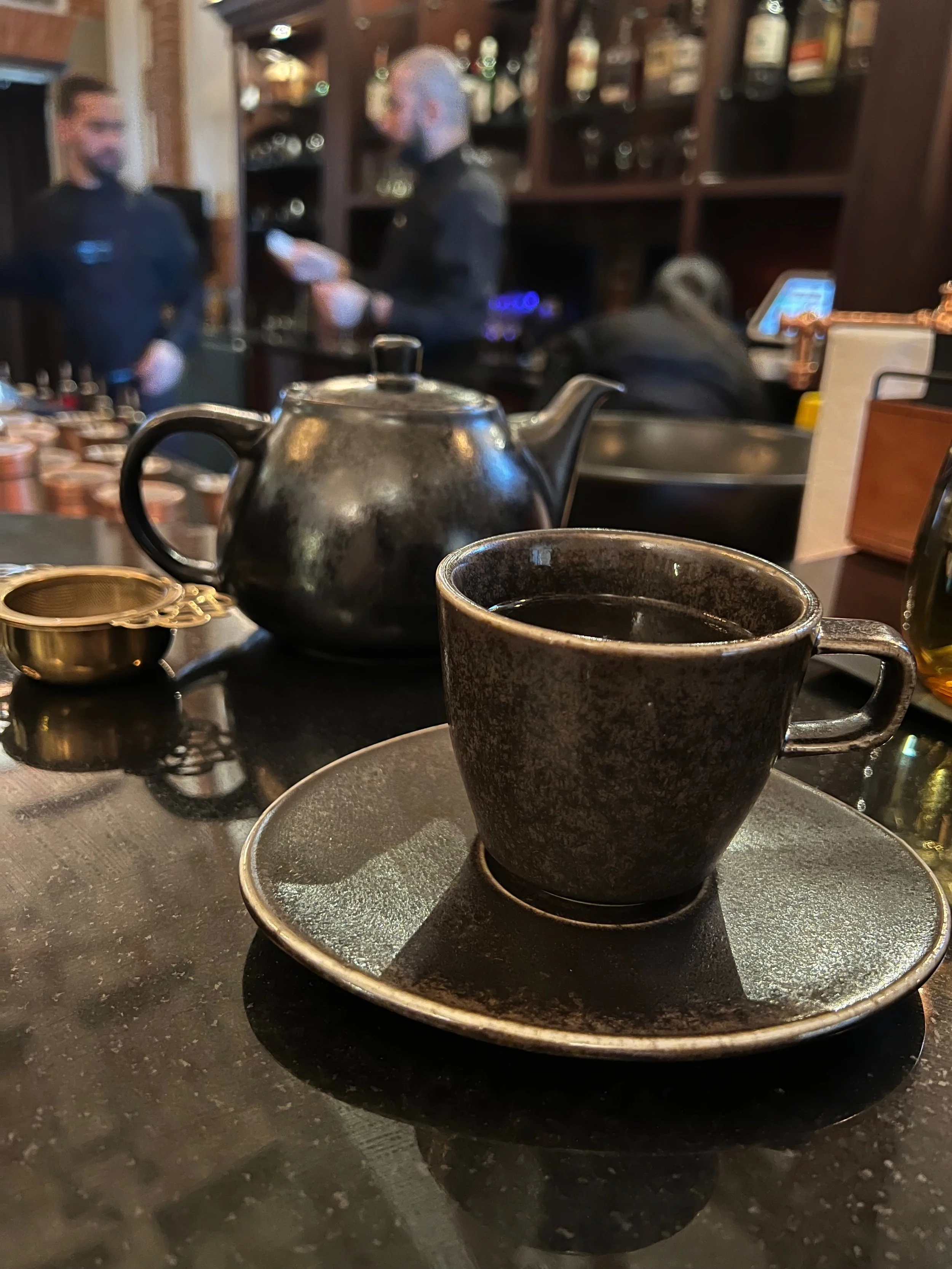
We tend to picture work in one place: a desk, a routine, a single chair worn in by repetition. But when you live on the road, work finds you where it can. I’ve opened my laptop in cafes, libraries, and co-working spaces. Breweries, train cars, hotel lobbies. Anywhere with Wi-Fi, a little light, and a chair that didn’t ask too many questions.
These places are scattered across cities and continents, but together they form a quiet map. The rhythm of writing, of building, of thinking, held in borrowed corners and temporary tables. A cup of tea. A pint. A charger. A view.
I’ve learned to adapt quickly, to find focus amid unfamiliar soundscapes. These are the rooms where essays were drafted, talks prepared, work found its shape. Not permanent, but essential. A reminder that meaning doesn’t need permanence. Just presence.
-
![]()
Dayton Public Library, Dayton, Ohio
-
![]()
The Lost Draft, Broome Street, New York, New York
-
![]()
Connecticut State Library, Hartford, Connecticut
-
![]()
Ábaco Libros y Café, Cartagena, Colombia
-
![]()
House of Tribes, The Hague, the Netherlands
-
![]()
Poetry Foundation, Chicago, Illinois
-
![]()
The Library, San Jose, Costa Rica
-
![]()
Culto, Bogotá, Colombia
-
![]()
Rhinegeist Brewery, Cincinnati, Ohio
-
![]()
Map Room Lounge, Boston Public Library