Secular Cathedrals
What we build says as much about what we believe as any anthem or flag. The buildings we erect, restore, preserve, or abandon are not just spaces. They are declarations.
Courthouses and capitols. Museums and stadiums. Bookstores, train stations, libraries. Each carries its own symbolism. Each reveals something about who holds power, who is welcomed in, and who is left standing outside.
Some preserve memory. Some manufacture distraction. Some stand as monuments to what we dare not say aloud.
Traveling across 28 states, I’ve come to see these structures not as neutral architecture, but as emotional infrastructure. They are shaped by the stories we tell and the silences we keep. They are expressions of pride, fear, aspiration, and erasure.
They ask questions without speaking:
Who does this building serve?
Who does it protect?
What is it trying to prove?
In small towns and big cities, I found buildings that felt more like rituals than real estate. Walking into some spaces felt like stepping into someone else’s imagination of America; one built for them, not for all. In others, I felt possibility. Pluralism. Even grace.
Architecture becomes autobiography when seen at scale. Every brick and blueprint holds clues about who we think we are, who we used to be, and what futures we are building or avoiding.
To witness America through its buildings is to trace the contours of its conscience. Fractured. Unfinished. Revealing.
If monuments are memory made physical, then these structures are belief made visible. And across this country, those beliefs are not always aligned. But they are always instructive.
Capitols of Belief
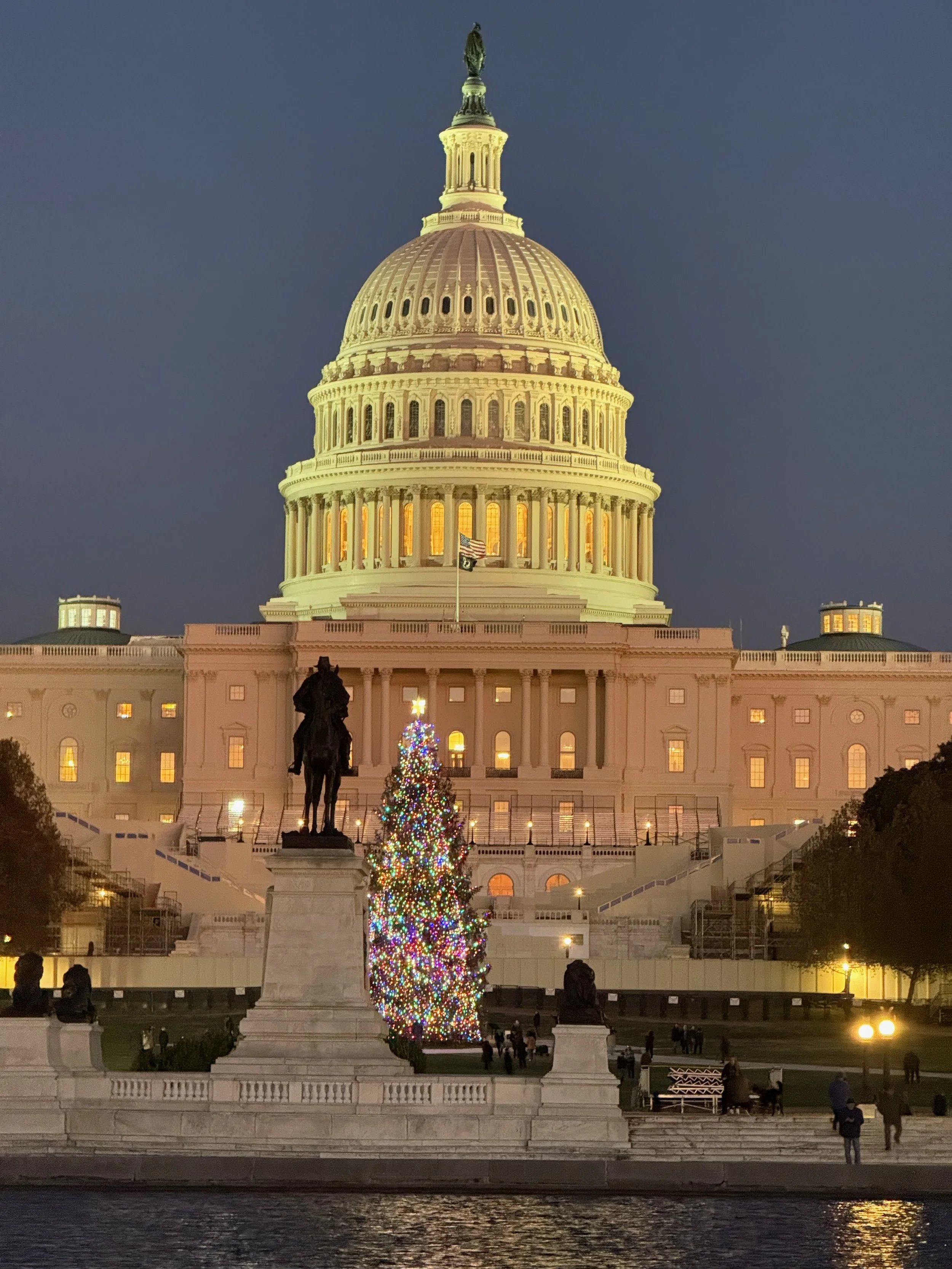
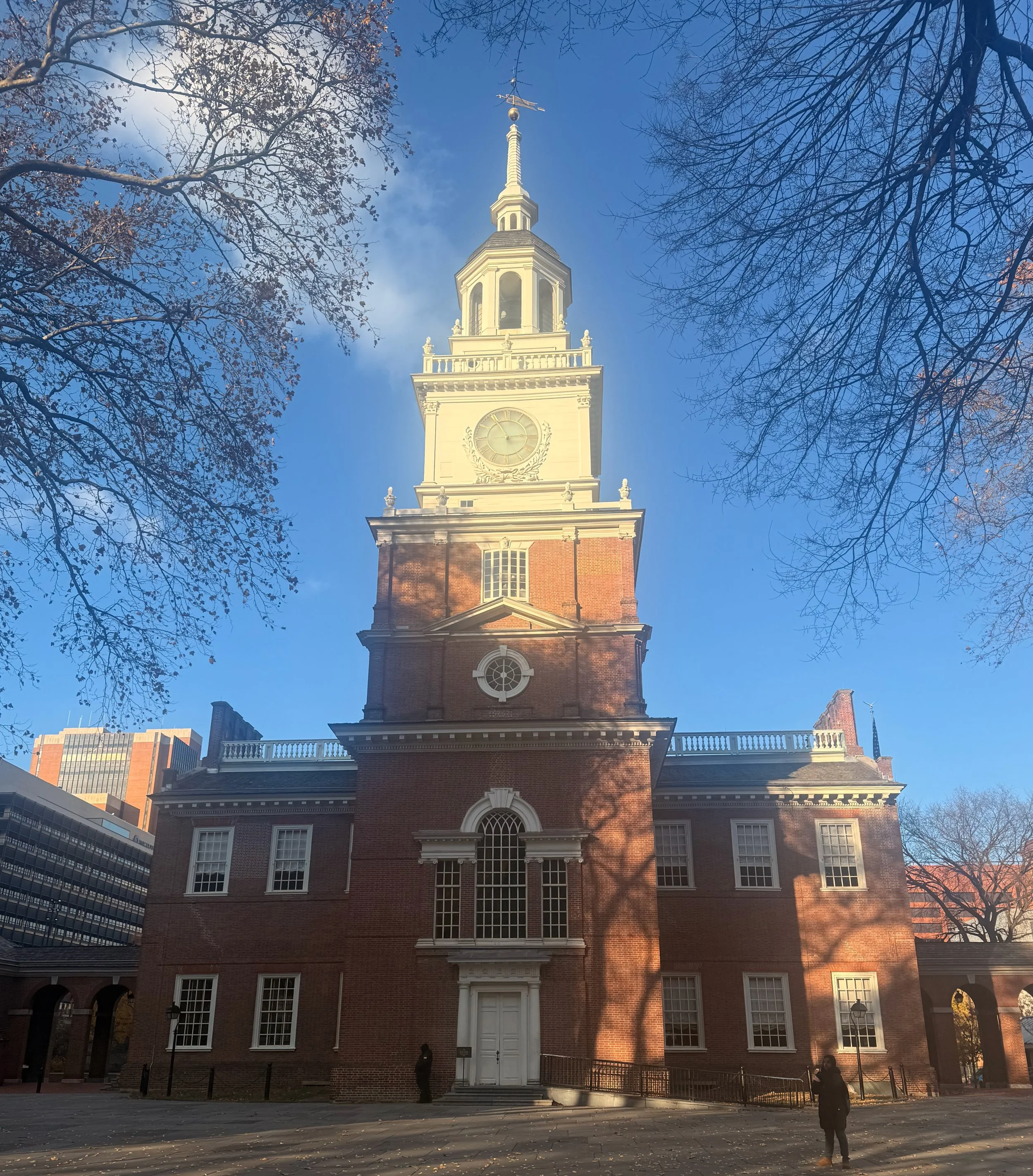
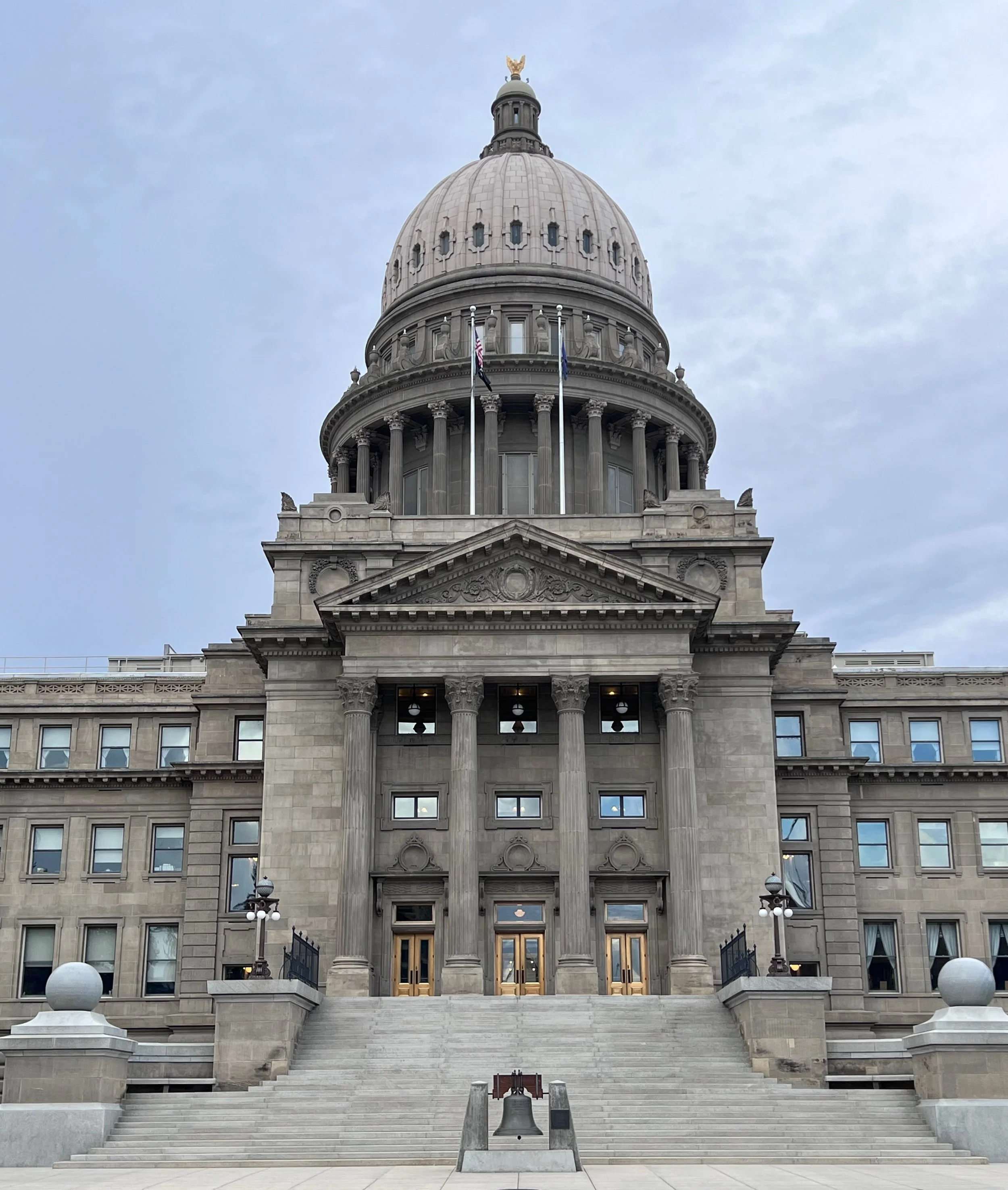
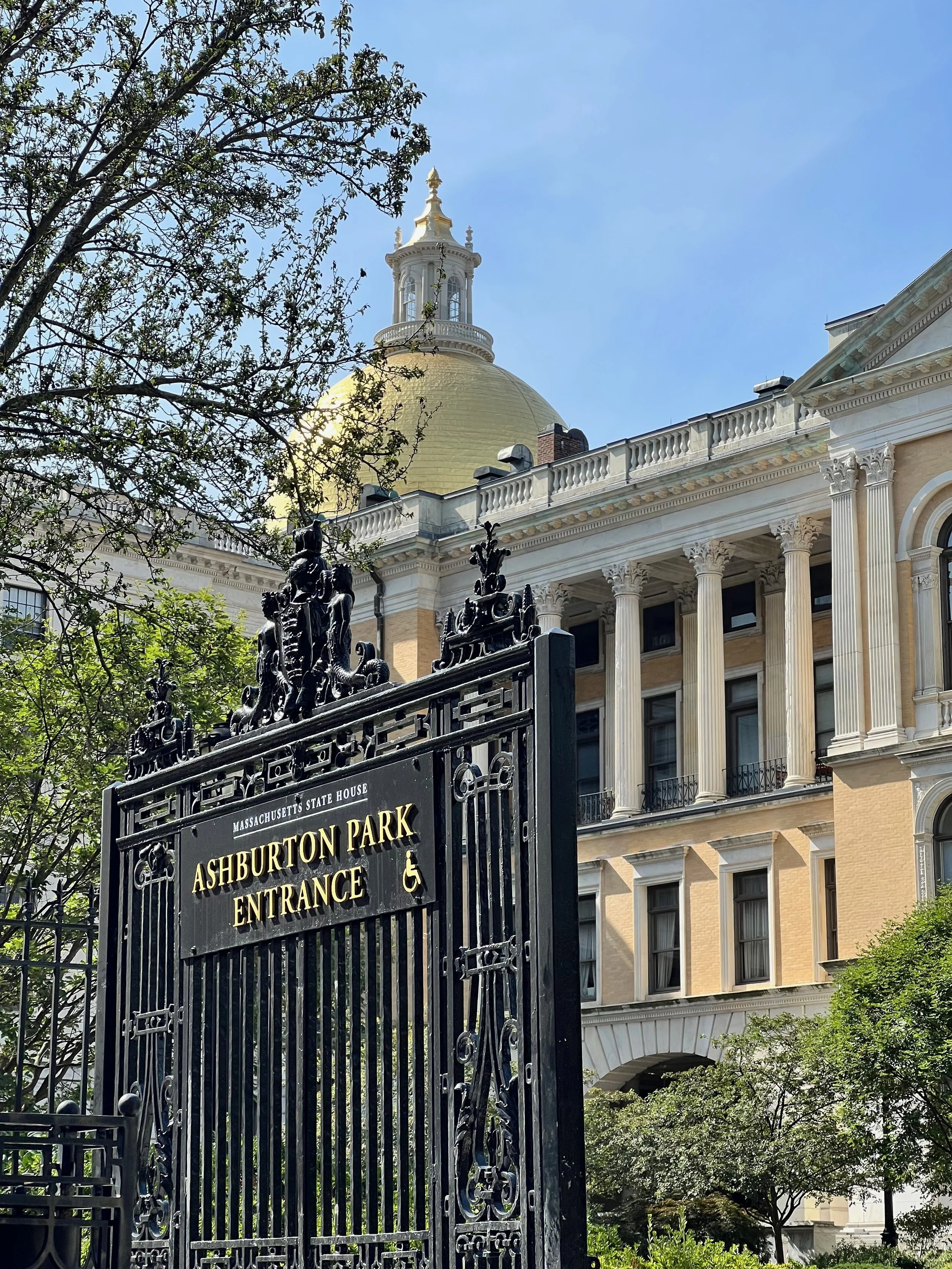
These buildings are where American belief is formalized. Where ideals are translated into stone, symmetry, and scale. Domes rise. Columns repeat. Facades borrow from ancient empires to signal continuity, legitimacy, and permanence. This is democracy rendered architectural.
Others guarded, distant, fortified. Flags fly. Steps ascend. Entrances frame who is expected to enter and who is meant to remain outside. Every design choice carries intent.
These structures do not merely house governance. They perform it. They tell us who has power, how it should look, and how close the public is allowed to stand. Even when empty, they project order, control, and inevitability. They suggest that the system endures, regardless of who feels represented within its walls.
Standing before them, I felt the tension between ideal and reality. Between the promise inscribed in their architecture and the lived experience unfolding beyond their steps. These are not neutral buildings. They are arguments made in stone. Assertions about who we are, who we trust, and what we are willing to believe holds us together.
-
![]()
Independence Hall, Philadelphia, Pennsylvania
-
![]()
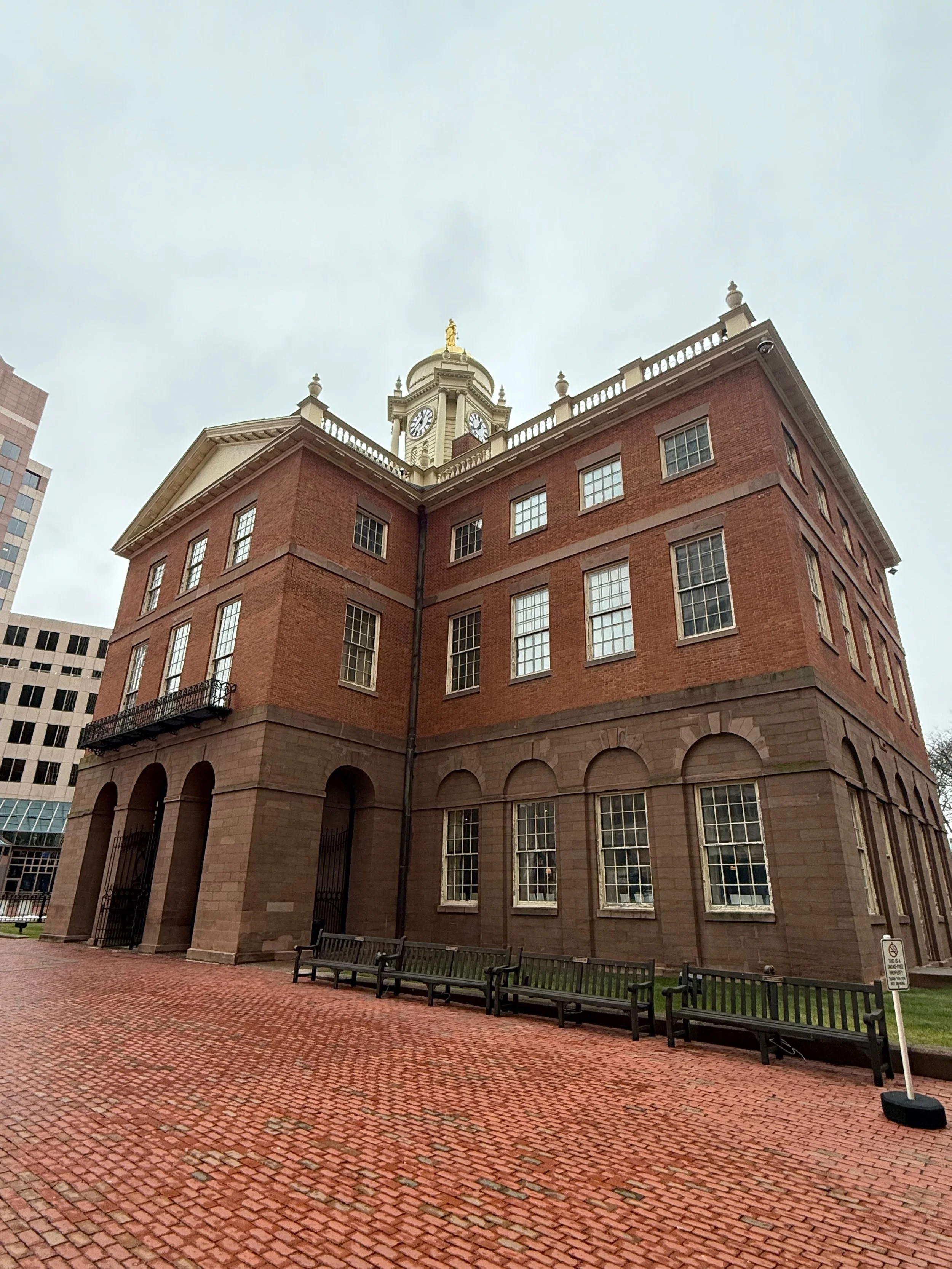
Old State House, Hartford, Connecticut
-
![]()
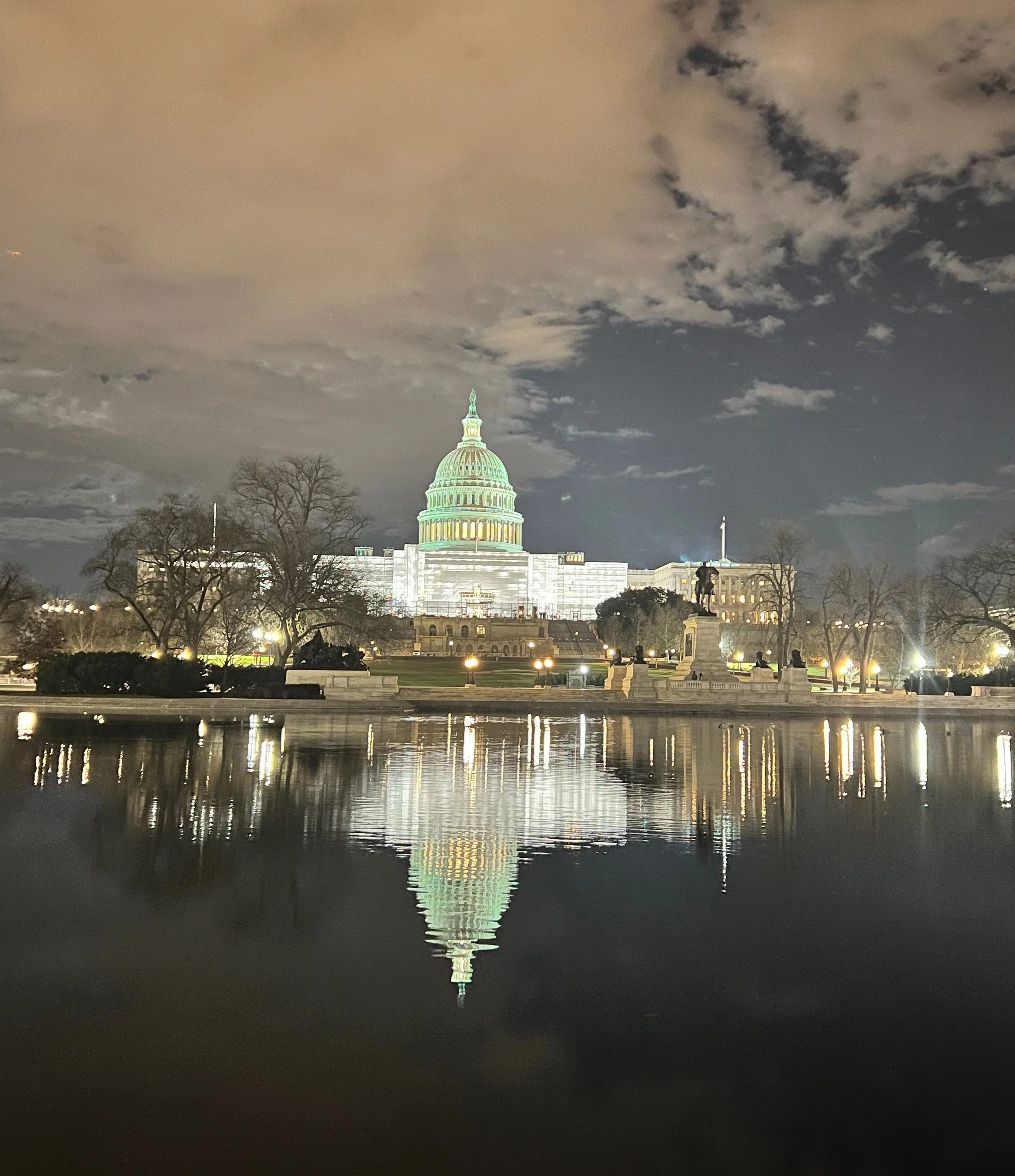
United States Capitol, Washington, D.C.
-
![]()
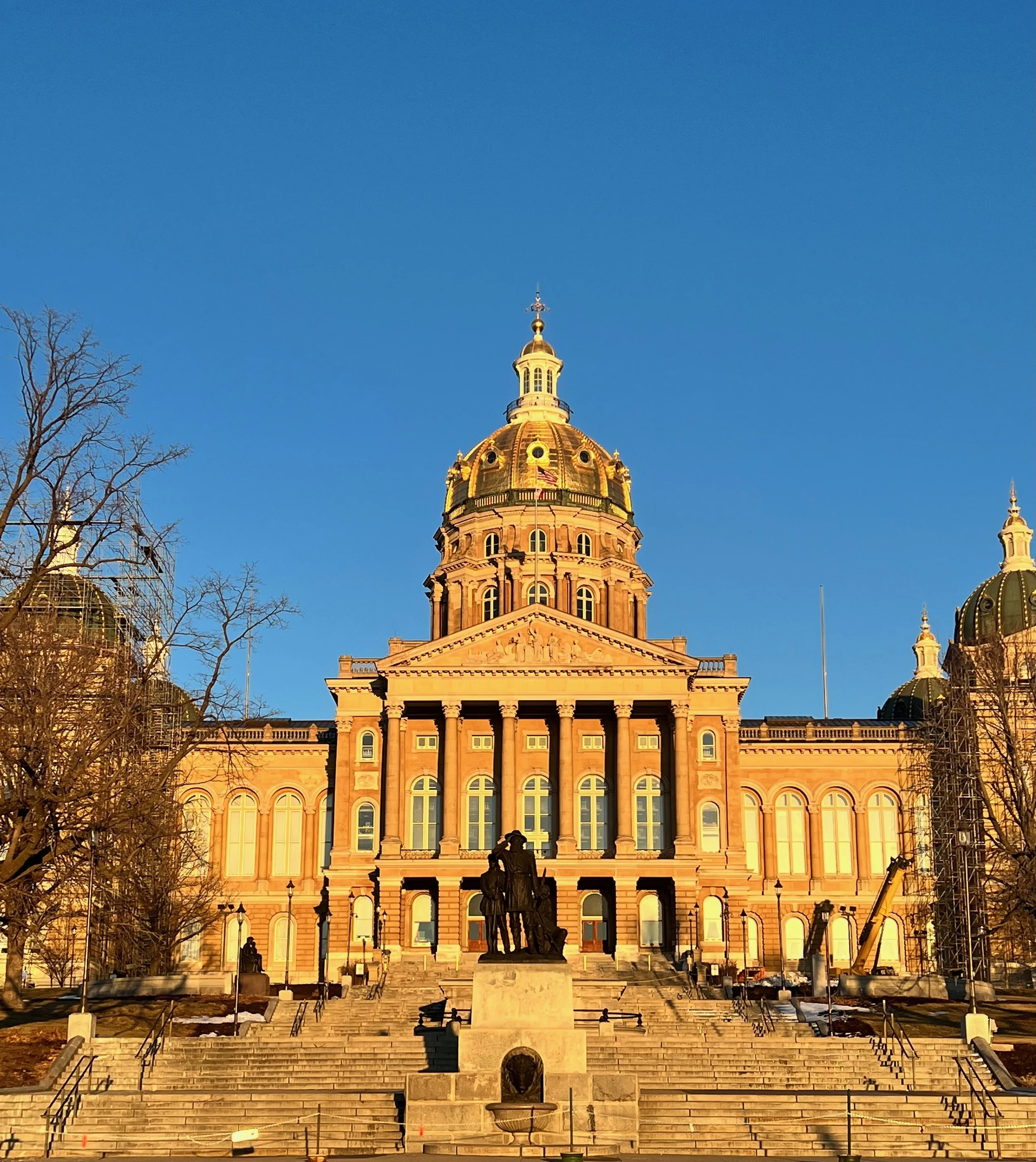
Iowa State Capitol, Des Moines, Iowa
-
![]()
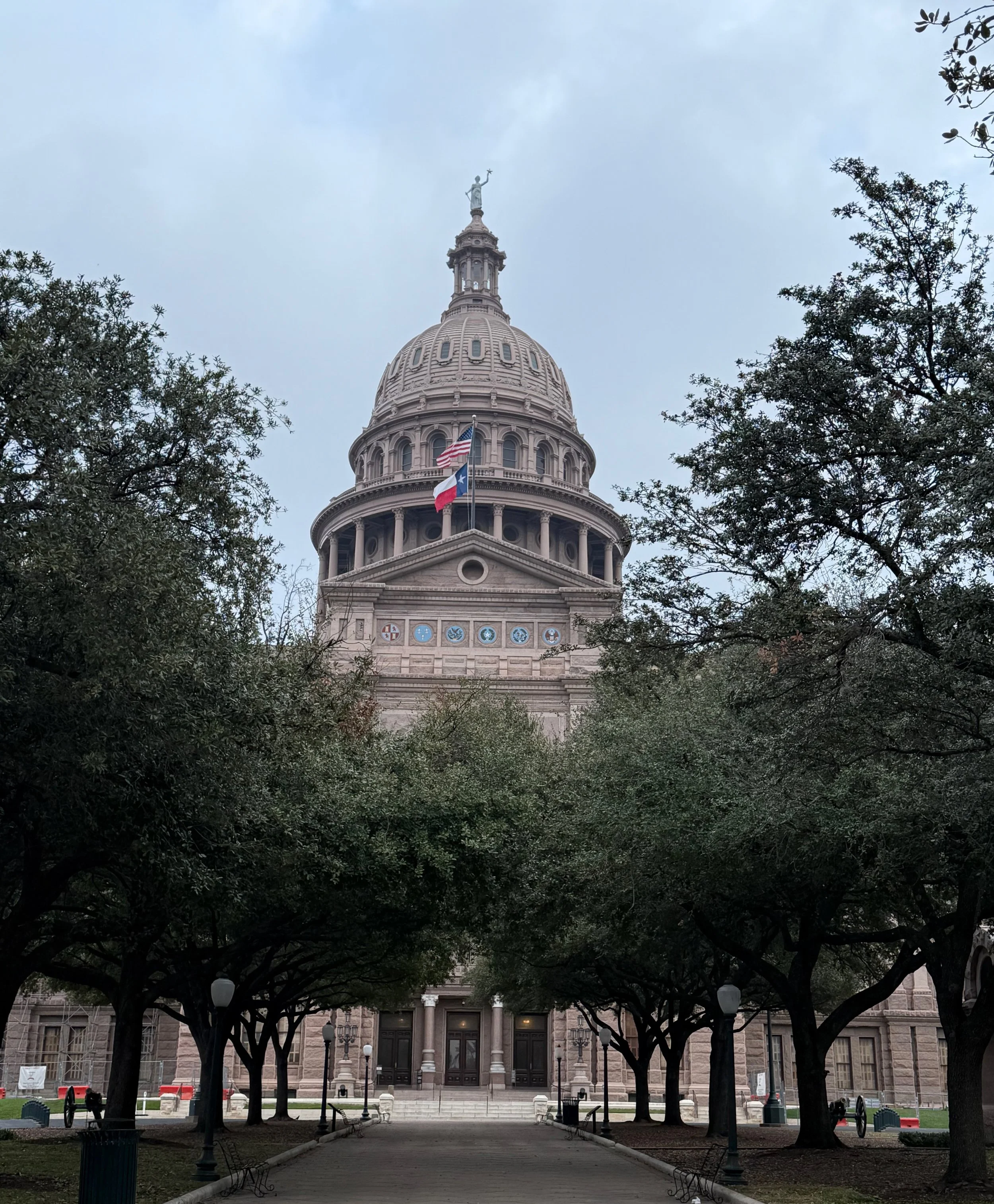
Texas State Capitol, Austin, Texas
-
![]()
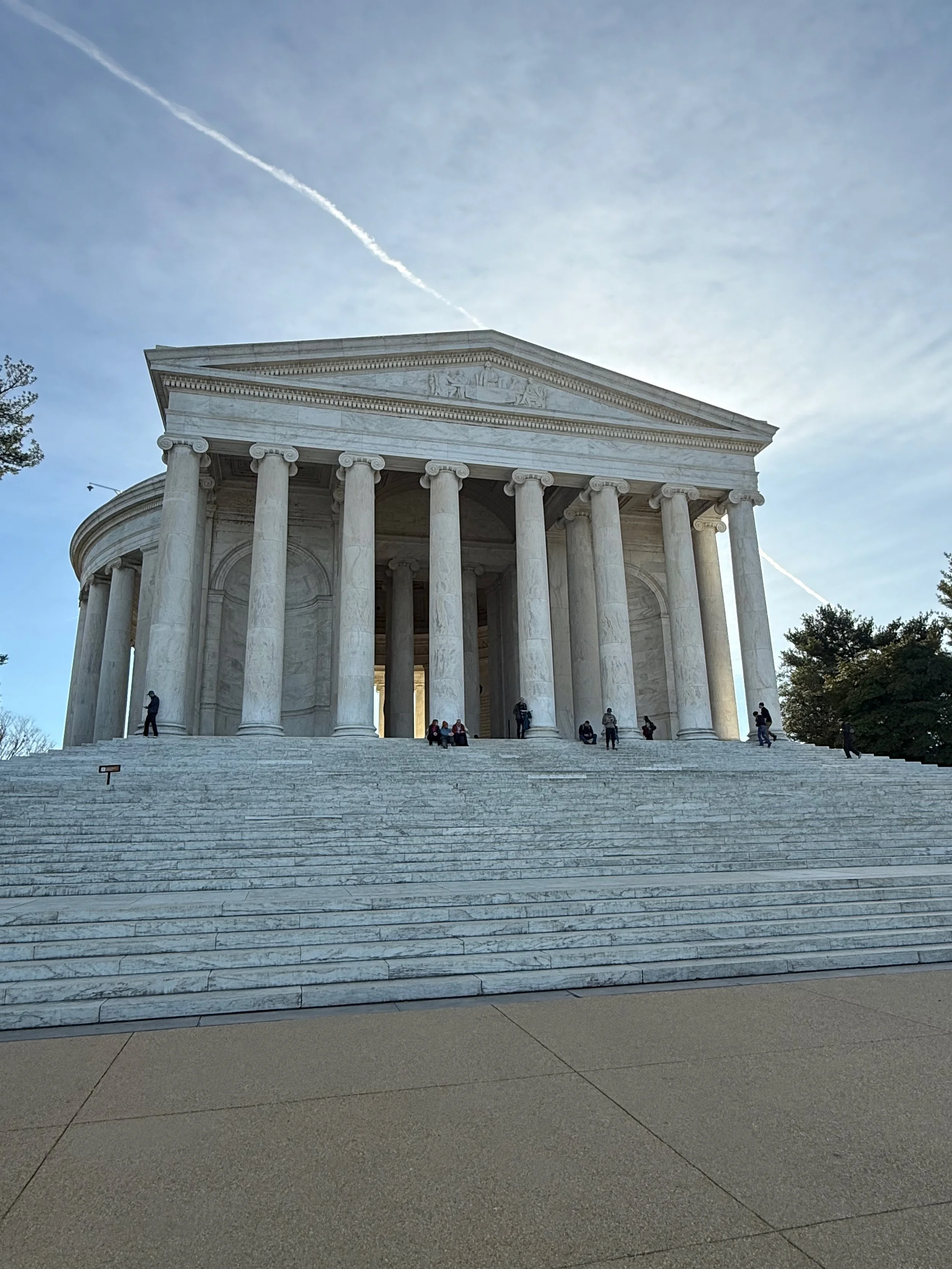
Jefferson Memorial, Washington, D.C.
-
![]()
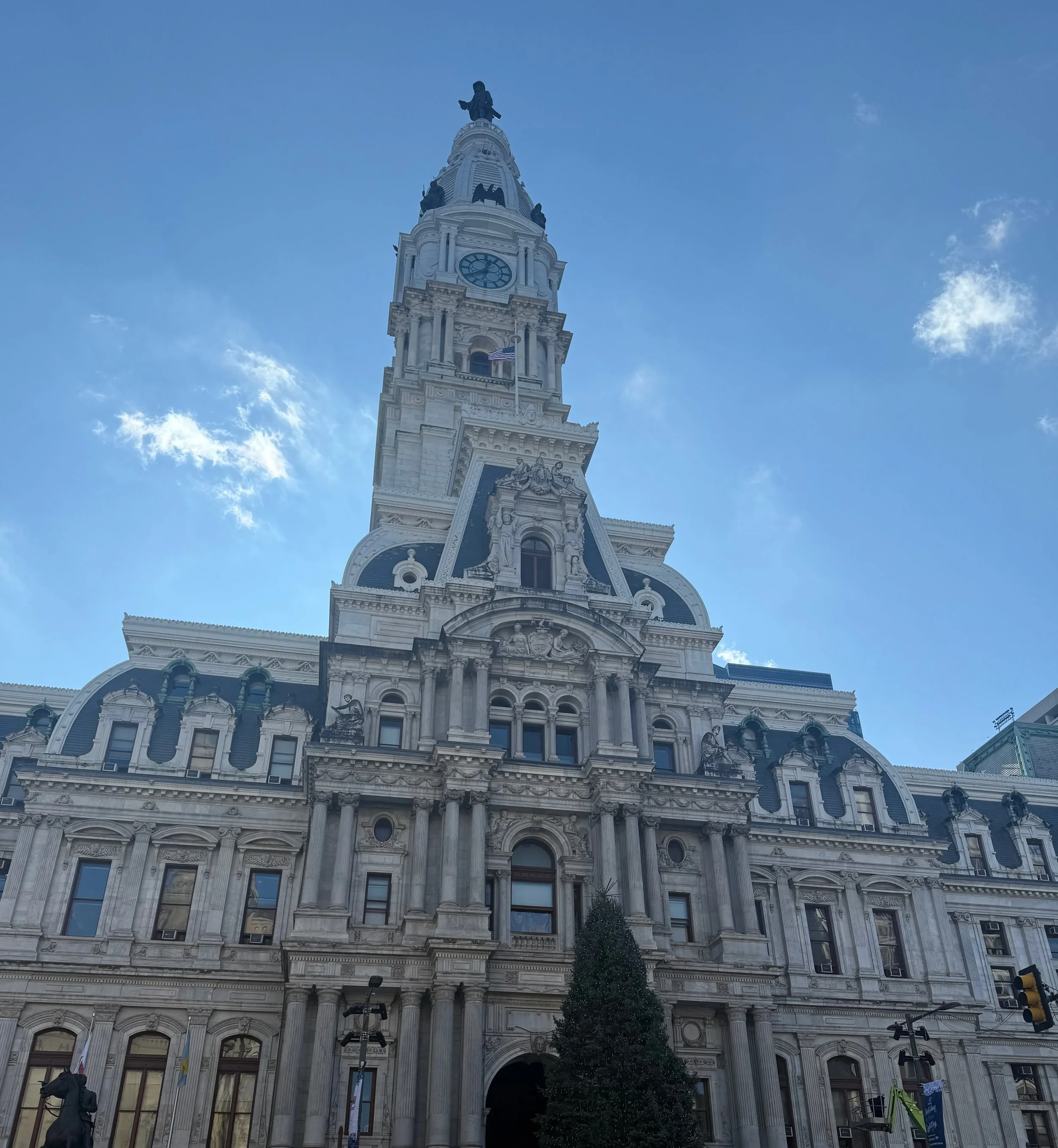
City Hall, Philadelphia, Pennsylvania
-
![]()
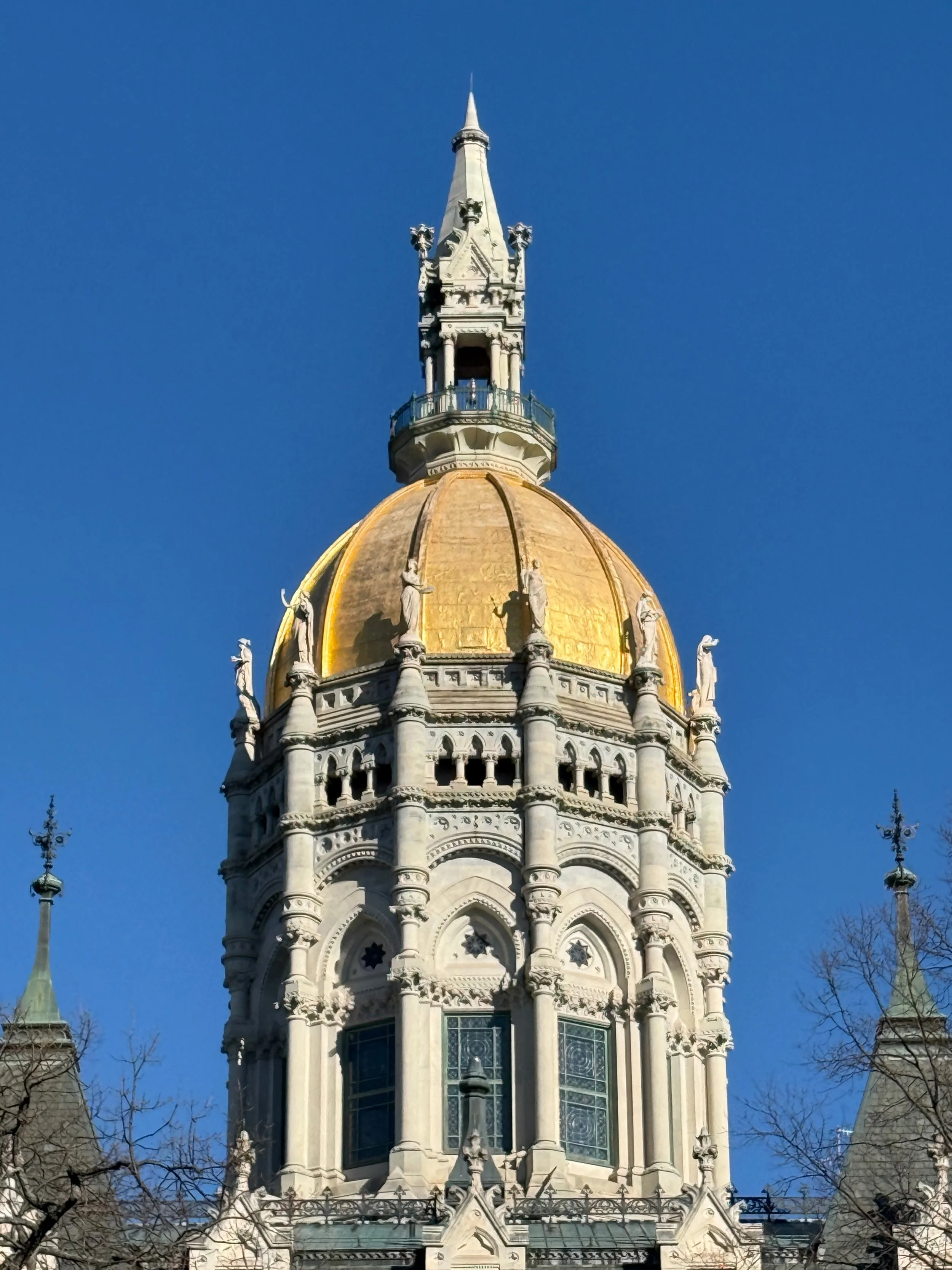
Connecticut State Capitol, Hartford, Connecticut
-
![]()
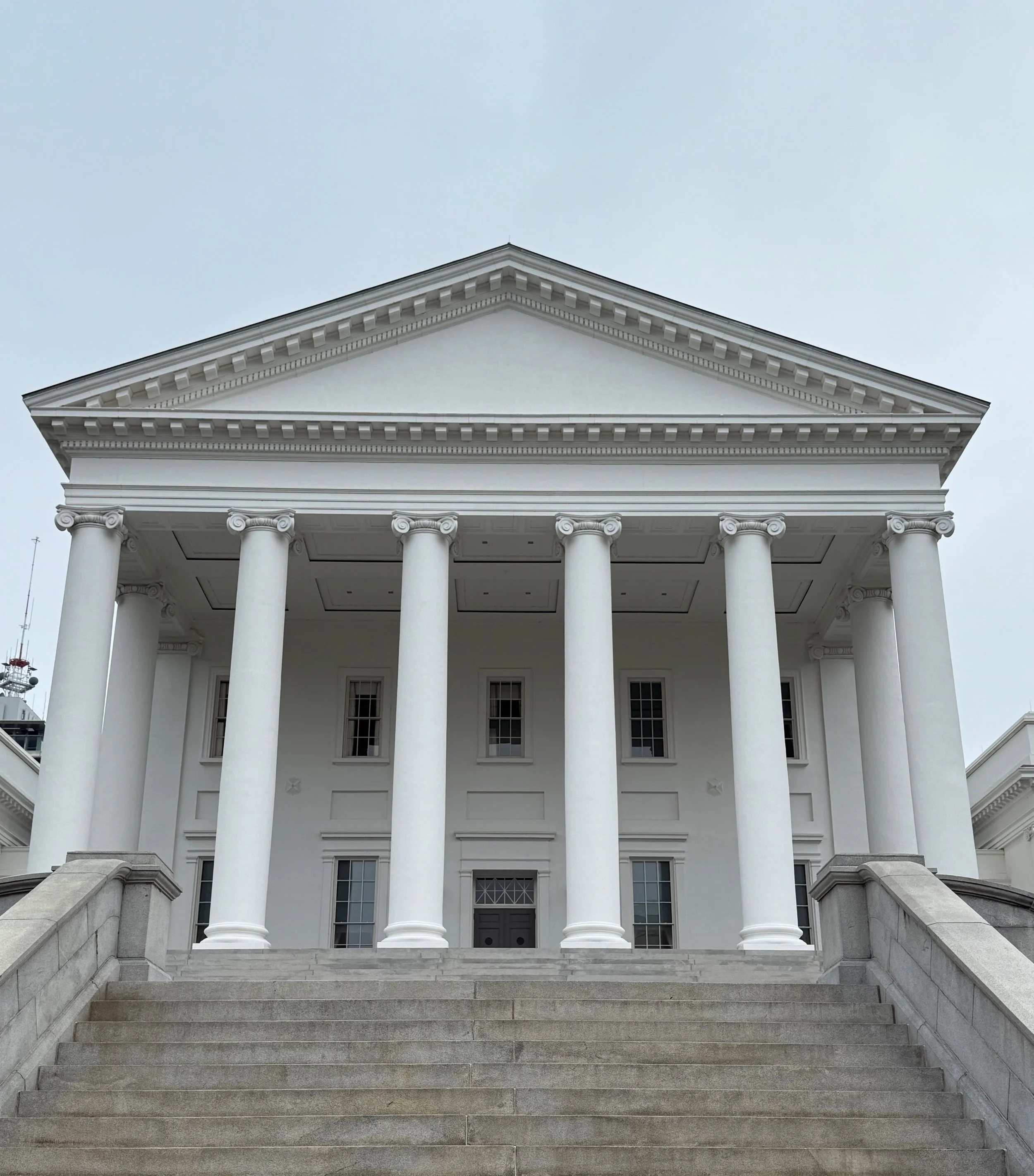
Virginia State Capitol, Richmond, Virginia
-
![]()
Idaho State Capitol, Boise, Idaho
-
![]()
Massachusetts State House, Boston, Massachusetts
Custodians of the Story
Museums may appear still, but inside them the nation churns. Across 28 states, I walked through marble halls and low-slung galleries. Stood before oil portraits, protest placards, astronaut suits, and iron shackles. A kind of quiet choreography between reverence and revision. These are not passive places. They are curated negotiations. Here, the nation edits itself.
Some rooms honor. Some interrogate. Some aim to inspire, others to indict. Each one shapes how we remember, and more importantly, what we are allowed to forget.
Places that insist we look directly at the hardest truths: the museums of enslavement, of civil rights, of genocide, of resistance. These sites do not flinch. They demand more than observation. They ask for reckoning.
In each of these places, belief is on display. Belief in what deserves preservation, what demands context, and what still waits for justice. These buildings do not just hold artifacts. They hold narratives. And within those narratives, we find ourselves, reflected, distorted, redacted, revealed.
To visit them is to ask, again and again:
Whose America is being told? And who gets to tell it?
-
![]()
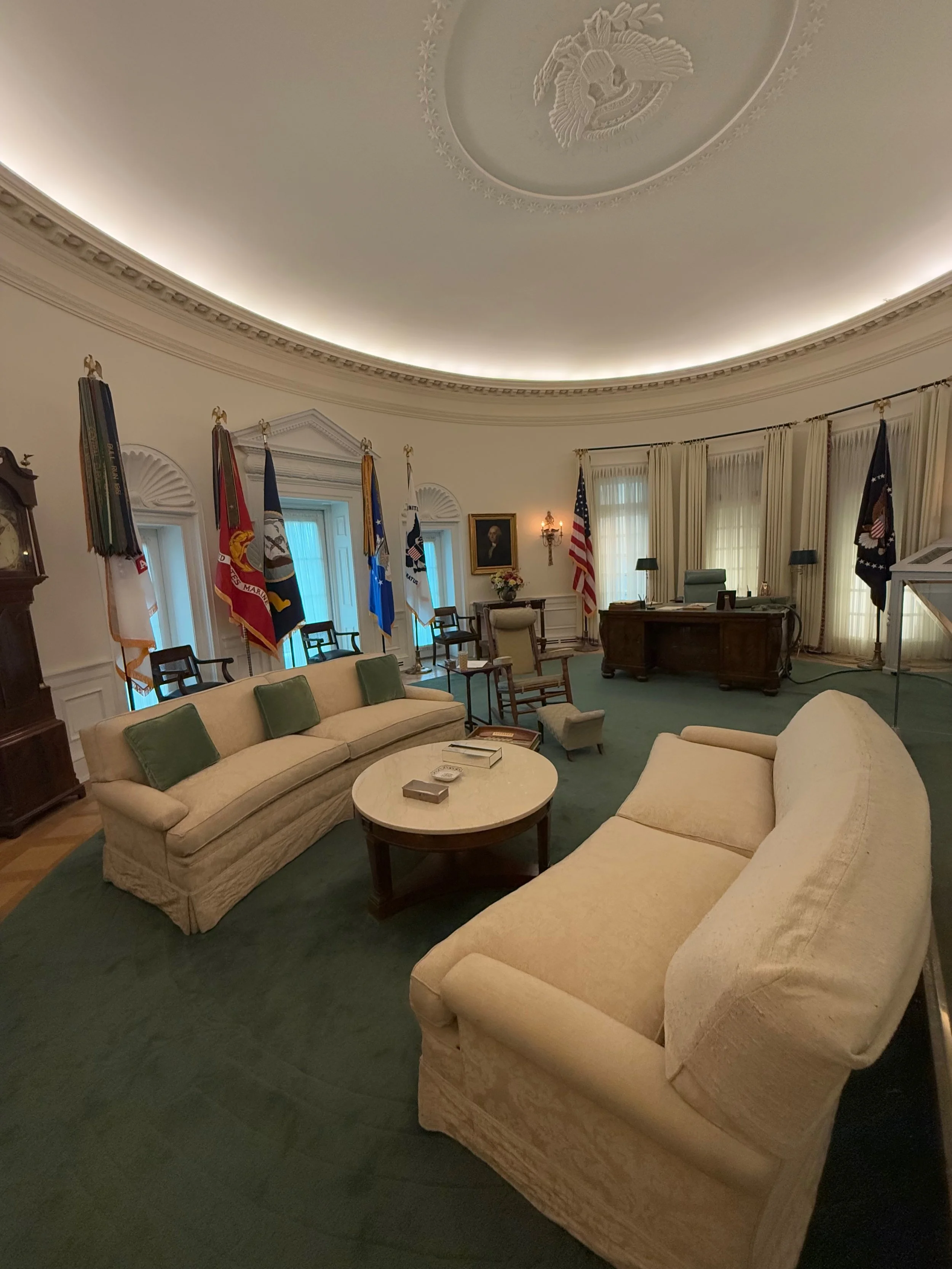
Oval Office, Lyndon B. Johnson Presidential Library, Austin, Texas
-
![]()
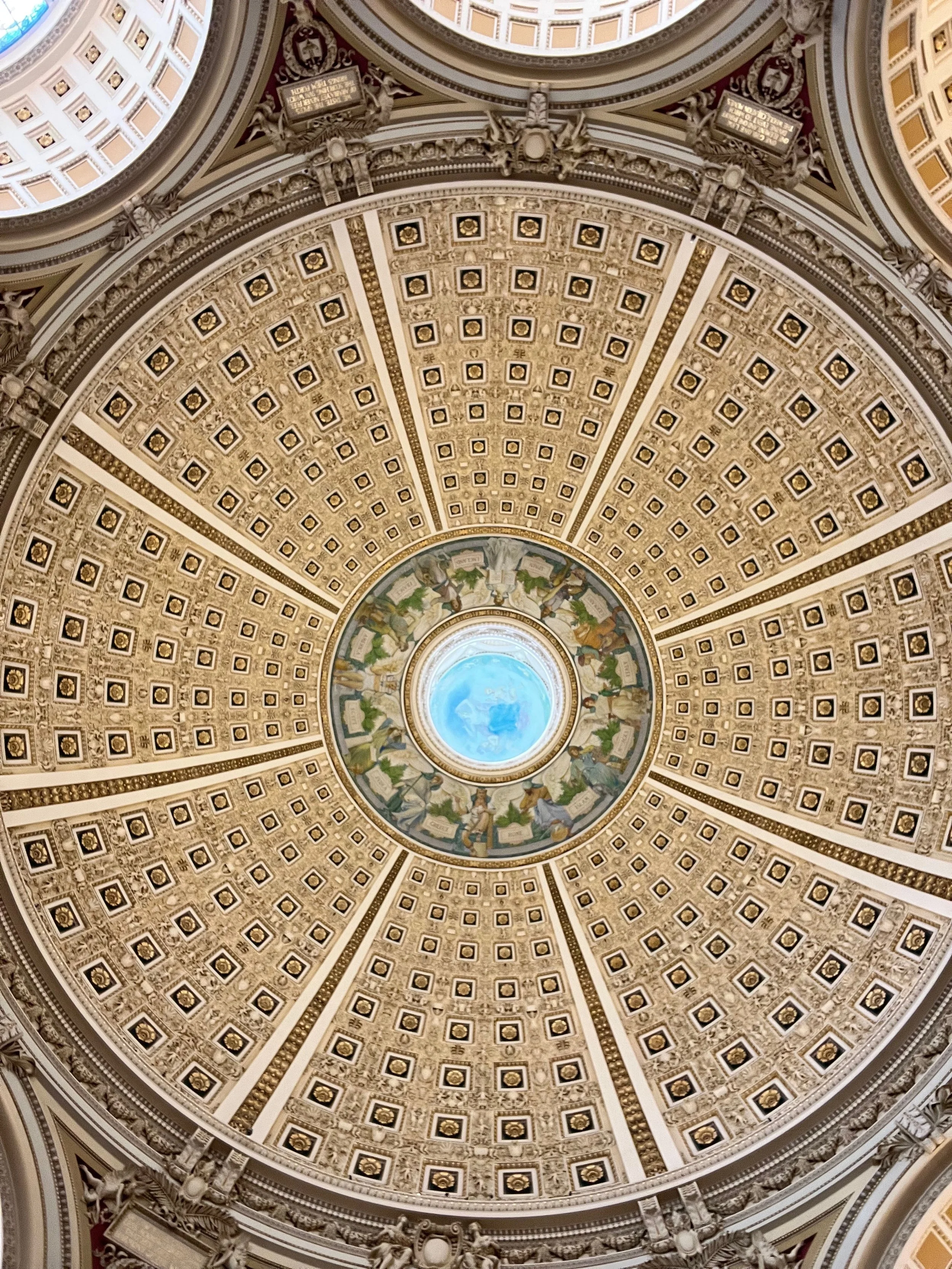
Main Reading Room Dome, Library of Congress, Washington, D.C.
-
![]()
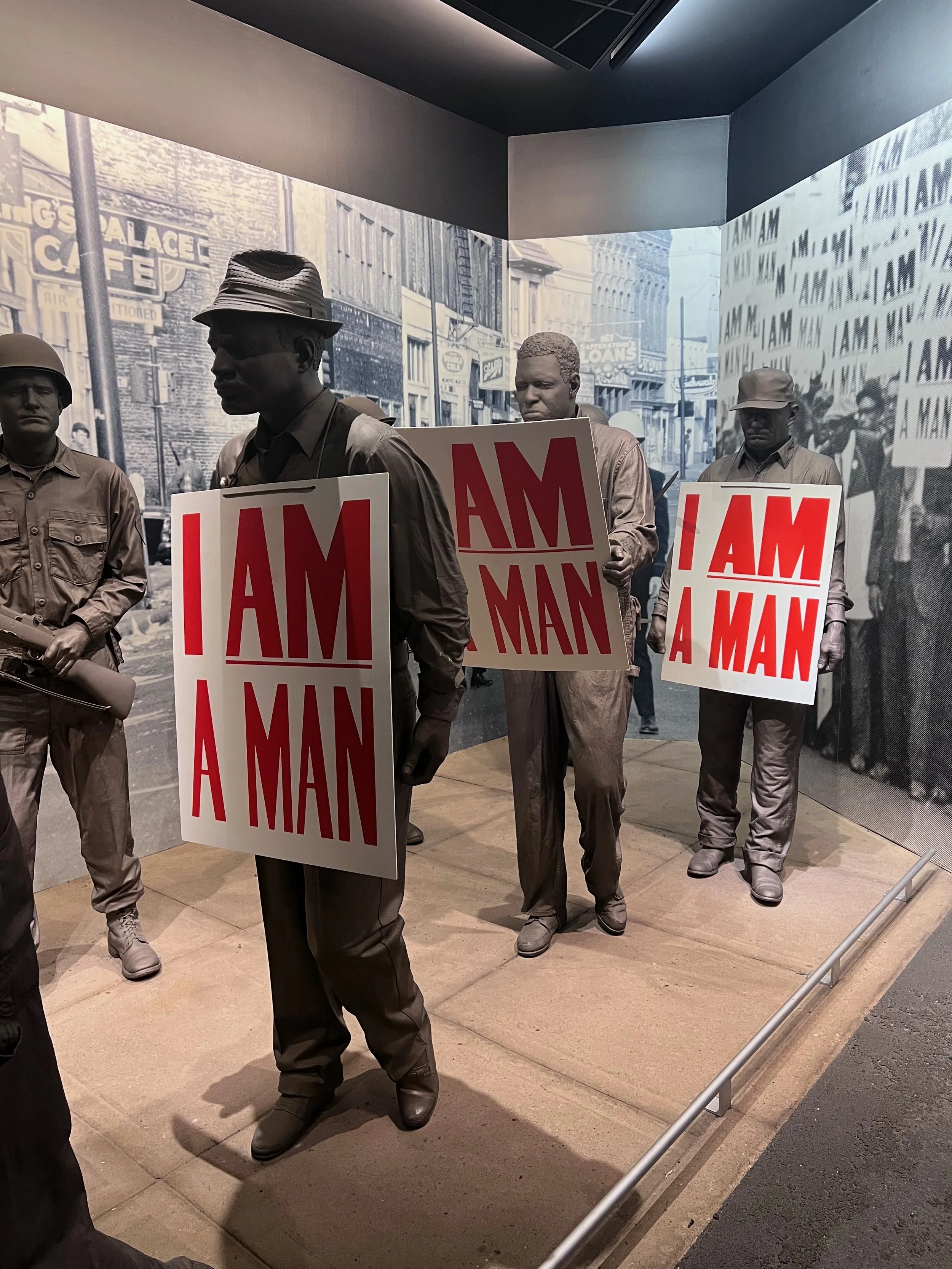
Memphis Sanitation Worker's Strike Exhibit, National Civil Rights Museum, Memphis, Tennessee
-
![]()
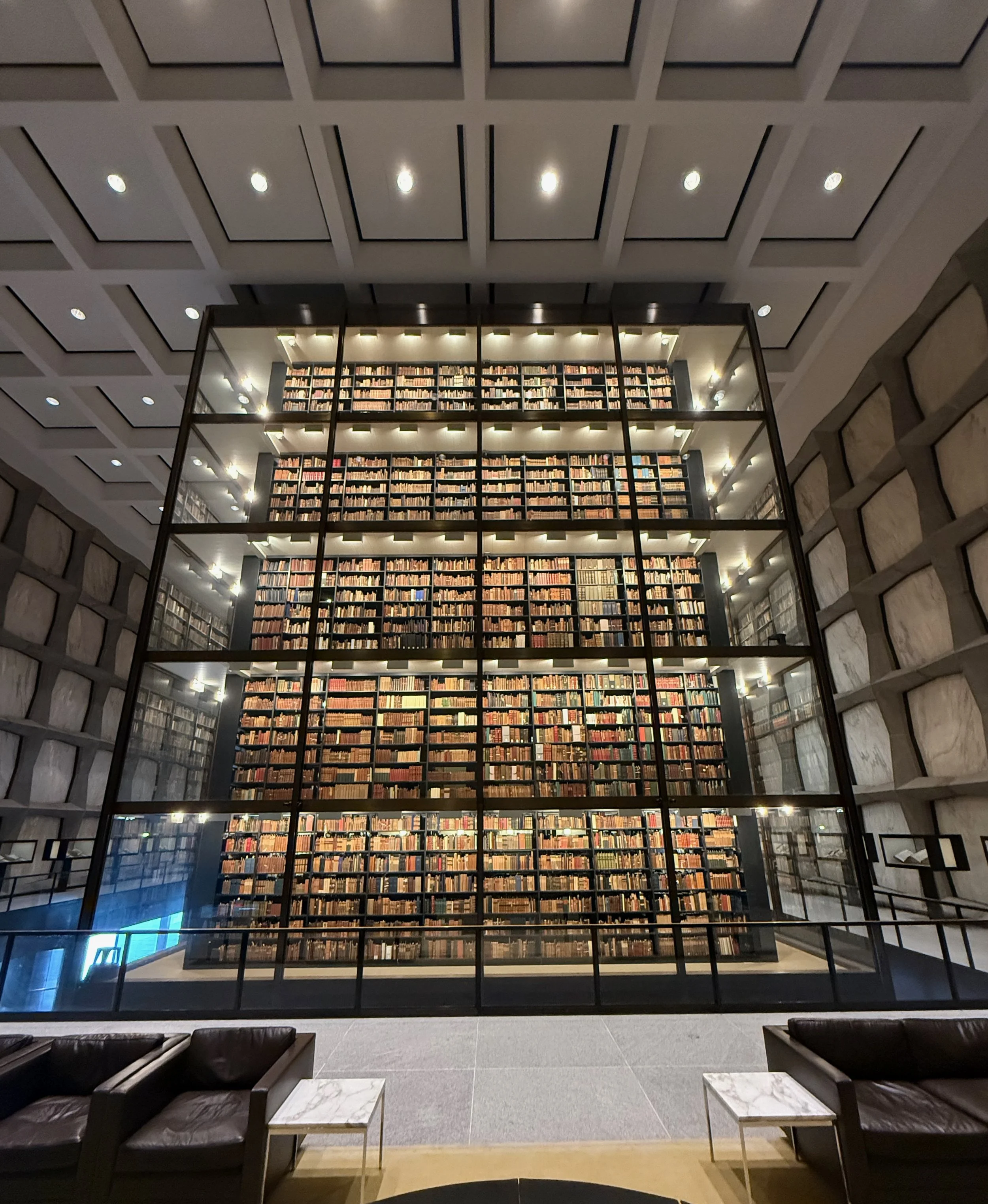
Beinecke Rare Book and Manuscript Library, Yale University, New Haven, Connecticut
-
![]()
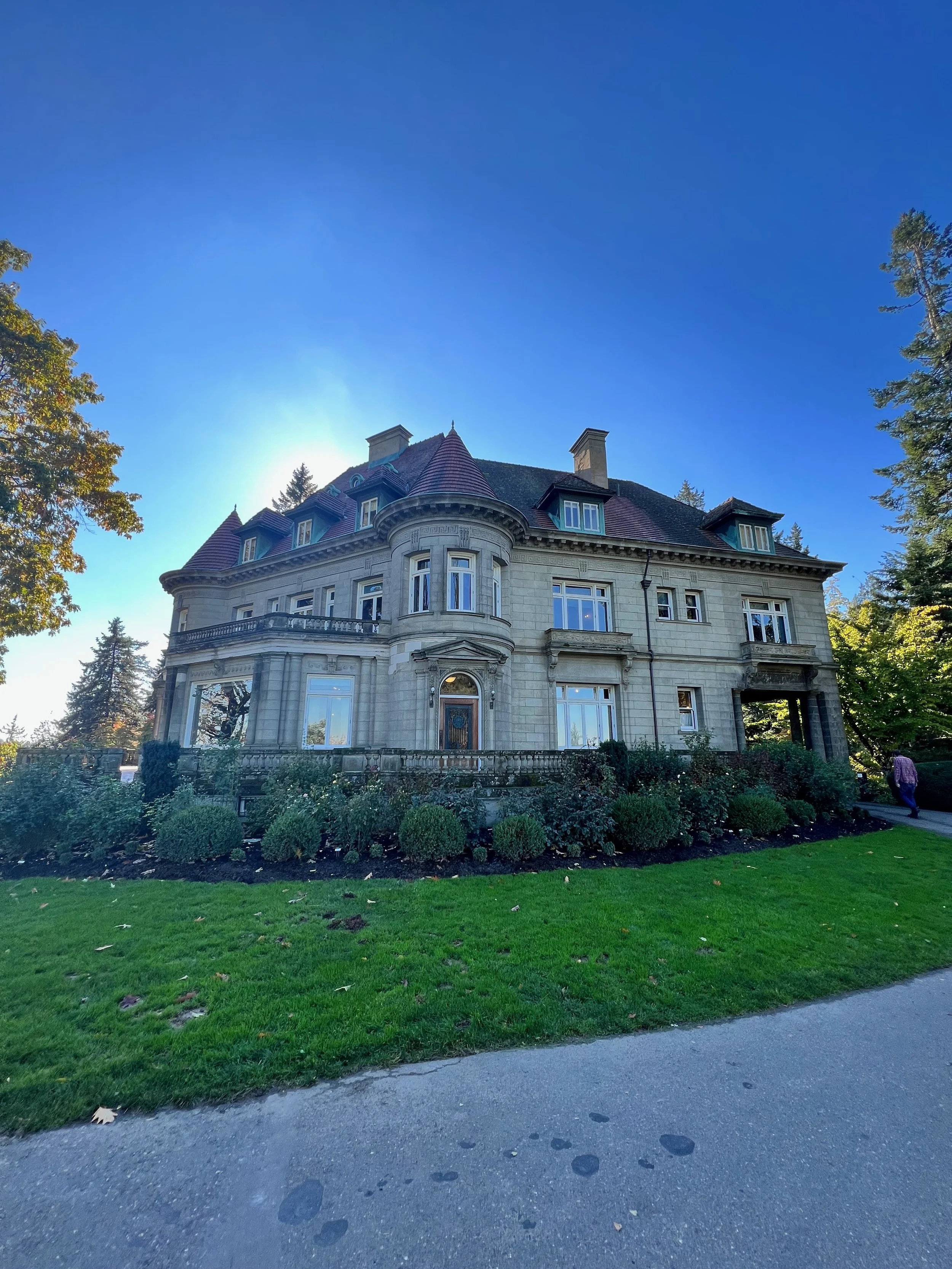
Pittock Mansion, Portland, Oregon
-
![]()
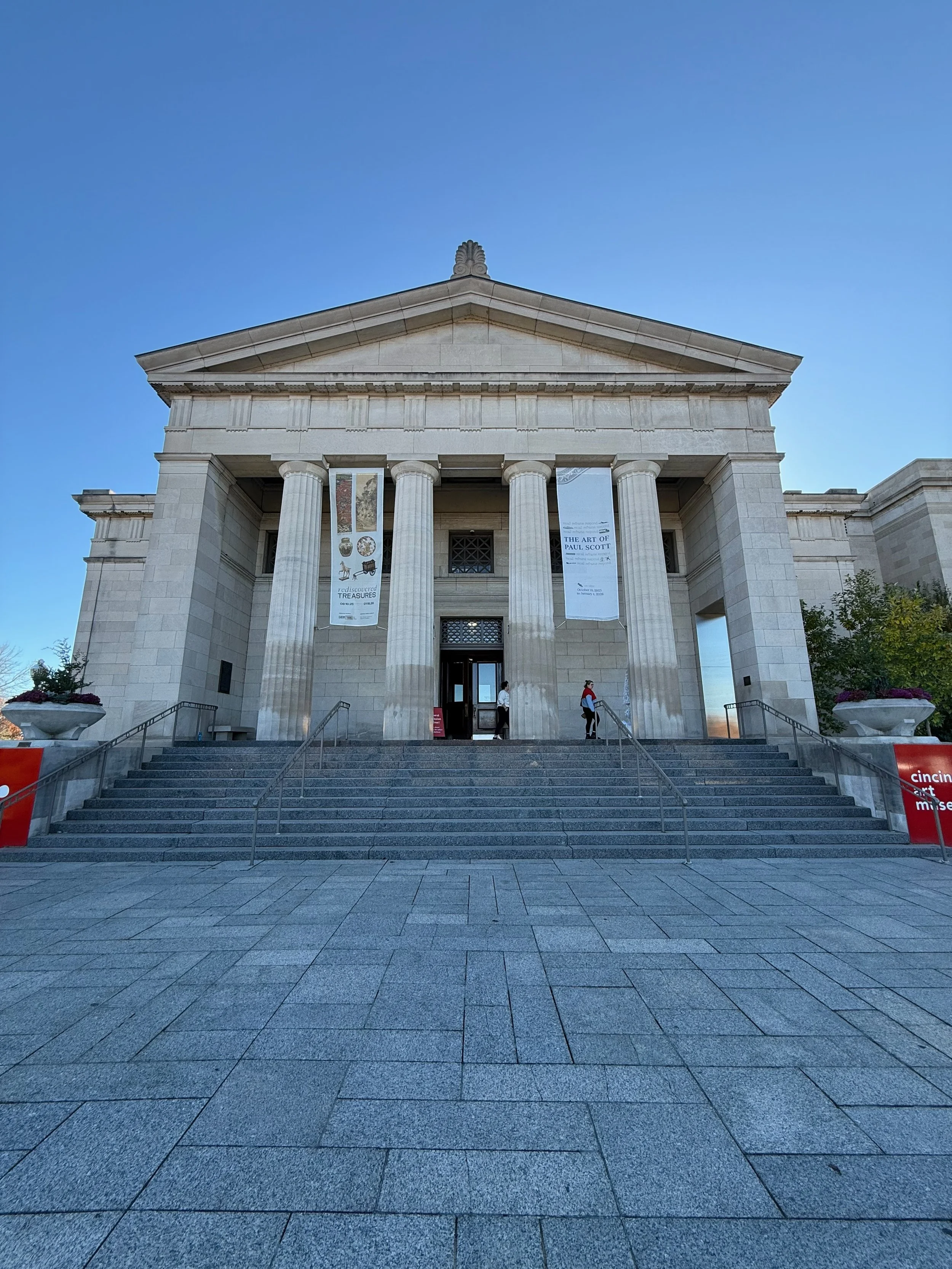
Cincinnati Art Museum, Cincinnati, Ohio
-
![]()
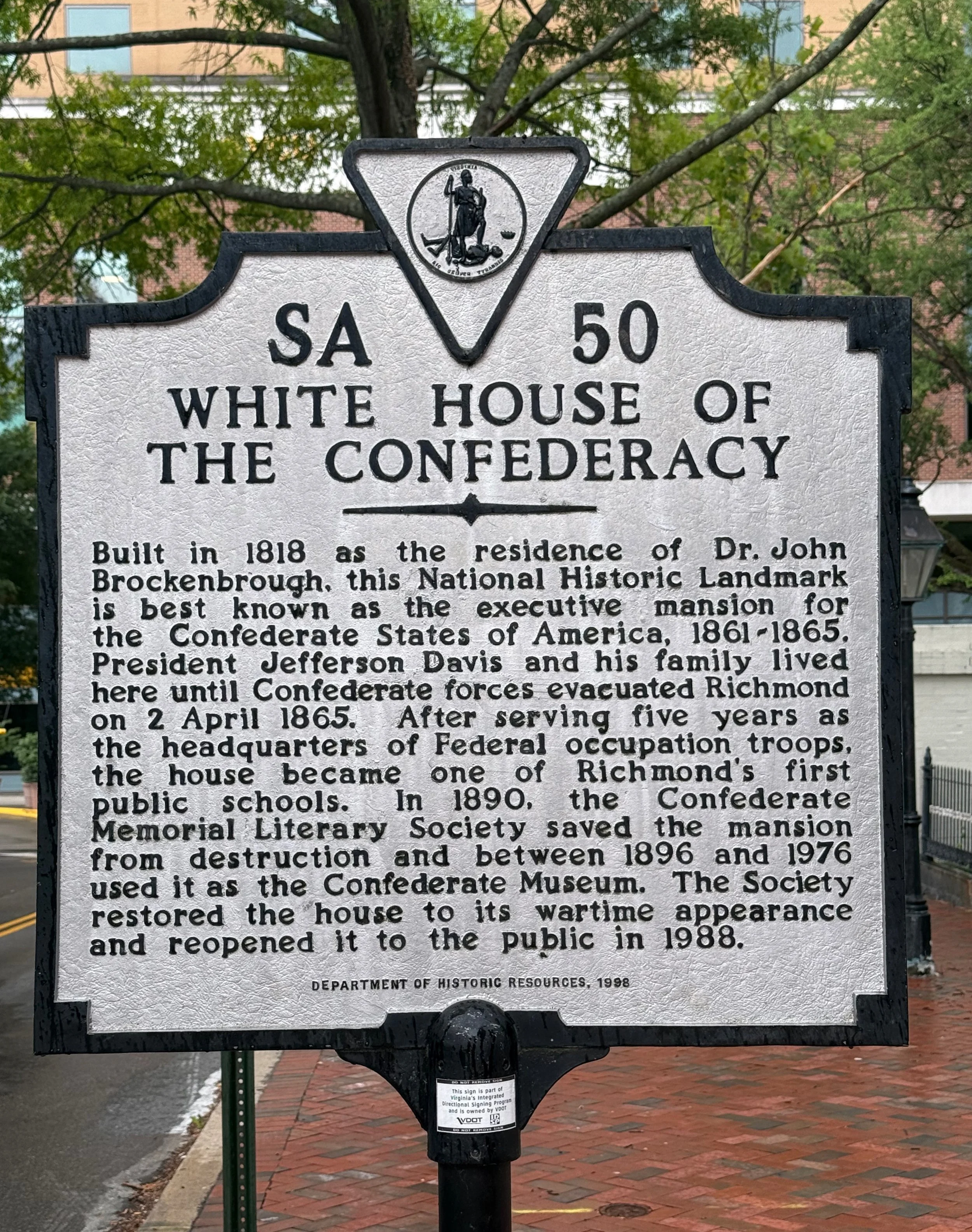
White House of the Confederacy Marker, Richmond, Virginia
-
![]()
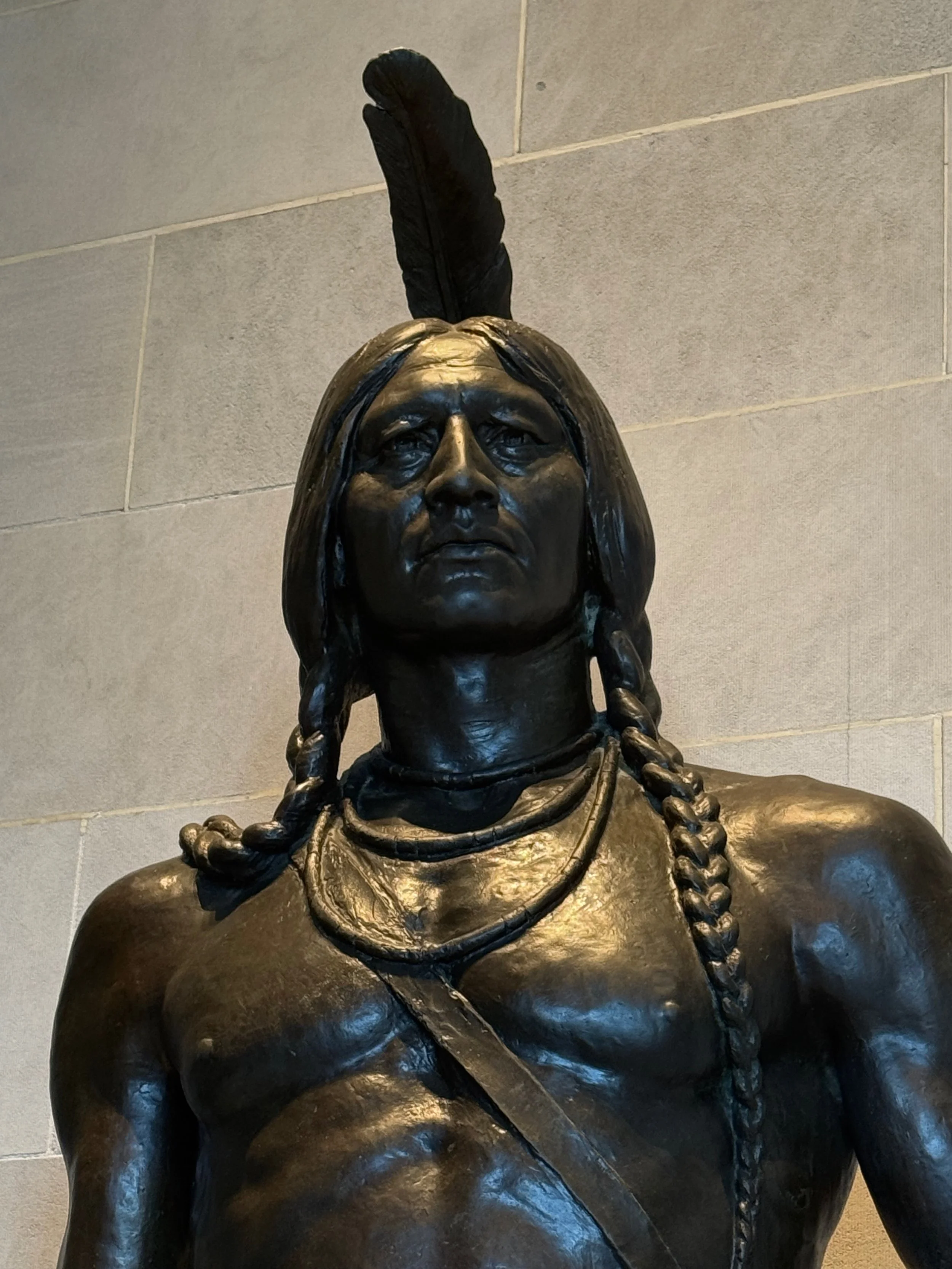
Chief Massasoit, Dayton Art Institute, Dayton, Ohio
-
![]()
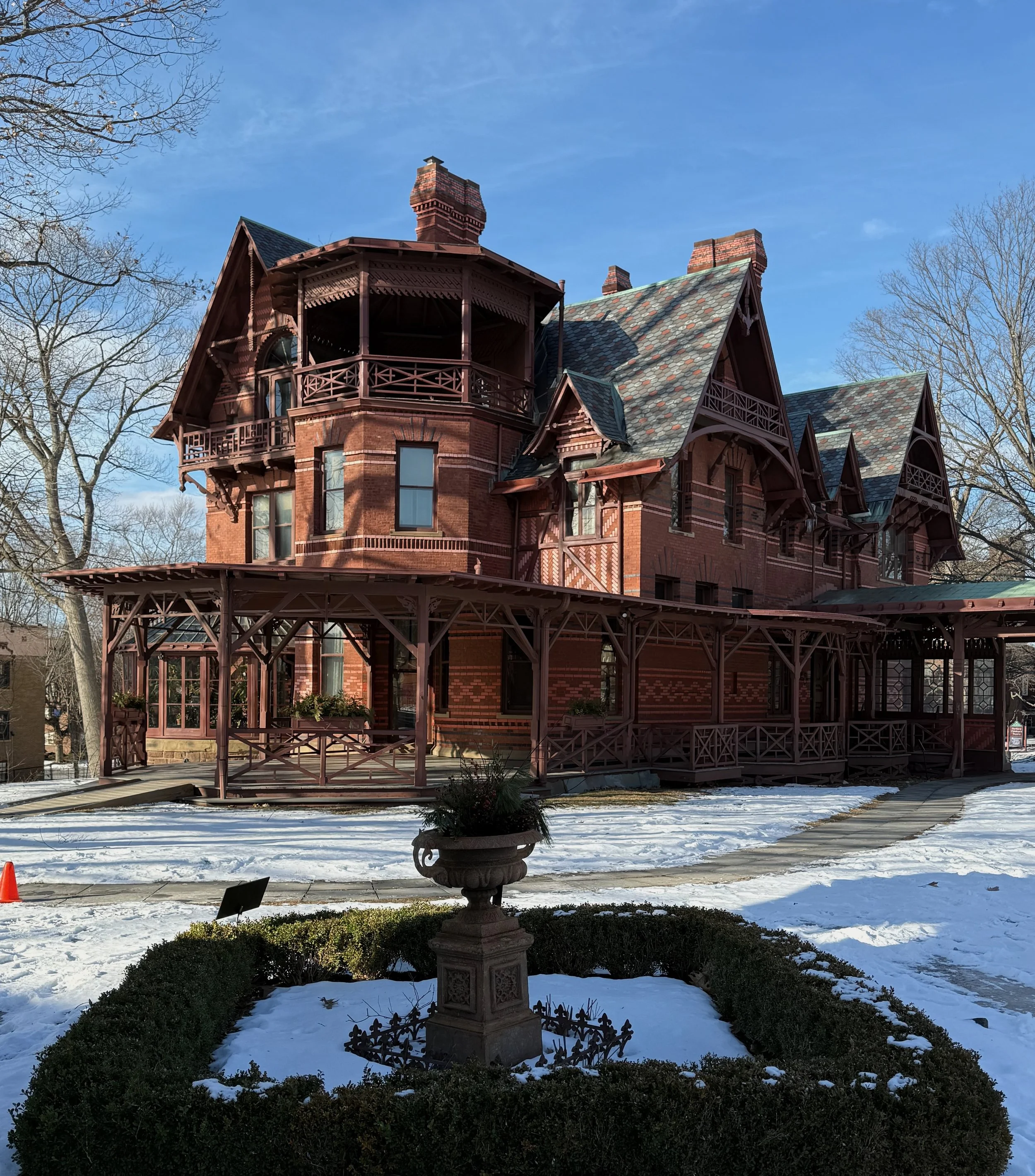
Mark Twain House & Museum, Hartford, Connecticut
Arenas of Allegiance
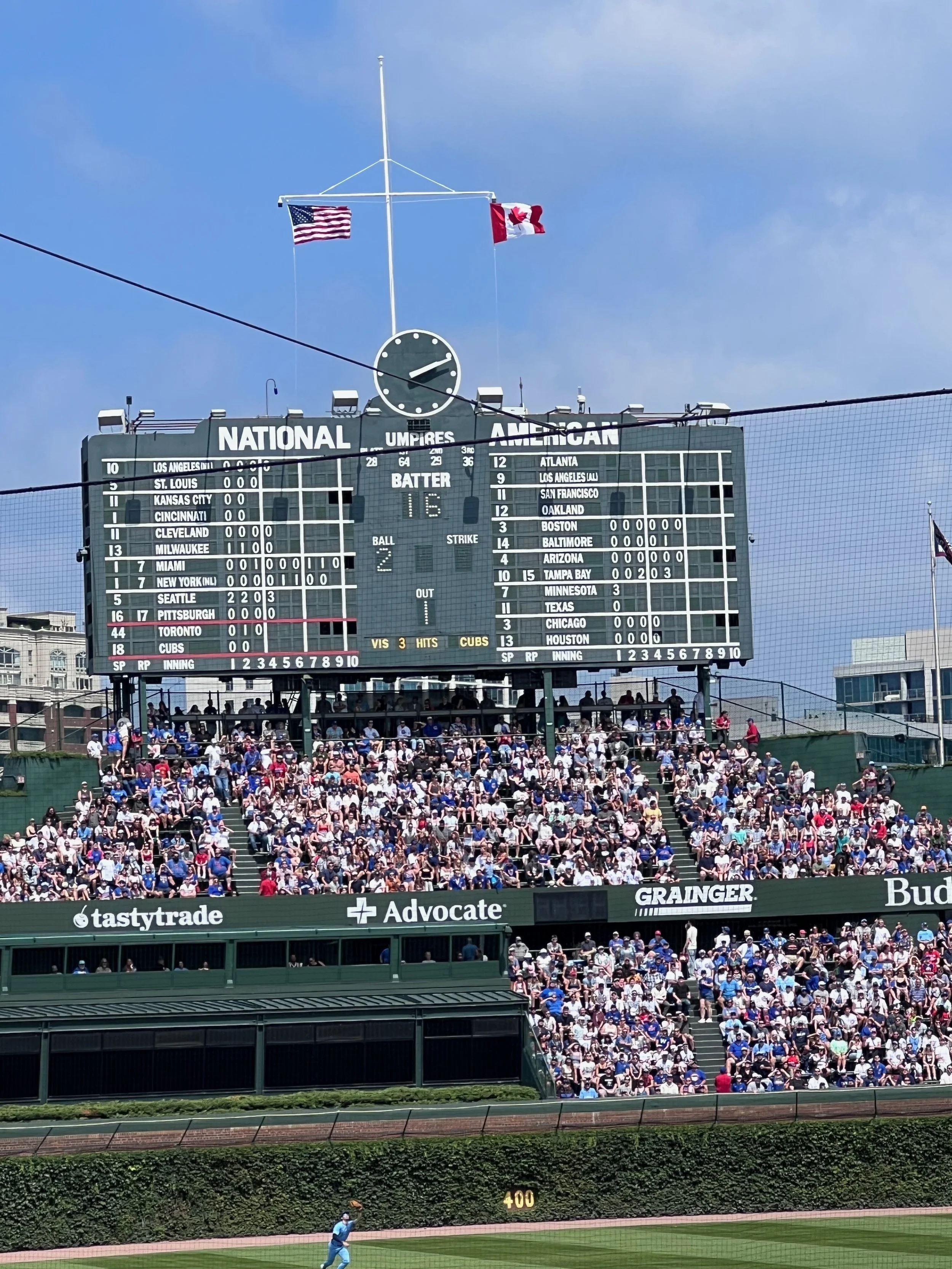
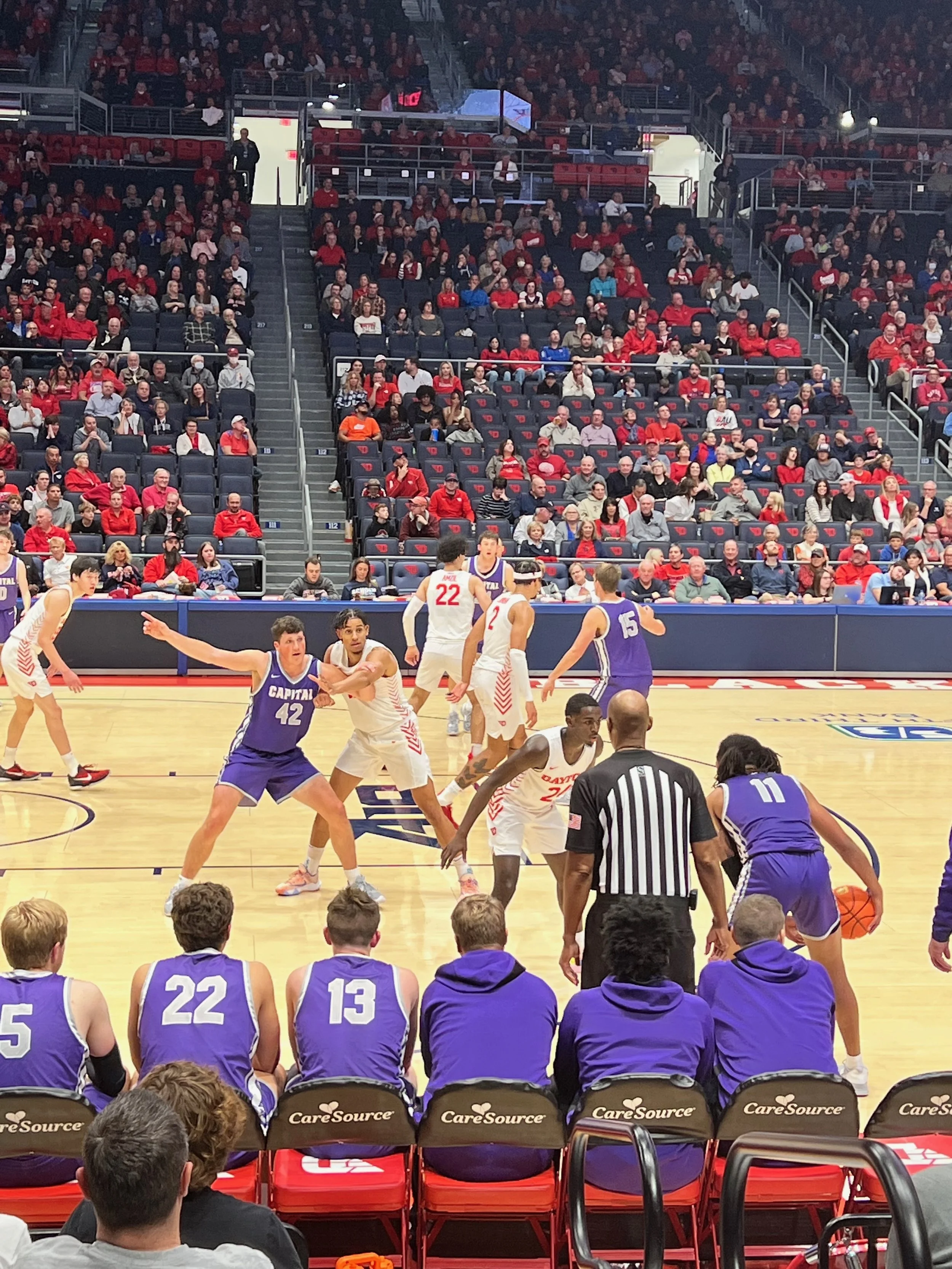
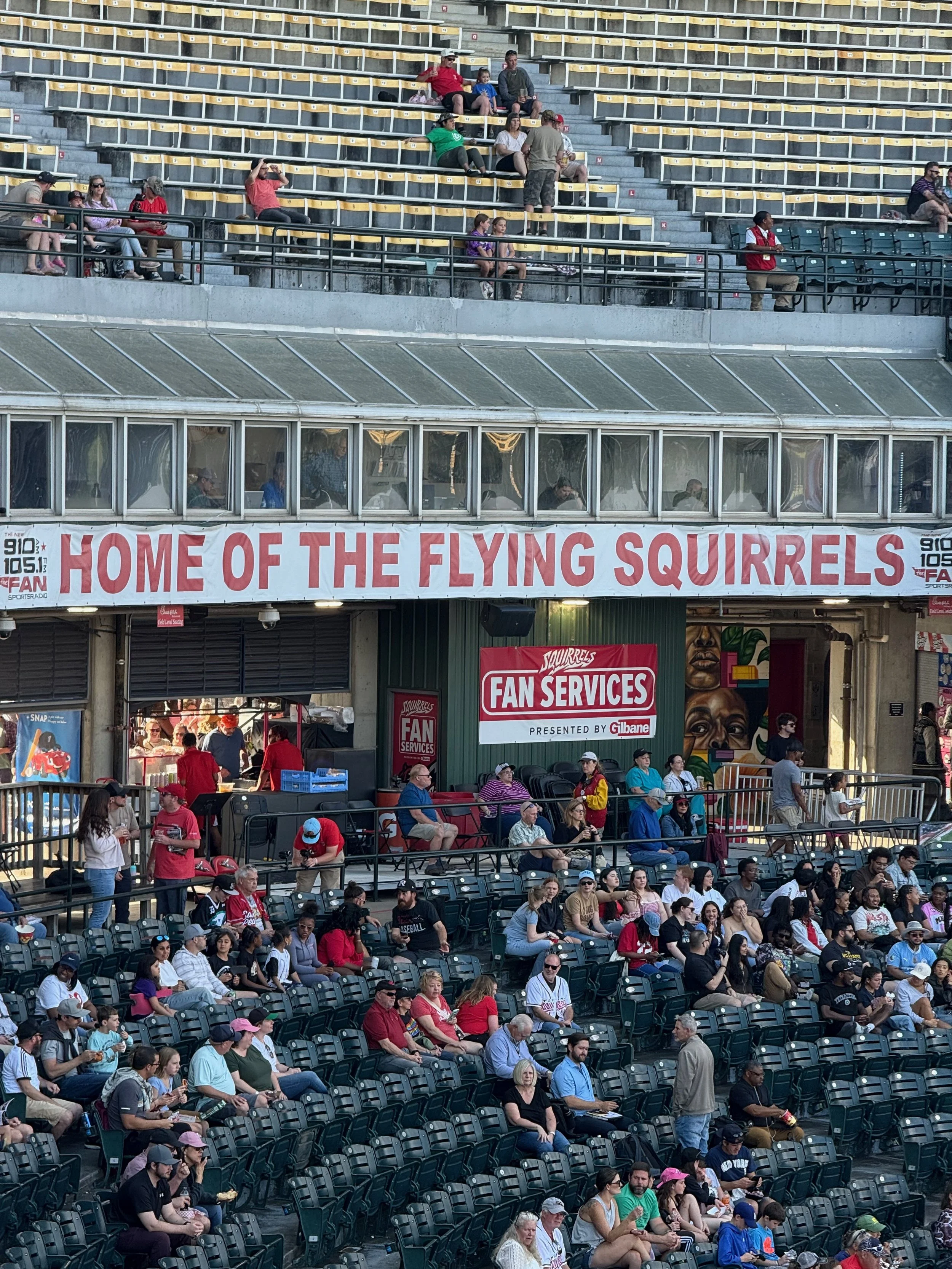
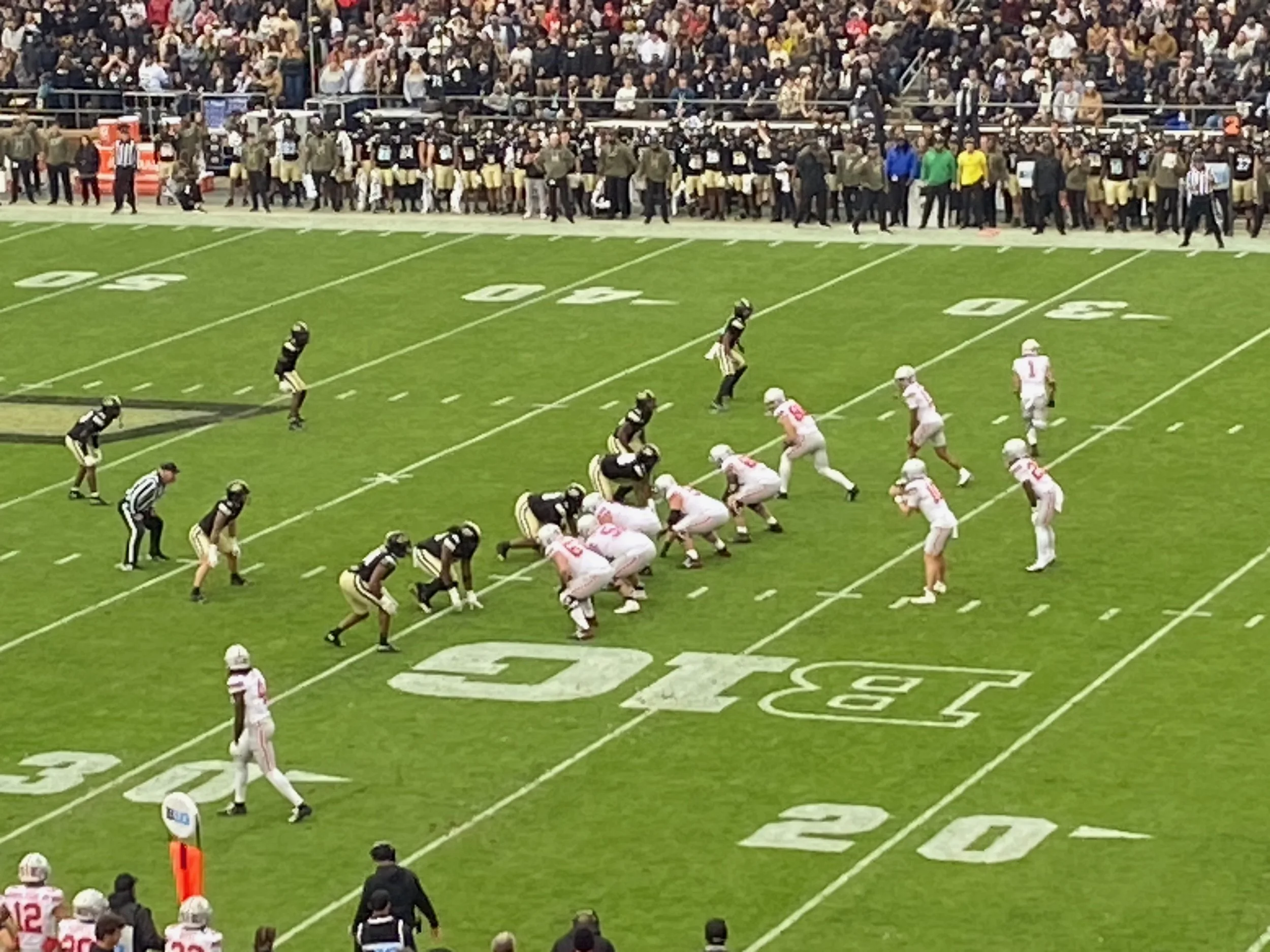
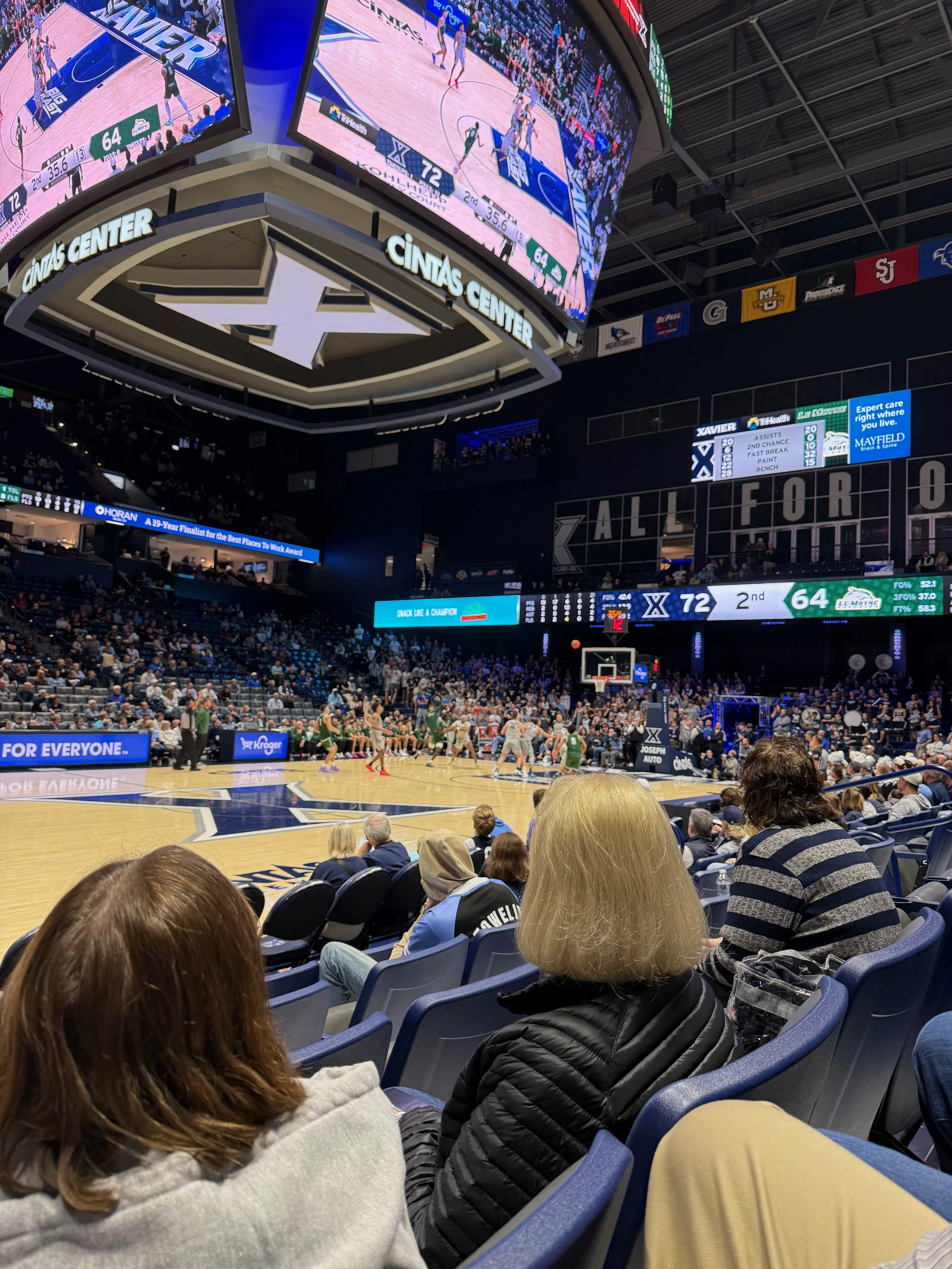
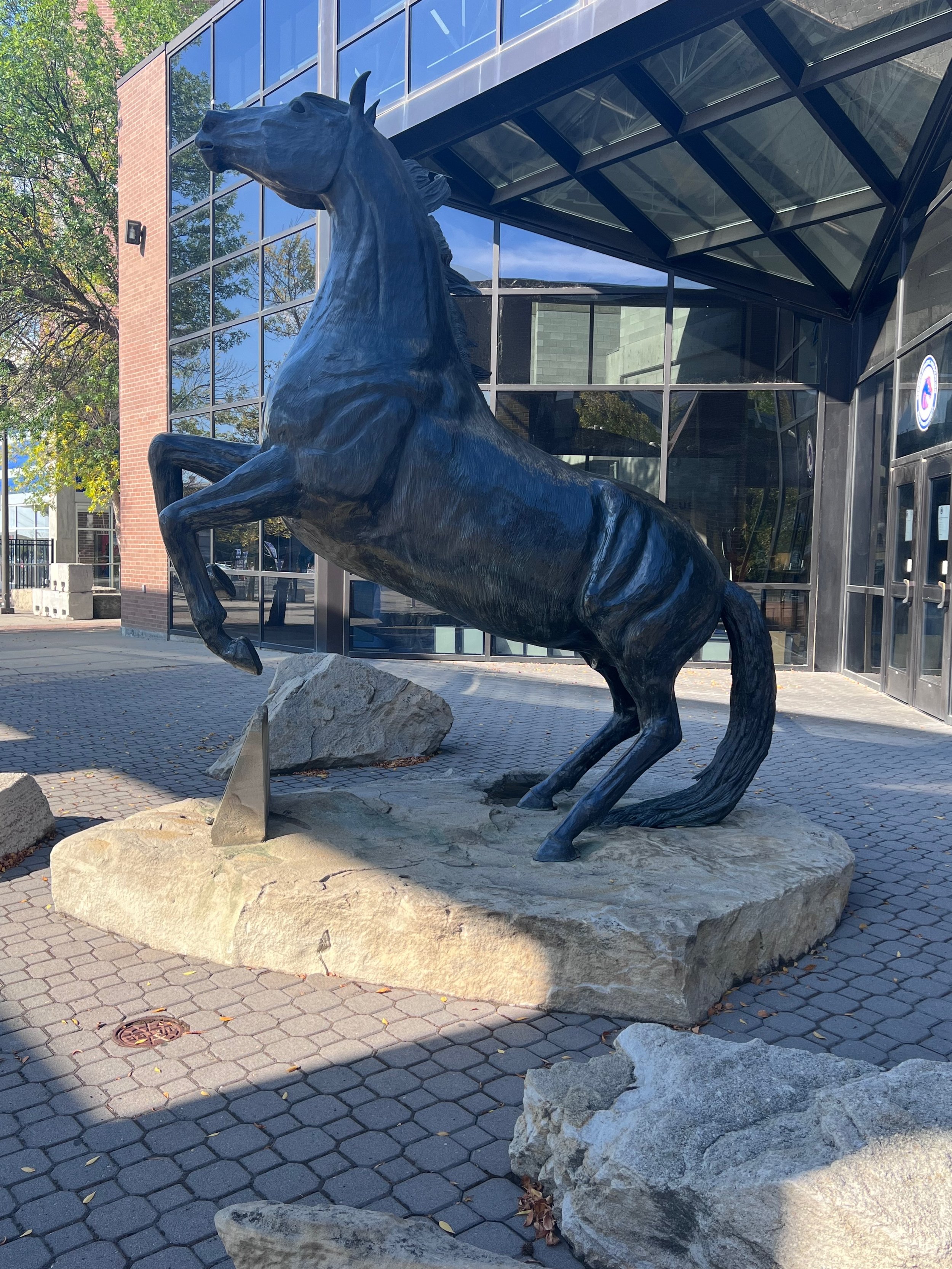
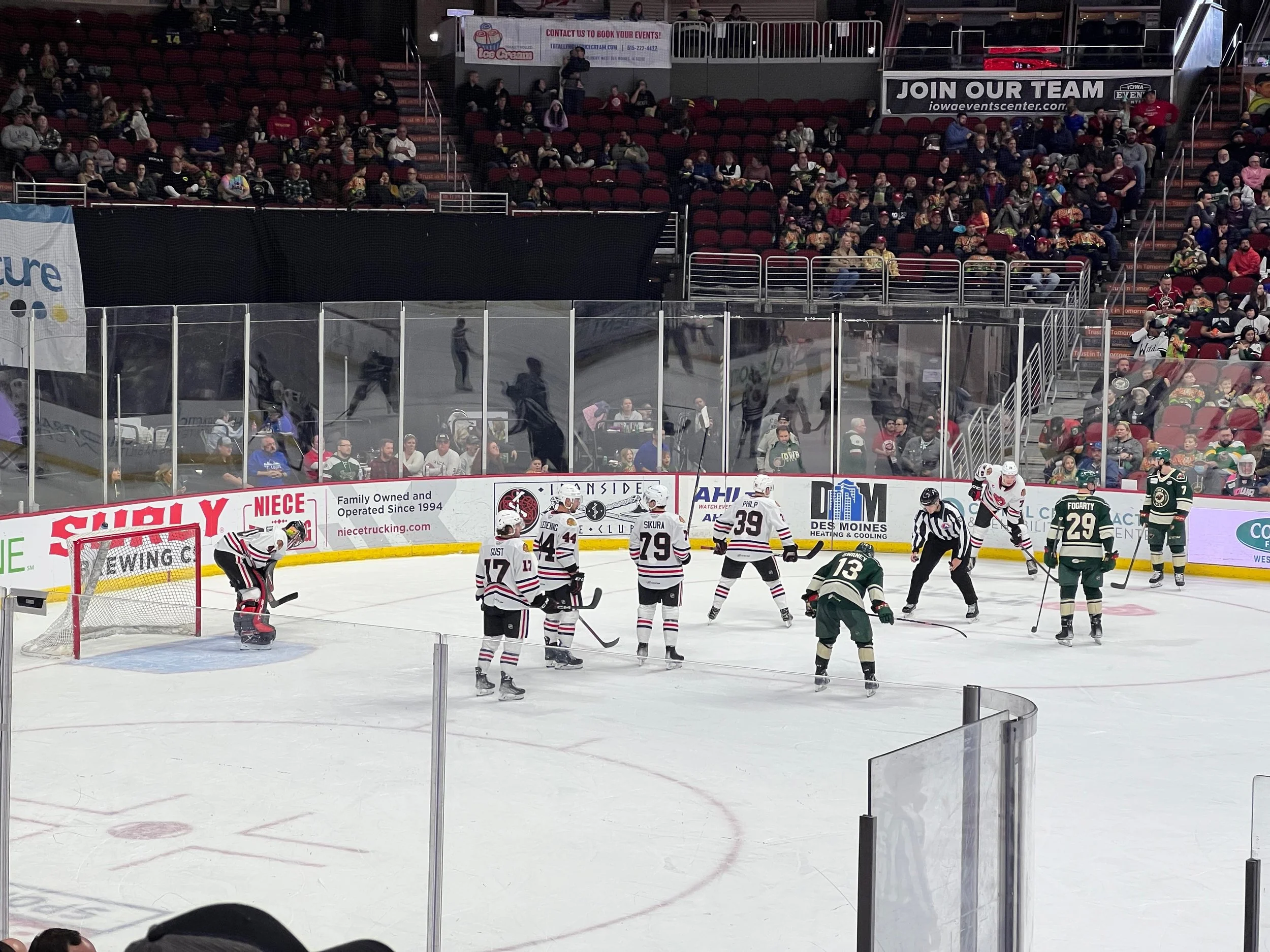
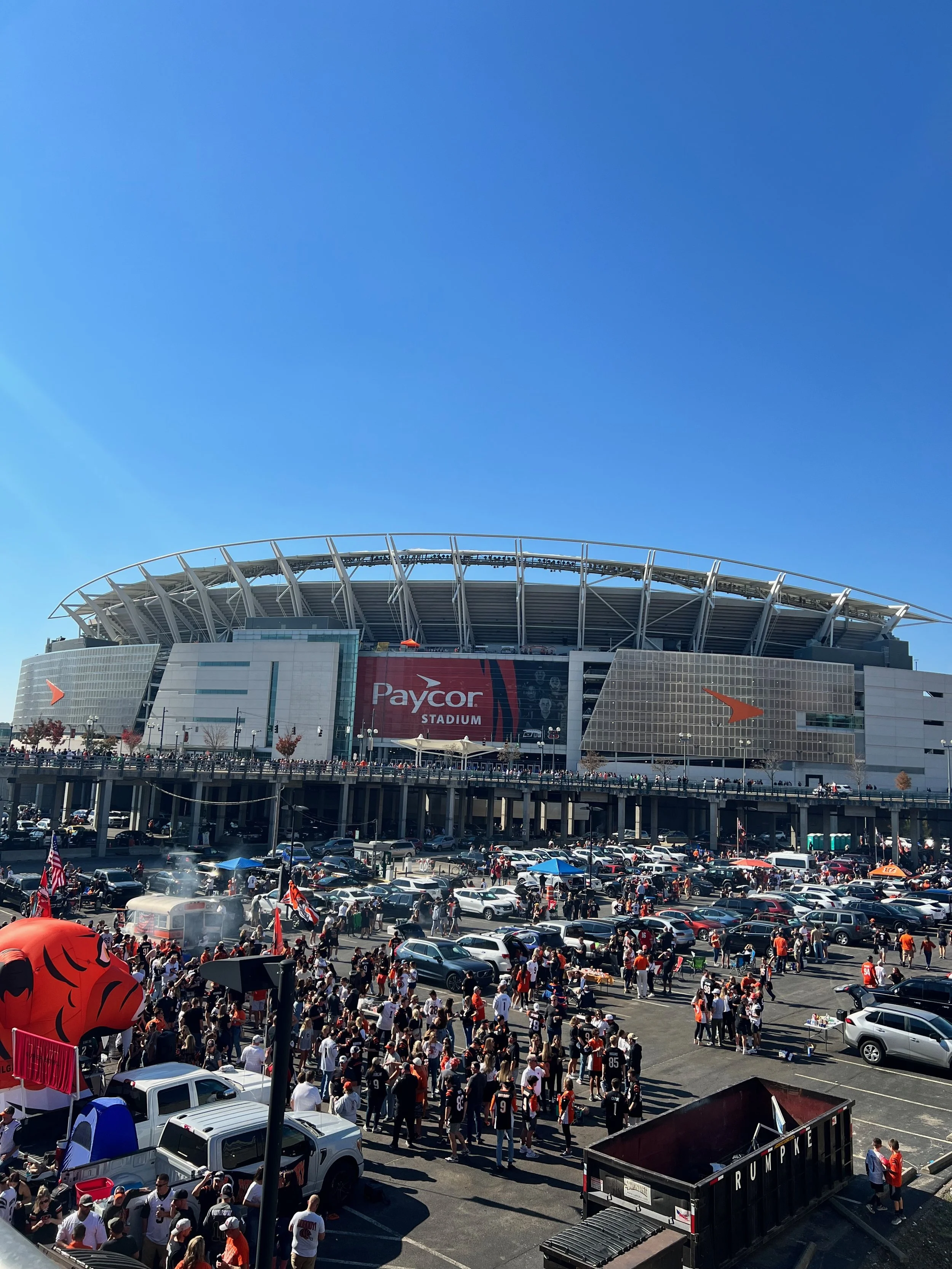
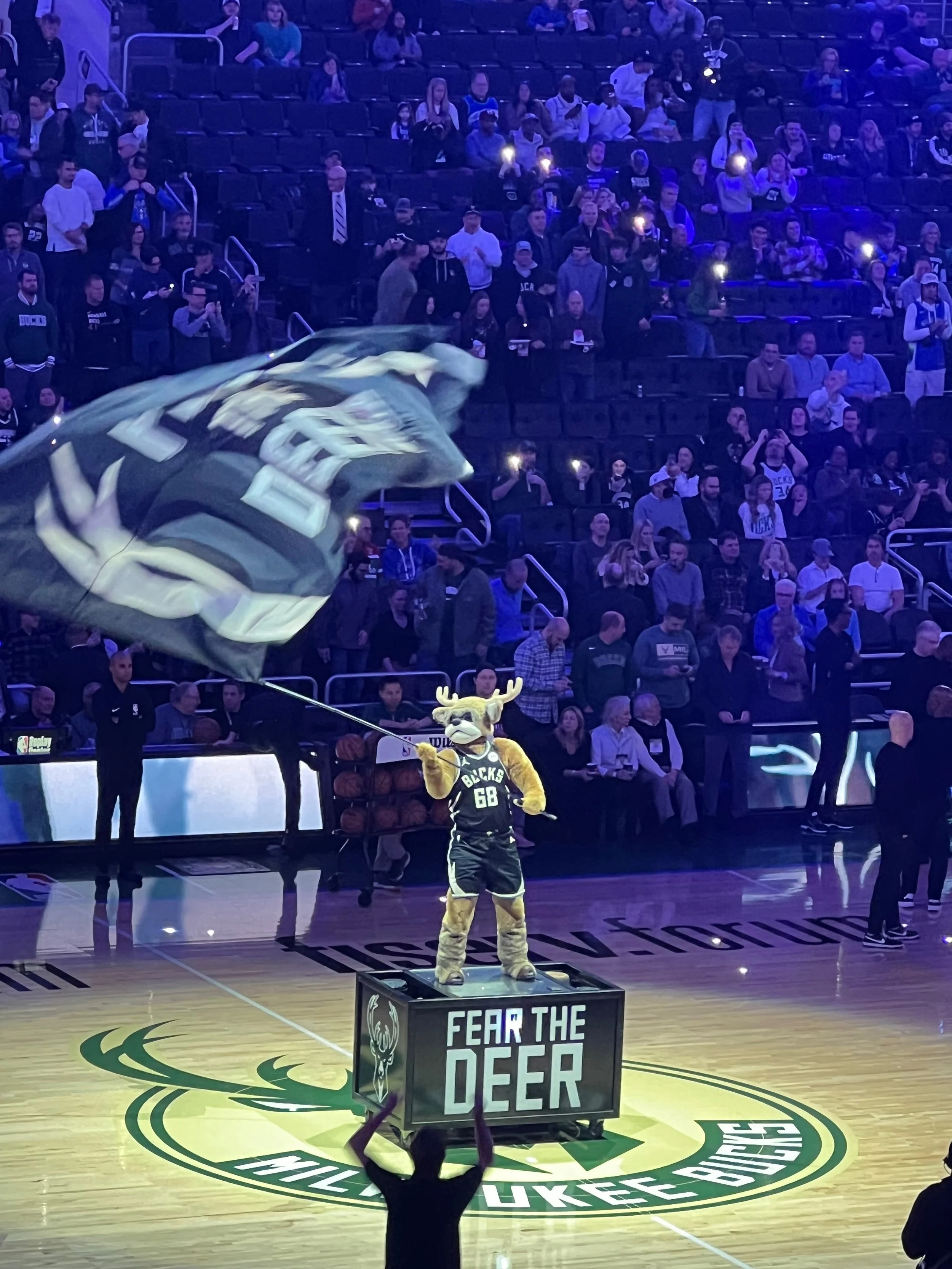
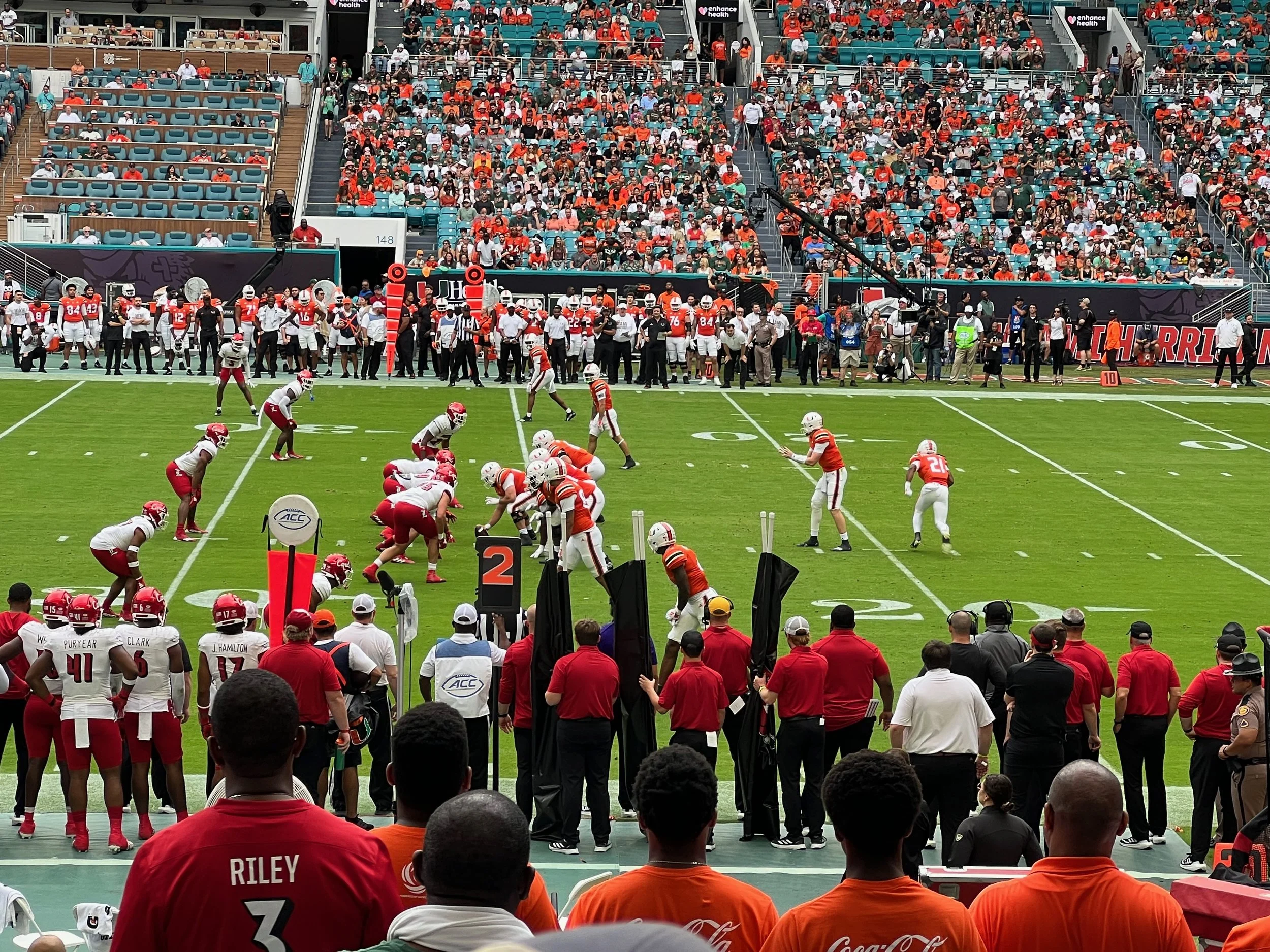
In a nation often divided by politics, class, and belief, sports offer a different kind of devotion. Places where tens of thousands gather, dressed in colors, chanting in unison, exalting something larger than themselves. They are temples of tribalism and joy, heartbreak, and hope. And they hold more power than we often admit. Each one is a monument to more than just a game.
These are places where identity is declared. Where civic pride is stitched into jerseys. Where loss, for a moment, feels collective, and love for a team is passed down like a ritual.
But they are also places of escape. While the world outside fractures, the scoreboard offers clarity. The rules are clear, the outcomes final, the heroes easy to cheer. That simplicity is seductive.
In these spaces, we reveal what we yearn for: belonging, spectacle, transcendence. But also what we avoid: nuance, discomfort, ambiguity. To walk these stadiums is to witness not just sports culture, but American culture itself. Loud, loyal, divided, devoted, and always in search of a win.
-
![]()
Wrigley Field, Chicago, Illinois
-
![]()
UD Arena, University of Dayton, Dayton, Ohio
-
![]()
The Diamond, Richmond, Virgina
-
![]()
Ross-Ade Stadium, Purdue University, West Lafayette, Indiana
-
![]()
Cintas Center, Xavier University, Cincinnati, Ohio
-
![]()
Albertsons Stadium, Boise State University, Boise, Idaho
-
![]()
Wells Fargo Arena, Des Moines, Iowa
-
![]()
Paycor Stadium, Cincinnati, Ohio
-
![]()
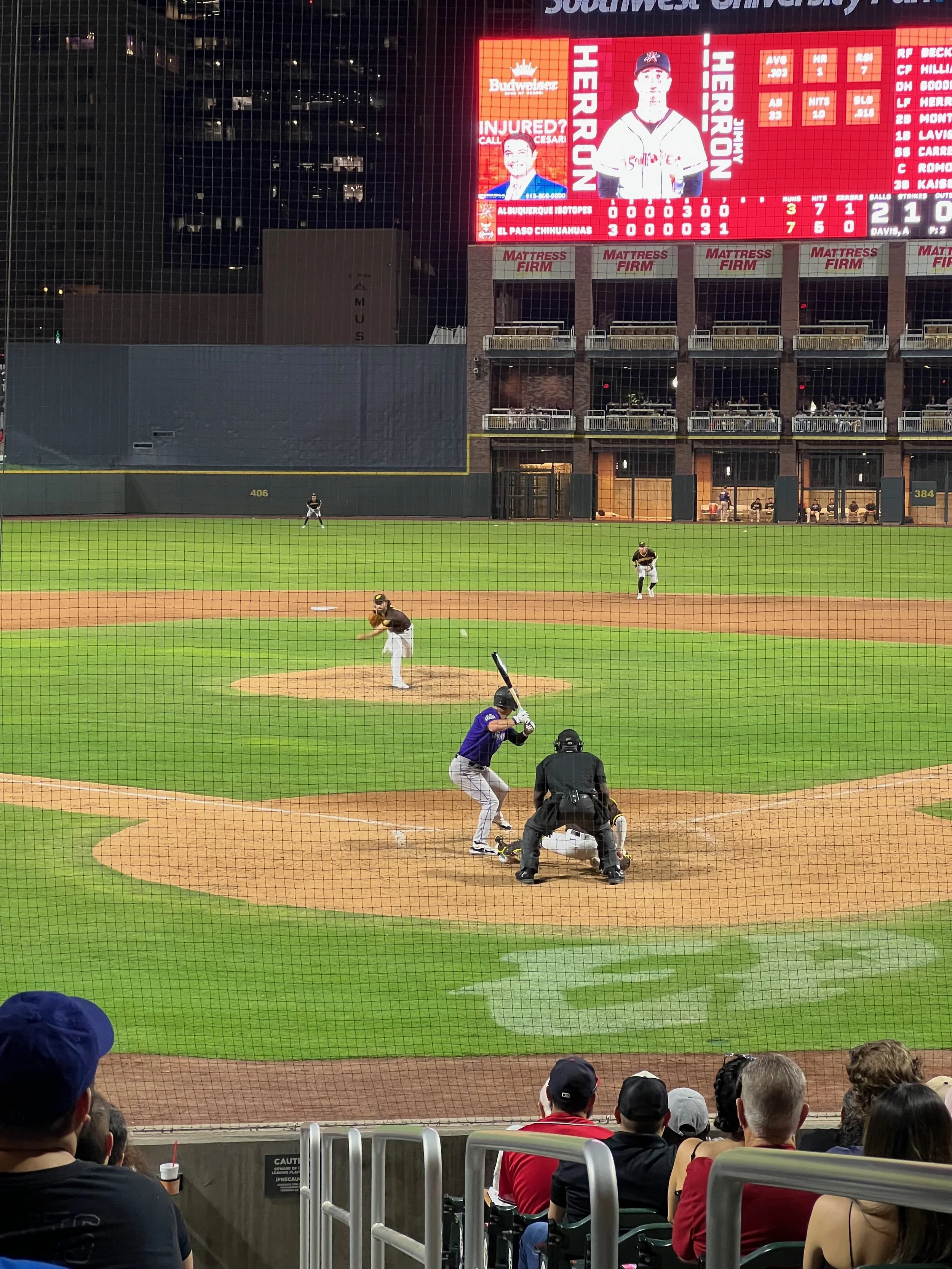
Southwest University Park, El Paso, Texas
-
![]()
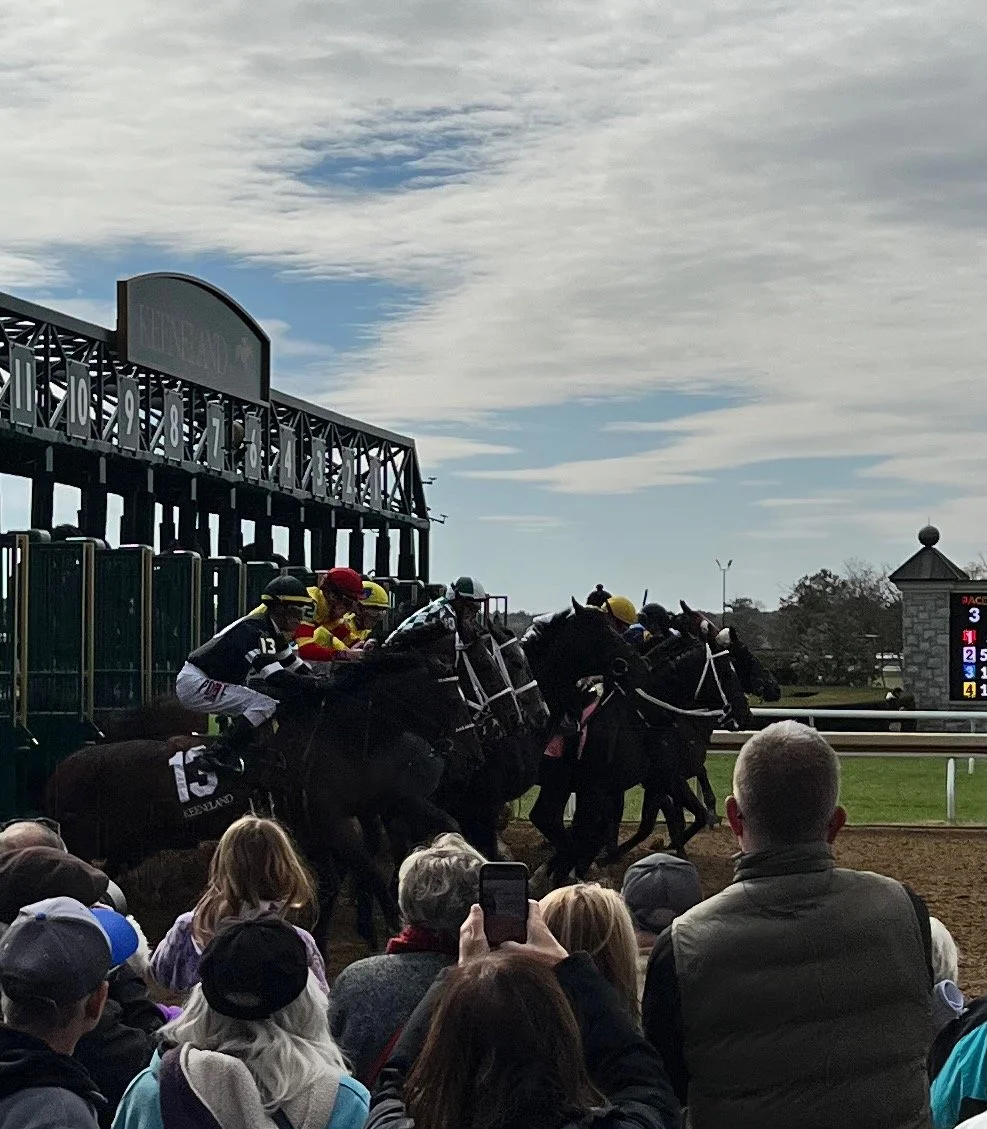
Keeneland, Lexington, Kentucky
-
![]()
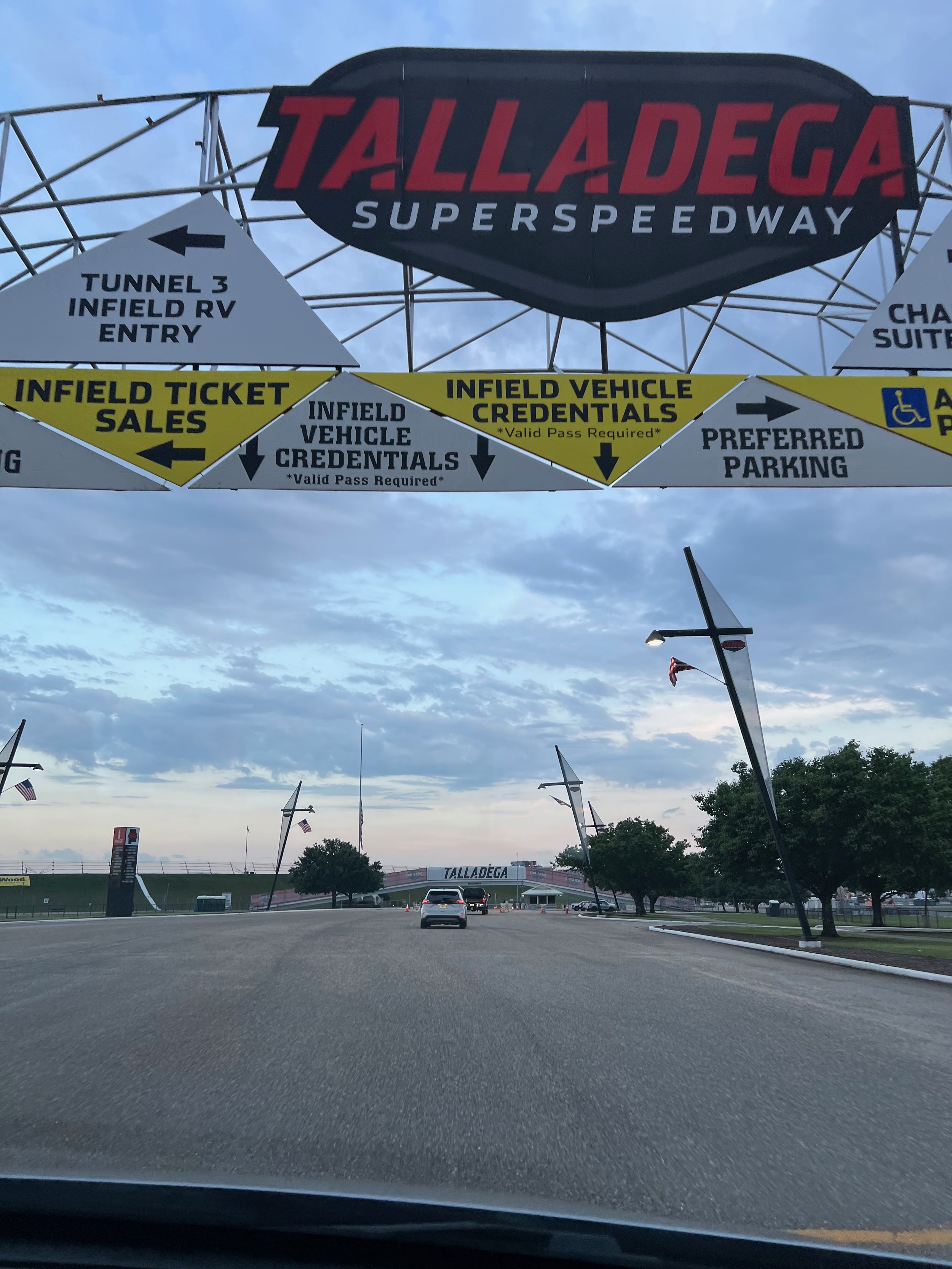
Talladega Superspeedway, Talladega County, Alabama
-
![]()
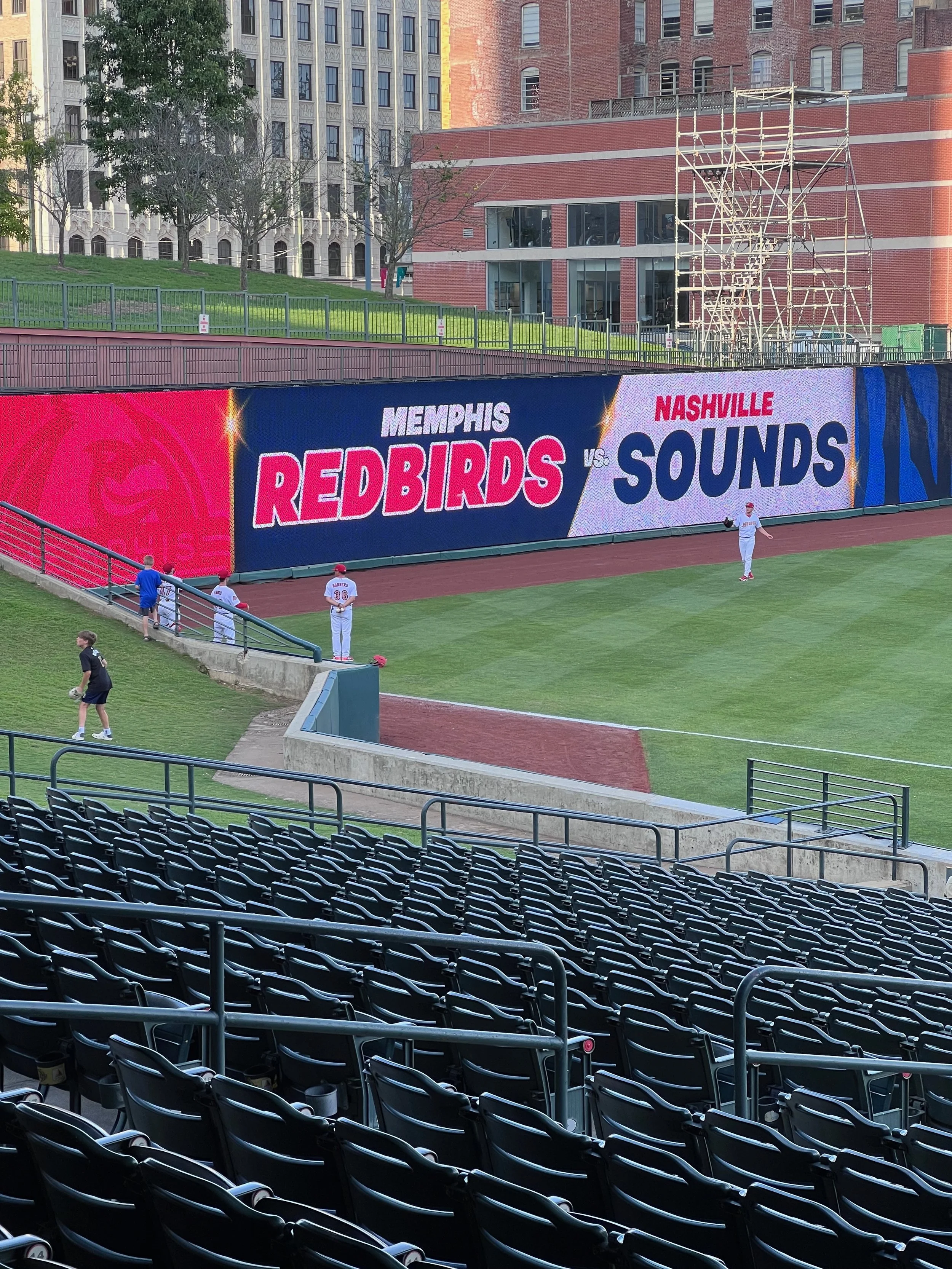
AutoZone Park, Memphis, Tennessee
-
![]()
Fiserv Forum, Milwaukee, Wisconsin
-
![]()
Hard Rock Stadium, Miami, Florida