The Language of the Street
In America, there is a conversation happening on the street if you slow down to listen. From hand-painted protest signs to cheeky cafe boards, our sidewalks shout, whisper, affirm, and rebel. These signs are unofficial poetry. They are what happens when the people speak for themselves.
They hang in windows, lean on sidewalks, glow in neon, or fade in chalk. Some are designed to provoke. Others are made to sell. But together, they form a living record of who we are and what we’re wrestling with.
In a country built on free speech, it’s easy to forget how much of it is found on light poles and lunch counters. These signs are not neutral. They carry pride, protest, identity, exhaustion, and hope. They tell you to vote, to think, to shop, to dream. They command. They confess. They resist.
This is where our country speaks in its truest accent, not the polished voice of officialdom, but the raw, regional dialects of communities trying to be seen, heard, and understood. Street signs become street sermons. Billboards become battle cries. Storefronts become mirrors.
So I started paying attention. Photographing them. Reading between the words. Looking for the soul of a place not in its landmarks, but in its lettering.
What I found wasn’t a single message but a collage: part protest, part punchline, part plea. Taken together, they offer a window into our contradictions and our creativity. Not the whole story of America, but a revealing one.
Street Prophets
Across 28 states, I kept noticing them. Not official, but urgent. These were the signs of people with something to say and no time to wait for permission. Some preached. Some pleaded. Some just dared to name what others refused to see. Justice, grief, fury, faith. Raw, unfiltered, often anonymous. Street prophecy, not polished branding. These weren’t curated by institutions. They were handmade, heartfelt, and often heartbreaking.
Some signs were gone the next day. Others stayed for months, weathered by rain, sun, and disregard. But all of them asked to be witnessed. To walk through a city and see these signs is to feel a pulse beneath the pavement. Not just protest, but presence. Not just slogans, but stakes. They reminded me that America’s moral imagination isn’t only shaped in courts or classrooms. It’s shaped on the street, one sign at a time.
-
![]()
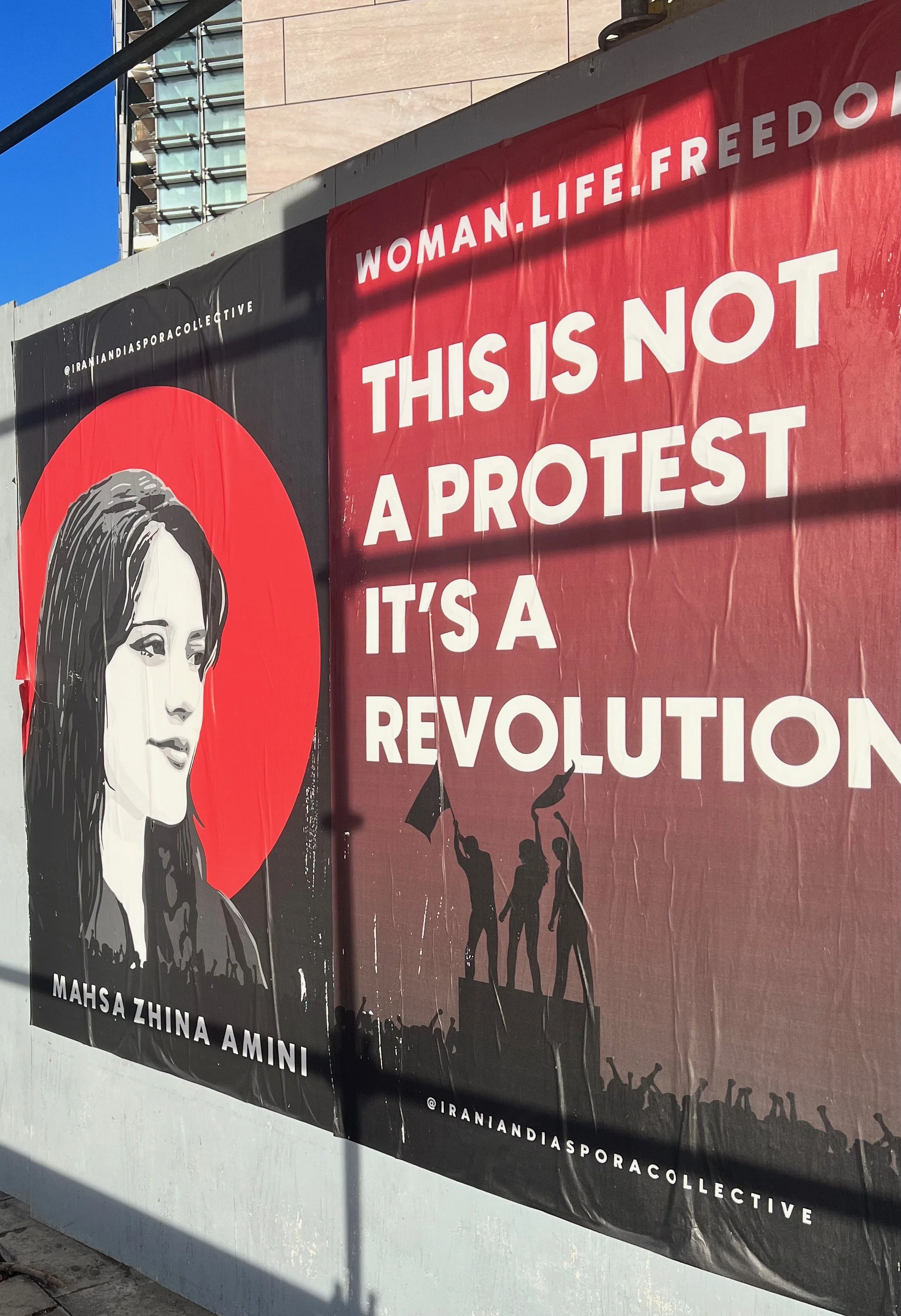
Woman. Life. Freedom., Pennsylvania Avenue, Washington, D.C.
-
![]()
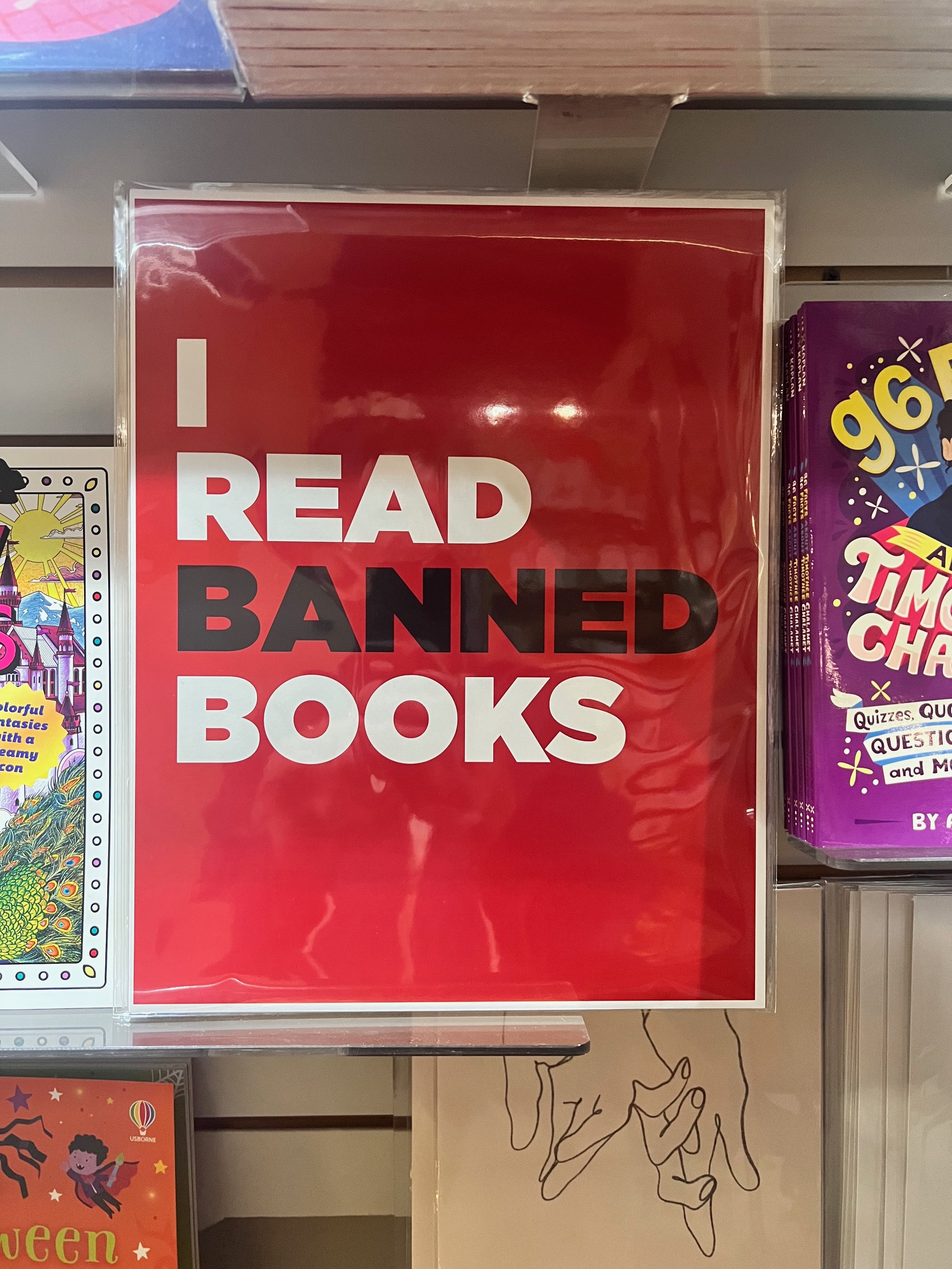
Trident Booksellers & Cafe, Boston, Massachusetts
-
![]()
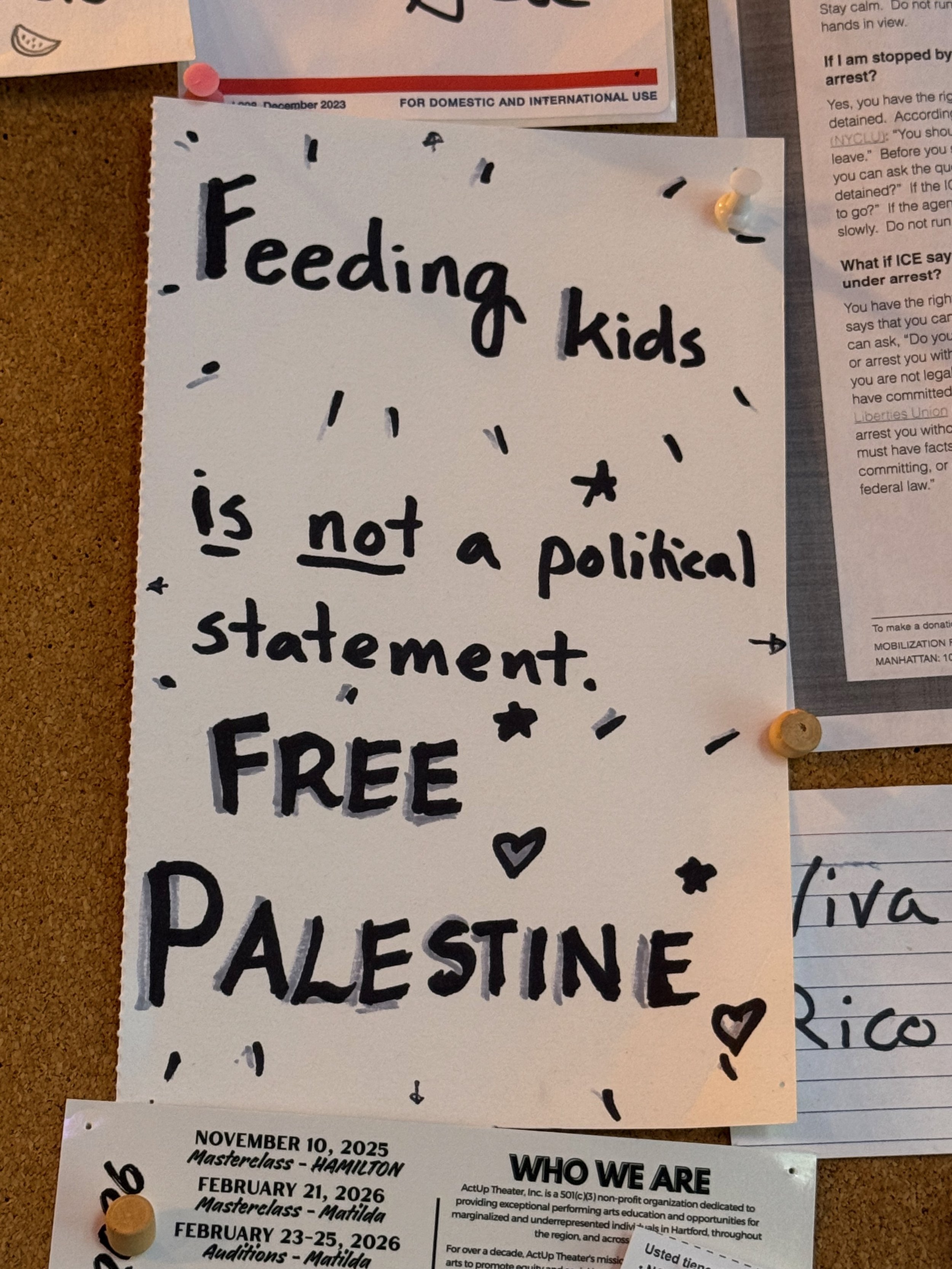
Story and Soil Coffee, Free Palestine, Hartford, Connecticut
-
![]()
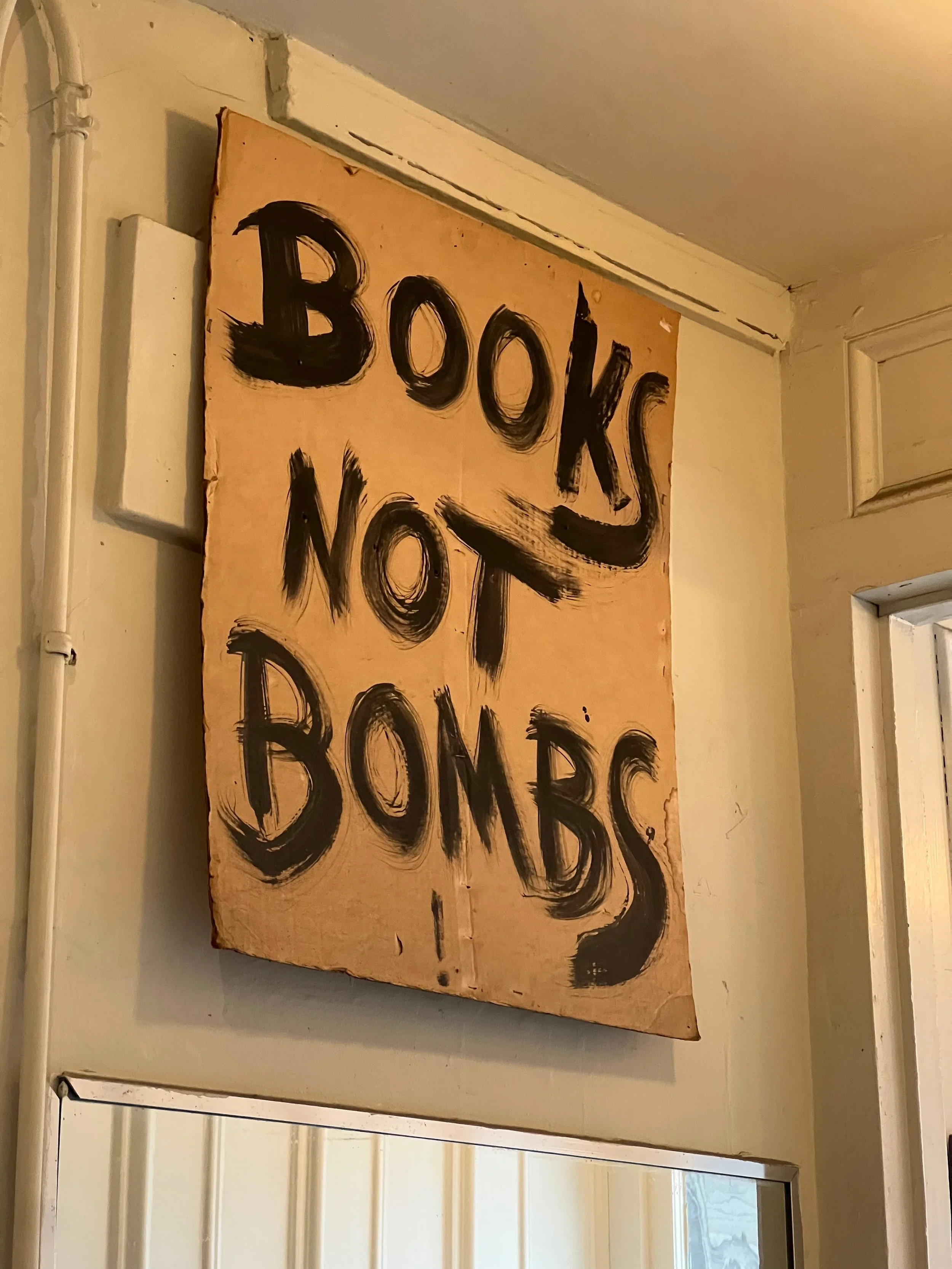
City Lights Booksellers & Publishers, San Francisco, California
-
![]()
Unitarian Universalist Congregation, Summit, New Jersey
-
![]()
Shedd Aquarium, Chicago, Illinois
-
![]()
Bob Dylan Center, Tulsa, Oklahoma
-
![]()
STOKED, Historic East Village, Des Moines, Iowa
-
![]()
Clay Street, San Francisco, California
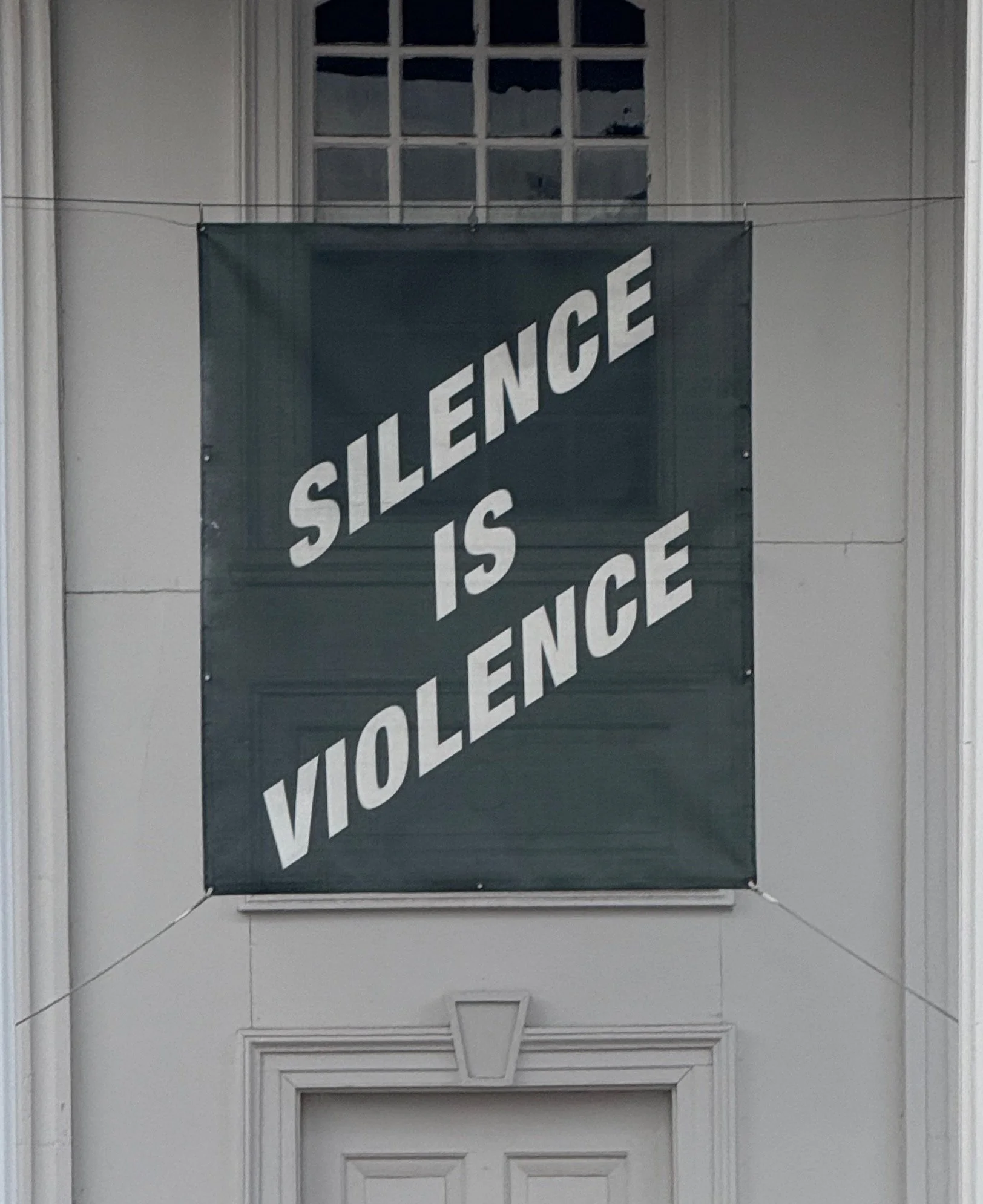
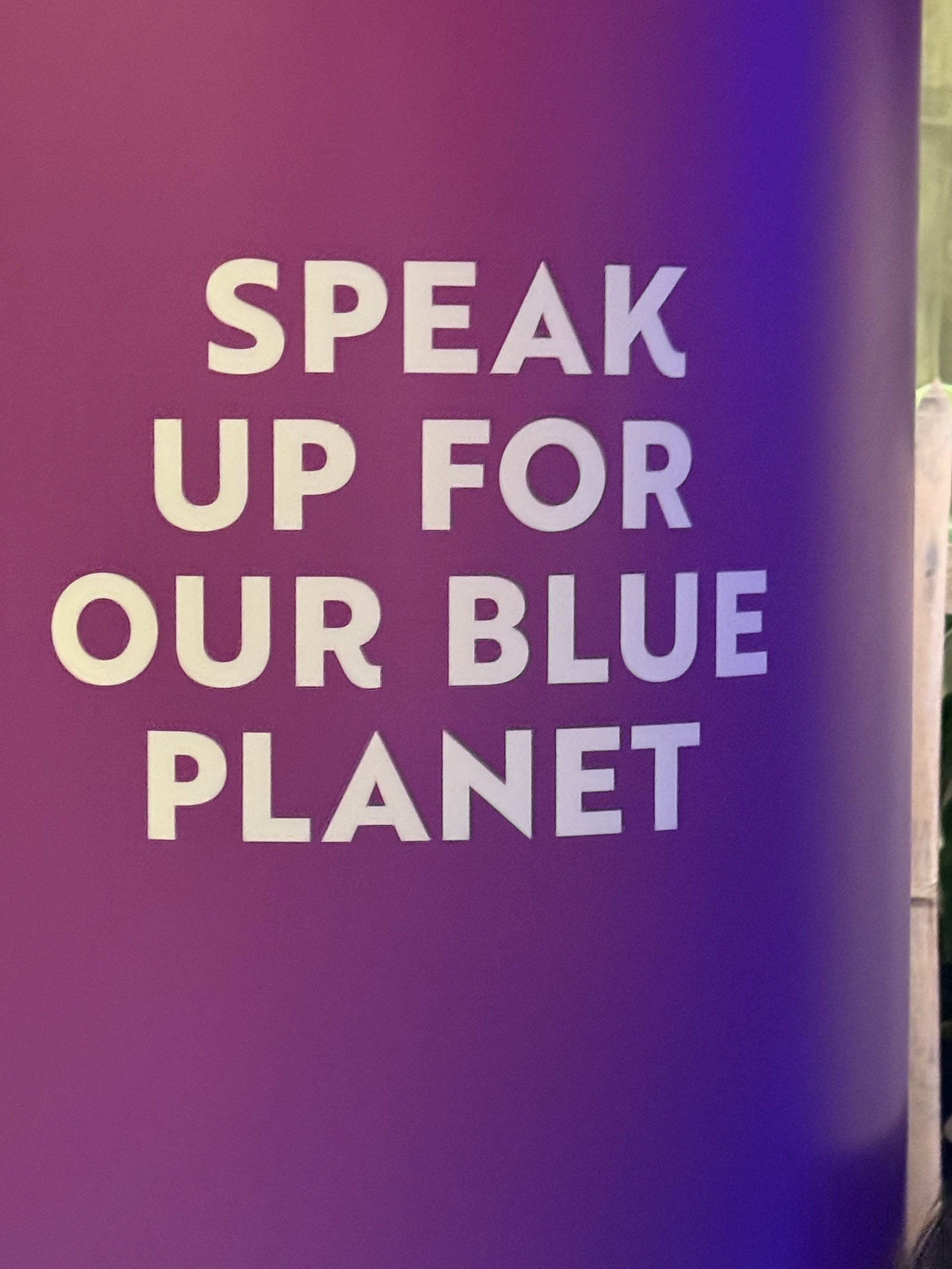
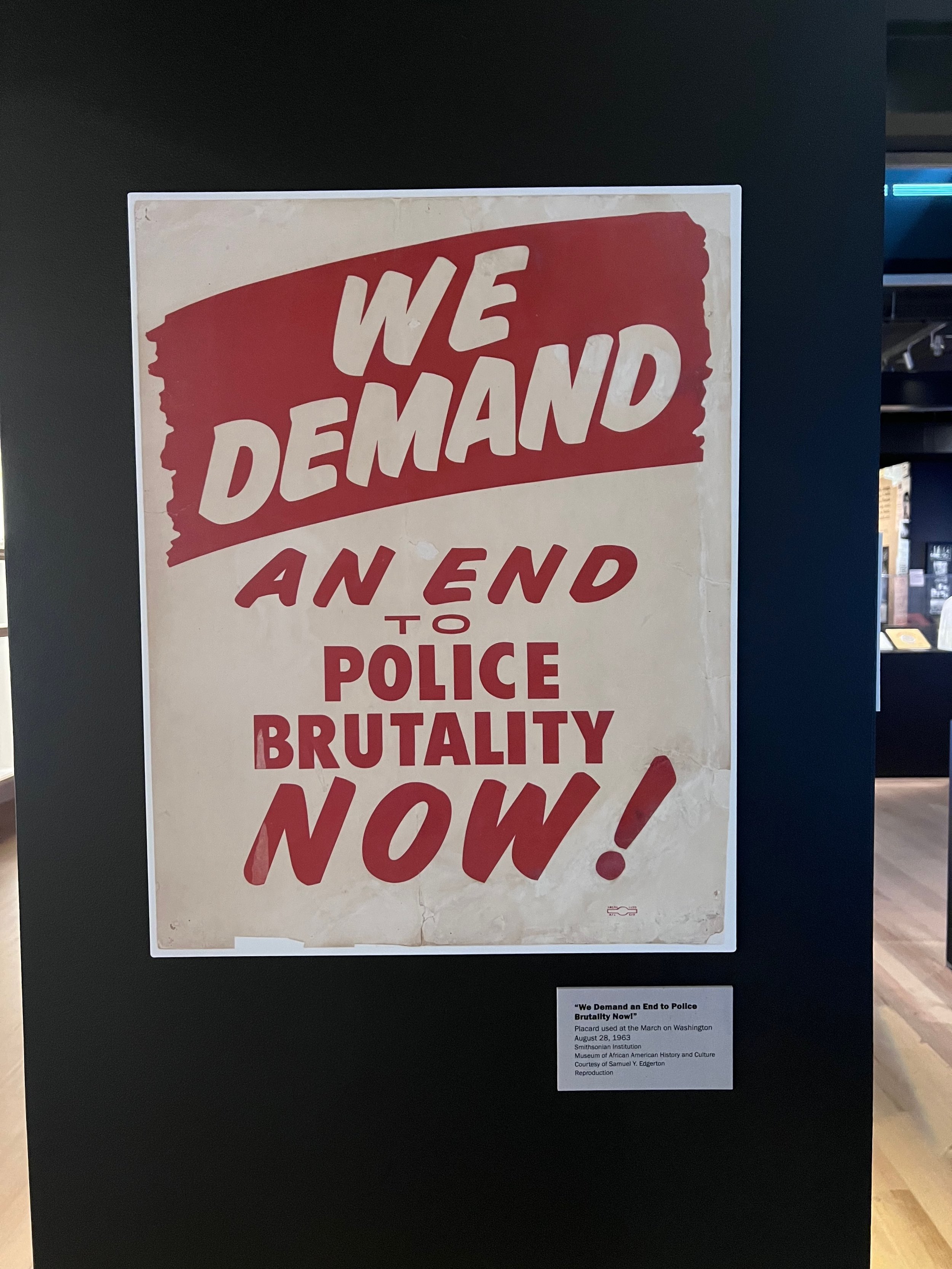
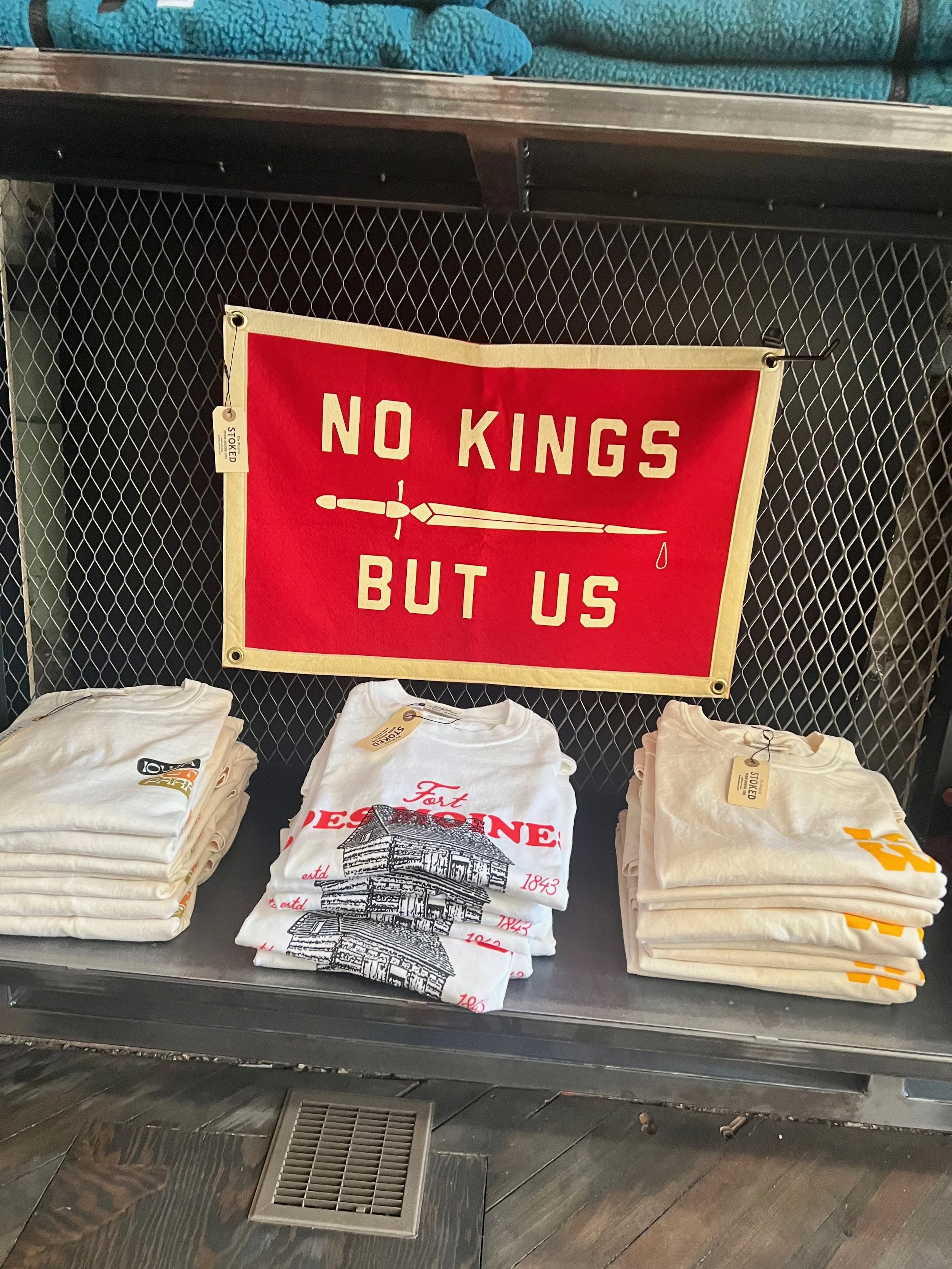
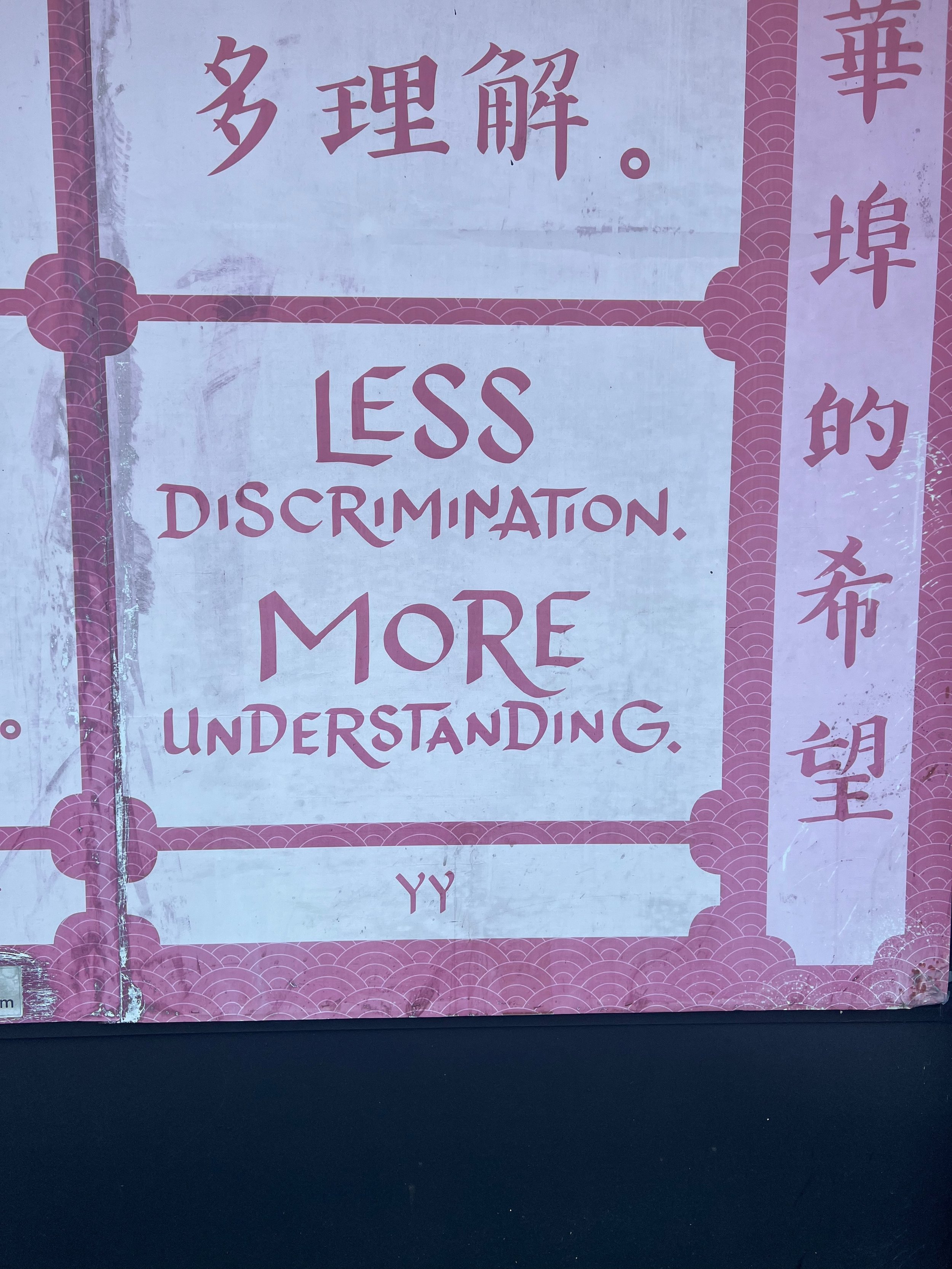
Everyday Wisdom
Some signs just sit quietly, waiting to be noticed. Some are provocative. Some offer comfort. Others offer attitude.
All of them offer a glimpse into how we live, cope, joke, and keep going. This is the quiet chorus of the everyday. Small truths. Sharp observations. A stranger’s shorthand for survival. And when you see one that speaks to you, it doesn’t feel like graffiti. It feels like grace.
Wisdom shared anonymously, passed along like a secret or a dare. You might miss it if you’re in a hurry. But when you slow down, and these signs become a kind of shared language, humor, hope, resilience, and contradiction, created and left behind by someone who hoped you’d see it.
And now you have.
-
![]()
South Congress Street, Austin, Texas
-
![]()
El Paso Art Museum, El Paso, Texas
-
![]()
Old Scratch, Dayton, Ohio
-
![]()
Boston College, Chestnut Hill, Massachusetts
-
![]()
Walker's Point, Milwaukee, Wisconsin
-
![]()
Museum of Fine Arts, Boston, Massachusetts
-
![]()
Park Avenue, New York, New York
-
![]()
Portland Japanese Garden, Portland, Oregon
-
![]()
Massachusetts Avenue NW, Washington, D.C.
-
![]()
Thompson Street, New York, New York
-
![]()
N Second Street, Philadelphia, Pennsylvania
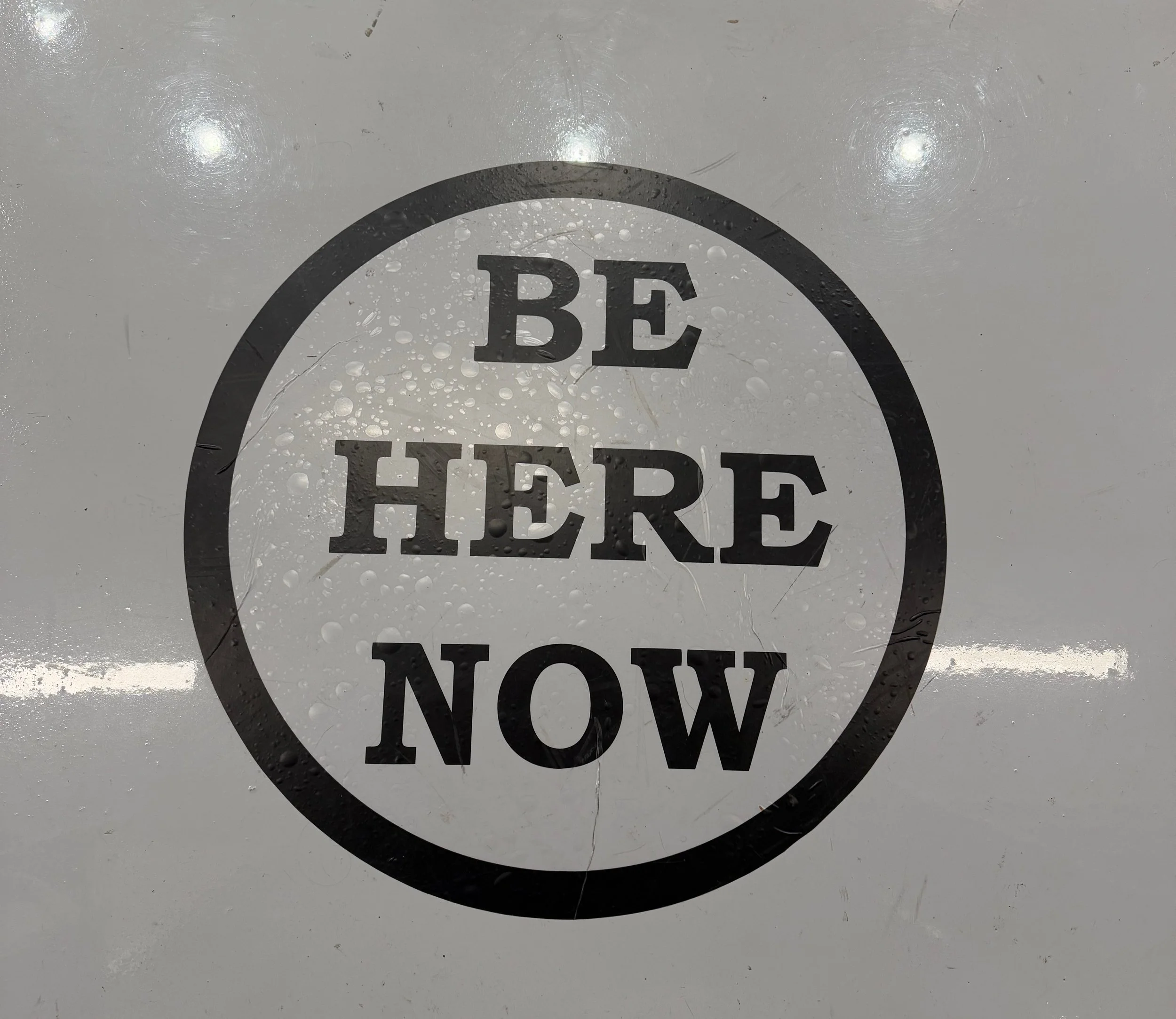
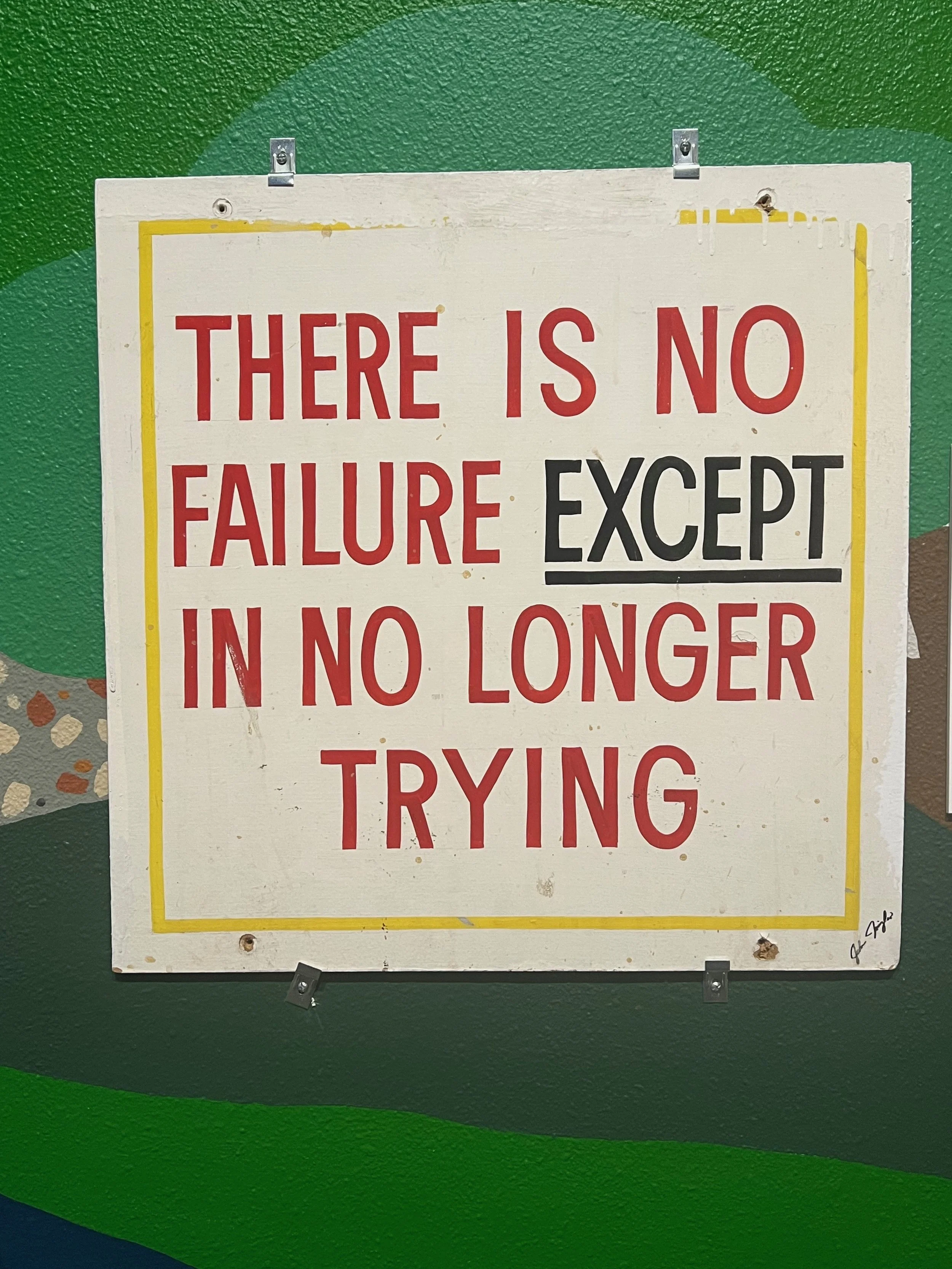
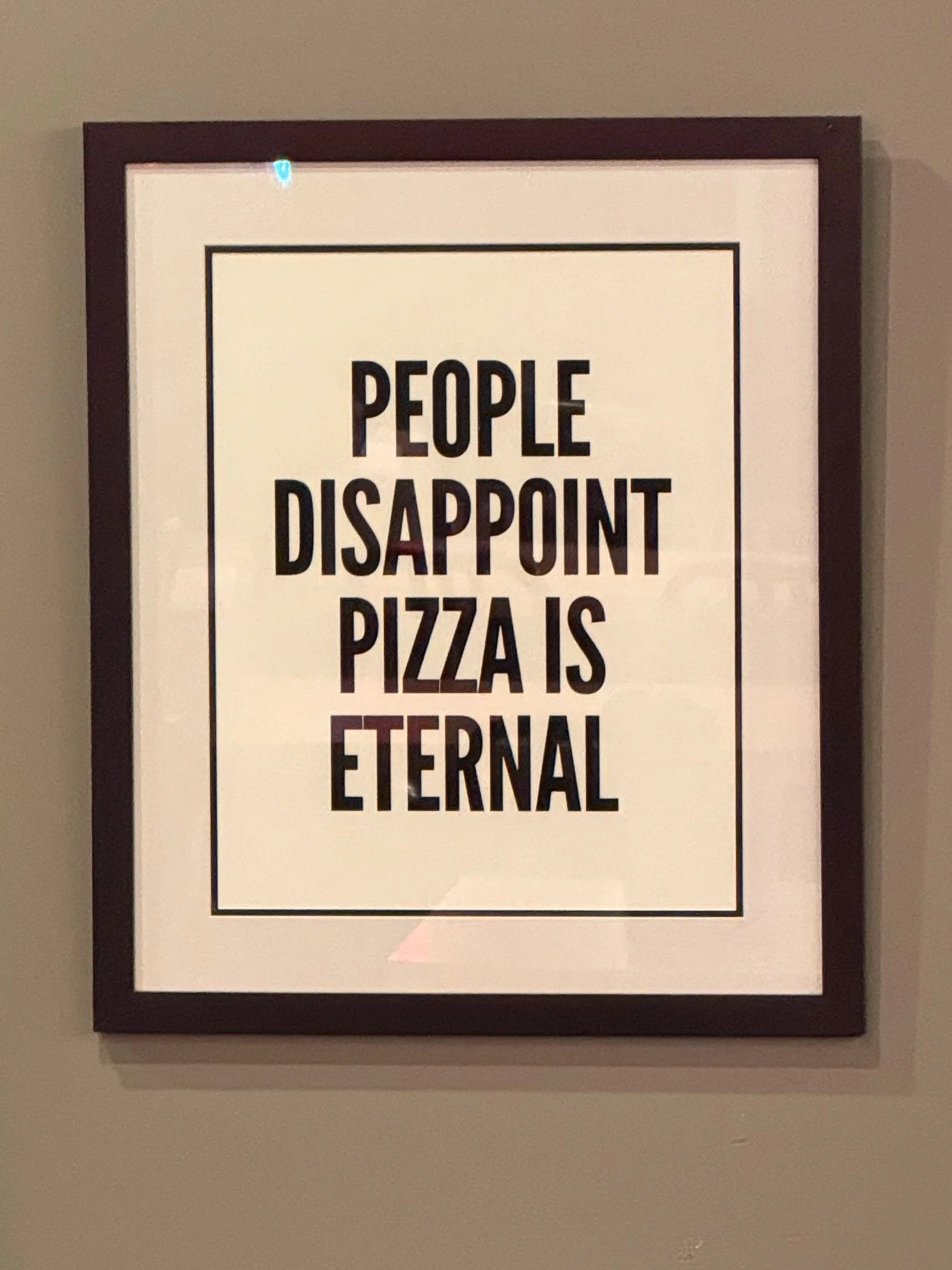
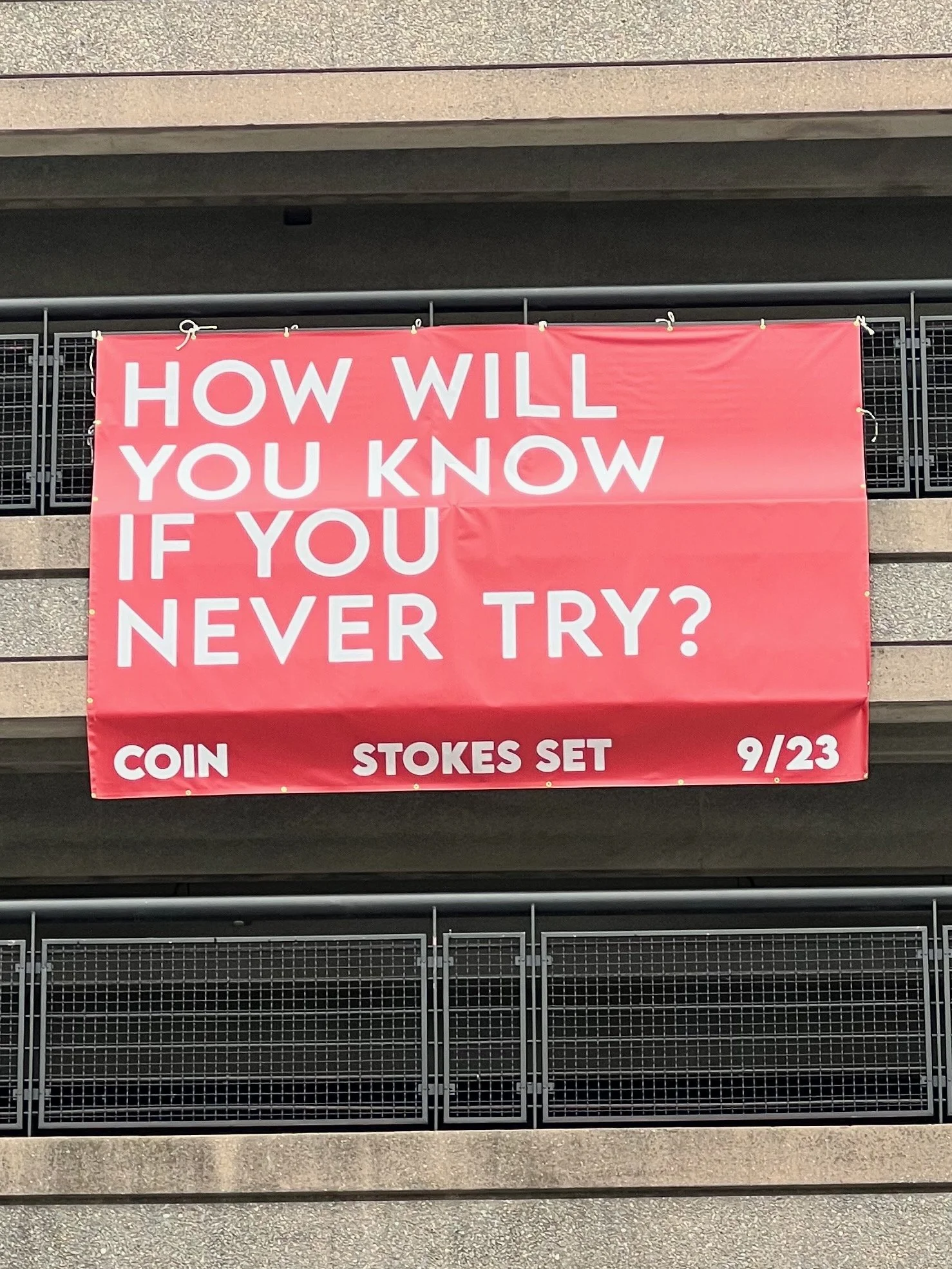
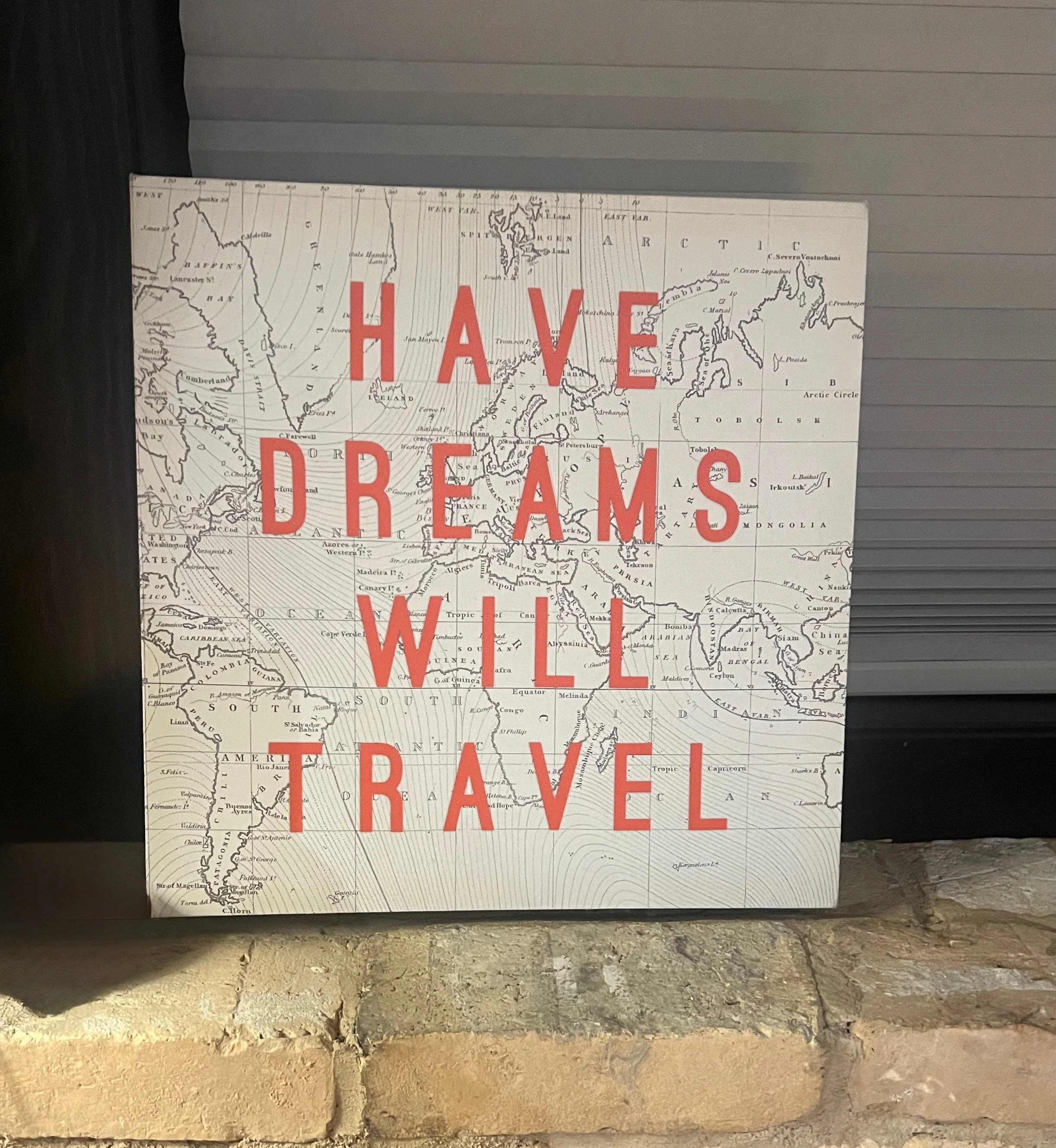
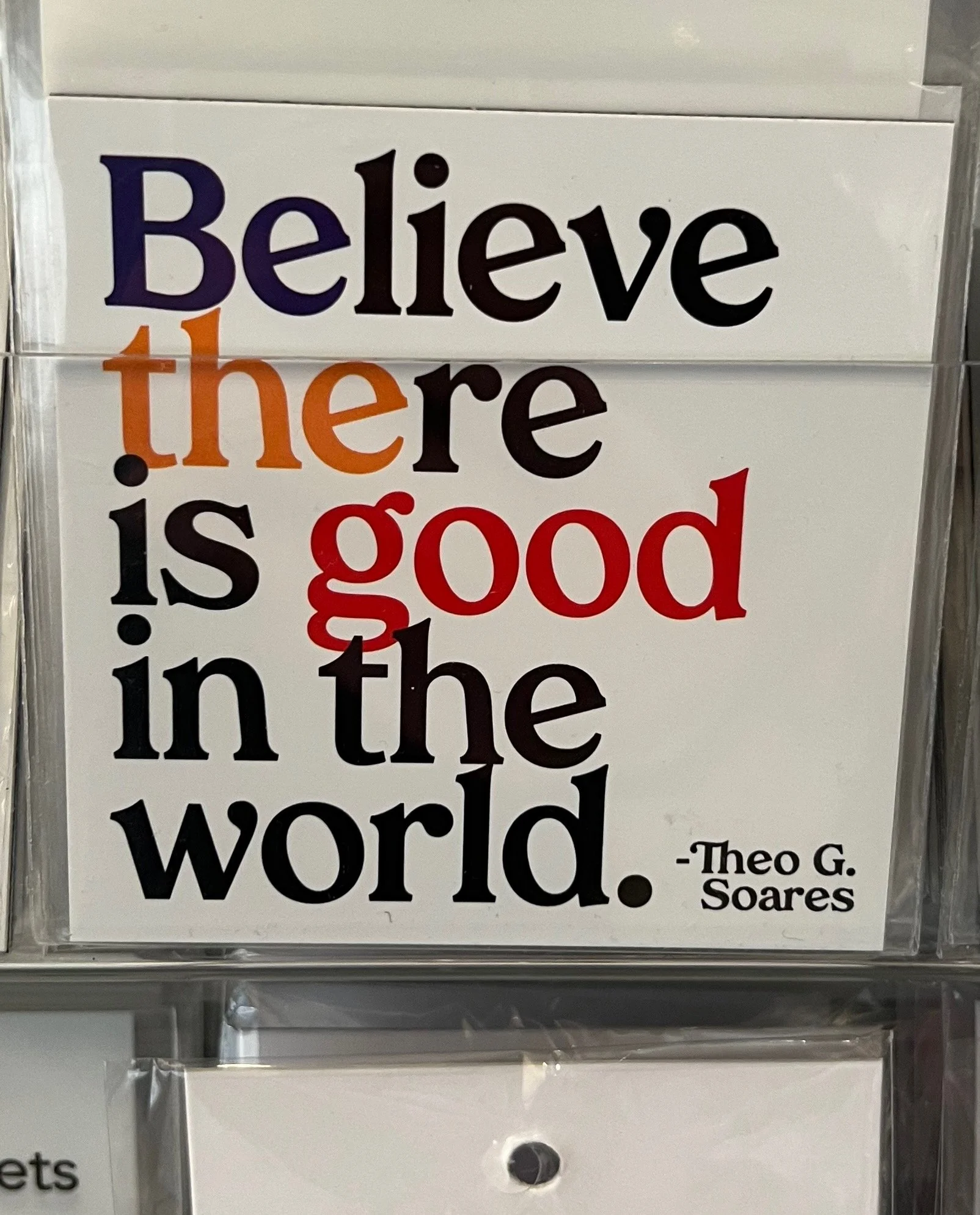
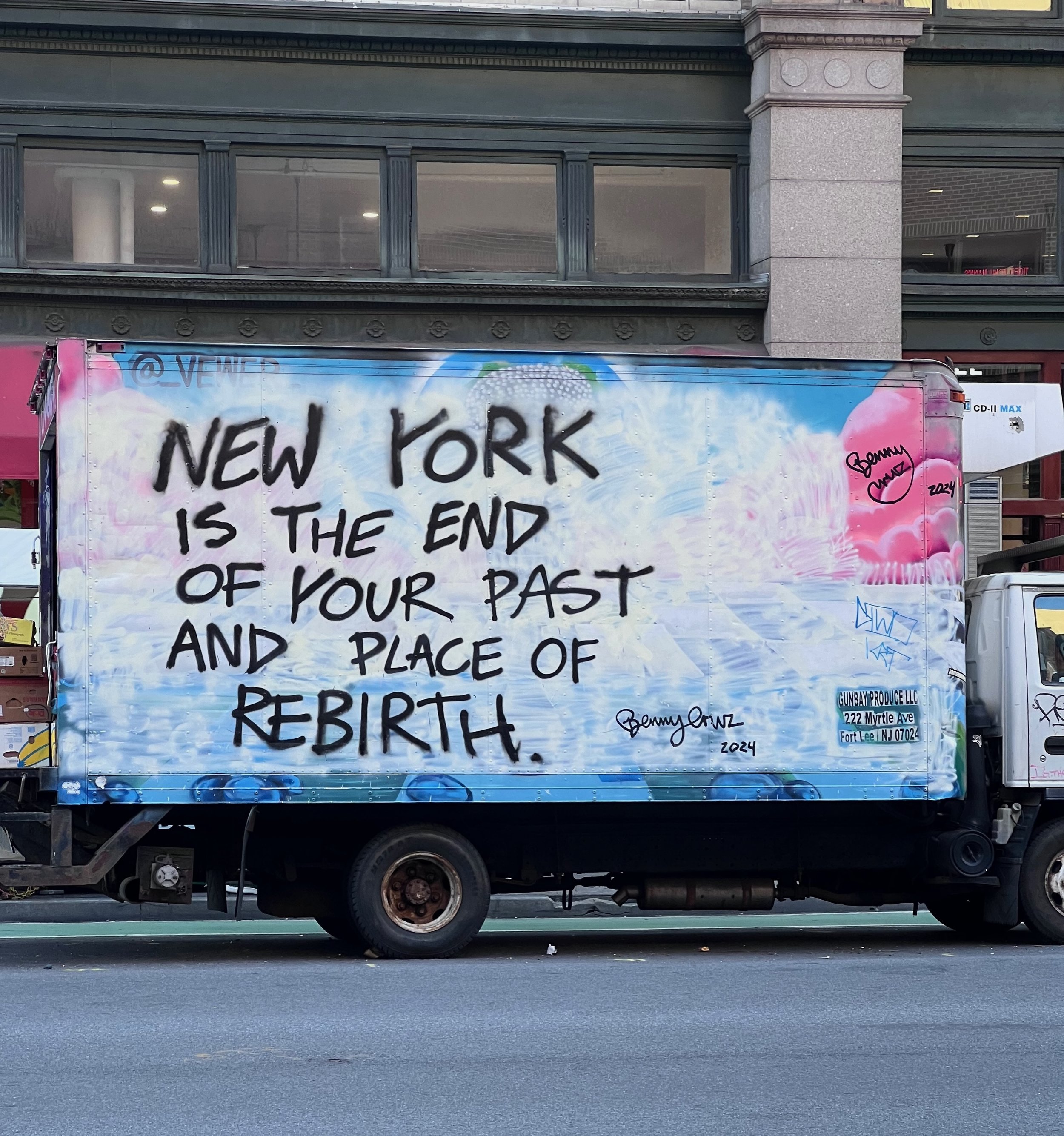
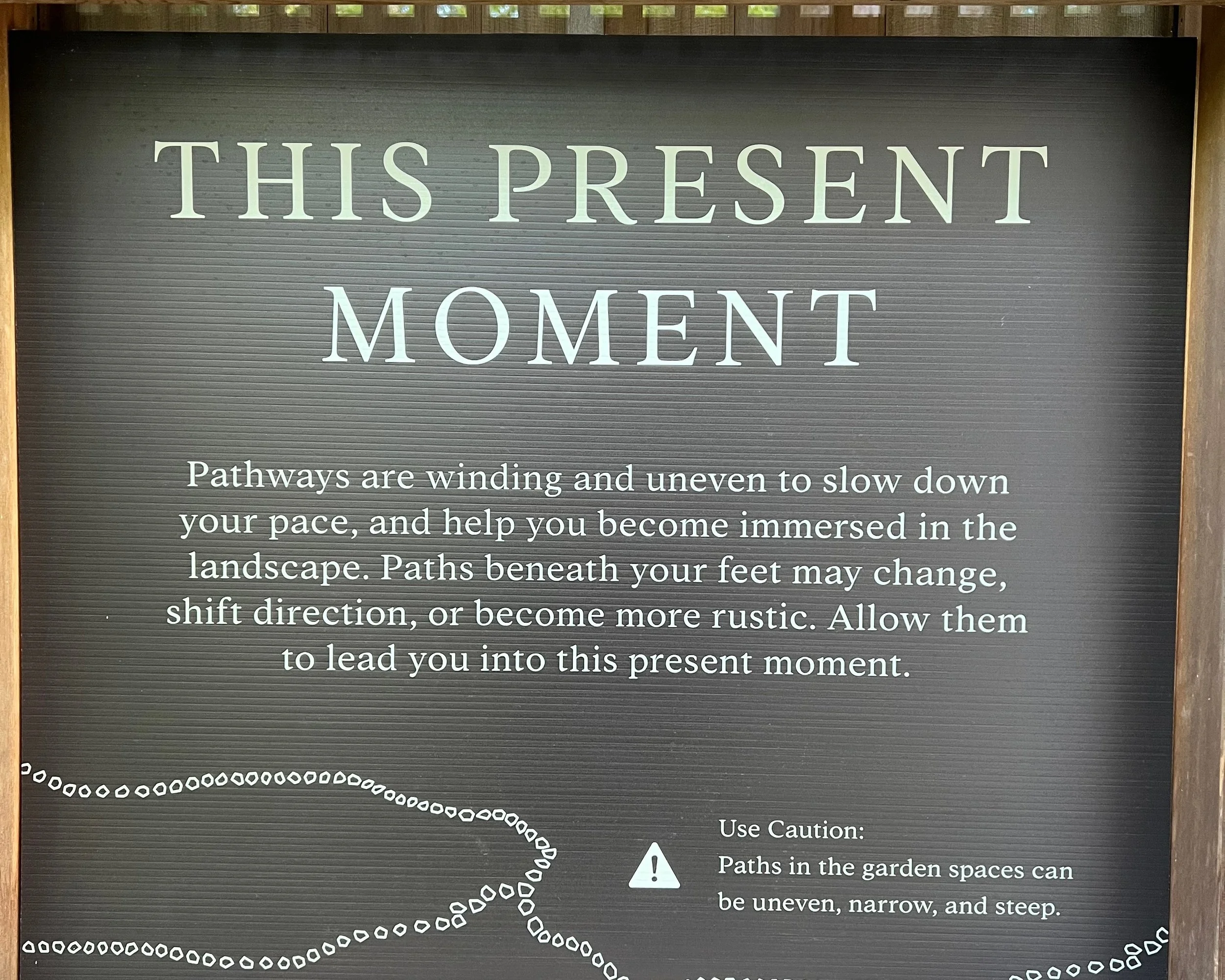
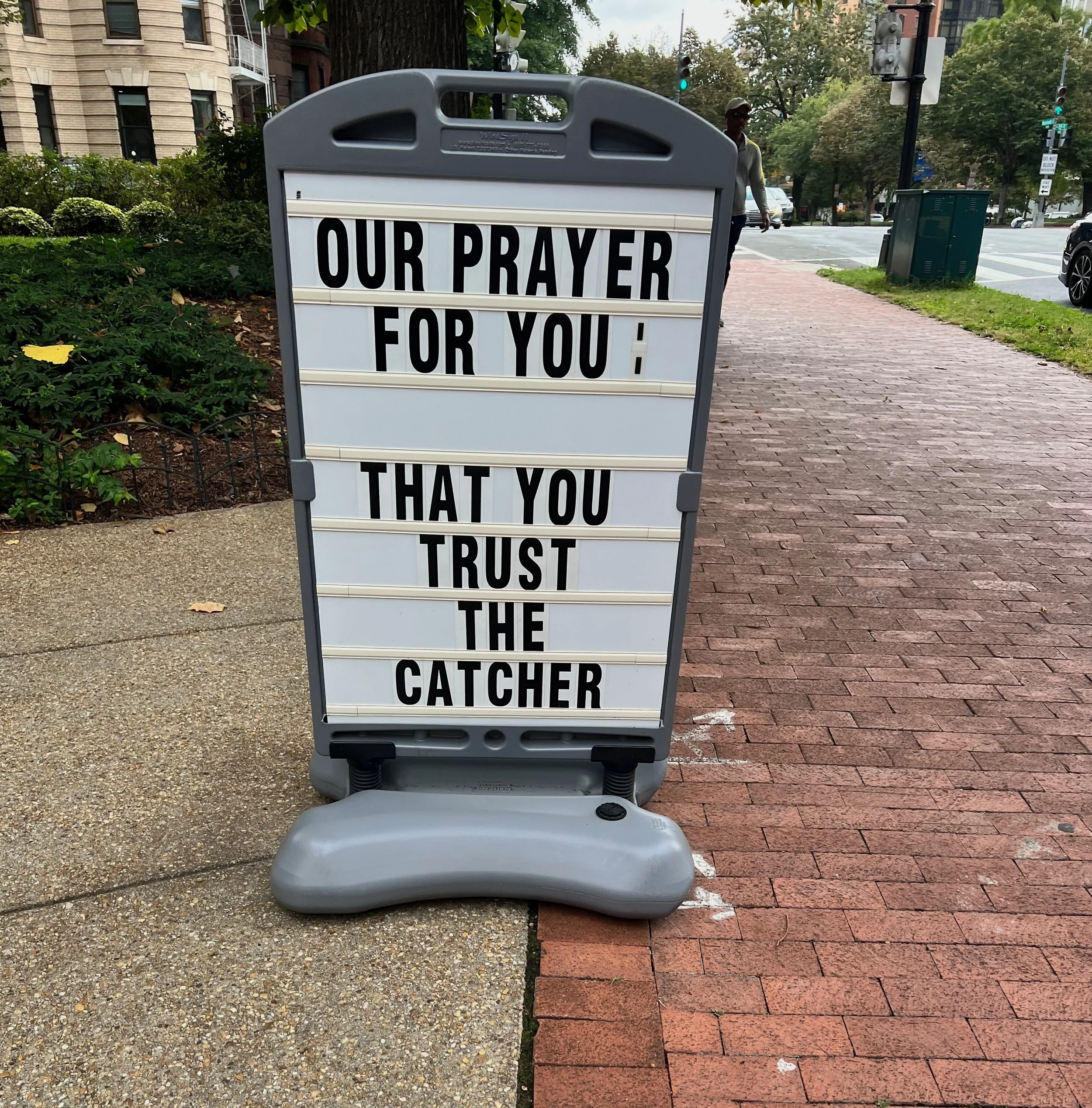
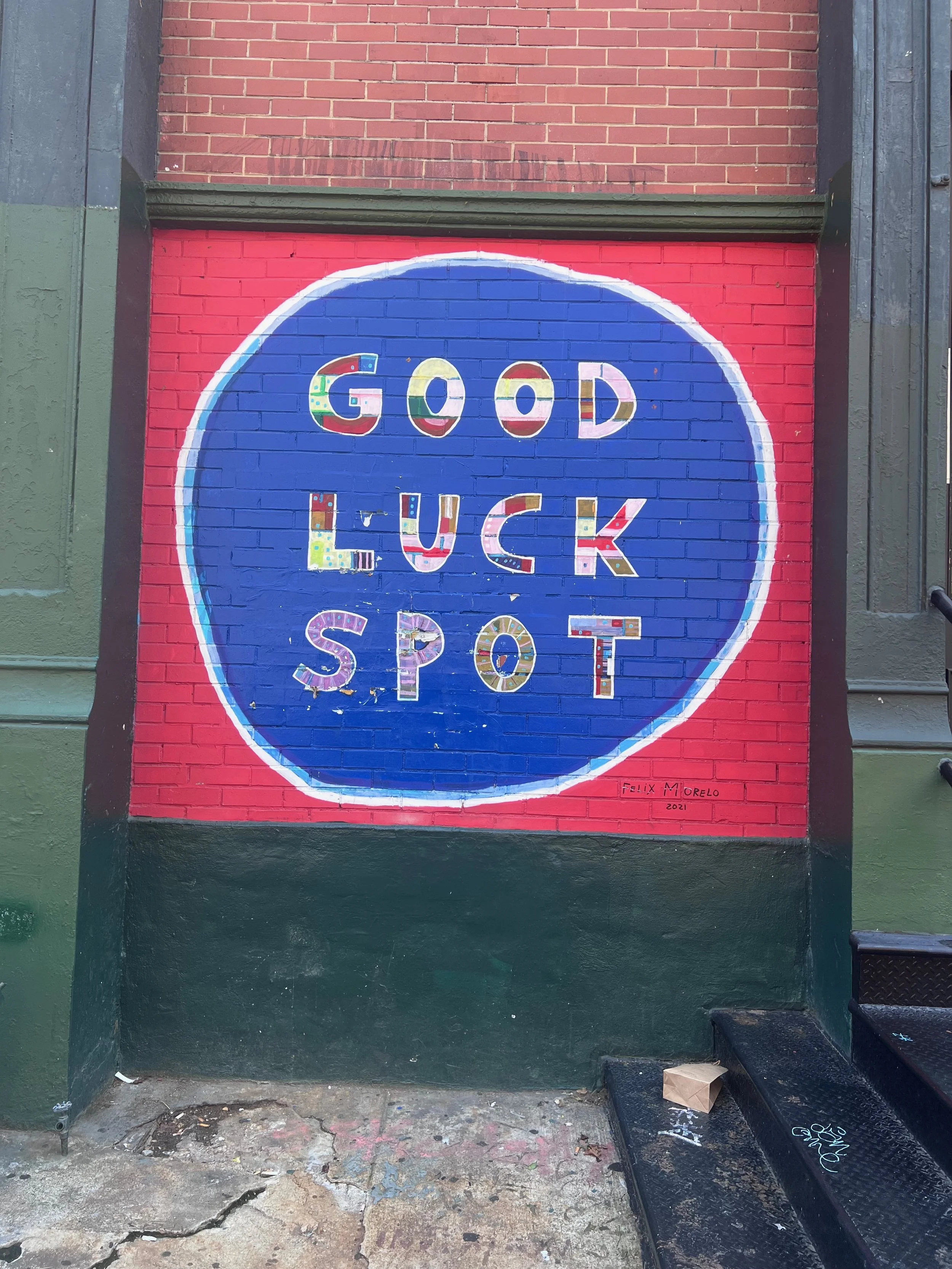
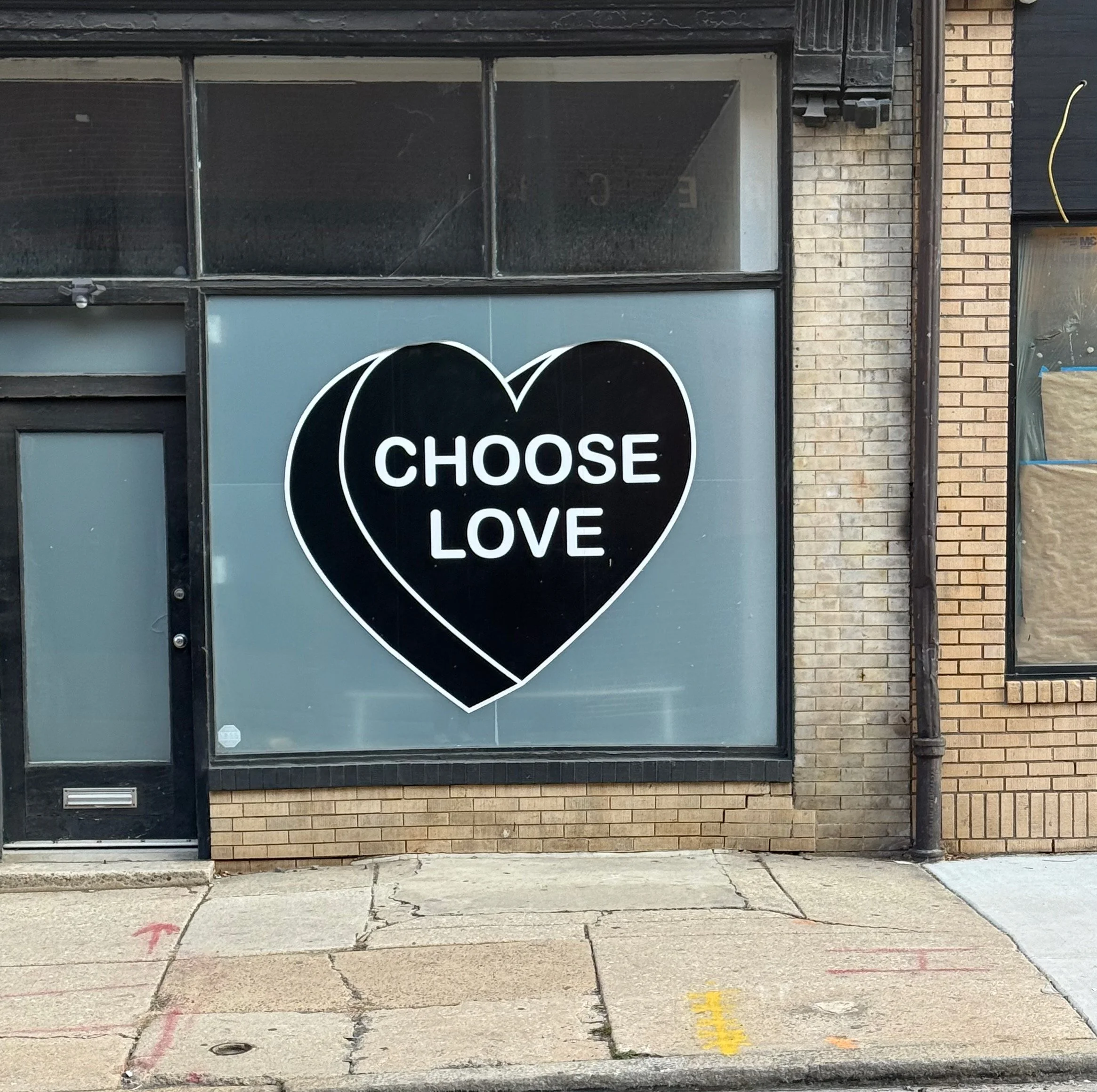
Signs of Life
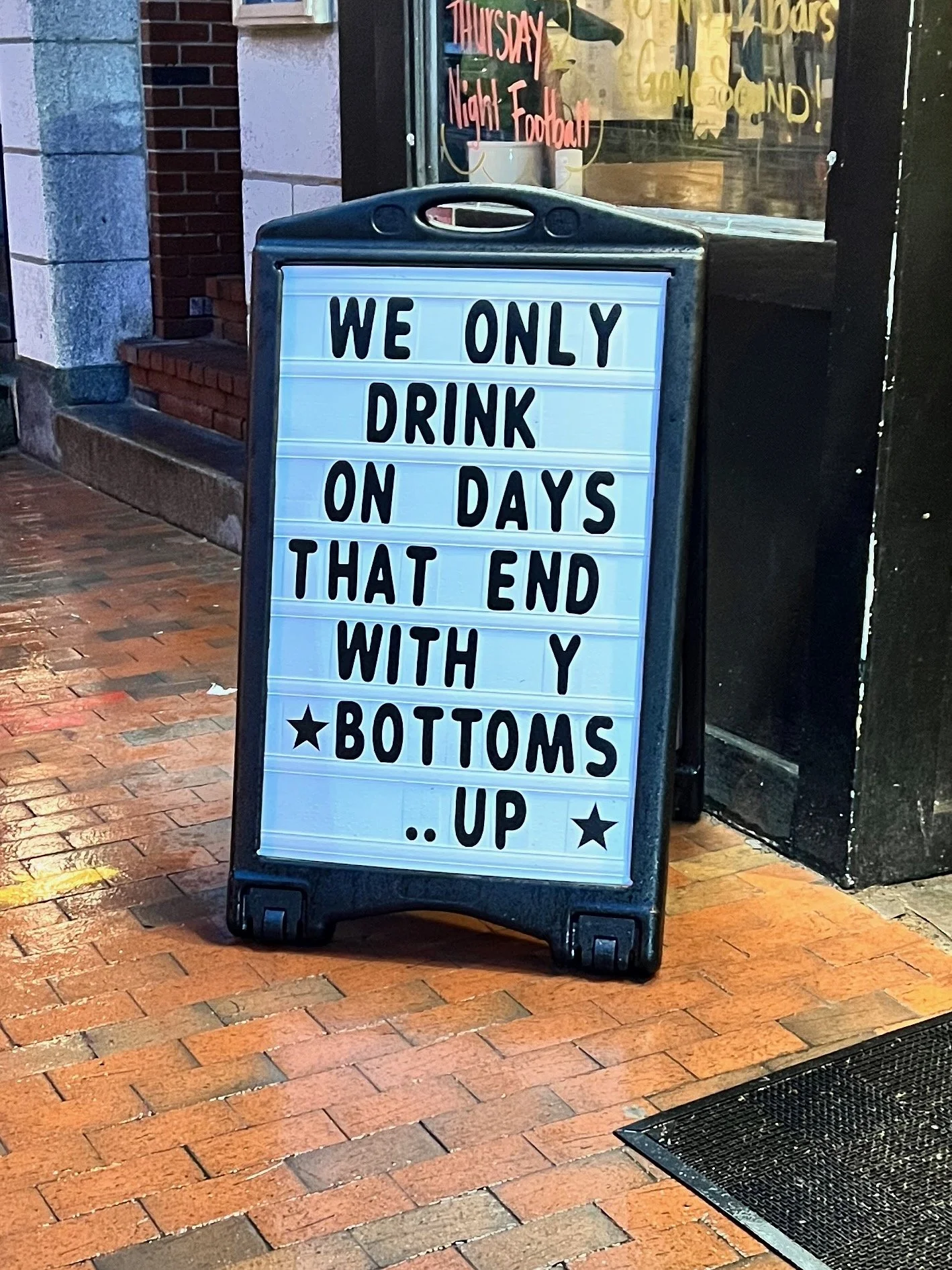
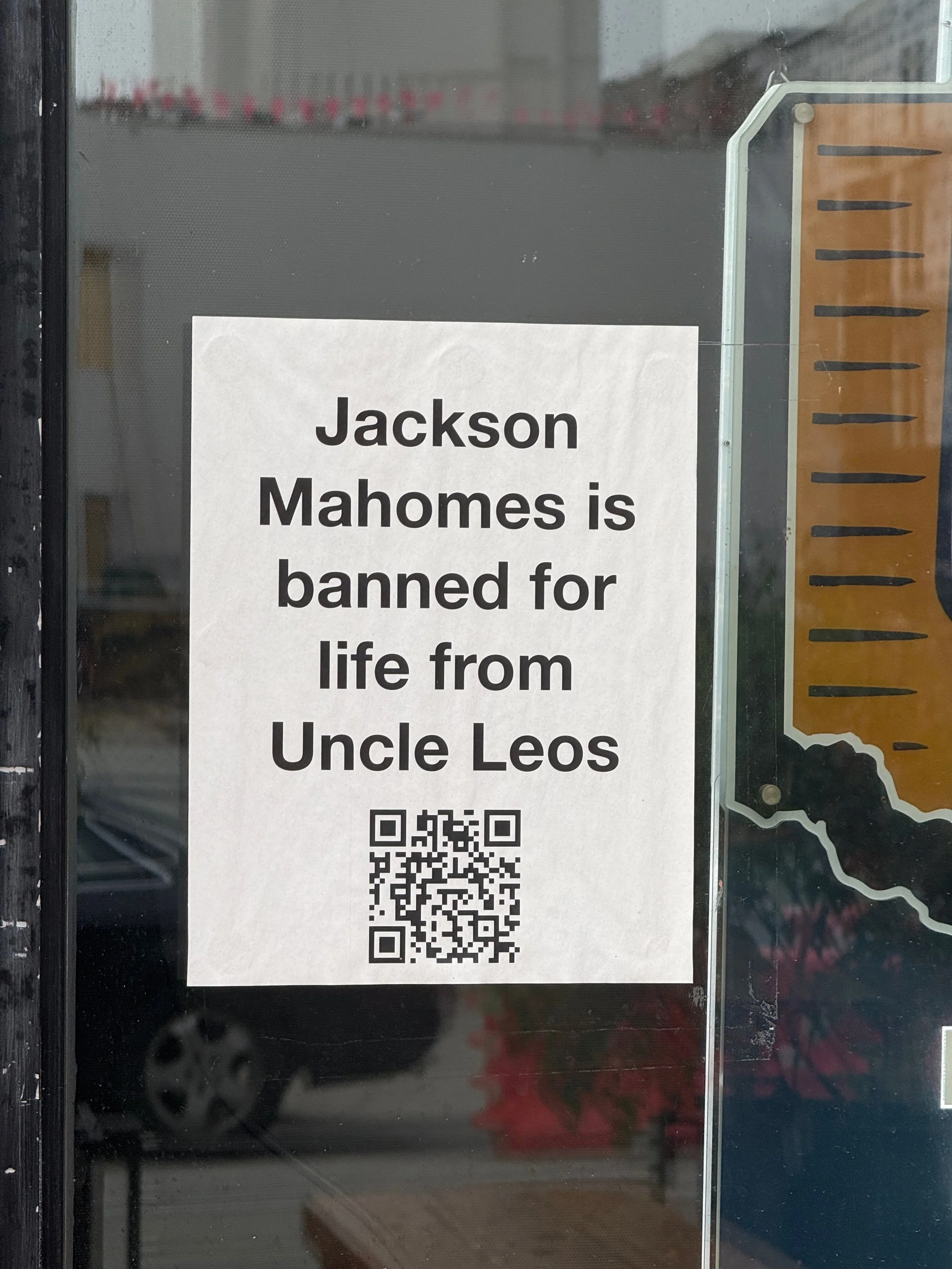
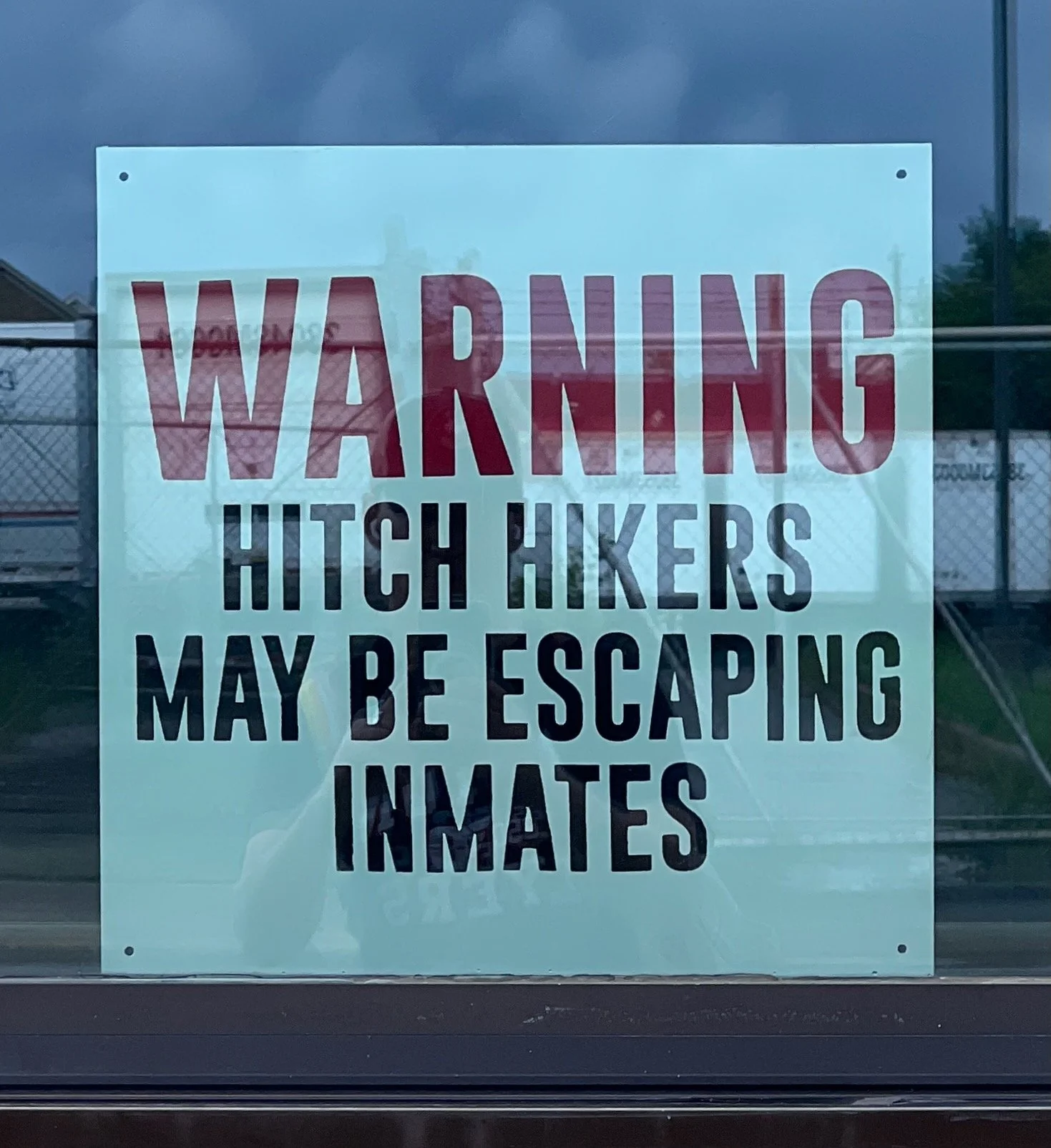
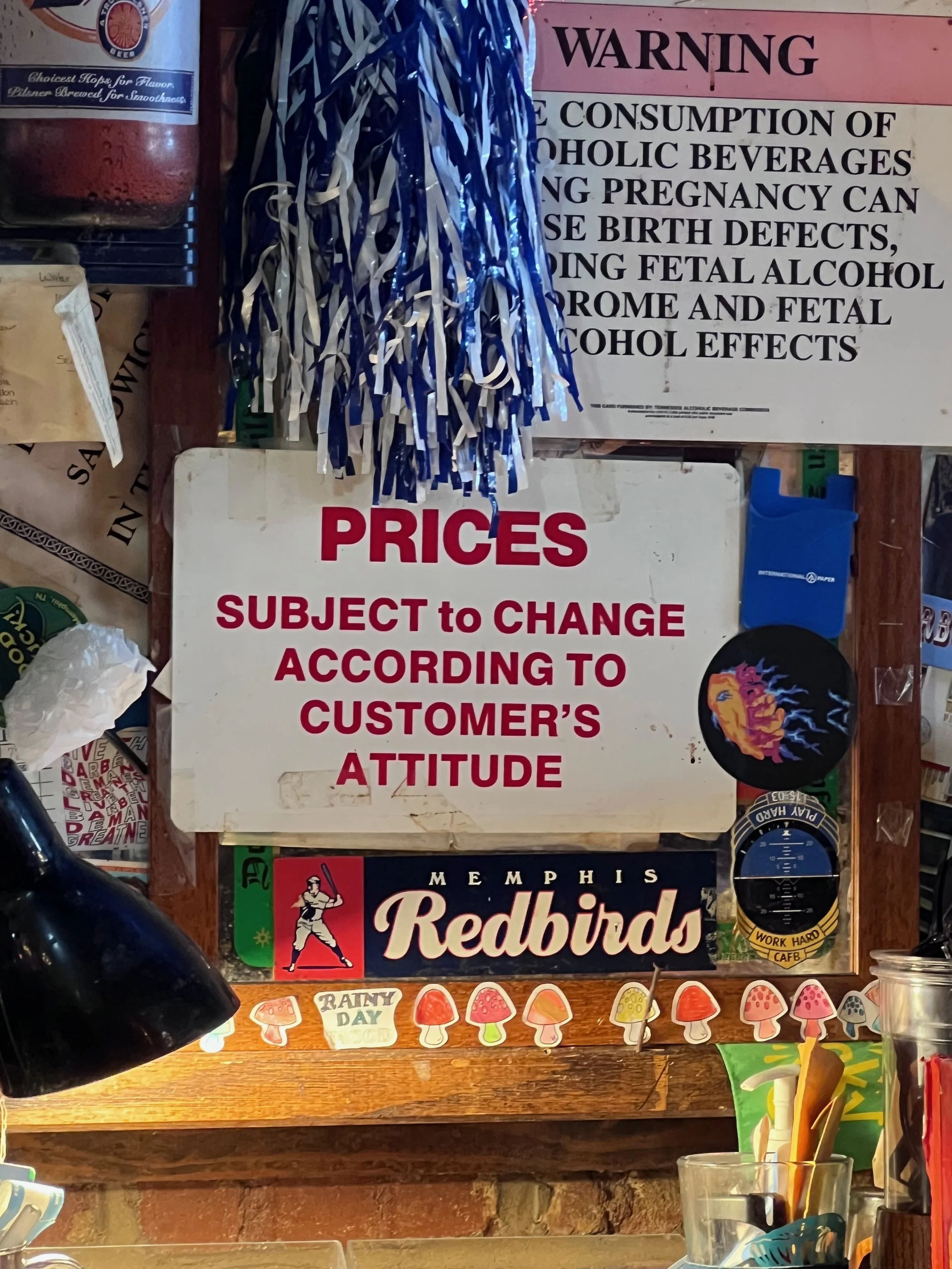
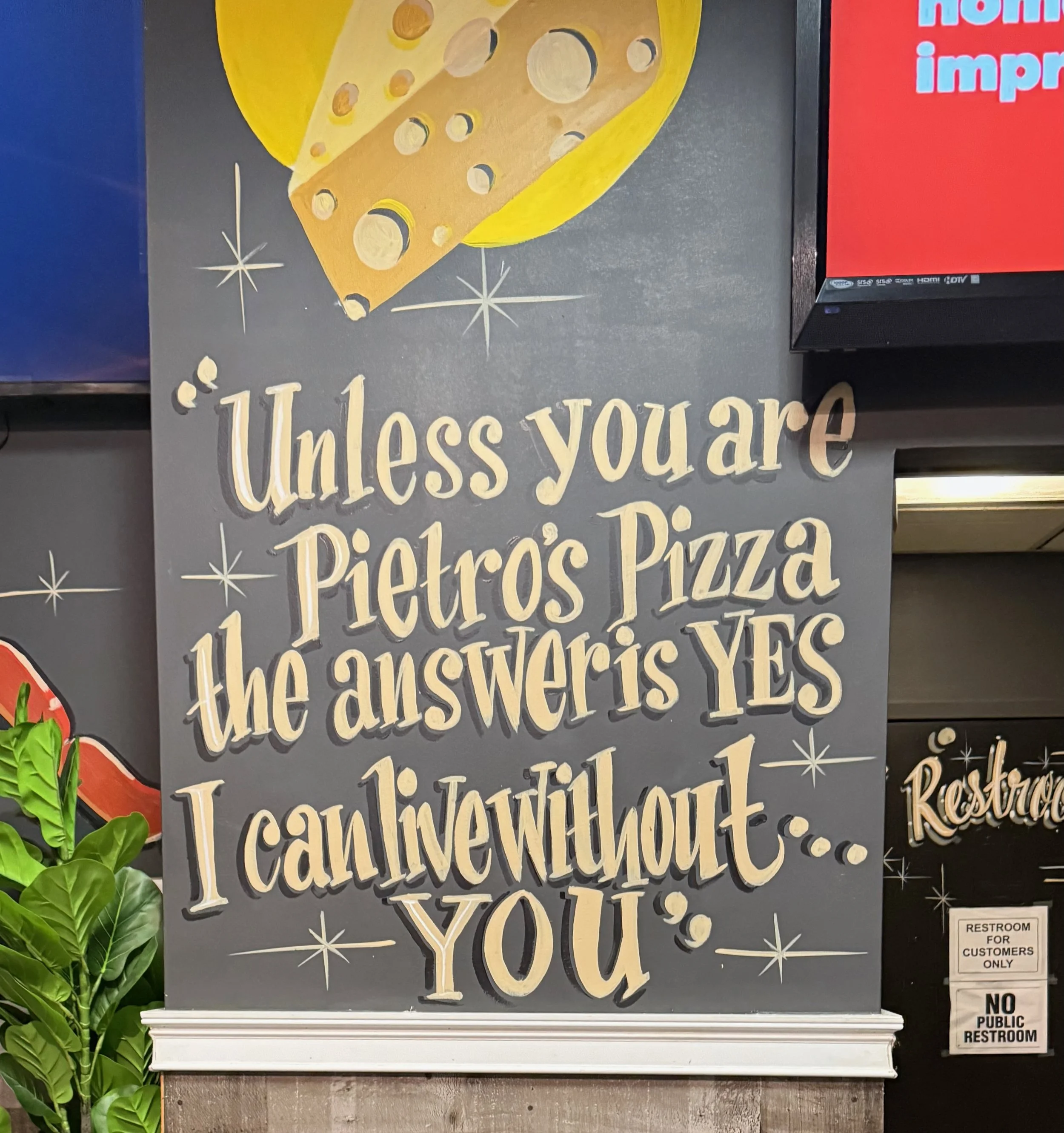
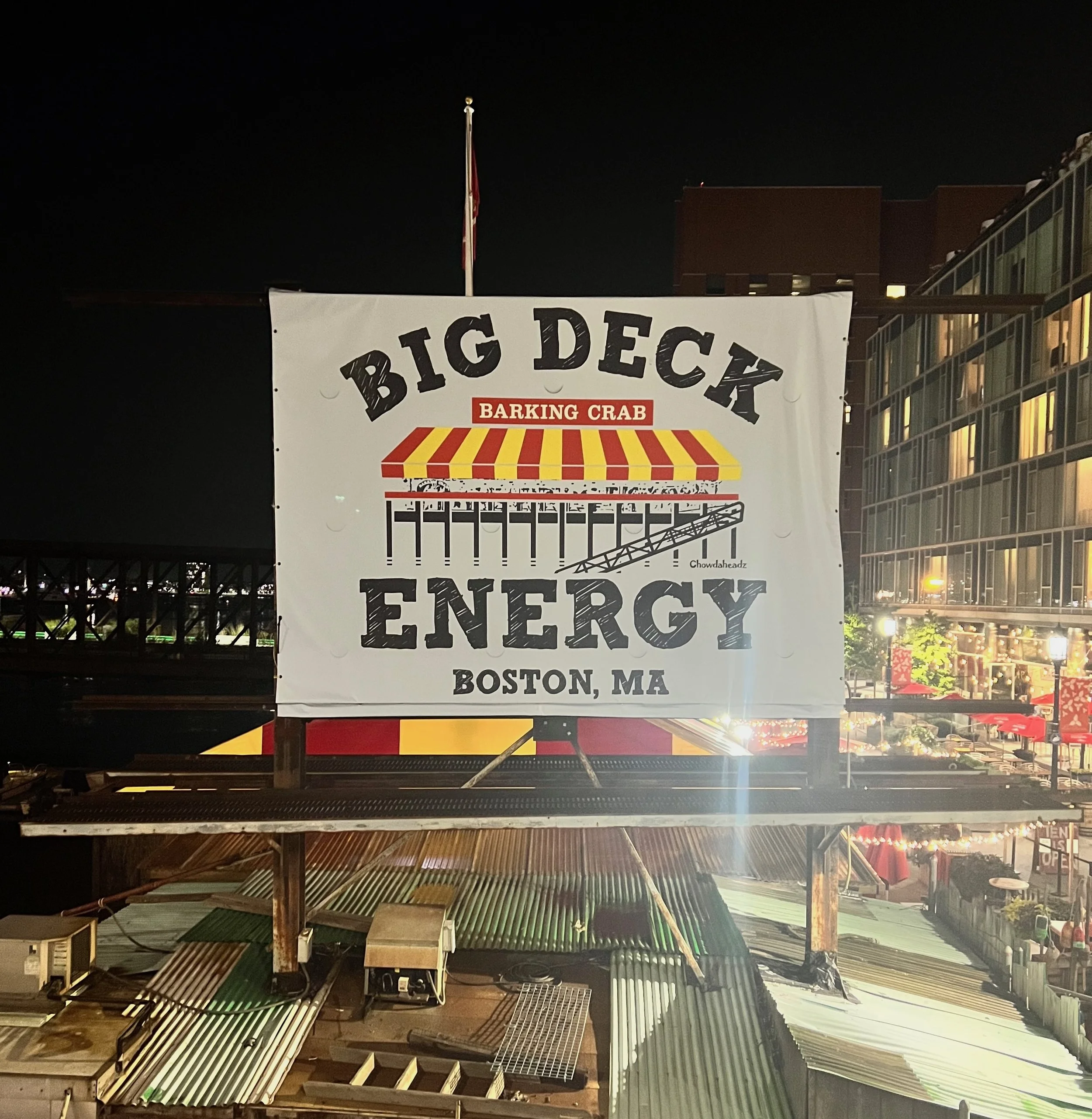
Some signs spark a smile, an eyebrow raise, or a double take. These are the signs that make you laugh on a hard day or pause in the middle of a sidewalk. They’re weird. They’re witty. Sometimes they’re downright absurd. But that’s what makes them work.
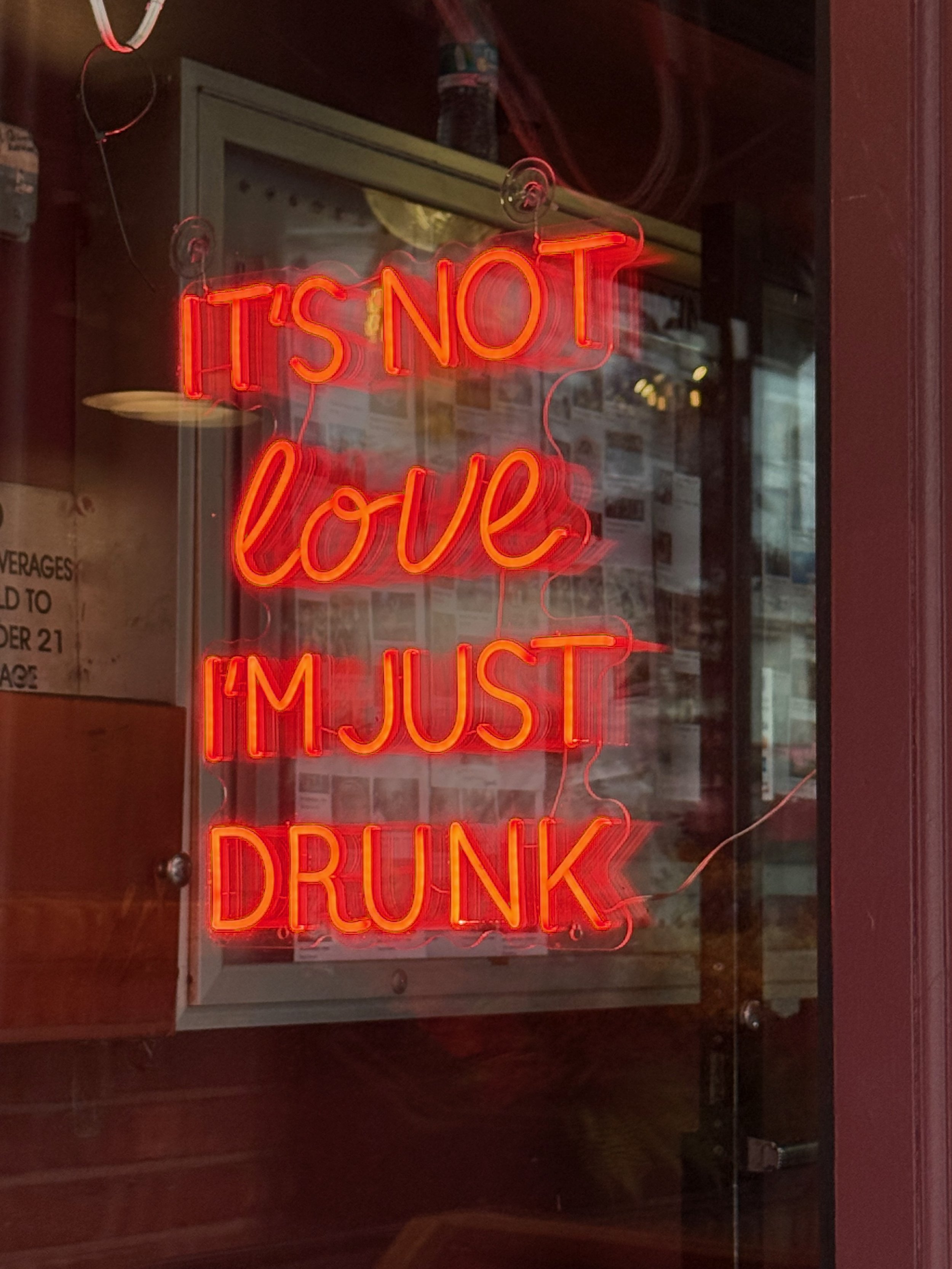
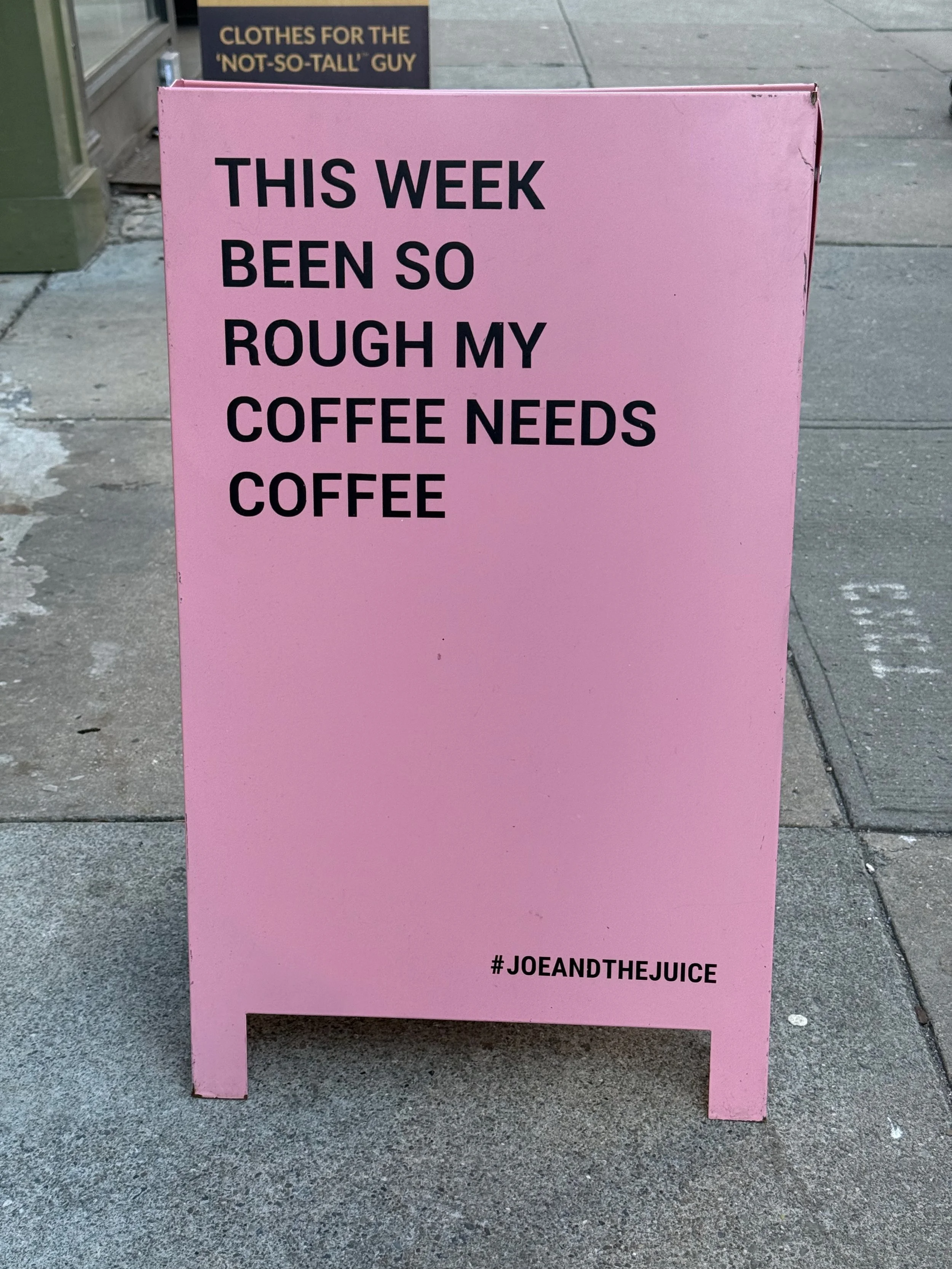
They capture the everyday oddities that come with being human. A coffee joke that hits too close to home. A pizza truth framed like scripture. A neon confession from a bar window. These aren’t polished statements of purpose. They’re half inside joke, half secret handshake. Some come from local businesses trying to stand out. Others feel like they just appeared, fully formed, as if the universe wanted a laugh too.
This collection isn’t about deep reflection. It’s about joy, mischief, and surprise. A reminder that not everything meaningful has to be serious. Sometimes, it just has to be true.
-
![]()
The Red Lion, Bleeker Street, New York, New York
-
![]()
Teddy's on the Hill, Bowdoin Street, Boston, Massachusetts
-
![]()
Joe and the Juice, Broadway, New York, New York
-
![]()
Uncle Leo's, Race Street, Cincinnati, Ohio
-
![]()
South Main Avenue, Memphis, Tennessee
-
![]()
Silky O'Sullivans, Memphis, Tennessee
-
![]()
Pietro's Pizza, Hartford, Connecticut
-
![]()
Barking Crab, Sleeper Street, Boston, Massachussetts
-
![]()
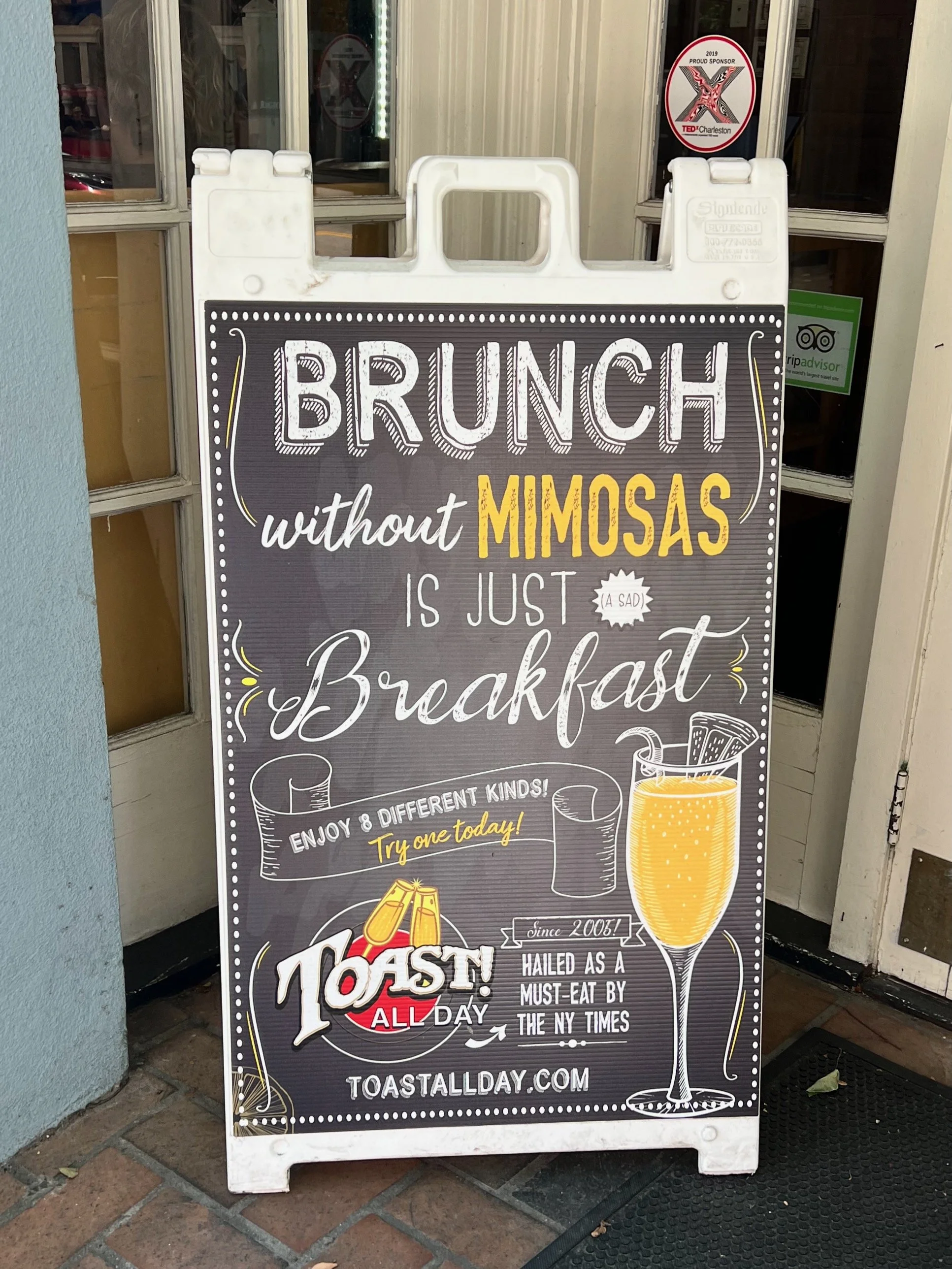
Toast All Day, King Street, Charleston, South Carolina
-
![]()
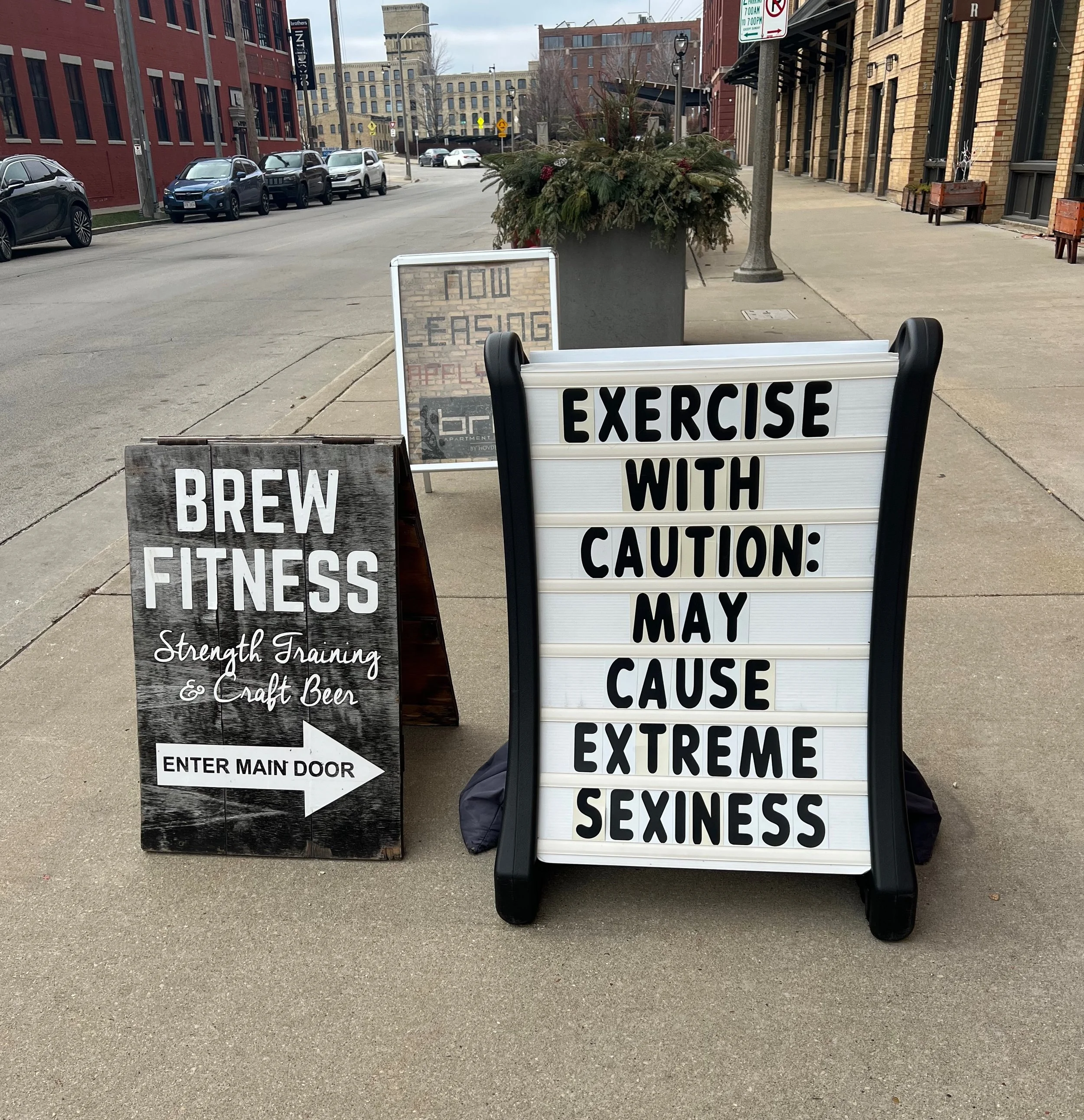
Brew Fitness, W. Florida Street, Milwaukee, Wisconsin
-
![]()
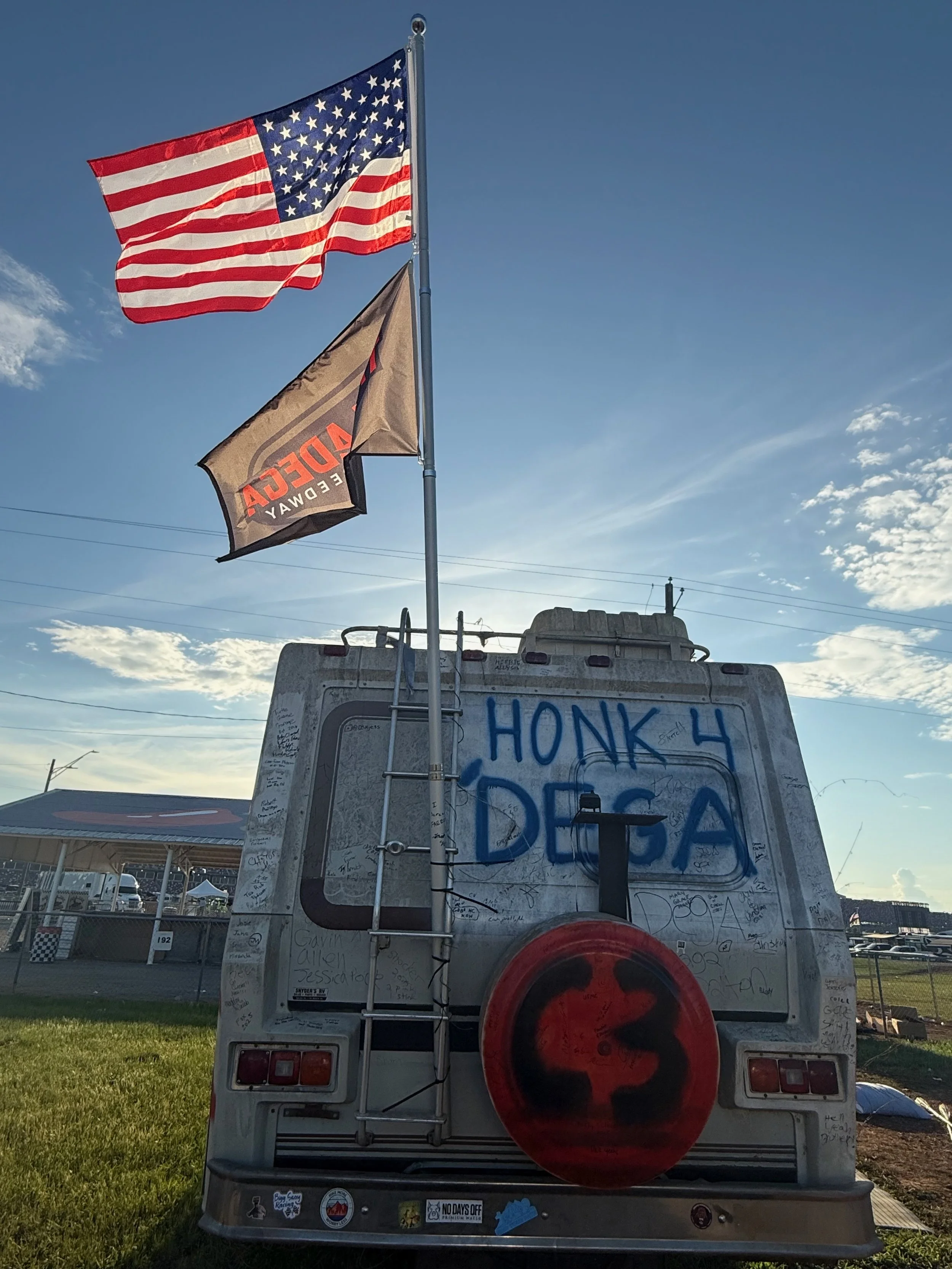
Talladega Superspeedway, Talladega County, Alabama