Finding America
I didn't set out to find America; maybe I was trying to find myself. Yet, after traveling full-time for two and a half years and living in homes in red states and blue, I found an America that is both beautiful and broken. An America where similarities and contradictions play out every day. An America beyond the screen or social media feed, where life happens daily in communities across this country.
I'm old enough to remember the 1976 Bicentennial Celebration when this profound experiment in democracy reached 200 years. I was young, so it was easy to get caught up in the magic of that very moment—the nostalgia, the flags, the parades, the two-dollar bills. It was easy to then embrace the mythology of America and its central elements—American exceptionalism, our Manifest Destiny of divinely ordained westward expansion; the American Dream, where hard work leads to success and social mobility; the Melting Pot, where different cultures assimilate into a unified whole; and the rugged individualism etched in the faces of the heroes we recognized and adored. White faces that could resemble mine.
A little over a year from now, we’ll celebrate the 250th anniversary of our founding, and I find myself wondering: what have we learned? What have I learned? For me, the answer is not nearly enough. Learning is only one part of understanding; unlearning is far more difficult and challenging. America is not a monolith. It's not one story. It's a beautiful, heartbreaking, often contradictory blend of voices and histories, all trying to be heard.
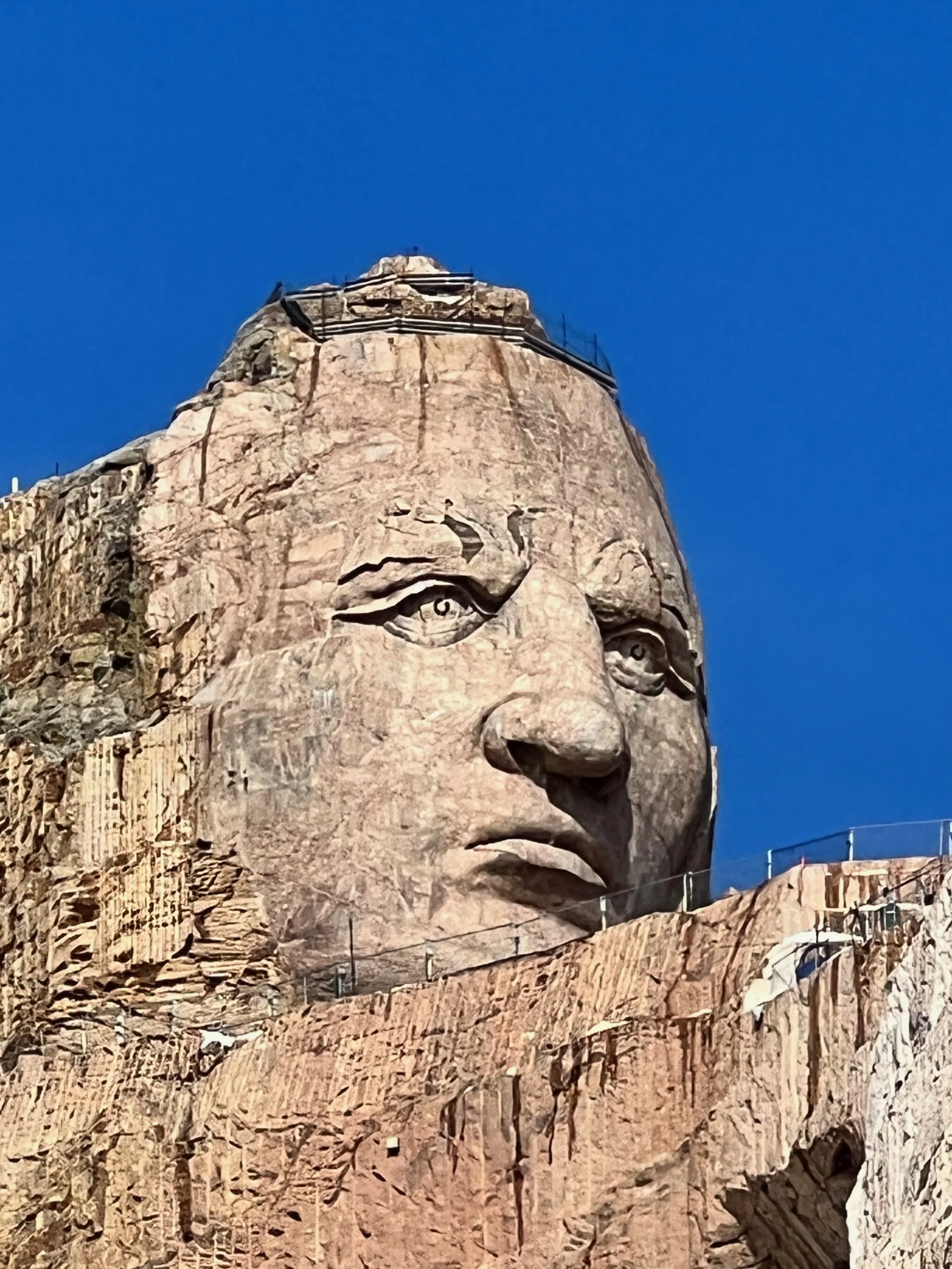
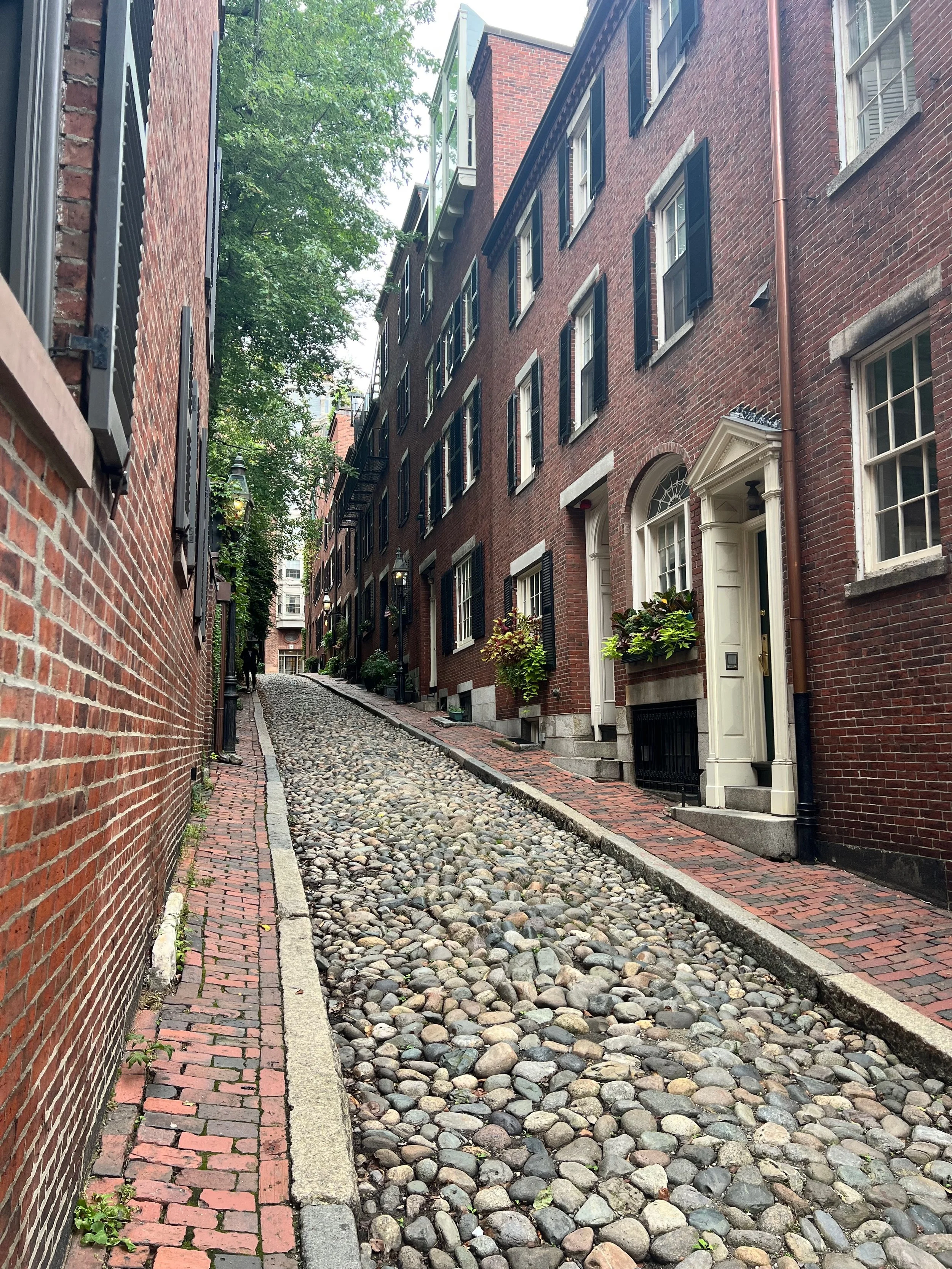
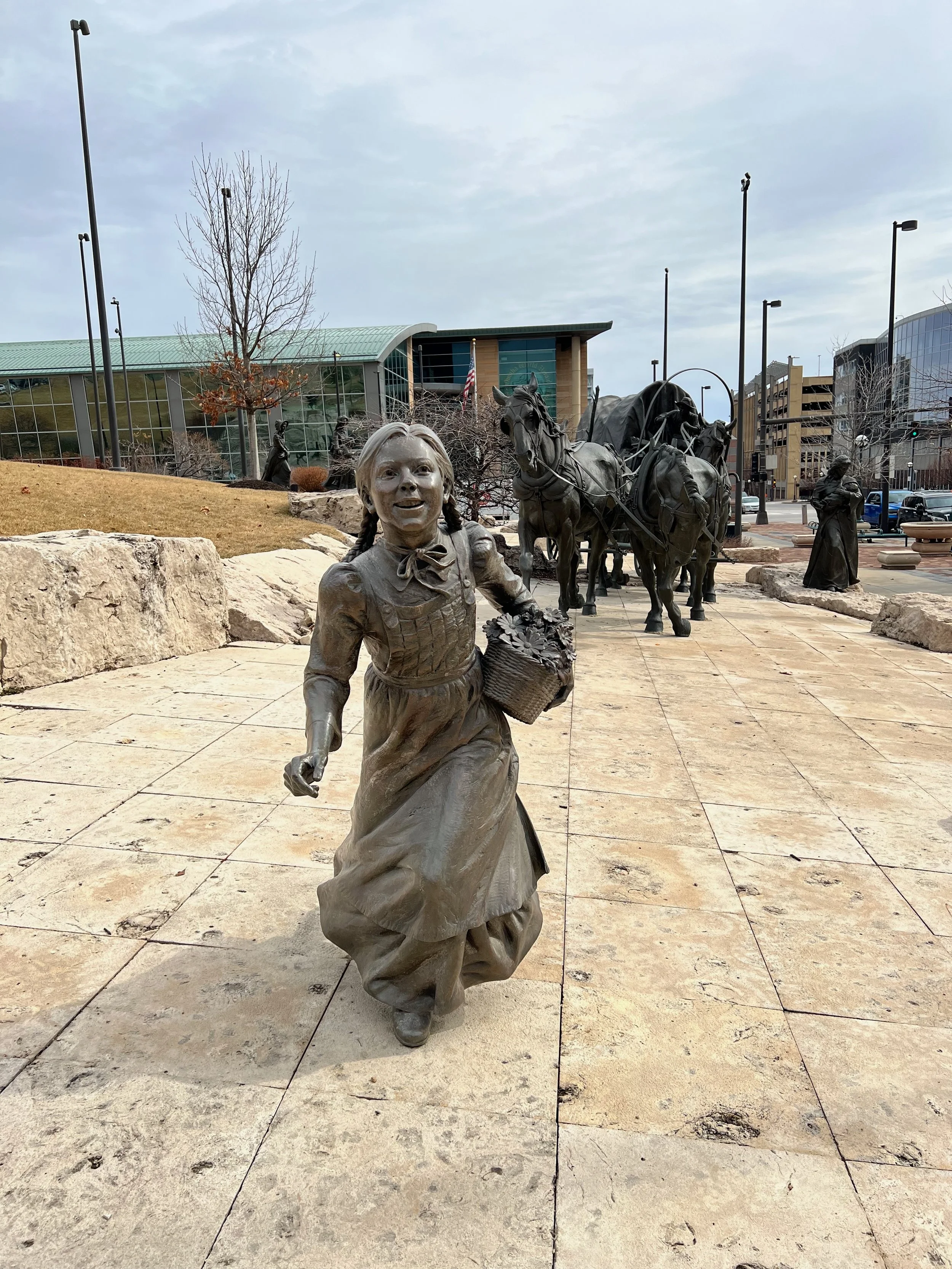
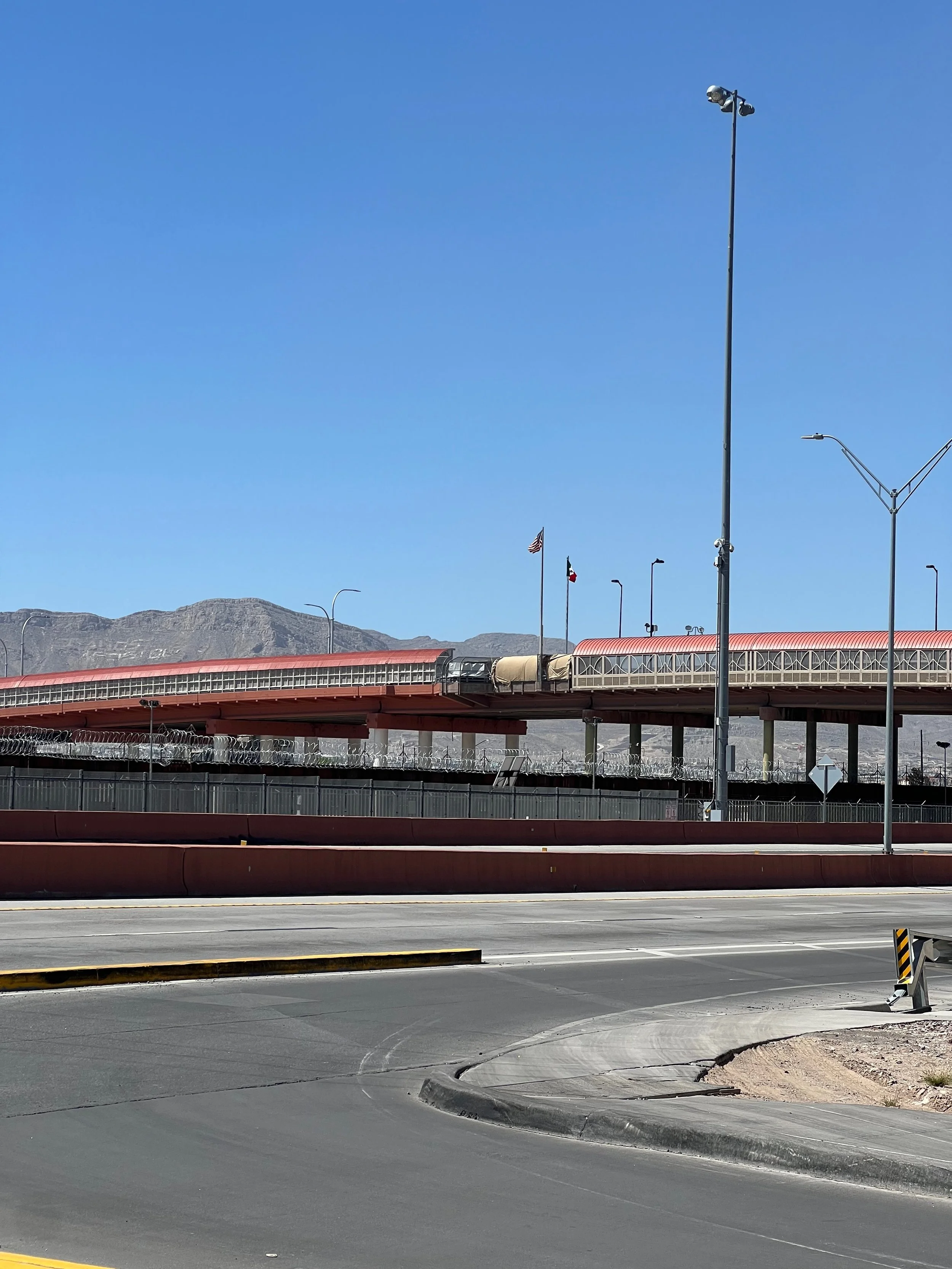
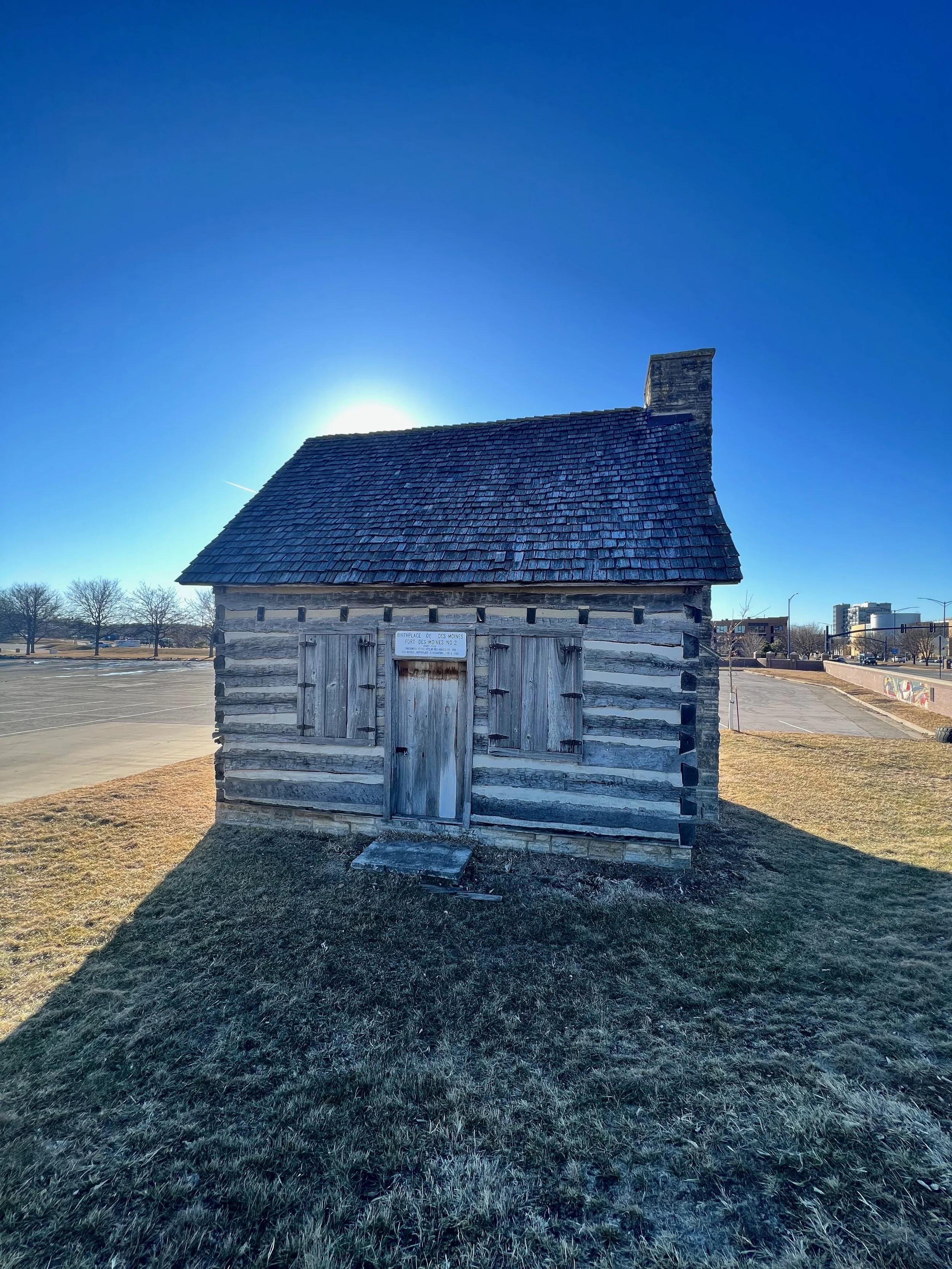
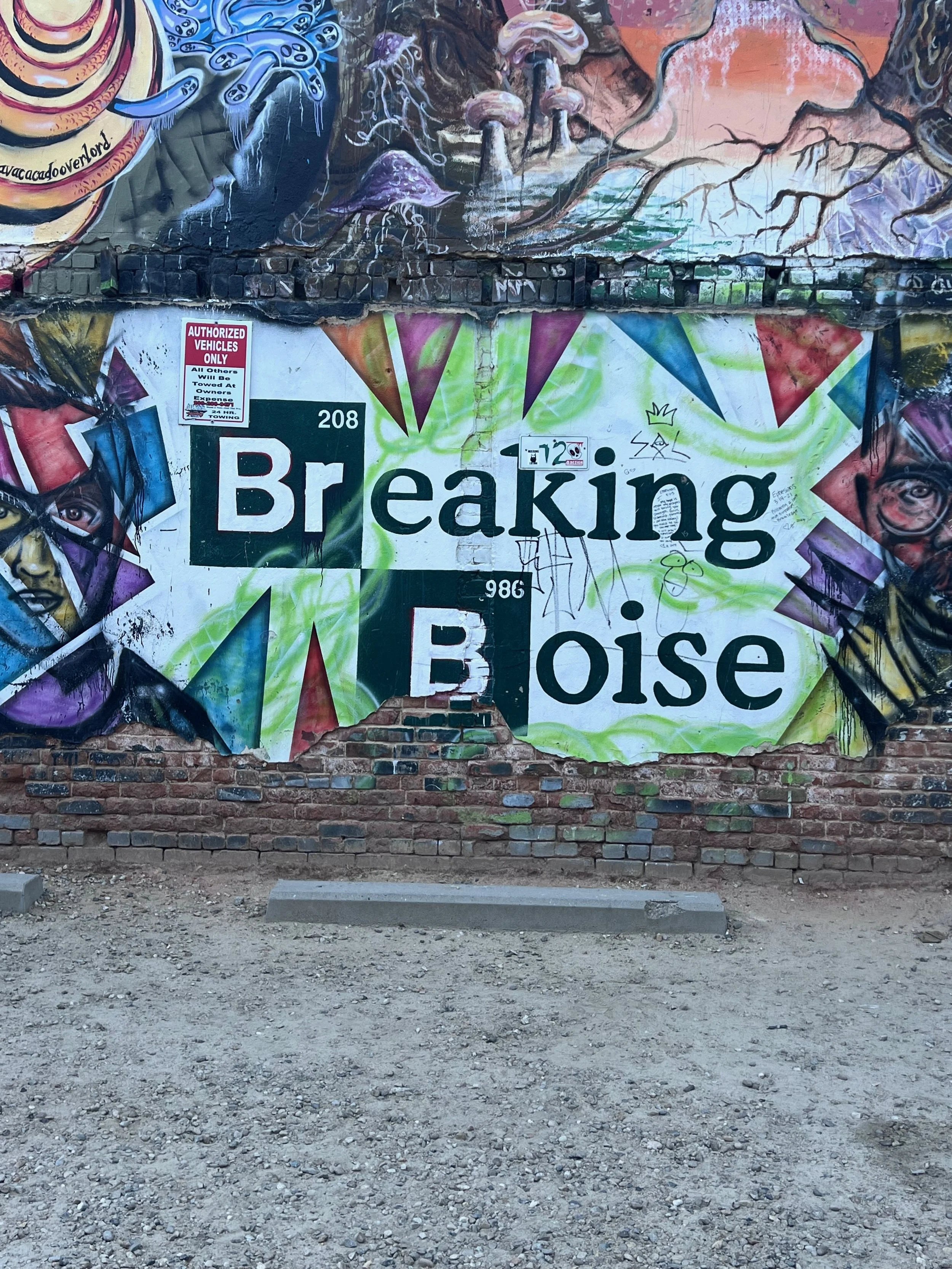
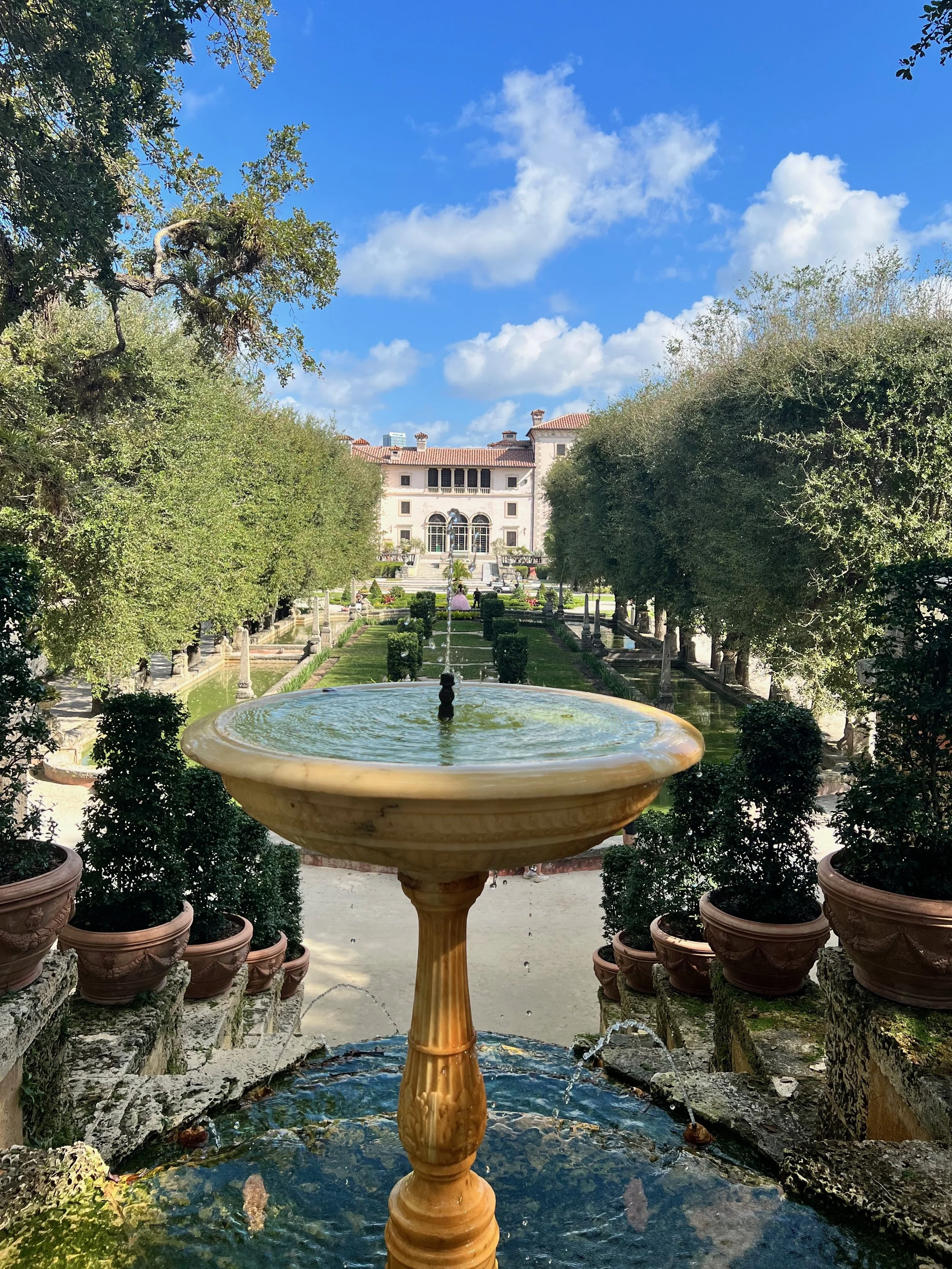
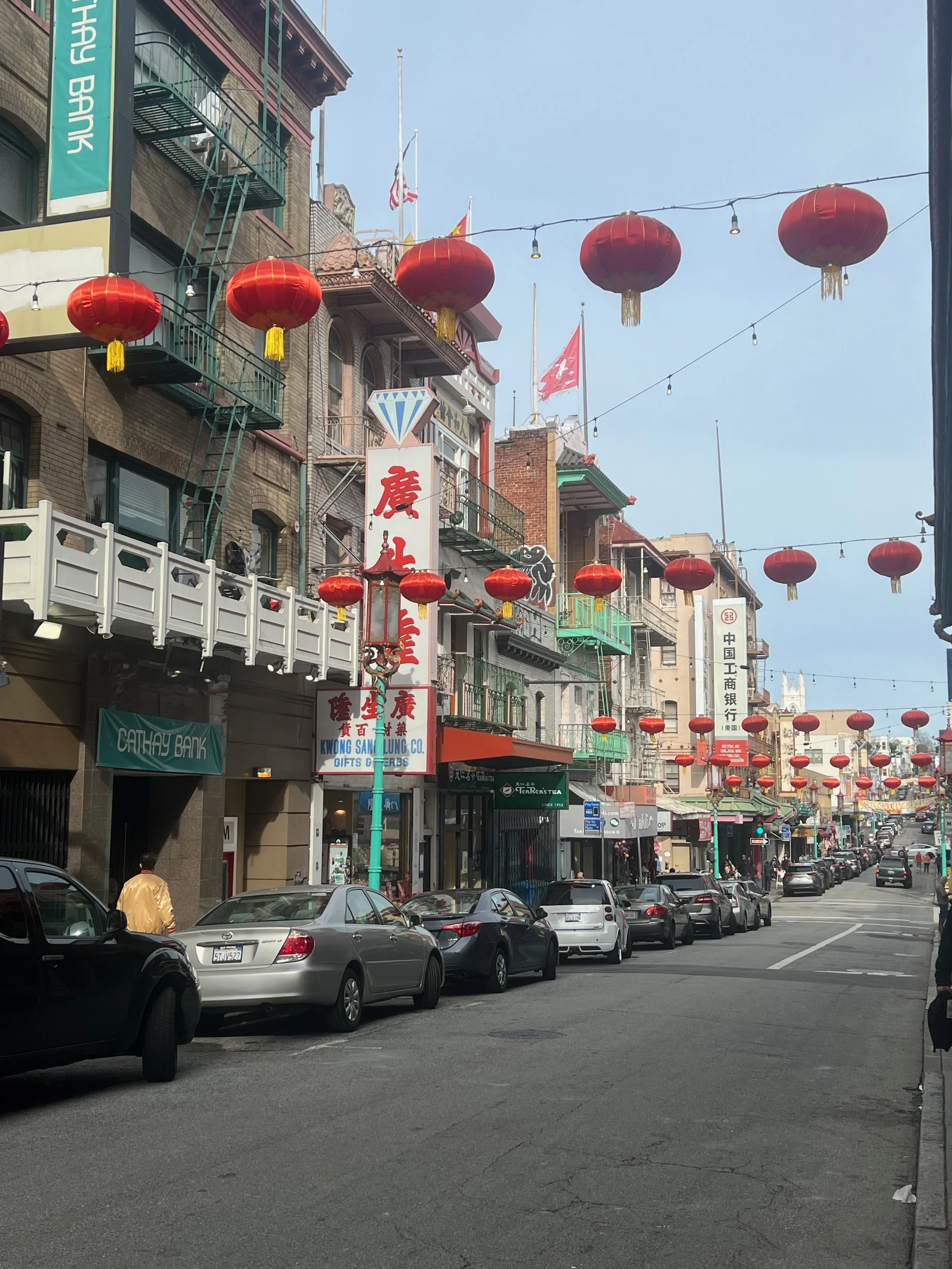
And after living in more than two dozen places since September 2022—from Austin, Boise, Boston, Charleston, Chicago, Dayton, Des Moines, El Paso, Memphis, Miami, Milwaukee, Portland, San Francisco, Tulsa, Washington, D.C. and more—I've seen these stories unfold in profound ways. Undoubtedly, I’ve met people from all walks of life across a broad spectrum of cultural and ethnic backgrounds whose views on any topic or issue will vary widely. Living this way—moving every month, adapting to new environments and cultures, losing and finding myself in new places—hasn't always been comfortable. But in this discomfort, what I found—what I'm still finding—is not an answer but an invitation. To look again. To listen more carefully. To admit what's broken. To believe in what can change.
We often hear about a "divided America" as an ongoing, unresolved, often painful argument between what we say we are and what we truly are. Between left and right. Between freedom and control. Between unity and division. Between the past we glorify and the past we ignore. Traveling the way I have—deeply, slowly, and with intent—has forced me to sit with these contradictions. To witness them. To feel them.
I came to see that underneath the rhetoric and tribalism online, Americans throughout this magnificent and messy country of ours are trying—truly trying—to hold their lives together with whatever tools they have. They navigate a system that often feels rigged, a culture that prizes fame and influence over well-being, and a political discourse that reduces them to votes or villains. And still, they get up, go to work or school, and show up for their family, friends, neighbors, and community. There is a dignity in that. And perhaps that’s the America we miss when we only look from afar. Not the slogans. Not the fights. But the people who, despite everything, still care. Who still believe—maybe not in the whole story, but in their corner of it. These are the quiet architects of a different kind of American story. Not the loudest. Not the richest. But the ones who might save us—if we let them.
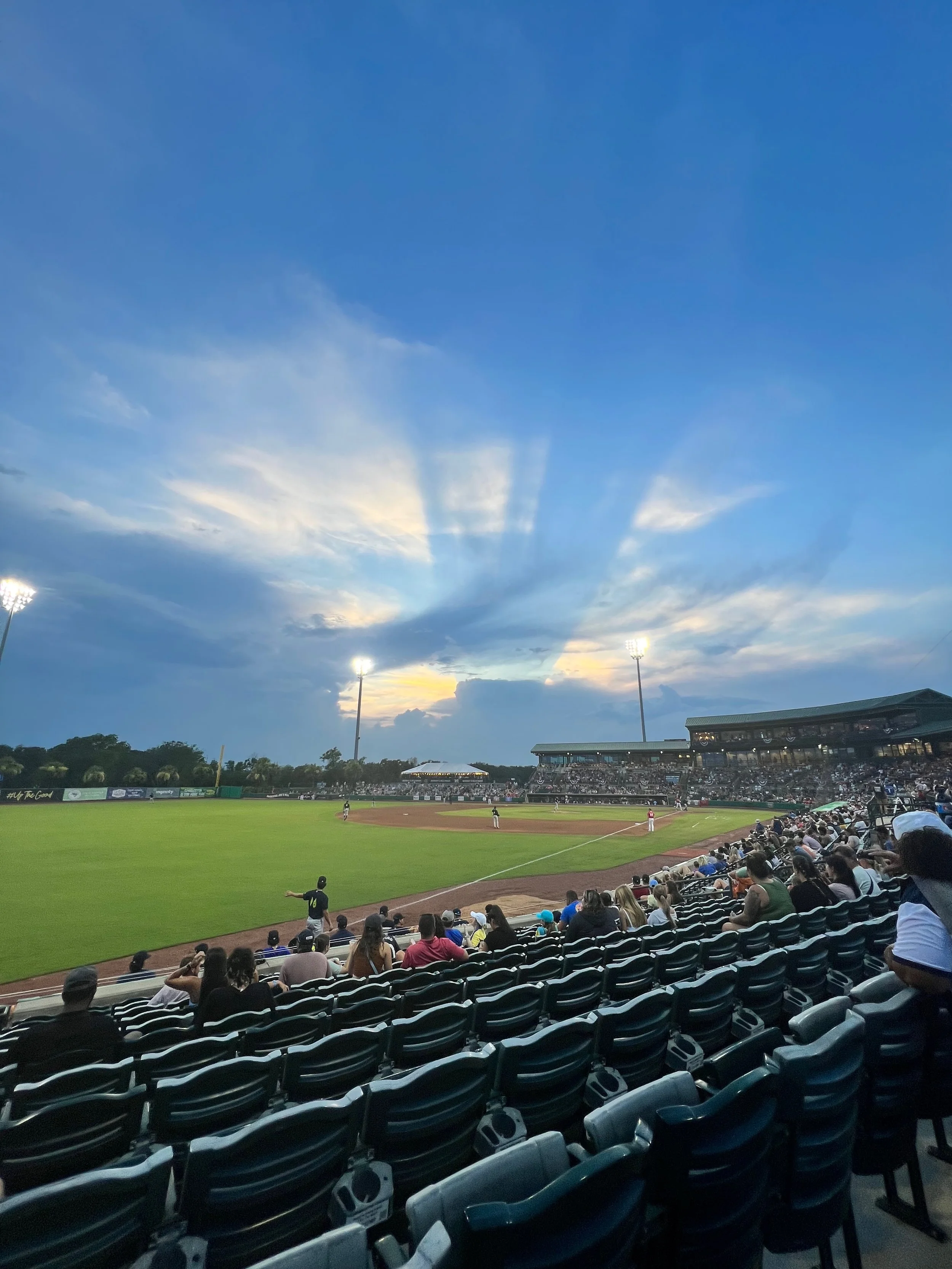
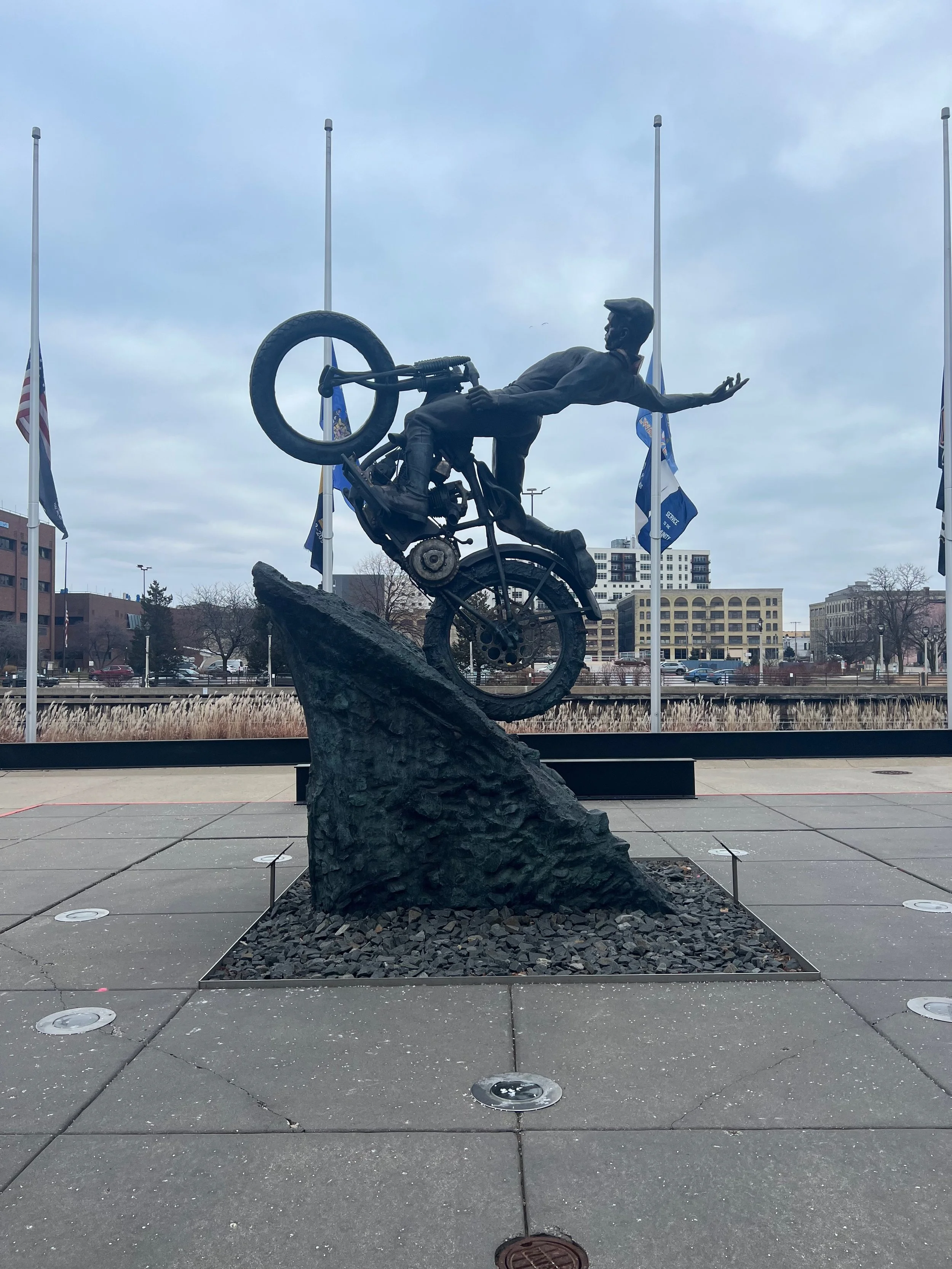
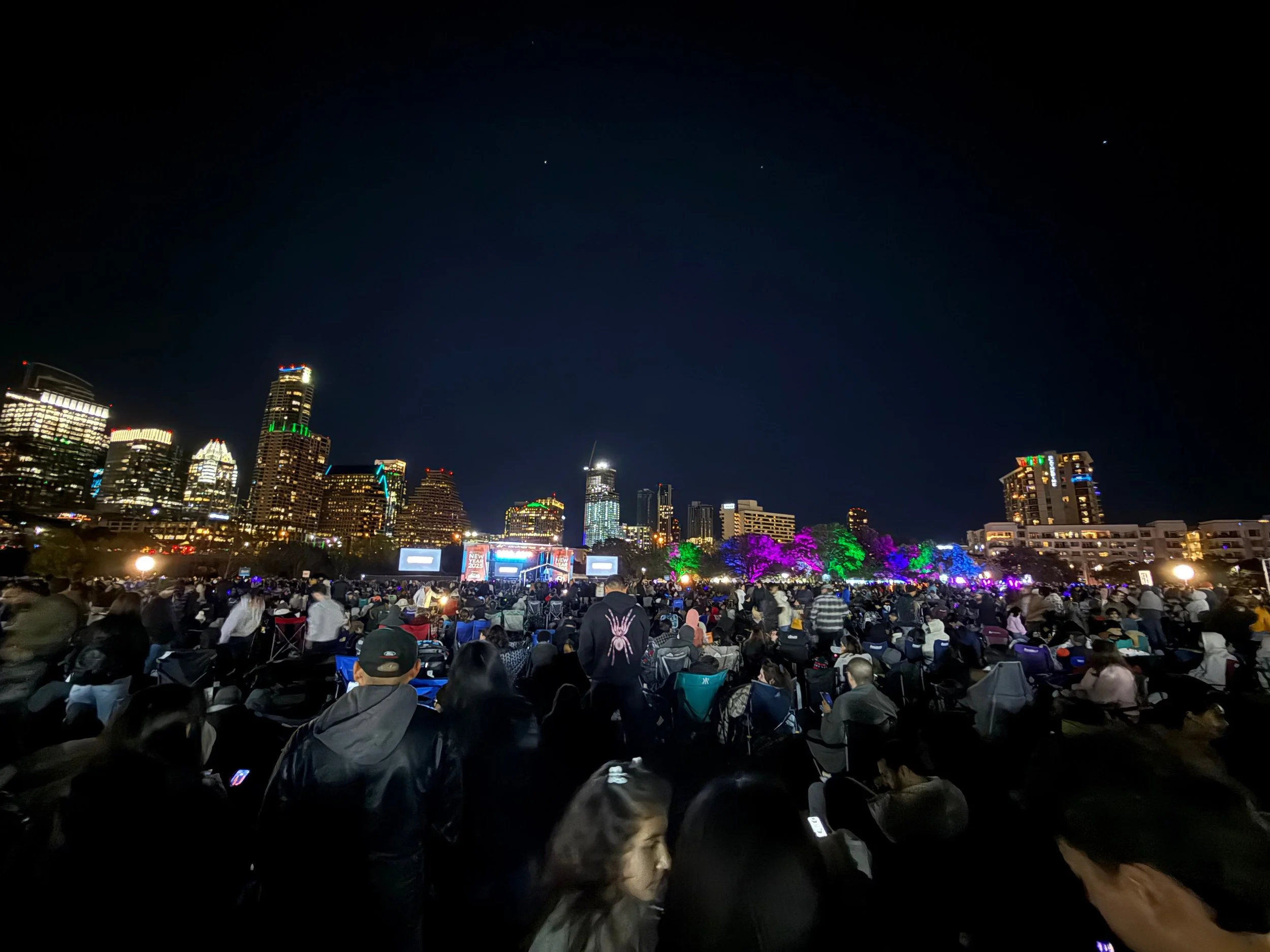
Yes, I’ve struggled with my own place in all of this. I carry privileges—gender, skin color, mobility, and education. I can leave. I can choose. But I want to be clear: I do not pretend to fully know what it is to live the lives of the people whose communities I pass through. My lived experience is dramatically different, and I have not lived in every state, city, or town. Four weeks in each place is not a lifetime. It is not enough time to understand the full weight of cultural erasure, generational poverty, inherited trauma, or systemic racism. It is certainly not enough time to grasp the nuances of each community, even if I can witness courage, pride, and resiliency wherever I go. I have the freedom to arrive, listen, observe, and then leave. But there is something about stringing these communities together, one after the other, that creates a kind of composite. A pattern that begins to reveal itself through repetition. A picture of America. Not the America of classroom textbooks, campaign ads, or social media posts, but the real one.
What shocks me most is not what I’ve seen on the ground but how different it is from the stories our leaders want us to believe. Lives have become caricatures or soundbites. The reality is quieter, harder, more complex. But complexity doesn’t win elections or feed the algorithm. So, instead, we get a performance scripted for maximum impact. Uncomfortable truths are sanitized or suppressed—not because they aren’t real, but because acknowledging them requires more than clicks. It requires courage. It requires reckoning. It requires change. Preserving the illusion is easier and more lucrative.
So, I leave each place changed—not because I found all the answers, but because I stayed long enough to feel the weight of the questions. Because I saw a gap between what I know and what I have yet to learn and unlearn. Closing that gap isn’t someone else’s work—it’s mine.
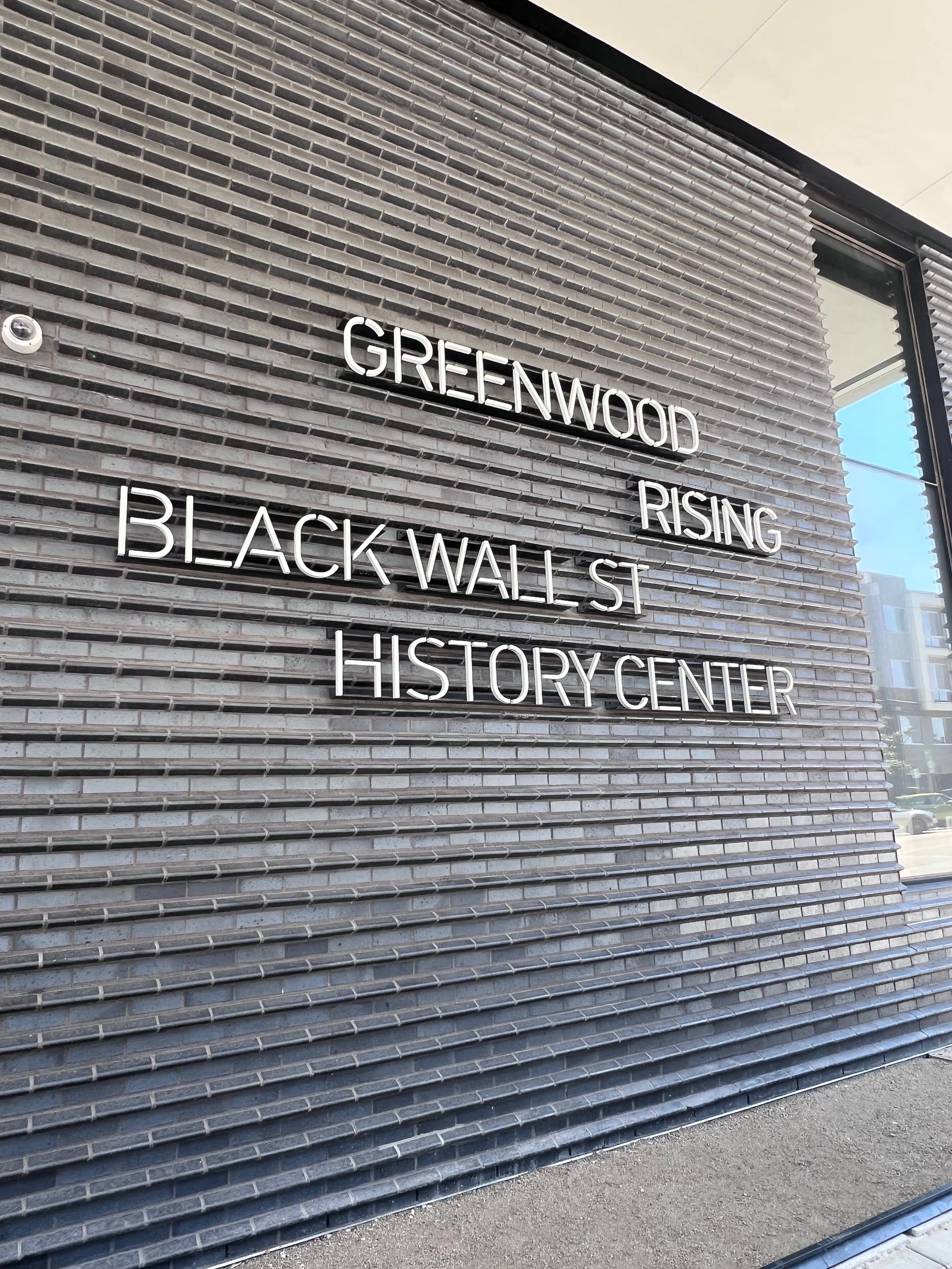
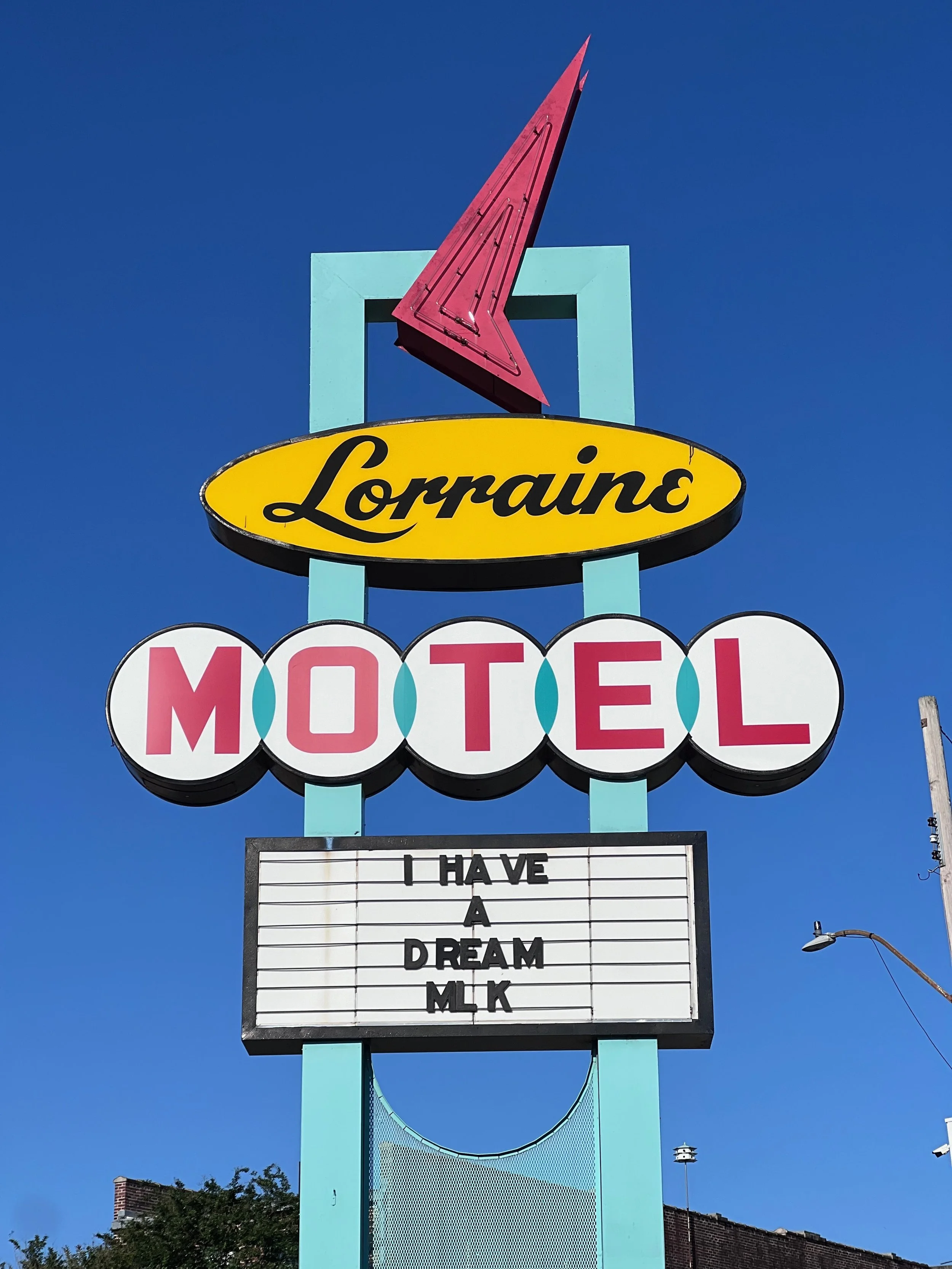
And, if there is one thing I’ve come to believe, it’s that America doesn’t need more myths. It needs more mirrors. It needs more people willing to reflect honestly on who we are, and who we keep leaving behind. People willing to carry stories forward—not as weapons, but as bridges. People loving this country courageously, not blindly. Because love, the kind that lasts, does not look away. It looks again. It listens. It stays. It wrestles with what was, what is, and still believes in what could be. That’s the kind of America I’ve been trying to find. And maybe—just maybe—it’s been trying to find me, too.
Originally published on Substack on May 7, 2025.
