The Curiosity Imperative
How to Stop Missing Your Life
In a world built on algorithmic certainty and political polarization, curiosity may be the most radical form of hope we have left. Yet we undervalue it in cultures that glorify the performance of knowing more than the pursuit of understanding. We are taught to be strategists, not seekers. But curiosity—this spark, this willingness to stay open to what we do not yet understand—has been the most powerful accelerator for growth I have ever known.
Curiosity does not demand certainty; it demands presence. It asks us to trade the comfort of knowing for the courage of noticing. It does not ask us to abandon what we believe; it only asks us to examine those beliefs with enough humility that they can evolve.
Desire in Motion
At its core, curiosity is desire in motion: the quiet hunger to grow, connect, and feel more deeply what it means to be alive. It is how we reach beyond the edges of what we know, not just to gather information, but to feel the texture of life more fully. And in a time when we are rewarded for outrage or belonging to one side or another, curiosity asks a harder thing of us: to stay teachable, to stay human.
We aren’t born skeptical or closed. As children, we are ambitiously curious: asking, touching, testing, and wondering. But somewhere along the way, that instinct gets conditioned out of us. We’re rewarded for answers, not questions. For control, not discovery. We learn that curiosity makes us look naïve, that certainty earns us belonging. And so, little by little, we trade wonder for competence and call it growing up.
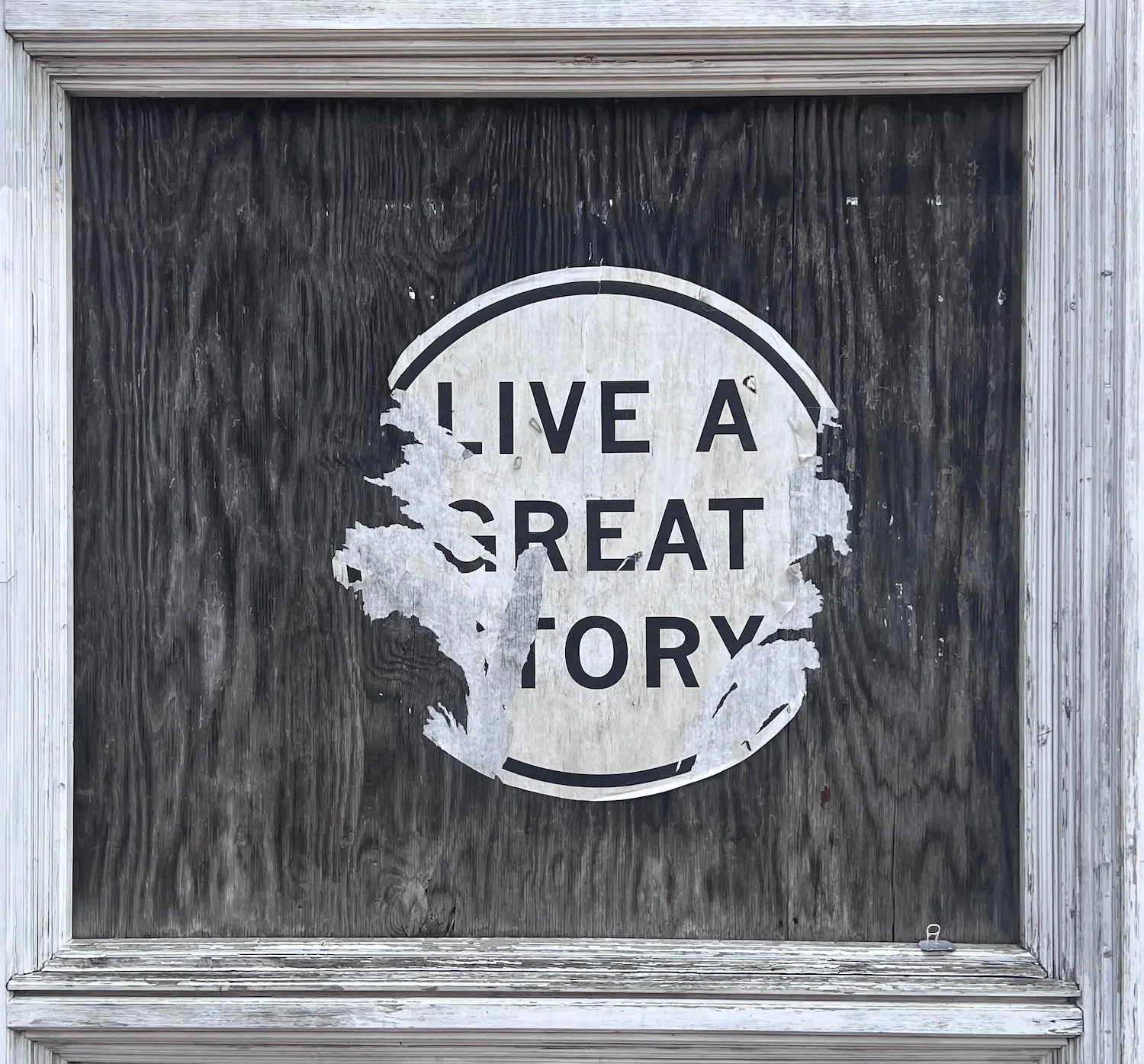
For most of my life, I didn’t think of my curiosity as a virtue. I thought of it as a restlessness I needed to tame or a distraction I needed to overcome. In so many ways, I’m wired differently. What others see as grounding, I often experience as confinement. The daily rhythms that make other people feel secure (e.g., schedules, checklists, routines) can leave me feeling trapped, like life is happening on the other side of the glass. I envy those who can build consistency out of predictability, but for me, predictability has always carried the faint echo of suffocation.
So, I live in a state of constant motion—intellectually, physically, emotionally—which to others can look like aimlessness or even recklessness. Society has programmed us to believe that stability is proof of maturity and that motion signals a failure to commit or to settle down. For years, I internalized that story. I thought my inability to stay still meant I was somehow broken. And I know that for anyone who has worked with me over the years, it hasn’t always been easy, as I can turn curiosity into chaos faster than most people can pour a cup of coffee.
But, over time, I understood that what I was really chasing was not chaos. I was chasing meaning. I was not running from responsibility but toward purpose. Curiosity, I discovered, is not passive; it is the willingness to trade certainty for possibility. In that trade, we do not just see the world differently; we change how we live within it. And maybe that’s the quiet invitation curiosity offers all of us: to live as if there is still something left to learn, even about ourselves.
That shift changed everything for me. So, if you are insatiably curious like me and have often felt like an outsider, a wanderer, or a maverick, I see you. And if curiosity has never felt natural to you, stay with me. You may discover that what you have been missing is not information, but life itself.
The Art of Being Unsettled
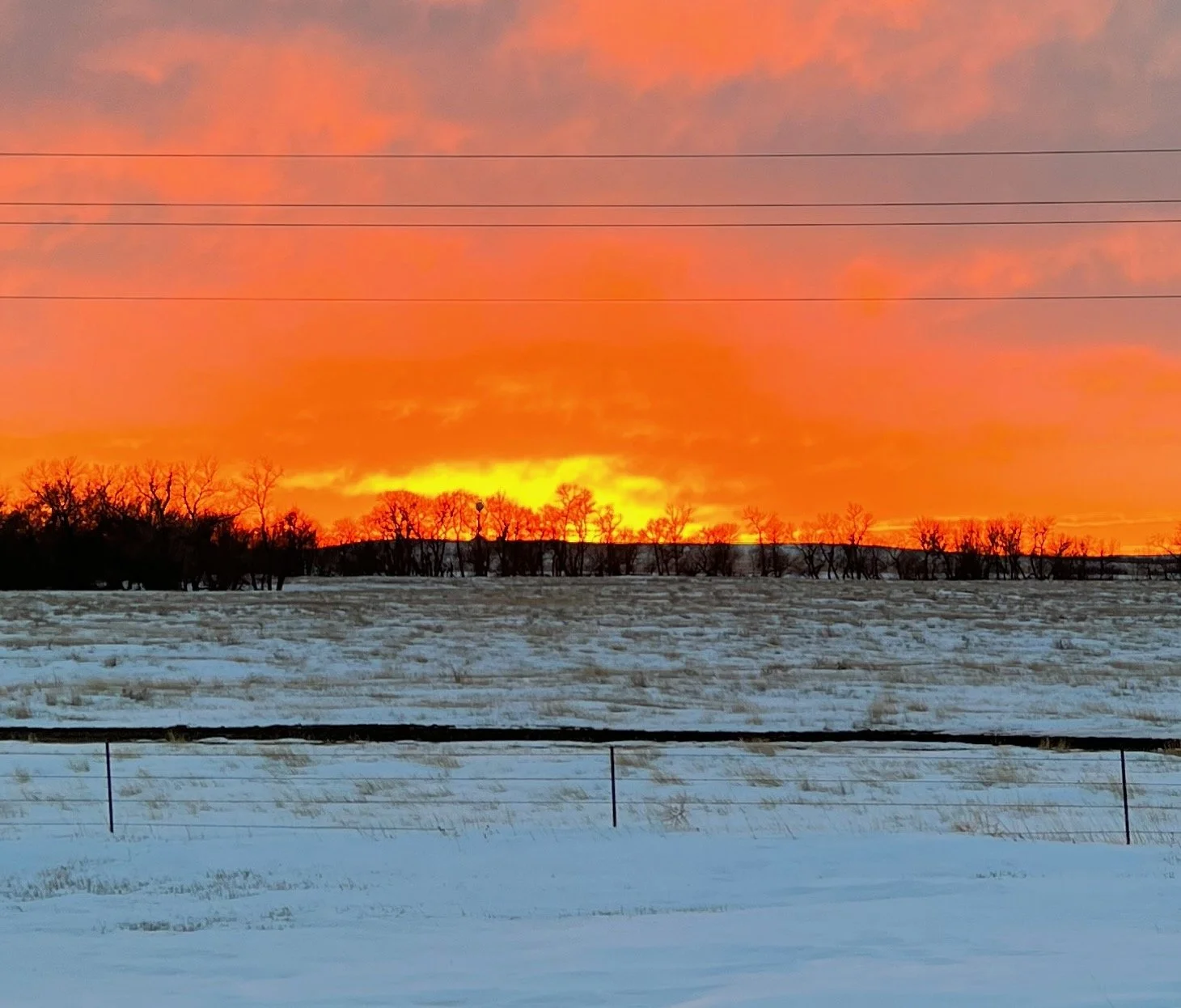
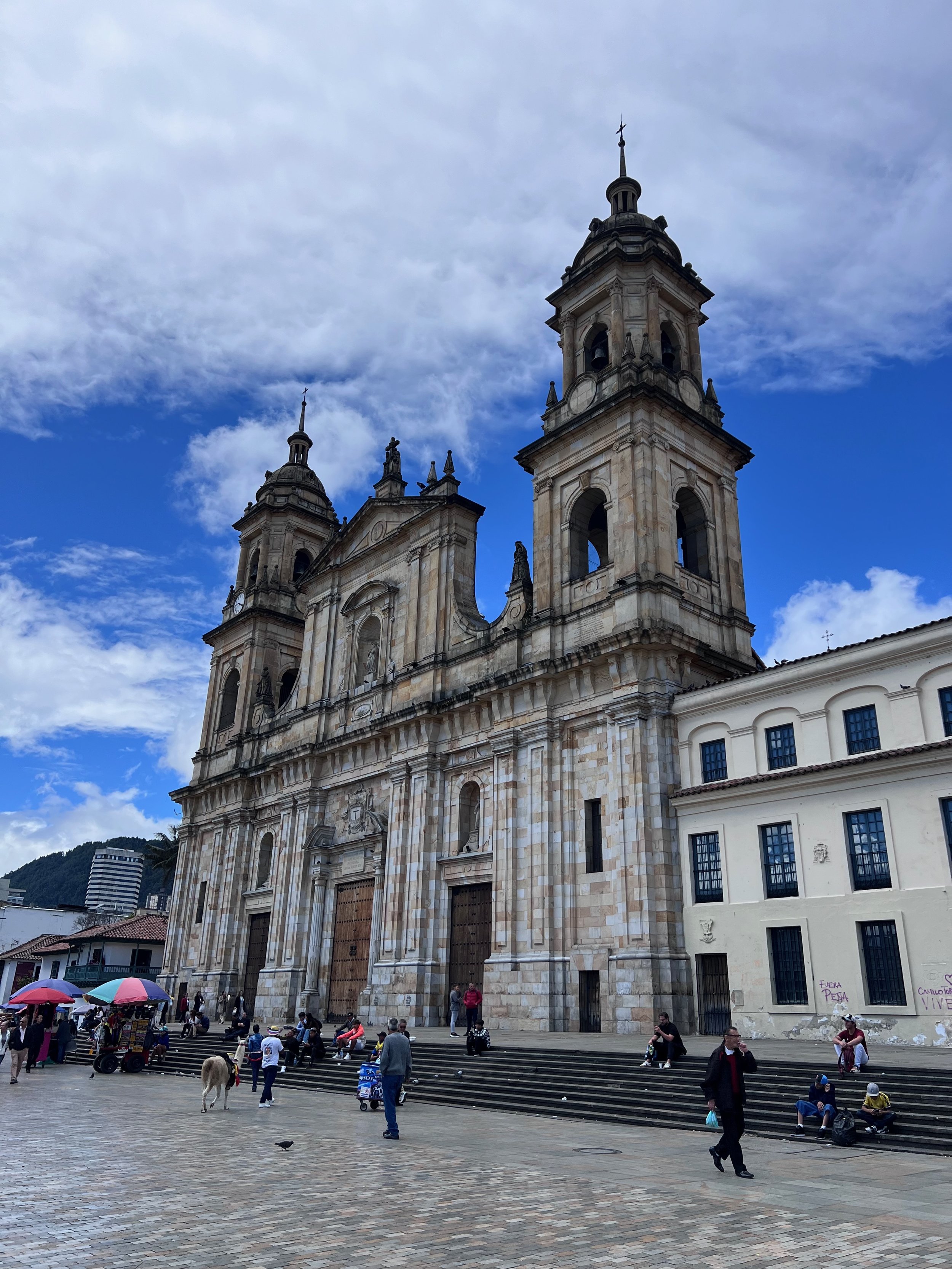
I wish I could tell you that this realization arrived in a single, cinematic moment as I watched the sun set over the Great Plains, or wandered through the restless streets of Bogotá, or walked through the stillness of the arboretum in Portland, or along the quiet canals of Amsterdam. But the truth is, it did not come all at once. It crept in slowly, over thousands of miles and hundreds of days.
Living the way I do, with new cities, new streets, new sounds, and new smells, means living in a constant state of disruption. It breaks every pattern and in doing so, reveals how easily we grow numb to the familiar rhythms of our own lives. How easy it is to mistake busyness for being alive. And how quickly a life unexamined can slip quietly into autopilot. Every place asks new questions: What is life really like here? What do I carry that no longer fits? What am I meant to learn from this? Who am I in this place? These questions and others became the rhythm of my days.
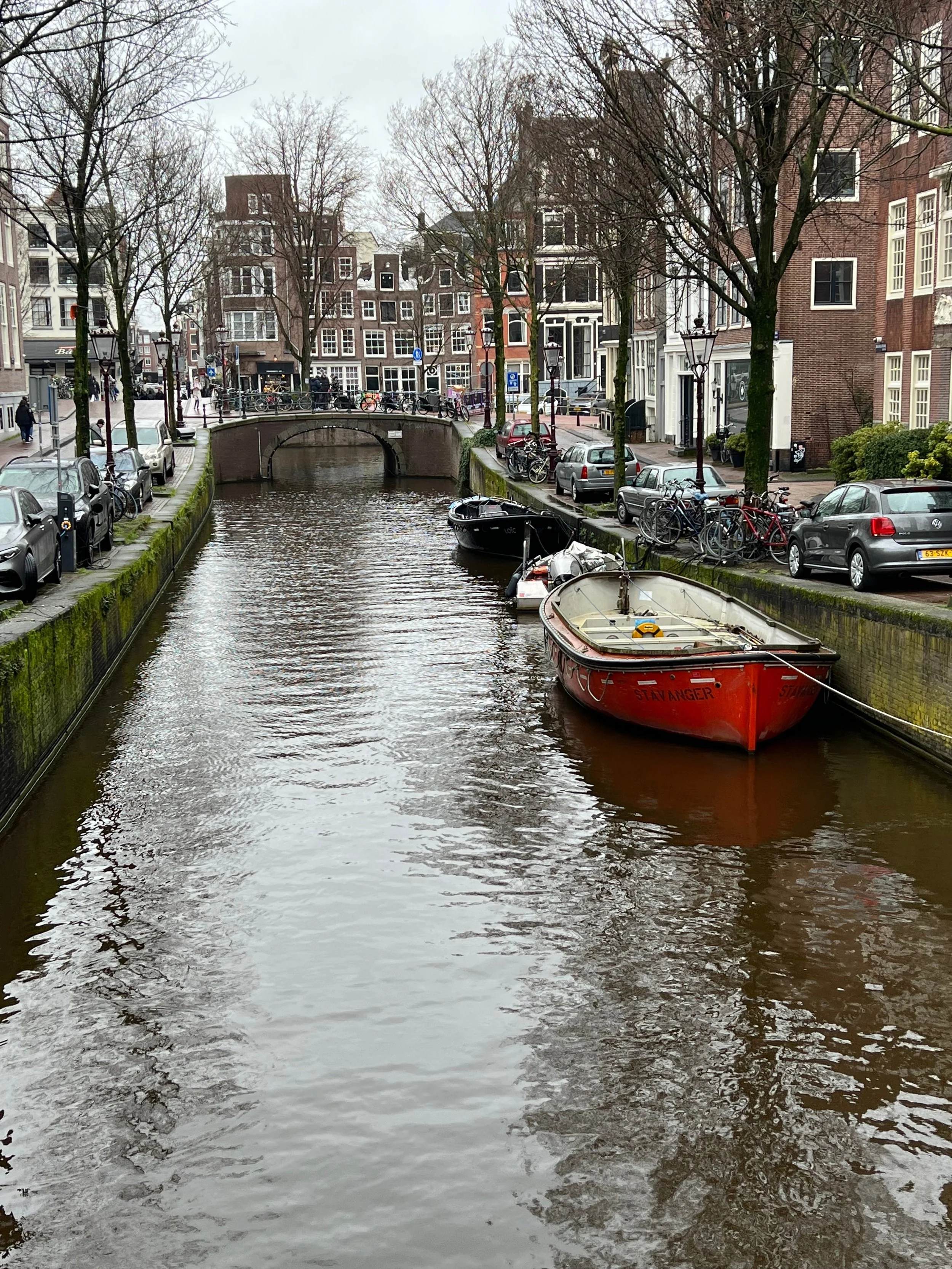
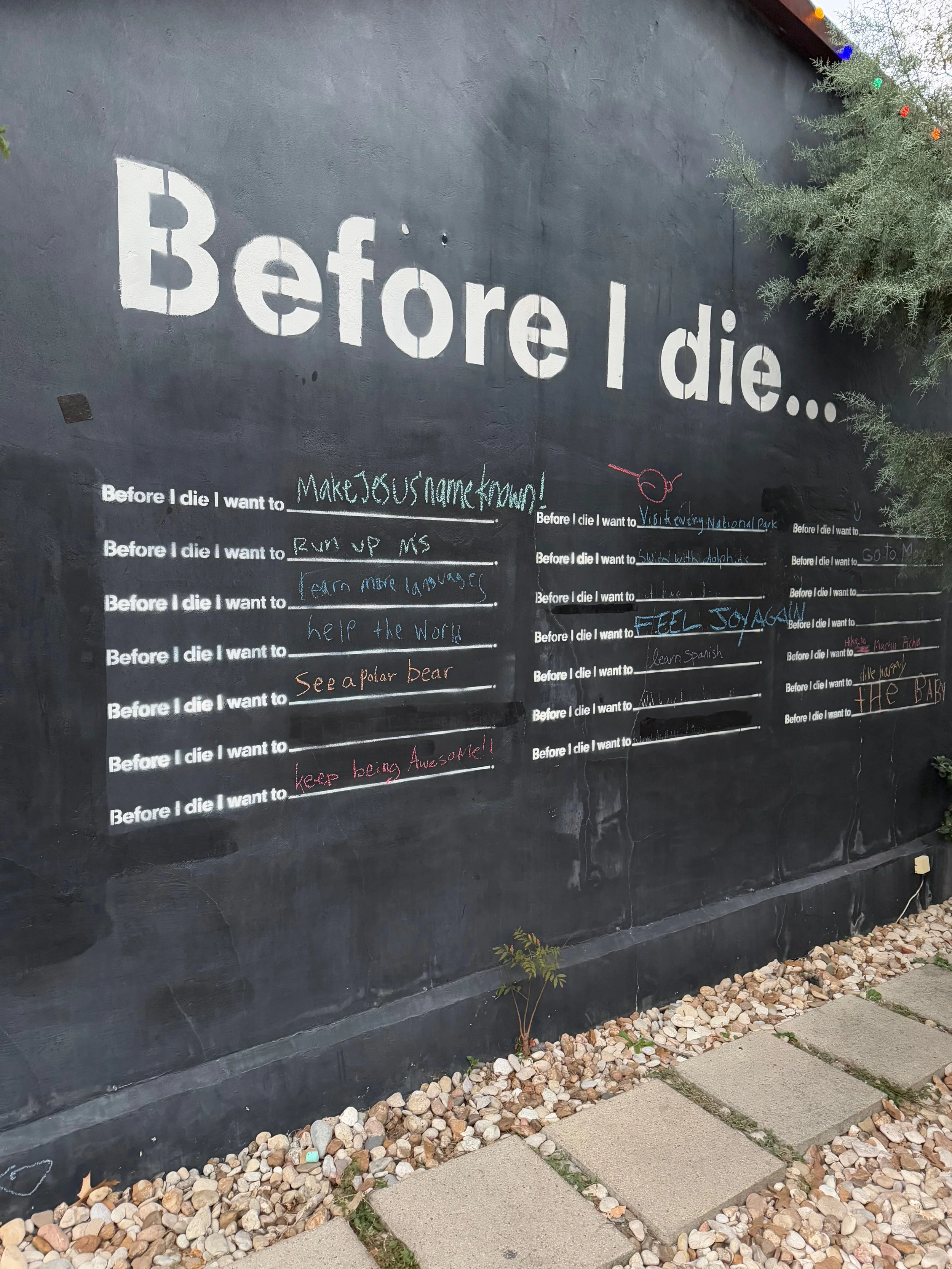
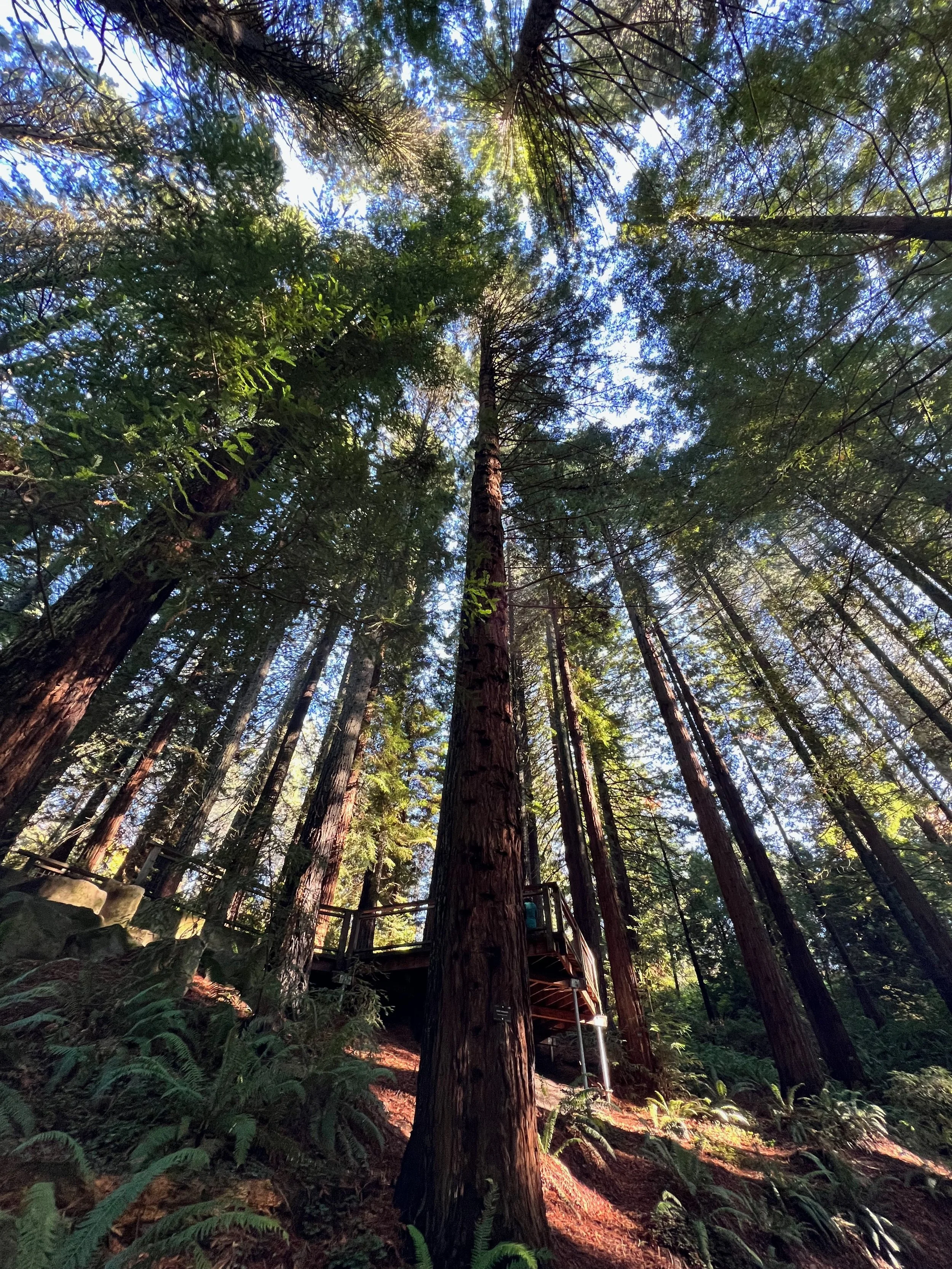
And each place I lived offered its own kind of mirror. Some reflected courage I did not know I had; others revealed the limits I still needed to confront. Some showed me how expansive I could be when I let go of control; others reminded me how fragile belonging can feel when you are always arriving. Curiosity then became something quieter, a daily decision to stay awake to the world around me. And through this, I understood something important: I had agency over being curious. It was not accidental; it was intentional. Curiosity was my way of saying yes to life, even when I did not understand it.
Now, you do not have to live as a nomad to experience that kind of awakening. Most of us meet the unknown every day, often in moments so ordinary we almost miss them. It happens when a conversation with a partner turns vulnerable and real, when a child’s question forces you to see the world through new eyes, or when a long-held dream quietly reintroduces itself after years of silence. It happens when a routine suddenly feels too small, when something in you whispers that it is time to begin again. These are your Bogotás—the places where comfort ends and discovery begins. The energy you spend resisting these moments could be spent expanding. The task is not to avoid uncertainty, but to welcome it.
Reframing the Resistance
The most significant resistance to curiosity often comes from the fear of chaos: the deeply held belief that structure is stability and curiosity is inefficiency. For someone who is a planner, an organizer, or one who finds safety in checklists and well-drawn calendars, I get that this invitation to “stay open” can sound like a reckless surrender of control. You may hear ‘curiosity’ and imagine ‘drift.’ You may hear ‘flexibility’ and imagine ‘failure.’
But curiosity is not the enemy of structure; it is what keeps structure alive. It is the habit of asking Is this still true? before reality forces the question on you. It turns discipline into discovery and planning into preparation. Curiosity does not dismantle order; it keeps order relevant.
Living the Practice
The hardest part of all is staying curious in a world that rewards speed over depth and performance over authenticity. And by now, you may be wondering, “What does it really mean to live a curiosity-driven life?” No, it’s not about a life of full-time travel or constant motion; it’s about meeting the world with your eyes open and your defenses down. Whether in your personal life or your professional one, it is the refusal to shrink, to harden, to hide behind what you already know.
You live a curiosity-driven life, one choice at a time. It’s the choice to ask instead of assume. To admit you do not know, and listen. To ask why, when silence would feel safer. To try something different, even when failure seems more likely than success. To risk your comfort for connection, or your certainty for truth. These are not grand gestures, but small, steady acts of courage: desire in motion, lived daily. Over time, they change how you see, how you lead, and how you live.
Let me end by saying that the opposite of curiosity is not ignorance; it is fear, the quiet kind that keeps us clinging to what we already know. Curiosity may not make life easier, but it will make it fuller. Yes, it will take you into harder conversations with yourself and others, but it will also lead you toward wonder, connection, and depth. And every meaningful change—personal, professional, or societal—begins with someone willing to ask a better question. So ask. Ask until the world widens again. Ask until your certainty softens. Ask until life feels vast and alive and possible once more. Because curiosity doesn’t just transform individuals; it transforms communities. It builds bridges where certainty builds walls.
Originally published on Substack on October 25, 2025.
