The Disunited States of America: Season 249
As America nears its 250th birthday, it feels less like a republic and more like a reality show.
A lone television had been wheeled into the cafeteria at my high school so we could gather around to watch a triumphant moment. History was about to be made. The excitement was palpable. Seventy-three seconds later: stunned silence.
It was January 28, 1986.
Later that night, President Ronald Reagan addressed a country in shock. A country mourning the loss of the seven crew members of Space Shuttle Challenger, including Christa McAuliffe, the first teacher chosen to go into space. His words still echo when I remember that day: “We will never forget them, nor the last time we saw them, this morning, as they prepared for their journey and waved goodbye and ‘slipped the surly bonds of earth’ to ‘touch the face of God.’” Words intended to unite. To heal.
Tragedy Upon Tragedy
Thirty-nine years have passed, and in that time, America has endured tragedy after tragedy. Far too many to capture in one essay. From the rubble of the Alfred P. Murrah Federal Building in Oklahoma City, to the rubble of the World Trade Center on September 11th. From classrooms, churches, synagogues, malls, movie theaters, nightclubs, and universities, all turned into crime scenes at Columbine, Las Vegas, Orlando, Parkland, Pittsburgh, Sandy Hook, and so many others. From hurricanes that drowned New Orleans, to wildfires that consumed Paradise, to tornadoes that flattened Joplin. The list could go on.
Voices rose during these tragedies. From President Bill Clinton, speaking of our nation “touched by evil” after Oklahoma City, to President George W. Bush standing amid the wreckage of the World Trade Center to declare that “the people who knocked these buildings down will hear all of us soon,” to President Barack Obama singing “Amazing Grace” at the funeral of Reverend Clementa Pinckney in Charleston. Words intended to unite. To heal.
Last Wednesday, breaking news alerts flashed that Charlie Kirk had been shot. Initial reporting said the injuries were non-life-threatening. Horrifying content shared across the internet and on social media told a different story. Today, there is not just one television in a cafeteria; millions of us have screens in the palms of our hands to feed us tragedy in real-time.
In the aftermath, voices rose immediately, not to unite but to divide. Not to heal but to hurt. Calls have been made for vengeance, for retribution, for war. Lists have been made to target those accused of celebrating his murder. There is no collective mourning. No shared grief.
Vigils have been held, like the one in Boise, Idaho. As I’ve crisscrossed the United States these last three years, I’ve lived in Boise. I’ve walked along W Jefferson Street and through Cecil D. Andrus Park. I’ve sat on the steps of the Idaho State Capitol. On this journey of mine, I’m hard-pressed to name another city where the people have been as nice. To see the news coverage of the fight break out amidst the candlelight felt as if the darkness had come to my hometown.
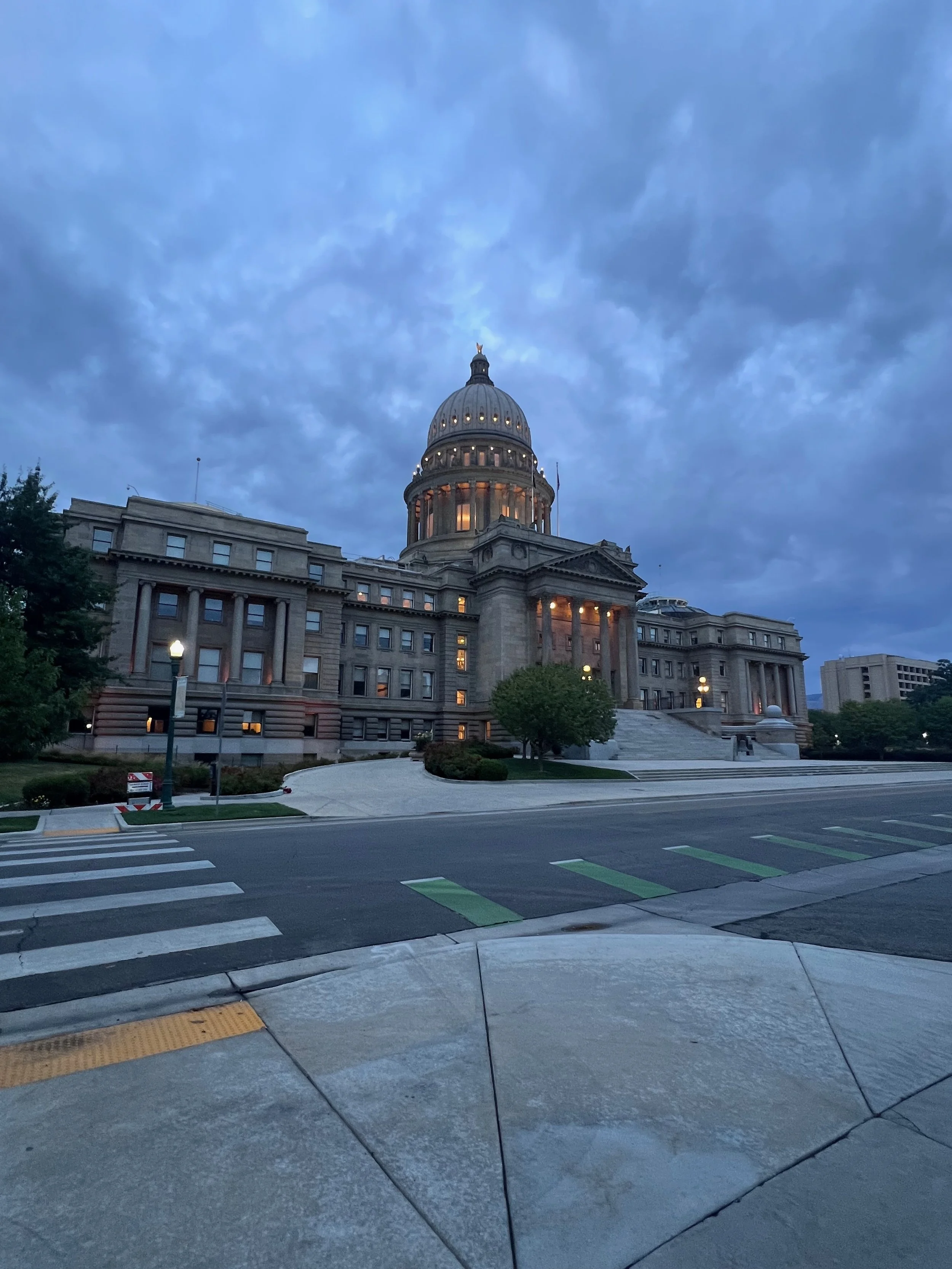

While Boise reflects what it felt like to live there, even briefly, something else happens when you wander across America for three years. There’s a pattern you see: courage, resilience, and generosity in daily life across our country, contrasted with immense cruelty, gaslighting, and hypocrisy on the national stage. Viewed from outside the power centers of Washington, Hollywood, and Wall Street, the latter resembles a reality television show—and not a good one. Every day, a new storyline emerges, but recurring themes persist. And never ever let facts get in the way of a good story, a clickbait headline, or a provocative tweet.
Pick your issue, and we have performance perfectly calibrated for the algorithm. If something happens, well, there’s a talking point for that. Don’t like the truth? Call it “fake news.” Need a label? Far right or far left will do just fine. Want to make it more compelling? Throw in radical, too. If you’re really in a bind, use “woke,” “fascist,” “communist,” “white supremacist,” or “racist.” And let’s not forget, “thoughts and prayers,” “too soon to politicize,” or “this is not who we are,” which are ready-made for the camera.
While Emma Lazarus’ poem, etched in bronze on the Statue of Liberty pedestal, includes the often quoted, “Give me your tired, your poor, your huddled masses yearning to breathe free,” nothing like an ICE raid filmed in HD to break up a day. When more drama is needed, call in Secretary of Homeland Security Kristi Noem in cosplay to provide a voice-over.
While the First Amendment provides all citizens with the right to Freedom of Religion, many will characterize the United States as a Christian nation. Nothing answers the question, “What would Jesus do?” better than Fox and Friends host Brian Kilmeade’s solution to the homeless crisis as “involuntary lethal injection” and “just kill ‘em.” Somehow, I missed that lesson in Sunday School.
Even our comedians, whom we often look to for help in processing pain, can fall into the trap. I’m a big fan of Nate Bargatze and enjoy his performances. When he called the assassination of Charlie Kirk “the saddest thing in the world,” it struck me how much our public language has lost all sense of proportion. Multiple wars are raging, genocides are occurring, famines are happening, an estimated 122 million people worldwide are refugees, an estimated 138 million children are trapped in child labor, nearly a billion people live in extreme poverty, but the script...the script demands hyperbole, not perspective.
And perspective doesn’t just mean what is happening in the present. Rewriting or sanitizing the past is also happening right before our eyes. President Donald Trump’s Executive Order “Restoring Truth and Sanity to American History” is focused on eradicating what he called a “corrosive ideology” around issues such as slavery or injustices that undermine the concept of American exceptionalism. Museums, national parks, and monuments are to be restored to remind “Americans of our extraordinary heritage, consistent progress toward becoming a more perfect Union, and unmatched record of advancing liberty, prosperity, and human flourishing.”
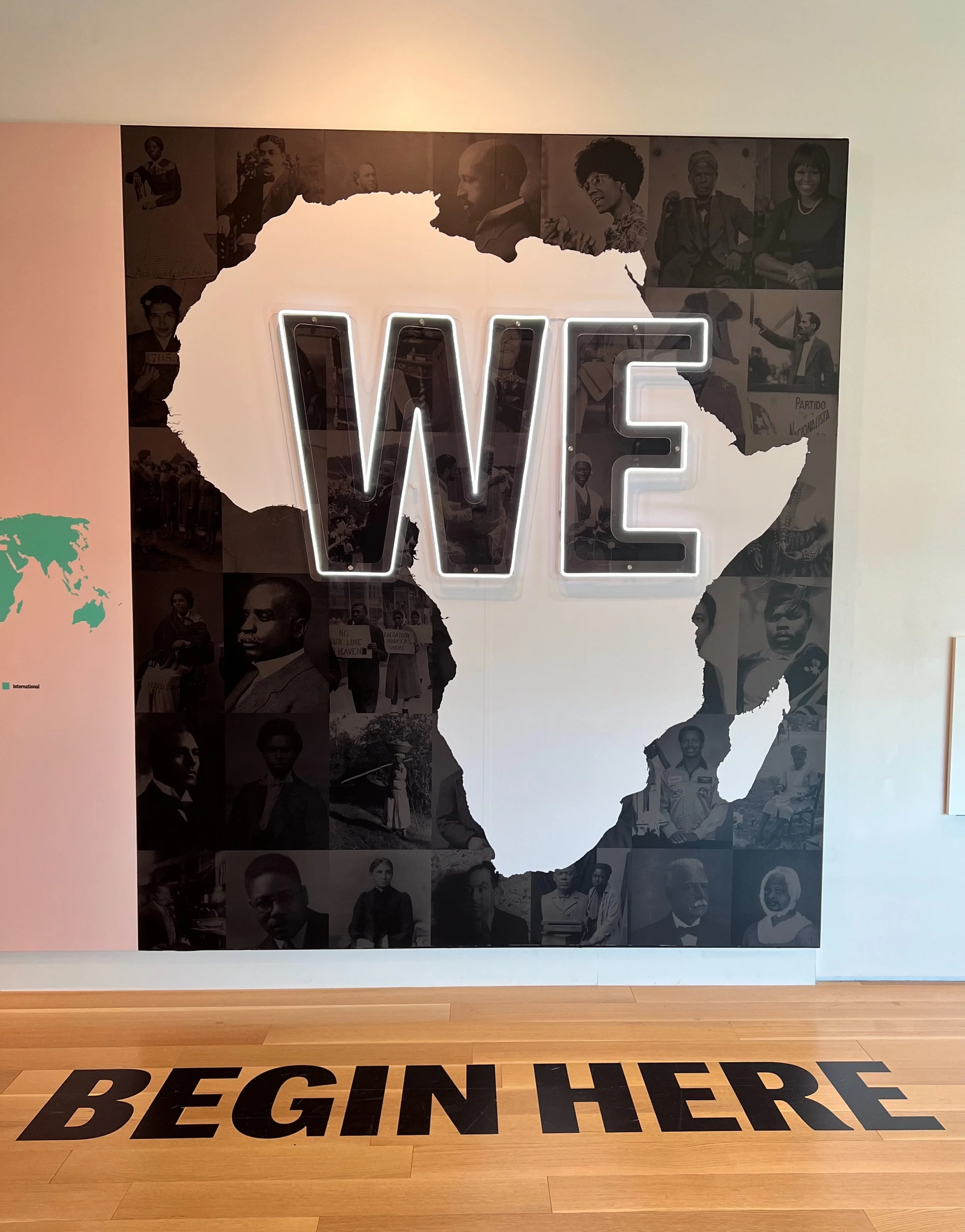
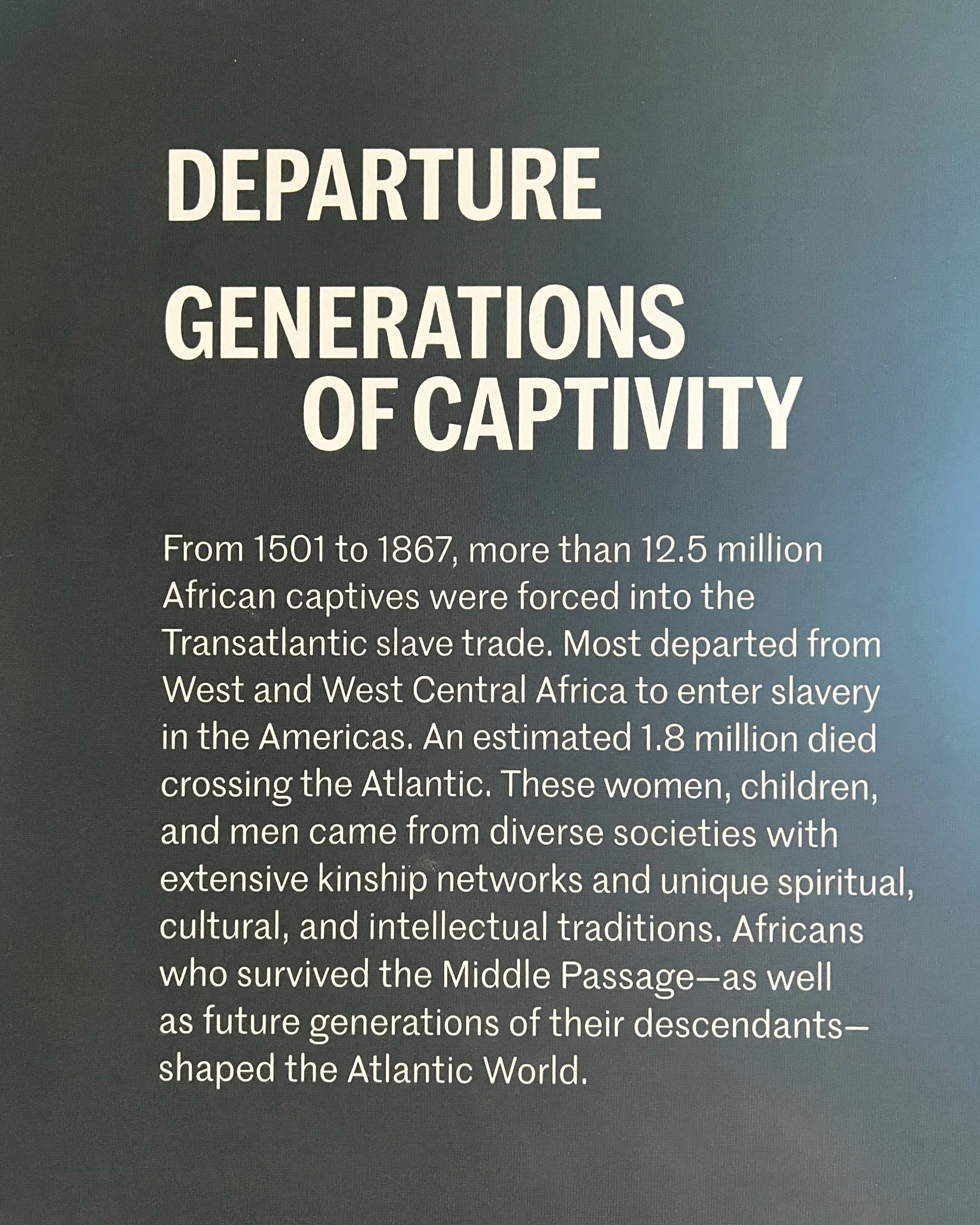
As if the removal of “The Scourged Back” will somehow transform our nation’s history and allow us to forget that more than 12 million Africans were trafficked across the Middle Passage, with millions dying along the way, and those who survived were subjected to brutal and dehumanizing conditions in slavery. Restore the names of Confederate generals who declared war on the United States to military bases, but omit Jim Crow, omit redlining, omit Greenwood, omit Selma, omit George Floyd. And let’s not forget that we haven’t even gotten to the genocide and cultural erasure of Indigenous peoples, to the more than one thousand tribes that once called this land home, to the Trail of Tears, to Wounded Knee, to Standing Rock.
Yet, addicted and exhausted, we tune in daily for each episode of “The Disunited States of America: Season 249,” our hearts pounding and fingers ready to type, feeding off the outrage. Still, the uncomfortable conversations about our nation’s past, present, and future are left out of the show. It’s easier that way. Why let a thoughtful debate get in the way of a good spectacle?
America at 250 Years
So where does this leave us? We’re just about eight months into the Trump Administration. Yes, just eight months. With 2026 right around the corner, we will mark our 250th birthday, a defining moment in our history, and one that forces us to ask: What kind of nation are we at 250? Are we the America of Emma Lazarus’ promise, or the America of ICE raids? Are we the America of Irving Berlin’s “God Bless America” or Woody Guthrie’s “This Land is Your Land?” Are we the America I’ve been fortunate to witness on the road, where neighbors show up for each other, or the America that devours itself each night on cable news?
The 2026 midterms will then determine the shape of the U.S. Congress and decide whether the President’s agenda continues full throttle or whether the Democrats push back and launch investigations into the Administration. Soon after, the presidential race will begin in earnest. We can expect that Vice President JD Vance, Secretary of State Marco Rubio, and others will compete to be Trump’s successor.
On the Democratic side, we can expect California Governor Gavin Newsom, Illinois Governor JB Pritzker, Michigan Governor Gretchen Whitmer, Pennsylvania Governor Josh Shapiro, and former Secretary of Transportation Pete Buttigieg to be among the many candidates running for the nomination. The cast of America’s reality show will be larger and broadcast everywhere, all at once.
Season after season, this spectacle will go on: new characters, new plot twists, new cliffhangers, until new leaders emerge who dare to remind us that truth matters more than spectacle. New leaders with the courage to break the status quo, to govern not for ratings but for the soul of this country.
And for all of us, we don’t get to binge-watch our way past the hard parts. We must either confront these uncomfortable truths and demand more from our politicians, business leaders, and media, or sit back and settle for the show.
Originally published on Substack on September 17, 2025.
