The Myth of the Clean Slate
Destructive Amnesia and the True Cost of Rebuilding America
The emerging political narrative is no longer about acknowledgment; it is about erasure. When viewed as a whole, the White House and its allies aren’t seeking national healing; they are demanding a clean slate, but only for the stories that make them, and their base, uncomfortable. This effort insists that we focus on sanitized progress, demanding that we ignore or forget anything that challenges the mythology of America. A mythology that overwhelmingly prioritizes perceived ideals: white, male, educated, wealthy, heterosexual, and Christian.
There are many recent examples from President Trump’s Executive Order, “Restoring Truth and Sanity to American History,” to the prevalence of book bans and the surge of anti-DEI or anti-immigrant efforts, and the recent announcement by Secretary Hegseth that the Medals of Honor granted to soldiers who massacred unarmed Lakota at Wounded Knee would not be rescinded. These are not simply historical revisions; they are declarations of intent. The political manifestation of Destructive Amnesia. A national strategy that believes we can only build a strong future for America by suppressing the memory of genocide, slavery, racial violence, inequity, and the willful desecration of heritage.
It is a lie. Rubble never disappears; it only waits to be addressed.
The Visible Weight of the National Rubble
While government leaders may demand a clean slate, the land itself refuses to forget. My nomadic journey over the last three years has been, unintentionally, an archaeological dig. I left the safety, stability, and comfort of a traditional home and lifestyle behind, trying to find my own clean slate, only to discover that the country, and I, are both anchored by the wreckage we are so desperate to escape. And when you look closely, you find the rubble everywhere. Only through a willingness to look at it honestly can we begin the arduous work of national reckoning and recovery.
We often view the narrative of American progress through broad strokes, but the truth is in the local architecture, in the juxtaposition of suffering and resilience. You see it when you slow down and stay long enough; the stories reveal themselves.
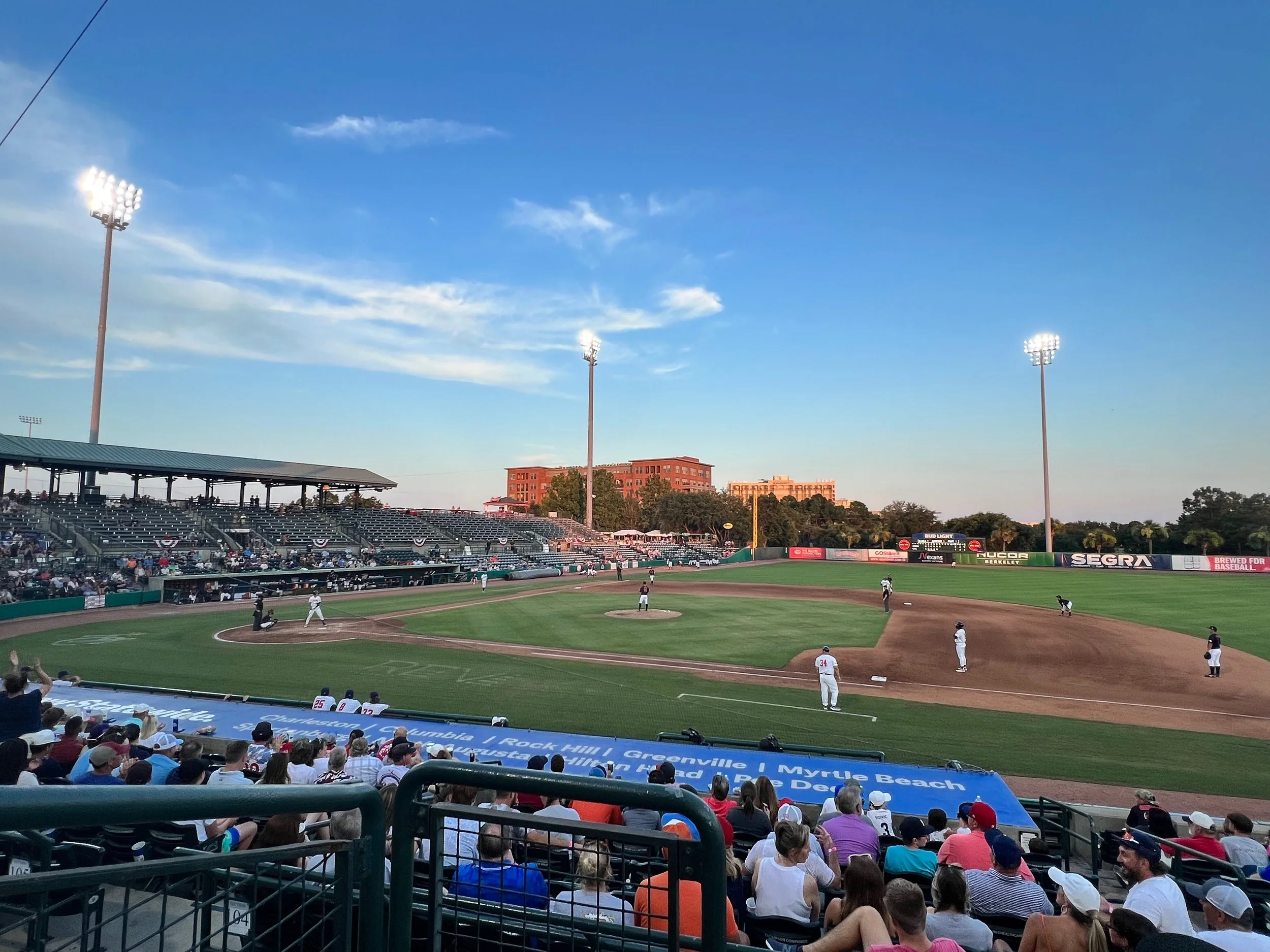
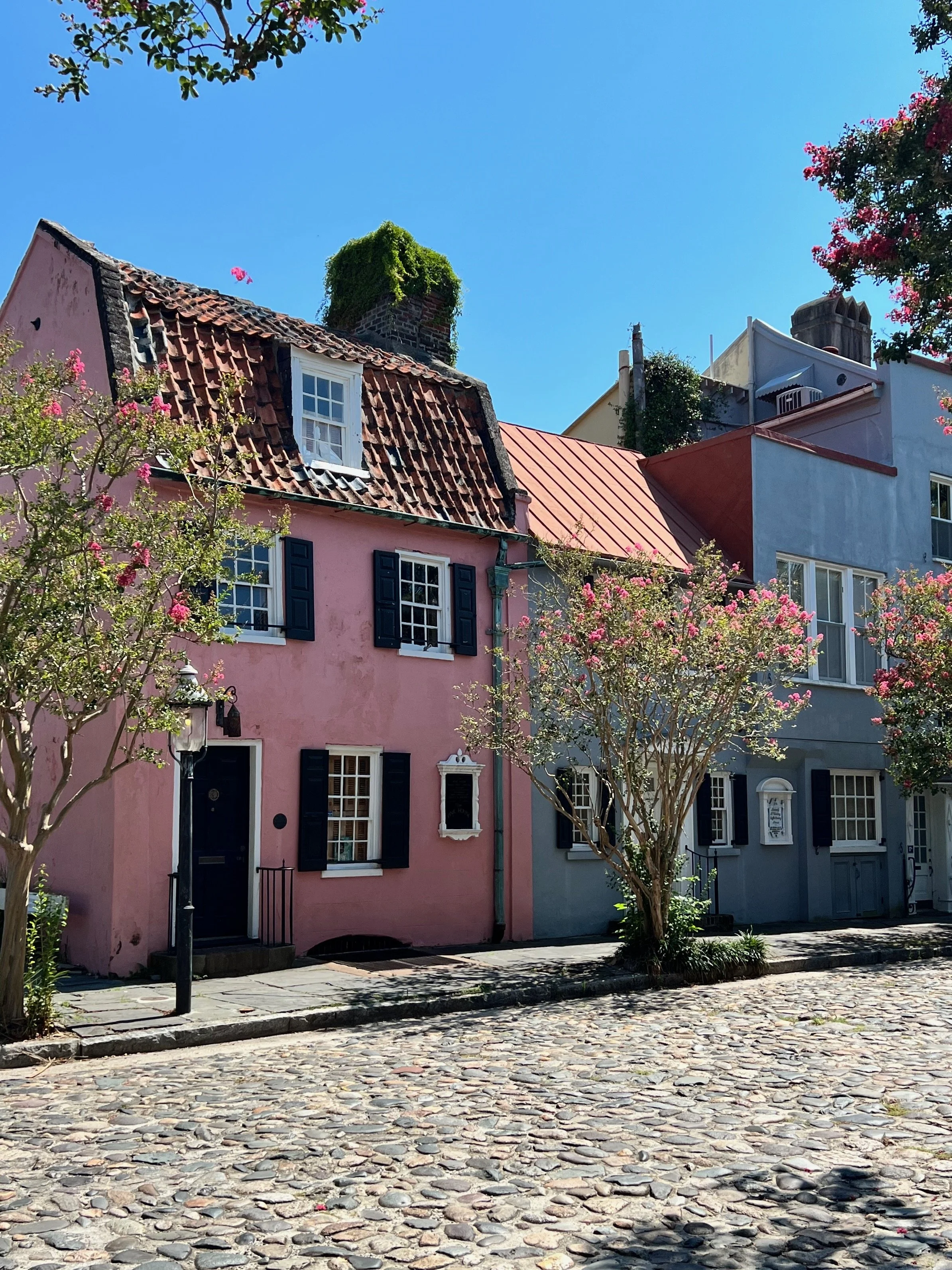
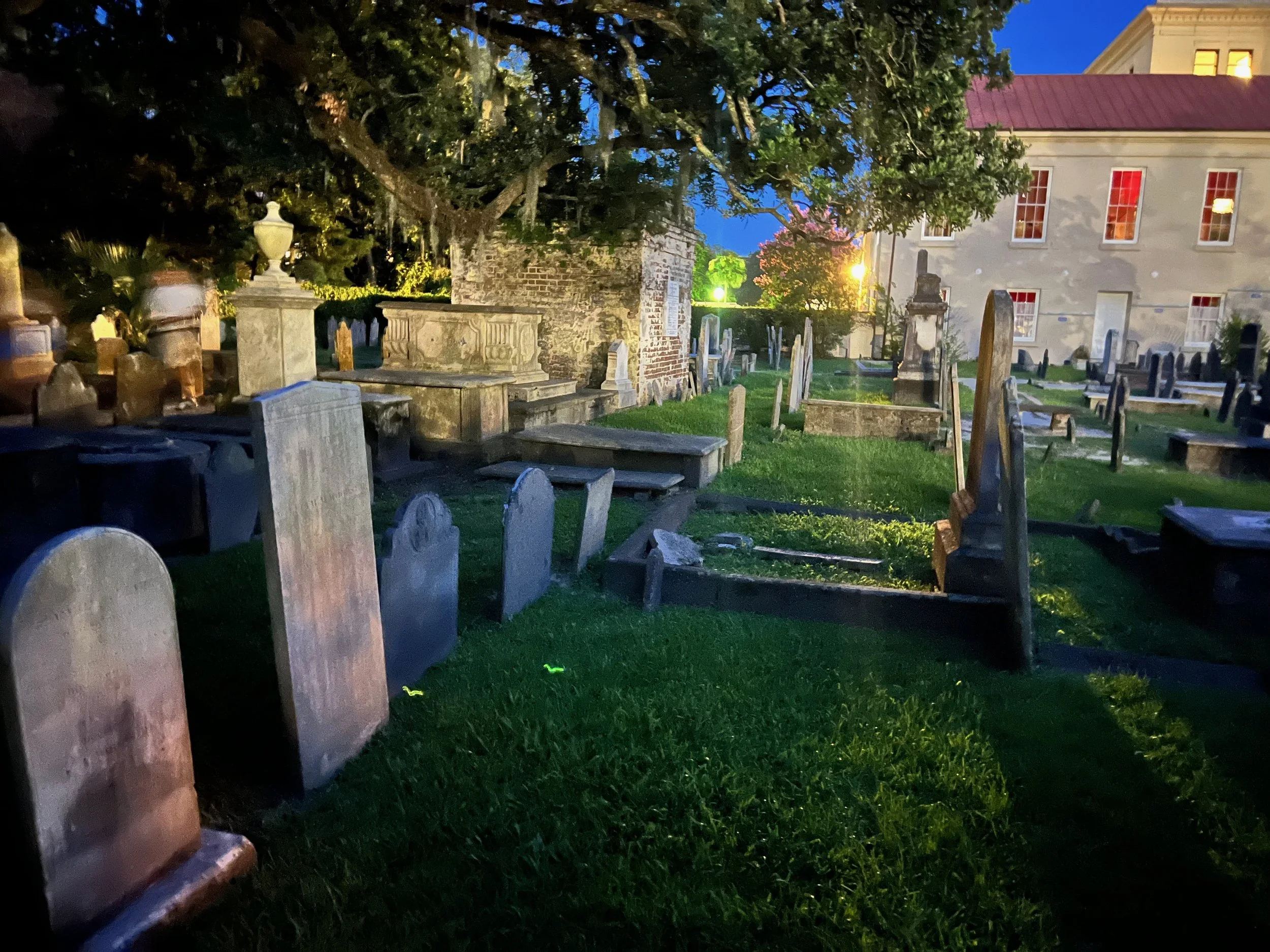
As I travel, I’m often asked what my favorite place has been. One that always comes to mind is Charleston, South Carolina. The city’s magnificent beauty is a breathtaking sight. There is an undeniable charm to its streets, a rich tapestry of award-winning cuisine, vibrant arts, and centuries of culture. Visit the Old Exchange and Provost Dungeon, where guides share with genuine pride the contributions of Charlestonians during the Revolutionary War. Go to a Charleston RiverDogs baseball game at Joseph P. Riley Jr. Park, and you’ll participate in a simple, deep Americana, a community gathering for a timeless summer ritual. Enjoy a walk down King Street and take a right onto Beaufain Street to find Off Track Ice Cream, for the best ice cream you’ll taste. Take a Ghost and Graveyards Tour and learn about the legends and lingering shadows of its colonial and maritime past. Admire the spectacular, pastel-hued beauty of Rainbow Row. Spend an afternoon at the historic Charleston City Market. Sit along the promenades of Waterfront Park and The Battery. I could go on.
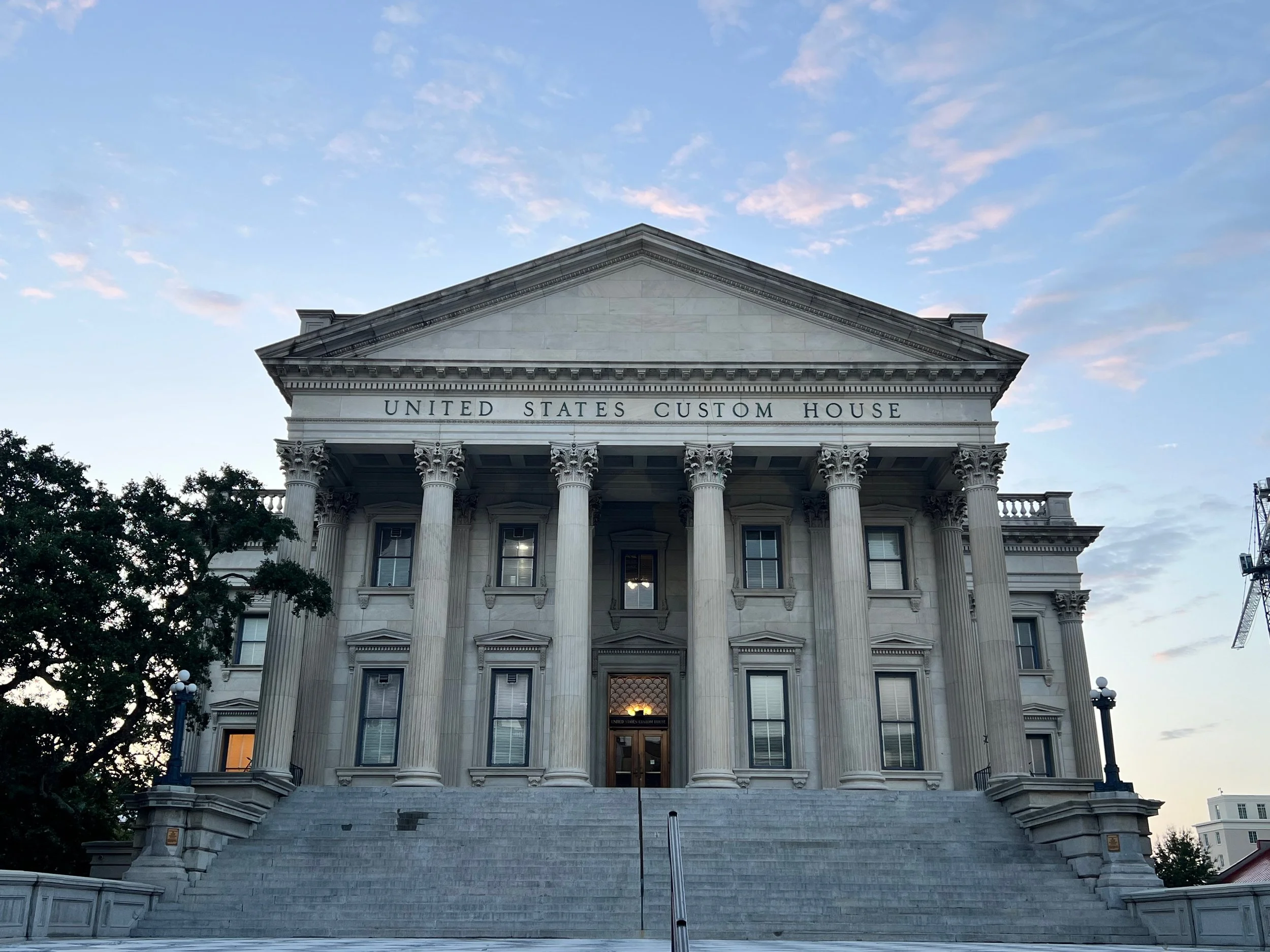
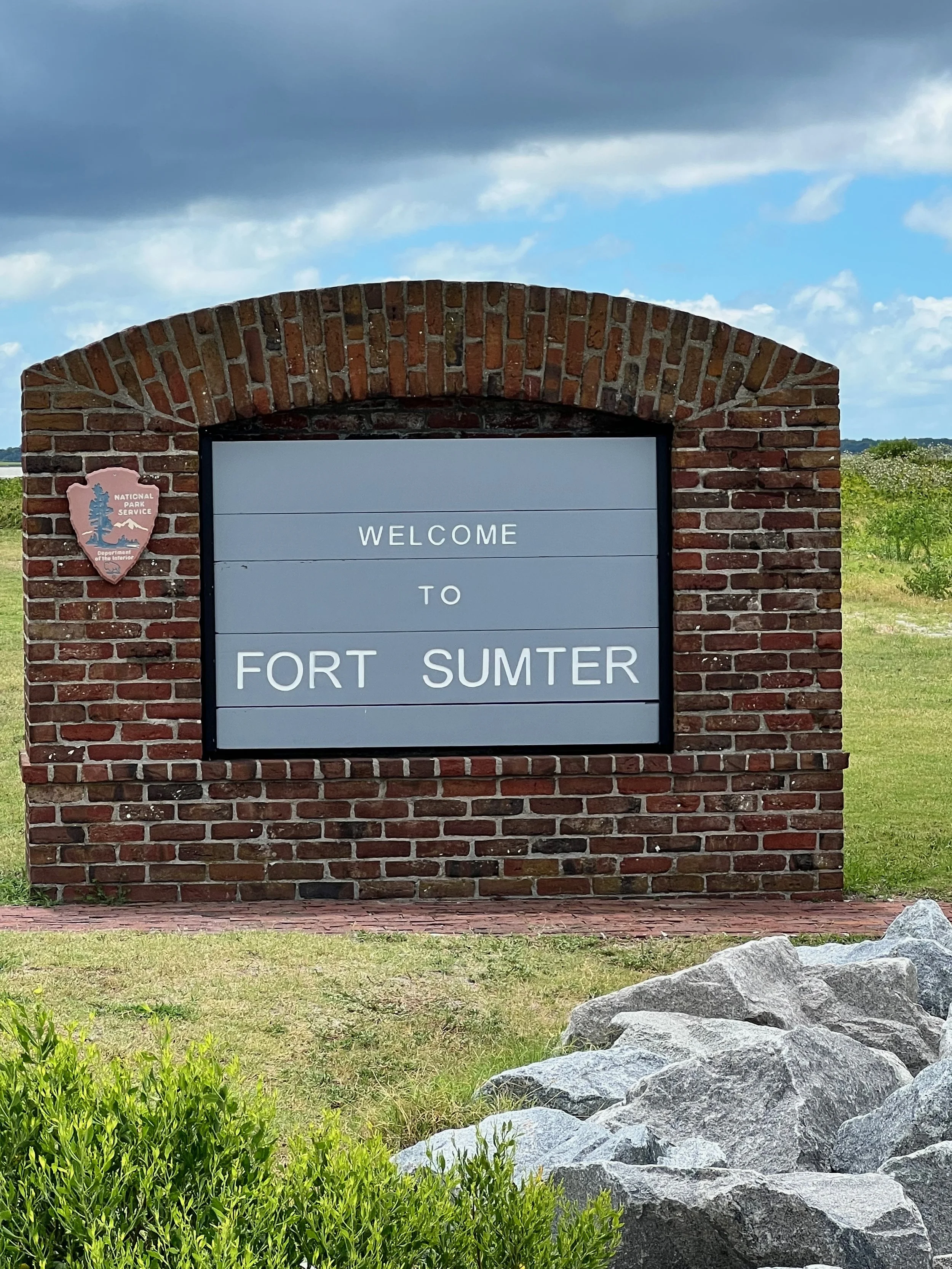
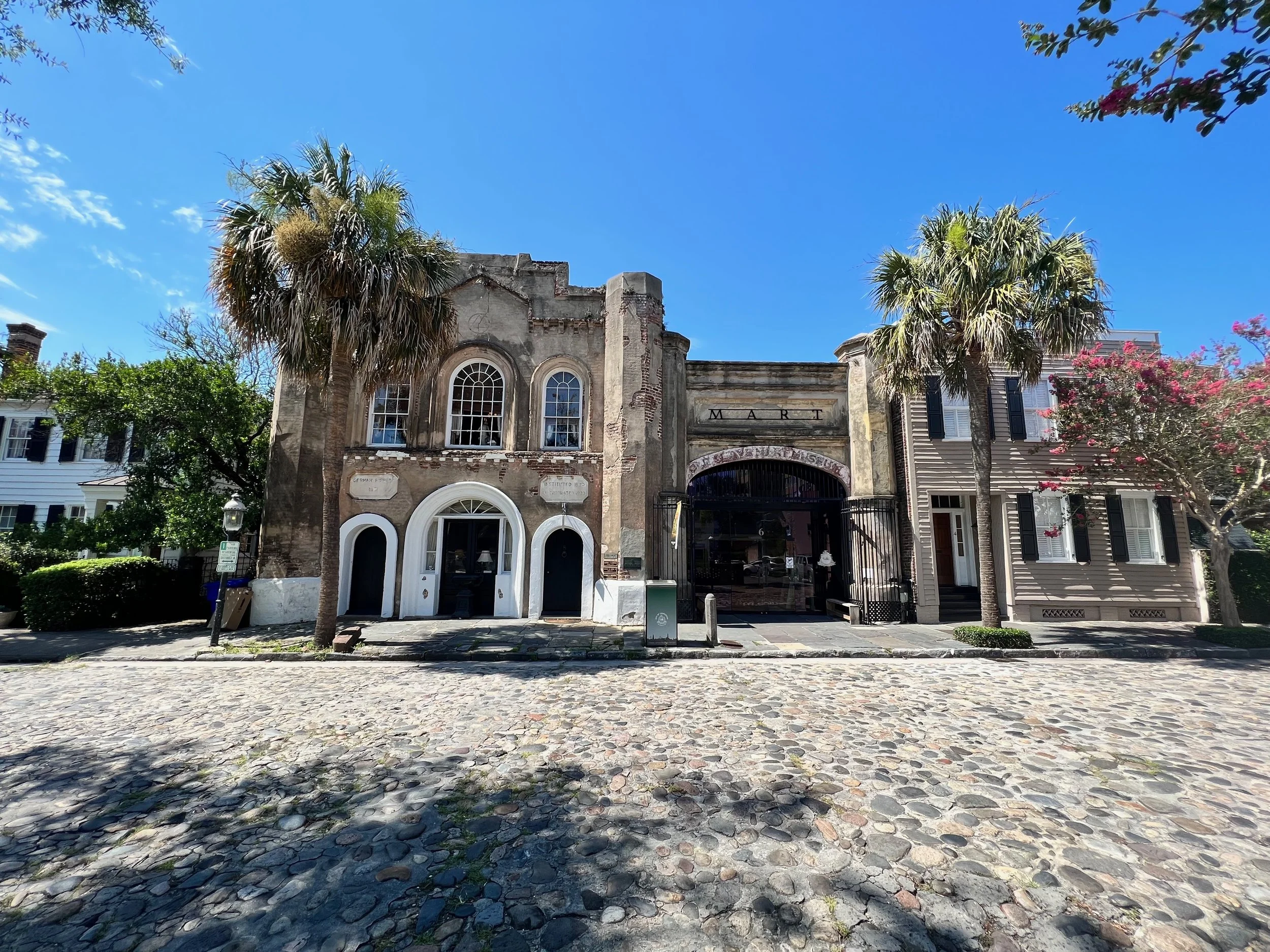
And yet, this enduring beauty is built on the rubble of cruelty. The trauma isn’t past; it is the concrete foundation upon which the city rests. For generations, Charleston was one of the world’s economic centers, driven by the commerce of human bondage. Stand within the Old Slave Mart and confront the meticulous documentation of inhumanity, of lives treated as inventory. Tour the International African American Museum to face the very origins of the American experiment and witness the wrenching history of the transatlantic slave trade. Look past the manicured lawns of Boone Hall Plantation and confront the realities of the slave quarters. And remember that it was here, at Fort Sumter, that the first shots of the Civil War, a conflict fought over the right to own human beings, were fired.
The Uncomfortable Contradiction
The natural human instinct, faced with such a profound contradiction, is to seek comfort. We want to believe that the charm of King Street is separate from the horrors of the Slave Mart.
However, this, too, is a form of Destructive Amnesia. It is the intellectual insult that suggests we are incapable of holding two truths at once. In this case, Charleston is magnificent, and its magnificence is inextricable from its violence centuries ago.
The true act of citizenship is not choosing one truth over the other but accepting the tension between them. Yes, enjoy the vibrancy and splendor of Charleston while standing in the awareness of the land’s history to begin the real work, finally. Acknowledge that we can still love this country and accept the weight of the past that we carry—the rubble that provides both the foundation for its splendor and the necessity for its repair.
The same tension plays out on a colossal scale in South Dakota. At Mount Rushmore, you stand before a monument to the mythology of America—four heroic white faces carved into sacred Indigenous rock. Manifest Destiny rendered permanent. A testament to the belief that the past should be sculpted to serve the ambition of the present. But just down the road, you find the ongoing, unfinished counter-narrative of the Crazy Horse Memorial. It stands as both a monument and a wound—an ongoing act of reclamation, not yet realized, but refusing to be forgotten.
The message these places send is clear: The history we try to sanitize is the ground we stand on. You cannot rebuild a community by simply paving over the ashes of its trauma and hoping no one notices the scar tissue beneath. Yet, as a nation, that is precisely the strategy that many embrace.
The Rubble I Carried
Perhaps my three-year odyssey was born from a similar act of Destructive Amnesia. By dismantling the external architecture of my life—a home, daily routines, an identity—I could shed the internal rubble: the emotional weight, the attachments, the mistakes that one accumulates over a lifetime. I learned quickly that rubble doesn’t disappear. It packs down, dense and heavy.
My journey became an unwilling archaeological dig, forcing me to reckon with the difficult truth: Unlearning is not about erasing my past; it’s about excavating the truths buried beneath. Travel stripped away my distractions. The open road offers no job titles to hide behind, just the raw freedom and fear of being Michael. What’s left is silence, and in that silence, the full weight of my own unexamined history. Vulnerability became my only form of honesty. Each month, a new city, the ache of dislocation, that quiet panic that comes when you realize there’s nowhere left to hide from yourself. But in those moments, curiosity became a kind of grace. The more I sat with discomfort, the more I began to see it not as punishment, but as presence—a signal that I was finally paying attention.
Rebuilding with Rubble
And along the way, I’ve learned that the myth of the clean slate is dangerous because it promises renewal without demanding responsibility. It mistakes erasure for evolution, forgetting for forgiveness. Whether at the national level or in the quiet spaces of our own lives, rebuilding begins not with denial but with acknowledgement—the willingness to look directly at what we’ve broken and to build again, not despite it, but through it.
Every generation inherits a landscape layered with the consequences of those before it: the bricks, the bones, the buried stories. To pretend otherwise is to sever ourselves from the only foundation capable of sustaining real progress: our truth. To push for a clean slate for America robs us of the courage to live with its cracks. It builds monuments to denial, instead of bridges of memory.
When I think back on these last three years and all the cities I’ve lived in, I see not only the places themselves but what they revealed: that America’s greatest strength has never been perfection, but fortitude; not purity, but restoration.
Yes, rebuilding with rubble is slower, messier, and infinitely harder. But it is the only honest way forward. Because the measure of a nation, like a life, is not how cleanly it begins again, but how bravely it remembers what it’s built upon.
Originally published on Substack on October 7, 2025.
